 EN
EN

Modern businesses and property owners are increasingly seeking innovative solutions that combine functionality with aesthetic appeal, particularly when it comes to window treatments. One way vision window graphics have emerged as a revolutionary technology that addresses multiple needs simultaneously, offering privacy, branding opportunities, and energy efficiency in a single application. These specialized films transform ordinary glass surfaces into dynamic advertising spaces while maintaining visibility from the interior, creating an ideal balance between form and function that traditional window treatments cannot achieve.
Understanding One Way Vision Technology
The Science Behind Perforated Window Films
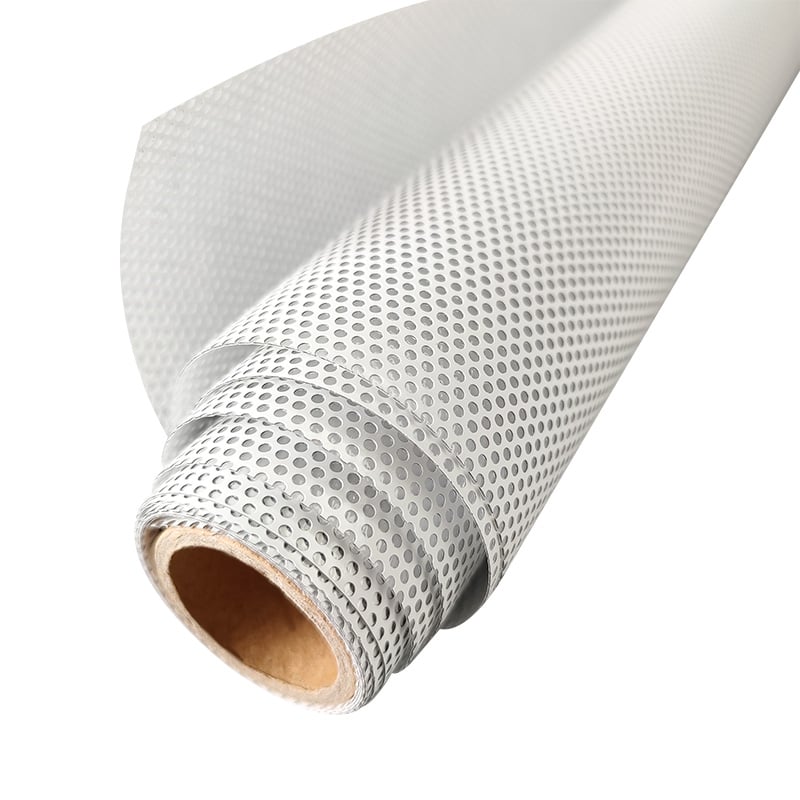
One way vision window graphics utilize advanced micro-perforation technology that creates thousands of precisely engineered holes across the film surface. This innovative approach allows light to pass through from the darker interior side while presenting a solid graphic image to viewers on the brighter exterior side. The perforations are typically arranged in a 60/40 or 70/30 ratio, where the percentage represents the ratio of printed material to transparent holes, ensuring optimal visibility from inside while maintaining vibrant exterior graphics.
The effectiveness of one way vision window graphics depends on proper lighting conditions and contrast ratios between the interior and exterior environments. During daylight hours, the exterior brightness creates the ideal conditions for the one-way effect, while interior lighting can be managed to maintain privacy without compromising the visual impact of the graphics. This technology has been refined over decades to provide consistent performance across various climate conditions and installation environments.
Material Composition and Durability Features
High-quality one way vision window graphics are manufactured using premium vinyl substrates that resist fading, cracking, and peeling under extended UV exposure. The materials incorporate specialized adhesive systems designed for glass surfaces, ensuring long-term adhesion without leaving residue upon removal. Weather-resistant inks and protective laminates further enhance the longevity of these graphics, making them suitable for both interior and exterior applications in challenging environmental conditions.
The construction of professional-grade one way vision window graphics typically includes multiple layers that work together to achieve optimal performance. The base film provides structural integrity and dimensional stability, while the perforation pattern is created through precision manufacturing processes that maintain consistency across large format applications. Advanced coating technologies protect against environmental factors while preserving the clarity and color vibrancy that make these graphics effective marketing tools.
Commercial Applications and Market Benefits
Retail and Storefront Enhancement
Retail businesses have discovered that one way vision window graphics offer unparalleled opportunities to maximize storefront advertising space while maintaining customer privacy and reducing solar heat gain. These applications transform entire window facades into dynamic marketing platforms that can showcase products, promotions, and brand messaging without compromising the shopping experience inside the store. The ability to change graphics seasonally or for special campaigns provides retailers with flexible marketing solutions that traditional signage cannot match.
Shopping centers and commercial complexes benefit from coordinated one way vision window graphics programs that create cohesive branding while allowing individual tenants to maintain their unique identity. The technology enables large-scale graphic installations that can be seen from significant distances, making them valuable tools for wayfinding and brand recognition in competitive retail environments. Property managers often find that these graphics increase the perceived value of commercial spaces while providing additional revenue opportunities through advertising partnerships.
Corporate and Office Building Solutions
Corporate environments utilize one way vision window graphics to enhance privacy in conference rooms and executive offices while maintaining the open feel that modern workplace design demands. These applications allow natural light to penetrate interior spaces while preventing visual distractions and protecting sensitive information from external observation. The graphics can incorporate corporate branding elements, creating a cohesive visual identity throughout the building that reinforces company culture and professionalism.
Office buildings in urban environments particularly benefit from one way vision window graphics as they provide protection from glare and solar heat while reducing energy consumption for cooling systems. The thermal properties of these films can contribute to LEED certification points and support sustainability initiatives that are increasingly important to corporate tenants. Building owners find that one way vision window graphics enhance the marketability of their properties while providing practical benefits that justify premium lease rates.
Installation Considerations and Best Practices
Surface Preparation and Application Techniques
Proper installation of one way vision window graphics requires meticulous surface preparation to ensure optimal adhesion and longevity. Glass surfaces must be thoroughly cleaned and degreased using specialized cleaning solutions that remove all traces of dirt, oils, and previous adhesive residues. The installation environment should be controlled to minimize dust and debris that could compromise the adhesive bond or create visible imperfections in the finished application.
Professional installers utilize specialized tools and techniques to achieve bubble-free applications that maintain the integrity of the perforation pattern. The installation process typically involves precise measurement and alignment to ensure proper registration across multiple panels, particularly in large format applications. Temperature and humidity conditions during installation can significantly impact the final results, making environmental monitoring essential for achieving professional-quality outcomes with one way vision window graphics.
Maintenance and Longevity Factors
Regular maintenance protocols for one way vision window graphics focus on preserving both the visual impact and functional performance of the installation. Cleaning procedures must account for the perforated surface structure, using appropriate tools and solutions that won't damage the micro-holes or compromise the adhesive bond. Proper maintenance can extend the service life of these graphics significantly, protecting the investment while maintaining their effectiveness as privacy and branding tools.
Environmental factors such as wind loading, temperature cycling, and UV exposure can affect the long-term performance of one way vision window graphics, making quality material selection and proper installation techniques critical for success. Regular inspection schedules help identify potential issues before they become significant problems, allowing for preventive maintenance that preserves both appearance and functionality. Building owners and facility managers should establish maintenance protocols that address the unique requirements of perforated window films to maximize their return on investment.
Design Strategies and Creative Applications
Graphic Design Optimization
Effective design for one way vision window graphics requires understanding how the perforation pattern interacts with graphic elements to create maximum visual impact. Designers must consider viewing distances, ambient lighting conditions, and the specific characteristics of the installation site to optimize color selection, contrast ratios, and graphic composition. Bold graphics with high contrast typically perform better than detailed imagery, as the perforation pattern can interfere with fine details when viewed from a distance.
Color psychology and brand consistency play crucial roles in developing successful one way vision window graphics campaigns. The limited color gamut available through digital printing processes requires careful color management to ensure brand colors are accurately reproduced and maintain their impact across different lighting conditions. Designers often create multiple versions of graphics to account for seasonal lighting changes and varying viewing angles that can affect color perception and overall visual effectiveness.
Integration with Architectural Elements
Successful integration of one way vision window graphics with existing architectural elements requires careful consideration of building proportions, material relationships, and overall design harmony. The graphics should complement rather than compete with architectural features, creating a cohesive visual experience that enhances the building's aesthetic appeal. Collaboration between graphic designers, architects, and building owners during the planning phase helps ensure that the final installation supports both functional and aesthetic objectives.
Lighting design considerations become particularly important when implementing one way vision window graphics in buildings with complex facade systems or unique architectural features. The interplay between natural and artificial lighting can dramatically affect the visibility and impact of the graphics, making it essential to evaluate these factors during the design development process. Strategic placement of interior lighting can enhance the one-way effect while maintaining the desired privacy levels and visual comfort for building occupants.
Cost Analysis and Return on Investment
Initial Investment Considerations
The cost structure for one way vision window graphics projects encompasses material costs, installation labor, design development, and ongoing maintenance requirements. Material quality significantly impacts both initial costs and long-term performance, making it important to evaluate options based on total cost of ownership rather than initial purchase price alone. Premium materials may command higher upfront costs but often provide superior durability and visual performance that justify the investment over the graphics' service life.
Installation complexity factors such as building height, access requirements, and surface conditions can significantly affect project costs for one way vision window graphics applications. Specialized equipment and experienced installation teams may be required for challenging installations, but the investment in professional installation typically pays dividends through improved longevity and performance. Budget planning should account for potential complications and allow flexibility for addressing unexpected conditions that may arise during the installation process.
Long-term Value and Benefits
The return on investment for one way vision window graphics extends beyond simple advertising value to include energy savings, privacy enhancement, and property value improvements. Reduced cooling costs from solar heat rejection can provide measurable savings that contribute to the overall project justification. Privacy benefits translate into improved productivity and security in commercial environments, while branding opportunities can generate significant marketing value over the graphics' service life.
Property owners often find that strategically implemented one way vision window graphics enhance the marketability and perceived value of their buildings, supporting higher lease rates and improved tenant retention. The ability to offer tenants flexible branding opportunities through graphics programs can become a significant competitive advantage in commercial real estate markets. Long-term maintenance costs remain relatively low compared to other exterior building treatments, making these graphics an attractive option for property improvement investments.
Environmental Impact and Sustainability
Energy Efficiency Benefits
One way vision window graphics contribute to building energy efficiency through solar heat rejection properties that reduce cooling loads during warm weather periods. The films typically reject 30-50% of solar energy while maintaining natural light transmission, creating more comfortable interior environments without sacrificing visibility. This thermal performance can contribute to LEED certification points and support corporate sustainability initiatives that are increasingly important to environmentally conscious tenants and building owners.
The reduced reliance on artificial lighting during daylight hours represents another environmental benefit of properly implemented one way vision window graphics systems. By maintaining natural light transmission while providing privacy and branding opportunities, these films support daylighting strategies that reduce electrical consumption and associated carbon emissions. Building operators report measurable reductions in HVAC energy consumption when one way vision window graphics are properly integrated into overall building performance strategies.
Material Recycling and End-of-Life Considerations
Modern one way vision window graphics are manufactured using materials that can be recycled at the end of their service life, supporting circular economy principles and reducing environmental impact. Removal processes have been developed to minimize waste generation and facilitate material recovery, though proper planning and execution are required to achieve optimal results. Environmental compliance considerations may apply to disposal and recycling processes, particularly in jurisdictions with strict waste management regulations.
Manufacturers are increasingly developing one way vision window graphics using bio-based materials and environmentally friendly manufacturing processes that reduce the carbon footprint of these products. Life cycle assessments demonstrate that the environmental benefits of energy savings and extended building service life often offset the environmental costs of material production and disposal. Specification of environmentally responsible products supports green building initiatives while maintaining the performance characteristics that make these graphics effective business tools.
FAQ
How long do one way vision window graphics typically last
High-quality one way vision window graphics typically provide 5-7 years of service life when properly installed and maintained, though this can vary based on environmental conditions and material quality. Factors such as UV exposure, temperature cycling, and mechanical stress from wind loading affect longevity, making proper material selection and installation techniques crucial for maximizing service life. Regular maintenance and inspection can help identify potential issues early and extend the effective lifespan of the graphics.
Can one way vision window graphics be removed without damaging the glass
Professional-grade one way vision window graphics are designed for clean removal when proper techniques and tools are employed, typically leaving minimal or no adhesive residue on the glass surface. The removal process may require heat application and specialized solvents to soften the adhesive bond, and professional installation companies often provide removal services as part of their offerings. Attempting removal without proper equipment or experience can potentially damage the graphics or the glass surface, making professional removal services advisable for valuable installations.
What maintenance is required for one way vision window graphics
Routine maintenance for one way vision window graphics involves regular cleaning using mild soap solutions and soft cleaning tools that won't damage the perforated surface or adhesive bond. Harsh chemicals, abrasive cleaners, and high-pressure washing should be avoided to prevent damage to the graphics or premature adhesive failure. Periodic inspection for edge lifting, perforation damage, or color fading helps identify maintenance needs before they become significant problems, and prompt attention to minor issues can extend the service life of the installation.
Are one way vision window graphics effective for security applications
One way vision window graphics provide privacy benefits that can enhance security by preventing visual surveillance of interior activities, though they should not be considered primary security measures. The films allow occupants to maintain visual contact with exterior areas while limiting outside visibility into sensitive spaces, supporting security protocols in retail, office, and residential applications. For comprehensive security solutions, one way vision window graphics should be integrated with other security measures such as access control systems, lighting design, and surveillance equipment to achieve optimal protection levels.