 EN
EN

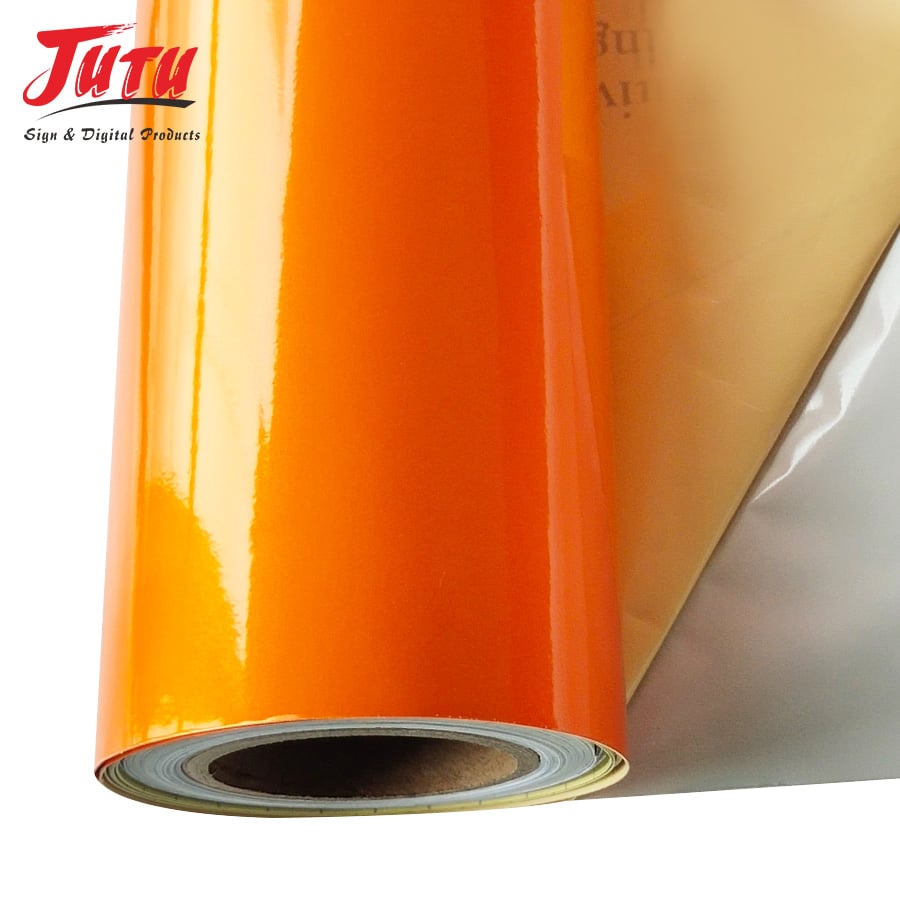
In today's competitive marketplace, businesses are constantly seeking innovative ways to enhance their brand visibility and create lasting impressions. Self adhesive vinyl has emerged as one of the most versatile and cost-effective materials for achieving professional-grade visual communications across multiple applications. From eye-catching vehicle wraps that transform ordinary cars into mobile billboards to durable signage solutions that withstand harsh outdoor conditions, this remarkable material offers unparalleled flexibility and performance. Understanding the intricacies of sourcing quality self adhesive vinyl can make the difference between a successful project and a disappointing outcome that fails to meet expectations.
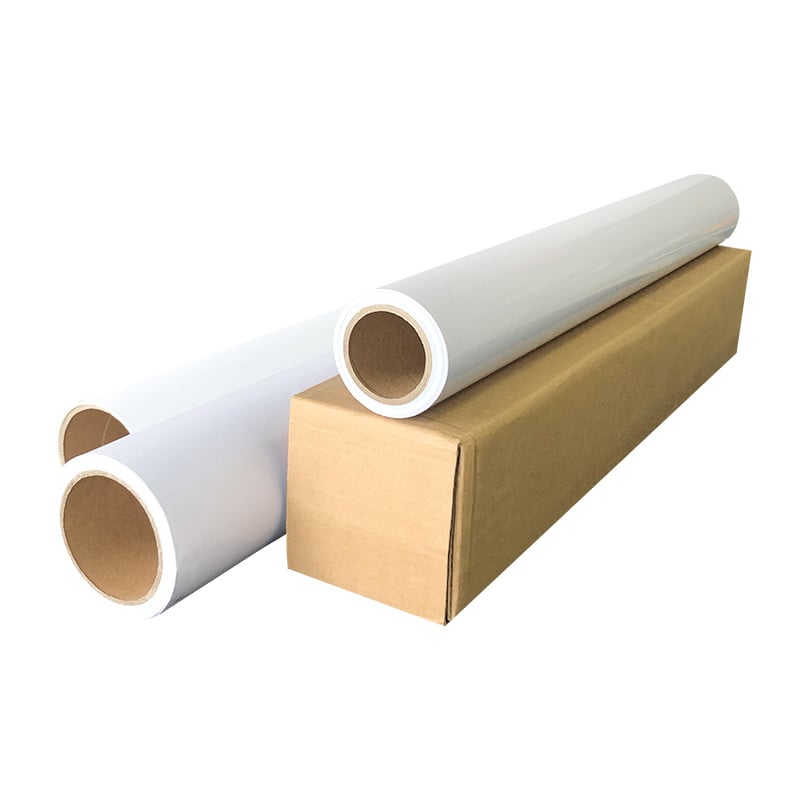
Understanding Self Adhesive Vinyl Composition and Properties
Material Structure and Manufacturing Process
Self adhesive vinyl consists of multiple layers that work together to create a durable and versatile material suitable for various applications. The top layer, known as the face film, is typically made from polyvinyl chloride (PVC) or polyurethane, providing the visible surface that receives printed graphics or displays solid colors. This layer determines the final appearance and durability of the finished product. The adhesive layer, positioned between the face film and the release liner, utilizes specialized formulations designed to bond effectively with target surfaces while maintaining removability when required.
The manufacturing process involves sophisticated calendering techniques that ensure consistent thickness and surface smoothness across the entire roll. Quality manufacturers employ strict temperature and pressure controls during production to eliminate air bubbles and achieve optimal adhesive distribution. Modern self adhesive vinyl production also incorporates advanced polymer chemistry to enhance weather resistance, UV stability, and conformability around complex curves and contours.
Performance Characteristics and Durability Factors
Professional-grade self adhesive vinyl exhibits specific performance characteristics that distinguish it from lower-quality alternatives. Dimensional stability prevents the material from shrinking or expanding significantly under temperature variations, ensuring that graphics maintain their intended appearance over extended periods. The adhesive strength must balance initial tack with long-term bonding while allowing for clean removal without residue when replacement becomes necessary.
Weather resistance represents another critical factor, particularly for outdoor applications where self adhesive vinyl faces constant exposure to UV radiation, moisture, and temperature fluctuations. Premium materials incorporate UV-stabilized polymers and weather-resistant adhesives that maintain their properties for five to seven years under normal outdoor conditions. Indoor applications may utilize different formulations optimized for removability and repositioning capabilities.
Vehicle Wrap Applications and Specifications
Conformability Requirements for Complex Surfaces
Vehicle wrapping demands exceptional conformability from self adhesive vinyl to accommodate the complex curves, recesses, and compound angles found on modern automotive designs. Cast vinyl films offer superior conformability compared to calendered alternatives, making them the preferred choice for full vehicle wraps. The material must stretch and conform without creating wrinkles, air bubbles, or stress points that could lead to premature failure.
Professional installers rely on self adhesive vinyl with specific elongation properties that allow the material to stretch up to 20% of its original dimensions without losing adhesive integrity. This flexibility enables proper coverage of door handles, mirrors, bumper contours, and other challenging areas. The adhesive formulation must also accommodate the expansion and contraction cycles that occur as vehicles heat up and cool down throughout daily use.
Durability Standards for Mobile Advertising
Mobile advertising applications subject self adhesive vinyl to unique stress factors including constant vibration, aerodynamic forces, car washes, and road debris impacts. Premium vehicle wrap materials undergo rigorous testing to ensure they can withstand these conditions while maintaining graphic clarity and adhesive performance. The material thickness typically ranges from 2 to 4 mils for the face film, providing adequate protection without adding excessive weight or bulk.
Color stability becomes particularly important for vehicle wraps since the graphics represent brand identity and marketing investments. High-quality self adhesive vinyl incorporates fade-resistant pigments and UV stabilizers that preserve color accuracy for the expected service life. The material should also resist chalking, cracking, and other forms of degradation that could negatively impact the professional appearance of wrapped vehicles.
Signage Applications and Environmental Considerations
Indoor Signage Requirements and Options
Indoor signage applications for self adhesive vinyl encompass a broad range of environments from retail stores and offices to hospitals and educational facilities. These applications often prioritize easy installation, clean removal, and flame resistance over extreme weather durability. Removable adhesive formulations allow for temporary promotional graphics or seasonal displays without damaging wall surfaces or leaving residue.
Fire safety regulations in commercial buildings may require self adhesive vinyl materials to meet specific flame spread ratings or emit minimal smoke during combustion. Many manufacturers offer specialized formulations that comply with building codes while maintaining the visual quality and installation characteristics required for professional signage applications. These materials often feature lower adhesive strength to facilitate removal and repositioning during installation.
Outdoor Signage Durability and Weather Resistance
Outdoor signage presents the most demanding environment for self adhesive vinyl, requiring materials that can withstand years of exposure to UV radiation, precipitation, temperature extremes, and air pollution. The face film must resist fading, cracking, and delamination while the adhesive maintains its bond strength despite thermal cycling and moisture exposure. Premium outdoor-rated materials often incorporate acrylic adhesives that outperform rubber-based alternatives in challenging environmental conditions.
Wind resistance becomes a critical factor for large format signage installations where self adhesive vinyl graphics may experience significant aerodynamic loads. The material must resist edge lifting, corner peeling, and catastrophic failure that could create safety hazards or property damage. Proper surface preparation and installation techniques work in conjunction with material properties to ensure long-term performance in outdoor applications.
Digital Printing Compatibility and Color Management
Ink Compatibility and Print Quality Optimization
Modern digital printing technologies require self adhesive vinyl substrates that accept inks evenly while preventing bleeding, color shifting, or adhesion problems. Solvent-based, eco-solvent, latex, and UV-curable inks each interact differently with vinyl surfaces, necessitating careful material selection based on the intended printing process. The surface energy and porosity of the face film influence ink absorption and drying characteristics.
Print quality depends heavily on the smoothness and uniformity of the self adhesive vinyl surface. Microscopic imperfections or thickness variations can create visible artifacts in printed graphics, particularly in solid color areas or gradients. Premium materials undergo surface treatments that optimize ink adhesion and minimize print defects, resulting in sharp text, smooth color transitions, and consistent density across large format graphics.
Color Gamut and Longevity Considerations
The substrate properties of self adhesive vinyl significantly influence the achievable color gamut and longevity of printed graphics. White vinyl substrates provide the brightest and most accurate color reproduction, while clear materials enable unique layering effects and window graphics applications. The opacity and whiteness of the base material affect how colors appear, particularly in backlit or translucent applications.
Long-term color stability requires compatibility between the self adhesive vinyl substrate and the ink chemistry used for printing. Some combinations may result in color migration, adhesion loss, or chemical reactions that compromise graphic quality over time. Professional printers conduct compatibility testing to ensure that specific ink and substrate combinations will perform reliably throughout the expected service life of the finished graphics.
Installation Techniques and Best Practices
Surface Preparation and Cleaning Protocols
Successful self adhesive vinyl installation begins with thorough surface preparation that removes contaminants, oils, and residues that could interfere with adhesive bonding. Different substrate materials require specific cleaning protocols to achieve optimal adhesion. Metal surfaces may need degreasing with isopropyl alcohol, while painted surfaces require gentler cleaning agents that won't damage the underlying finish.
Surface texture and porosity also influence adhesive performance with self adhesive vinyl applications. Smooth, non-porous surfaces like glass and metal provide the strongest bonds, while textured or porous surfaces may require specialized adhesive formulations or primer treatments. Temperature and humidity conditions during installation affect both the adhesive activation and the installer's ability to position and reposition the material as needed.
Application Tools and Environmental Controls
Professional installation of self adhesive vinyl requires specialized tools designed to ensure bubble-free application and proper adhesive activation. Squeegees with different hardness levels accommodate various material thicknesses and surface contours. Heat guns or infrared heaters help activate adhesives and improve conformability around complex shapes, particularly important for vehicle wrap applications.
Environmental control during installation significantly impacts the final quality and longevity of self adhesive vinyl graphics. Temperature ranges between 65-75°F (18-24°C) with relative humidity below 50% provide optimal working conditions. Dust-free environments prevent contamination that could create bubbles or adhesion problems. Some installations may require climate-controlled spaces to achieve professional results.
Quality Assessment and Performance Testing
Industry Standards and Certification Programs
Several industry organizations have established standards for evaluating self adhesive vinyl performance across different applications. The International Association of Sign and Display Industries (IASDI) provides guidelines for material testing and performance criteria. These standards help buyers compare products from different manufacturers and select materials appropriate for specific applications and environmental conditions.
Certification programs like 3M's MCS warranty system require extensive testing to verify that self adhesive vinyl materials meet specific performance criteria for outdoor durability, adhesion strength, and dimensional stability. Manufacturers must submit products to independent laboratories for evaluation before receiving certification, providing buyers with confidence in material performance and longevity predictions.
Field Testing and Performance Validation
Laboratory testing provides valuable baseline data for self adhesive vinyl performance, but real-world conditions often present unique challenges that may not be fully captured in standardized tests. Field testing programs expose materials to actual service conditions over extended periods, generating data about performance under specific environmental conditions and application methods.
Accelerated weathering tests help predict long-term performance of self adhesive vinyl by subjecting samples to intensified UV exposure, temperature cycling, and humidity variations. While these tests provide useful comparative data, they cannot perfectly replicate the complex interactions that occur in real-world environments. Successful material selection often combines laboratory data with field experience and application-specific testing programs.
Cost Considerations and Value Engineering
Initial Material Costs versus Lifecycle Value
The initial purchase price of self adhesive vinyl represents only one component of the total cost equation for graphics projects. Premium materials with higher upfront costs often deliver superior performance and longevity that reduces replacement frequency and maintenance requirements. Value engineering requires careful analysis of expected service life, replacement costs, and the impact of graphic failure on business operations or brand image.
Installation labor costs can vary significantly based on material characteristics and application complexity. Self adhesive vinyl products with superior conformability and repositioning capabilities may reduce installation time and improve first-time success rates, offsetting higher material costs through reduced labor expenses. Easy-removal formulations can also reduce future maintenance costs when graphics require updating or replacement.
Volume Purchasing and Supply Chain Management
Large-scale users of self adhesive vinyl can achieve significant cost savings through volume purchasing agreements and supply chain optimization. Bulk purchasing often provides better pricing but requires careful inventory management to prevent material degradation from extended storage. Roll dating and rotation systems help ensure that older materials are used first, maintaining quality and minimizing waste.
Supply chain reliability becomes critical for businesses that depend on consistent self adhesive vinyl availability for ongoing operations. Establishing relationships with multiple suppliers and maintaining strategic inventory levels helps prevent production delays caused by material shortages. Some applications may justify premium pricing for guaranteed availability and technical support services.
FAQ
What is the typical lifespan of self adhesive vinyl in outdoor applications
The lifespan of self adhesive vinyl in outdoor applications typically ranges from 5 to 10 years, depending on the quality of the material, environmental conditions, and installation practices. Premium cast vinyl films with UV-stabilized polymers and weather-resistant adhesives can maintain their appearance and adhesion for 7-10 years under normal outdoor conditions. Calendered films generally offer 3-5 years of outdoor performance. Factors like direct sunlight exposure, temperature extremes, and air pollution can reduce these timeframes, while protected installations may exceed typical expectations.
Can self adhesive vinyl be removed without damaging the underlying surface
Most modern self adhesive vinyl products are designed for clean removal when proper techniques are employed. Removable adhesive formulations allow graphics to be peeled away without leaving residue or damaging paint, glass, or other substrates. The key factors for successful removal include using appropriate heat to soften the adhesive, maintaining consistent pulling angles, and working slowly to prevent tearing. Some permanent installations may require adhesive removers or heat application for complete cleanup, but damage to properly prepared surfaces is rare when quality materials and installation practices are used.
How do I choose between cast and calendered self adhesive vinyl
The choice between cast and calendered self adhesive vinyl depends primarily on the application requirements and budget considerations. Cast vinyl offers superior conformability, dimensional stability, and outdoor durability, making it ideal for vehicle wraps, complex curved surfaces, and long-term outdoor signage. Calendered vinyl provides excellent value for flat surface applications, indoor graphics, and short-term promotional materials. Cast films typically cost 20-40% more than calendered alternatives but justify the premium through improved performance and longevity in demanding applications.
What surface preparation is required before applying self adhesive vinyl
Proper surface preparation is essential for achieving reliable adhesion with self adhesive vinyl. Surfaces must be clean, dry, and free from oils, dust, wax, and other contaminants that could interfere with adhesive bonding. Use isopropyl alcohol or specialized cleaning solutions appropriate for the substrate material. Allow surfaces to dry completely before application. Textured or porous surfaces may require primers or specialized adhesive formulations. Temperature should be within the manufacturer's recommended range, typically 65-75°F, for optimal adhesive activation and positioning flexibility during installation.
Table of Contents
- Understanding Self Adhesive Vinyl Composition and Properties
- Vehicle Wrap Applications and Specifications
- Signage Applications and Environmental Considerations
- Digital Printing Compatibility and Color Management
- Installation Techniques and Best Practices
- Quality Assessment and Performance Testing
- Cost Considerations and Value Engineering
- FAQ