 EN

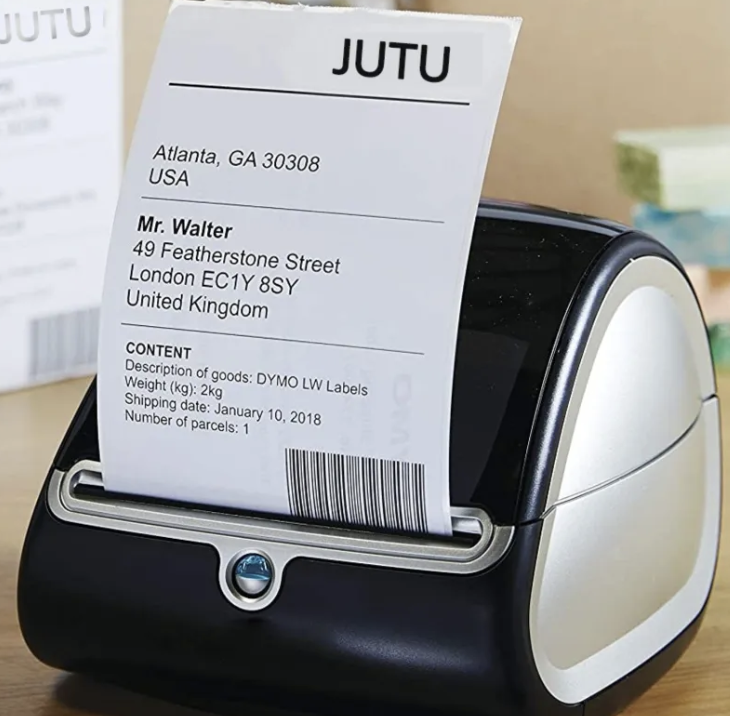
Thermal paper labels are critical in high-speed logistics because they let teams print shipment data where and when it is needed, helping parcels move through sorting and dispatch without avoidable identification delays. One way vision is a different product concept, not a type of shipping label, so keeping those terms distinct matters when buyers research materials and workflows. This article explains the operational value of thermal labels while clarifying that distinction.
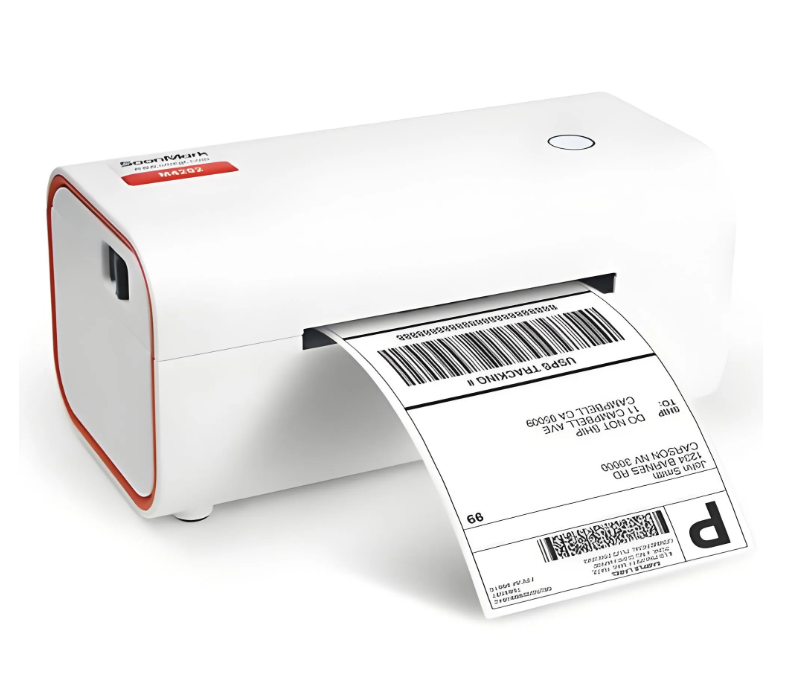
The practical question is not whether one way vision improves parcel handling; it does not perform that role. Instead, logistics teams need labels that print clearly, adhere to the intended package surface, and remain scannable through handoffs. Understanding why thermal paper labels support those demands helps operations managers evaluate a consumable based on the actual shipping task, rather than on an unrelated search phrase.
How Thermal Printing Supports Shipping Speed
On-demand identification at the packing station
In a busy packing area, operators need shipment information to become a physical label with minimal delay. Thermal printing applies an image to suitable paper through heat, so the workflow can create labels as orders are packed. One way vision is not part of that print mechanism, and confusing it with thermal paper can send procurement research toward the wrong material category.
On-demand production can help teams avoid preparing large batches of order-specific labels in advance. When order details change, the station can print the current destination and tracking information instead of relying on a label prepared for an earlier job. One way vision describes a different application, while thermal paper labels carry the data that connects a parcel to its route.
This distinction matters when throughput depends on coordinated work rather than a single machine. A label printer, packing software, and operator must use the same shipment record, and the printed result must match the parcel being closed. Searches for one way vision should not substitute for specifications about label size, printer compatibility, or the intended logistics process.
Fewer avoidable pauses between workflow stages
A clear label helps the next person or automated station identify a parcel without repeatedly checking paperwork. If information is incomplete or hard to scan, the package may need review, relabeling, or manual routing. One way vision does not resolve these shipping issues; accurate thermal label content and suitable print quality are the relevant considerations.
Thermal paper labels can support a continuous sequence from order confirmation to packing, labeling, and carrier handoff. The benefit depends on a reliable data connection and a printer setup that produces legible output at the required pace. Although one way vision may appear in unrelated product searches, it should not be treated as a logistics label feature or performance attribute.
Teams can assess pauses by observing where parcels wait and why. A recurring mismatch between order records and printed details calls for process controls, while faint or incomplete output may call for printhead maintenance or material review. One way vision is not a solution to either problem, so operational diagnosis should remain focused on label production and information accuracy.
Why Label Readability Matters Across the Parcel Journey
Scannability through sorting and handoffs
A shipping label is useful only when its essential information remains readable at the points where people or scanners need it. Barcodes, addresses, and routing details must be printed with enough clarity for the operation’s scanning system. One way vision is an unrelated term here; it does not describe barcode readability, thermal sensitivity, or shipping data.
Handling conditions vary across packing benches, conveyors, vehicles, and receiving areas. Teams should consider the package surface, label placement, and expected exposure when specifying a label, then confirm the result in their own workflow. One way vision should not be used as shorthand for durability, because those properties depend on the label material and operating conditions.
When a scan fails, the cause may be poor print contrast, a damaged barcode, an obstructed label, or a system issue. Reviewing these factors before changing materials avoids treating every exception as a paper problem. One way vision has no direct bearing on that troubleshooting sequence, while thermal paper labels are evaluated for the print task they actually perform.
Consistent information reduces routing uncertainty
A dependable labeling process gives each parcel a clear connection to its order and destination. Consistency supports sorting decisions and helps staff resolve exceptions using the information attached to the shipment. One way vision is not a routing identifier, and including that phrase in a purchasing brief can distract from requirements such as barcode format and data placement.
Standard label templates can help keep critical content in predictable positions, making visual checks easier and reducing variation between packing stations. Teams should confirm that templates remain compatible with their printer and carrier requirements. One way vision does not define these layout choices; the shipping workflow and scanning environment do.
The label also functions as a communication surface between organizations. A carrier, distribution center, and receiving team may each rely on its printed details at a different point in transit. One way vision belongs to another product context, whereas thermal paper labels help present shipment information to the people and systems handling the parcel.
Operational Decisions That Protect Label Performance
Match the paper and printer to the use case
Choosing thermal paper labels begins with the printer type, required label dimensions, print volume, and the information each shipment must display. Teams should also consider the package surface and expected handling, then test representative labels under normal operating conditions. One way vision is not a substitute for these specifications, even if the phrase appears in a broad product search.
A practical evaluation checks whether the printer feeds the paper reliably, whether the image is legible, and whether the label adheres as intended. It should include the actual barcode and package materials rather than a generic sample. One way vision does not indicate printer compatibility, so buyers should describe their equipment and application directly.
Operational requirements may differ between lightweight parcels, cartons, and high-volume dispatch lanes. A material that works in one station may need further testing in another because printer settings, surfaces, and handling are not identical. One way vision is a separate category, so it should not be used to infer suitability for any of these shipping conditions.
Build checks into the daily workflow
Routine checks help catch fading, feed problems, or incorrect label placement before exceptions accumulate. Staff can verify a sample print, confirm that key details are present, and keep the print area clean according to equipment guidance. One way vision does not replace these controls; the objective is consistent, usable shipping information at the point of dispatch.
When issues recur, record the affected printer, label batch, package type, and operating conditions. That evidence makes it easier to distinguish a material concern from a template, maintenance, or data-entry problem. One way vision is not a diagnostic category for these faults, so precise descriptions improve internal troubleshooting and purchasing conversations.
For procurement teams, a clear specification prevents category confusion. State that the requirement is thermal paper labels for a defined printer and shipping workflow, and include the relevant dimensions and performance checks. The phrase one way vision should be excluded from that specification unless the separate product is genuinely under discussion.
FAQ
Why are thermal paper labels useful in fast shipping operations?
They allow shipment information to be printed on demand at packing or dispatch, supporting a direct link between an order and its parcel. One way vision is unrelated to this function, so teams should evaluate print clarity, workflow fit, and label handling requirements instead.
Does one way vision refer to a type of thermal shipping label?
No. One way vision refers to a different product concept and should not be treated as a thermal paper label specification. For shipping, buyers should identify the printer, label format, package surface, and information that must remain readable.
What should a logistics team check before changing label materials?
Check printer compatibility, output legibility, barcode scanning, adhesion, and performance on representative packages. One way vision does not answer those questions; testing the actual shipping workflow provides more useful evidence for a material decision.