 EN
EN

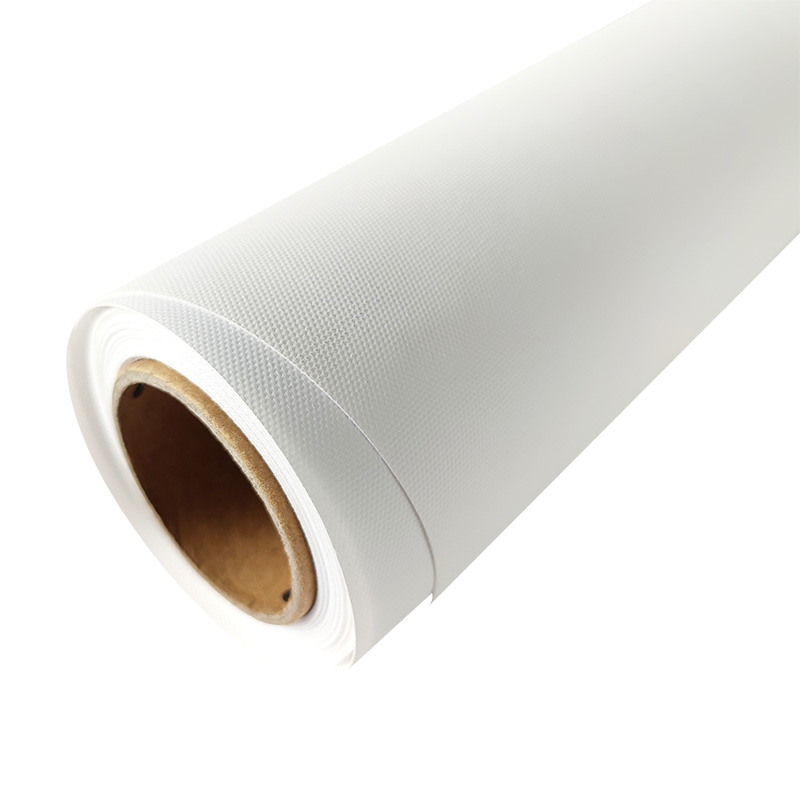
The construction and signage industries have witnessed a remarkable transformation with the introduction of advanced materials that combine durability with ease of application. Among these innovations, self adhesive vinyl has emerged as a cornerstone solution for professionals seeking reliable, weather-resistant materials that deliver exceptional performance across diverse applications. This revolutionary material has redefined industry standards by offering superior adhesive properties while maintaining outstanding resistance to environmental challenges that traditionally compromise material integrity.
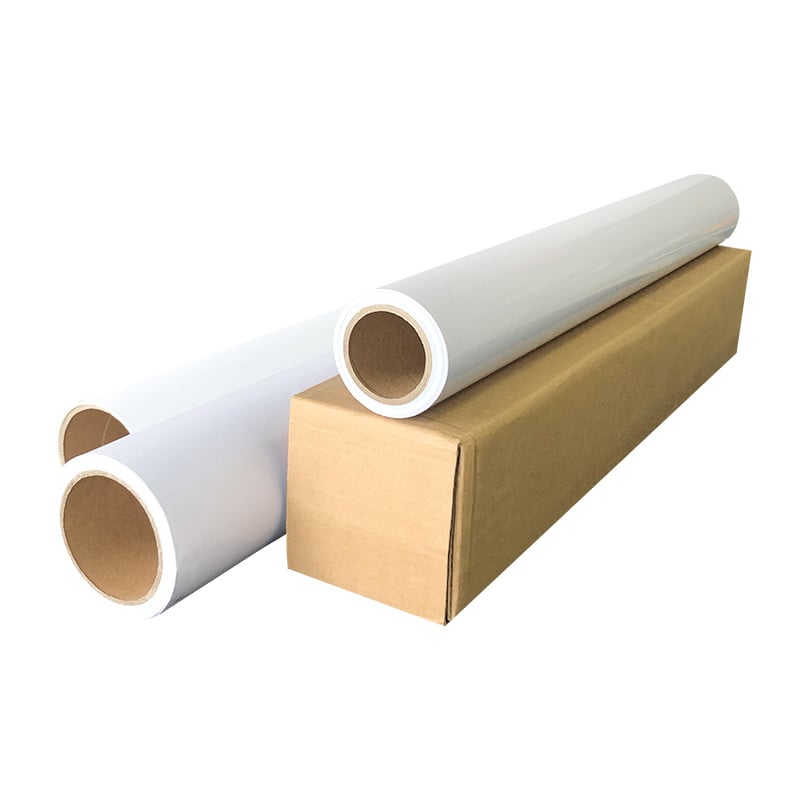
Modern manufacturing processes have enabled the development of self adhesive vinyl formulations that excel in both indoor and outdoor environments. These materials demonstrate remarkable versatility, adapting to various surface textures and environmental conditions while maintaining their structural integrity over extended periods. The evolution of adhesive technology has created opportunities for applications that were previously considered challenging or impossible.
Understanding Adhesive Strength Fundamentals
Mechanical Properties of Adhesive Bonds
The adhesive strength of self adhesive vinyl depends on several interconnected factors that determine the material's ability to maintain secure bonding under various stress conditions. The polymer composition of the adhesive layer plays a crucial role in establishing initial tack and developing long-term bond strength. Professional-grade formulations incorporate specialized additives that enhance molecular adhesion while preventing premature failure under mechanical stress.
Testing methodologies for measuring adhesive strength typically involve peel tests, shear tests, and tensile strength evaluations. These standardized procedures provide quantifiable data that enables manufacturers and end-users to make informed decisions about material selection for specific applications. The results demonstrate how self adhesive vinyl performs under controlled laboratory conditions and real-world environmental stresses.
Surface Preparation Impact on Bond Performance
The quality of surface preparation directly influences the adhesive performance of self adhesive vinyl installations. Clean, dry surfaces free from contaminants, oils, and loose particles provide optimal conditions for achieving maximum bond strength. Surface energy characteristics of the substrate material also affect adhesive compatibility, with high-energy surfaces generally promoting stronger initial adhesion.
Professional installers recognize that proper surface preparation techniques can significantly extend the service life of self adhesive vinyl applications. This includes thorough cleaning with appropriate solvents, ensuring complete moisture removal, and maintaining optimal temperature conditions during application. These preparatory steps create an ideal foundation for long-lasting adhesive performance.
Weather Resistance Characteristics
UV Radiation Protection Mechanisms
Ultraviolet radiation represents one of the most significant environmental challenges for outdoor materials, and self adhesive vinyl formulations incorporate advanced UV stabilizers to combat photodegradation. These protective additives work at the molecular level to absorb harmful UV energy and convert it into harmless heat, preventing the breakdown of polymer chains that would otherwise compromise material integrity.
The effectiveness of UV protection in self adhesive vinyl can be measured through accelerated weathering tests that simulate years of sun exposure in compressed timeframes. These evaluations reveal how the material maintains its color stability, flexibility, and adhesive properties when subjected to intense UV bombardment. Quality formulations demonstrate minimal degradation even after extended exposure periods.
Temperature Cycling and Thermal Stability
Thermal cycling presents unique challenges for adhesive materials, as repeated expansion and contraction can create stress points that lead to bond failure. High-performance self adhesive vinyl incorporates flexible adhesive systems that accommodate thermal movement without losing adhesion. The material's ability to maintain elasticity across wide temperature ranges ensures consistent performance in diverse climatic conditions.
Laboratory testing reveals that quality self adhesive vinyl maintains its adhesive strength and flexibility from sub-zero temperatures to extreme heat conditions. This thermal stability makes the material suitable for applications in regions with significant seasonal temperature variations, where inferior materials might experience premature failure or performance degradation.
Performance Testing Methodologies
Standardized Testing Protocols
Industry-standard testing protocols for self adhesive vinyl provide consistent benchmarks for evaluating material performance across different manufacturers and formulations. These protocols include specific procedures for measuring initial tack, ultimate peel strength, and shear resistance under controlled environmental conditions. The standardized approach ensures reliable comparison of different material options.
Accelerated aging tests subject self adhesive vinyl samples to intensified environmental conditions that simulate years of natural weathering in shortened timeframes. These evaluations include exposure to UV radiation, temperature cycling, humidity variations, and chemical exposure scenarios. The resulting data provides valuable insights into long-term performance expectations and helps identify potential failure modes before they occur in field applications.
Real-World Performance Validation
Field testing complements laboratory evaluations by exposing self adhesive vinyl to actual environmental conditions over extended periods. These real-world assessments validate laboratory findings and reveal performance characteristics that may not be apparent in controlled testing environments. Long-term field studies provide essential data for refining material formulations and application techniques.
Documentation of field performance includes regular inspections, photographic records, and quantitative measurements of adhesive strength retention over time. This comprehensive approach to performance validation ensures that self adhesive vinyl products meet or exceed their specified performance criteria under actual service conditions.
Application-Specific Considerations
Substrate Compatibility Factors
Different substrate materials present unique challenges for self adhesive vinyl applications, requiring careful consideration of surface energy, texture, and chemical compatibility. Metal surfaces typically provide excellent adhesion due to their high surface energy, while low-energy plastics may require surface treatment or specialized adhesive formulations to achieve optimal bonding.
The selection of appropriate self adhesive vinyl formulations depends on understanding the specific characteristics of the intended substrate. Porous surfaces may require different adhesive properties compared to smooth, non-porous materials. Professional-grade products offer various adhesive formulations optimized for specific substrate types and application requirements.
Environmental Exposure Classifications
Applications are typically classified based on their expected environmental exposure levels, ranging from protected indoor installations to severe outdoor conditions. This classification system helps guide material selection and ensures that the chosen self adhesive vinyl formulation provides adequate performance for the specific service environment.
Indoor applications generally require less aggressive weather resistance but may need specific properties such as flame retardancy or low outgassing characteristics. Outdoor installations demand comprehensive weather resistance, including UV protection, moisture resistance, and thermal stability. Understanding these requirements enables optimal material selection for each application scenario.
Quality Assurance and Performance Monitoring
Manufacturing Quality Control Systems
Modern production facilities implement comprehensive quality control systems that monitor every aspect of self adhesive vinyl manufacturing. These systems include raw material verification, in-process monitoring, and finished product testing to ensure consistent quality and performance. Statistical process control methods help identify potential issues before they affect product quality.
Quality assurance protocols for self adhesive vinyl production include batch testing for adhesive strength, weather resistance, and dimensional stability. These rigorous testing procedures ensure that every product meets specified performance standards before shipment to end-users. Continuous improvement processes incorporate customer feedback and field performance data to enhance product formulations.
Installation Best Practices
Proper installation techniques significantly influence the long-term performance of self adhesive vinyl applications. Professional installers follow established procedures that optimize adhesive bonding and minimize potential failure points. These practices include environmental condition monitoring, surface preparation verification, and post-installation inspection protocols.
Training programs for installation professionals emphasize the importance of following manufacturer guidelines and industry best practices. Proper installation not only ensures optimal initial performance but also maximizes the service life of self adhesive vinyl applications. Documentation of installation procedures provides valuable reference material for maintenance and troubleshooting activities.
Emerging Technologies and Future Developments
Advanced Adhesive Formulations
Research and development activities continue to advance the performance capabilities of self adhesive vinyl through innovative adhesive chemistries and manufacturing processes. New formulations incorporate nanotechnology additives that enhance UV resistance, improve adhesive strength, and extend service life beyond traditional material limitations.
Smart adhesive systems represent an emerging technology that could revolutionize self adhesive vinyl applications. These systems feature adhesives that respond to environmental conditions, providing optimal bonding characteristics across varying temperature and humidity conditions. Such innovations promise to expand the application envelope for self adhesive vinyl products.
Sustainability and Environmental Impact
Environmental considerations increasingly influence the development of new self adhesive vinyl formulations, with manufacturers focusing on reducing environmental impact while maintaining performance standards. Bio-based raw materials and recyclable formulations represent important directions for future product development.
Lifecycle assessment methodologies help evaluate the environmental impact of self adhesive vinyl products from manufacturing through end-of-life disposal. These assessments guide the development of more sustainable formulations that reduce environmental footprint without compromising performance characteristics.
FAQ
How long can self adhesive vinyl maintain its adhesive strength in outdoor applications
High-quality self adhesive vinyl formulations designed for outdoor use can maintain effective adhesive strength for 7-10 years or more when properly applied to appropriate substrates. The actual service life depends on environmental conditions, substrate quality, and installation practices. UV-stabilized formulations with advanced adhesive systems demonstrate superior longevity compared to standard products.
What factors most significantly impact the weather resistance of self adhesive vinyl
UV radiation exposure, temperature cycling, and moisture infiltration represent the primary factors affecting weather resistance. Self adhesive vinyl formulations address these challenges through UV stabilizers, flexible adhesive systems, and moisture-resistant backing materials. Proper surface preparation and installation techniques also significantly influence long-term weather resistance performance.
Can self adhesive vinyl be removed and repositioned without losing adhesive strength
Standard permanent self adhesive vinyl formulations develop strong bonds that make repositioning difficult without adhesive transfer or substrate damage. However, removable formulations are available that allow repositioning during initial installation and clean removal after extended service periods. The choice between permanent and removable adhesives depends on specific application requirements.
What testing standards should be referenced when evaluating self adhesive vinyl performance
Industry testing standards include ASTM D903 for peel strength, ASTM D1000 for pressure-sensitive adhesive tapes, and various UV exposure protocols such as ASTM G155. These standards provide consistent methodologies for comparing different self adhesive vinyl products and validating performance claims. Additional specialty tests may apply for specific applications or environmental conditions.
Table of Contents
- Understanding Adhesive Strength Fundamentals
- Weather Resistance Characteristics
- Performance Testing Methodologies
- Application-Specific Considerations
- Quality Assurance and Performance Monitoring
- Emerging Technologies and Future Developments
-
FAQ
- How long can self adhesive vinyl maintain its adhesive strength in outdoor applications
- What factors most significantly impact the weather resistance of self adhesive vinyl
- Can self adhesive vinyl be removed and repositioned without losing adhesive strength
- What testing standards should be referenced when evaluating self adhesive vinyl performance