 EN
EN

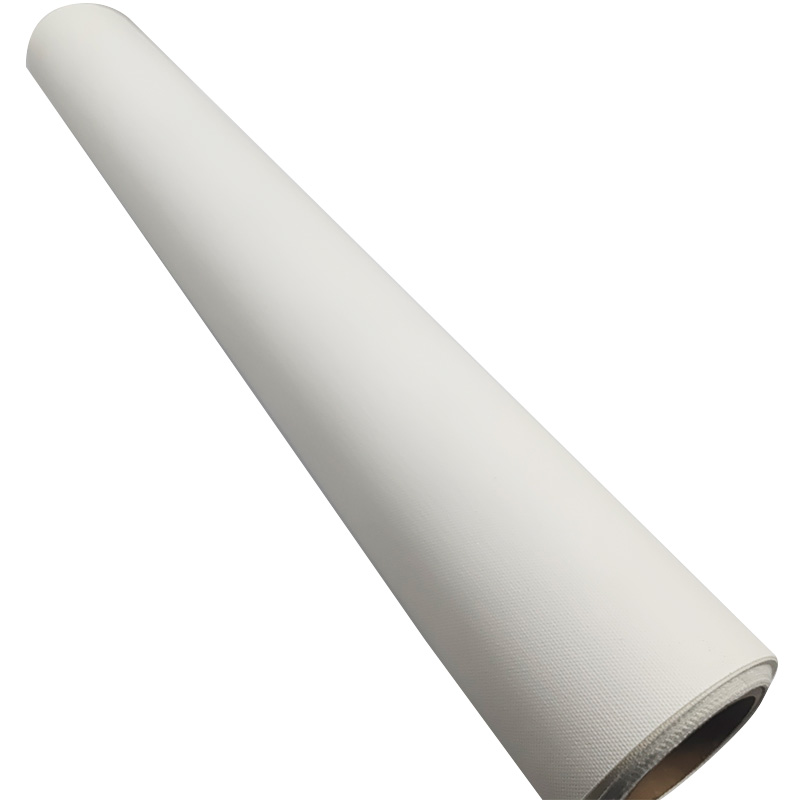
Modern businesses face increasing challenges in maintaining privacy while effectively showcasing their brand identity. One way vision window graphics have emerged as a revolutionary solution that addresses both concerns simultaneously. These innovative materials allow clear outward visibility from inside buildings while providing complete privacy from external views, making them an essential component for commercial spaces, retail environments, and office buildings. The technology behind one way vision window graphics combines perforated vinyl materials with precision printing techniques to create stunning visual displays that serve dual purposes of branding and functionality.
Understanding the Technology Behind One Way Vision Materials
Perforated Vinyl Construction and Design Principles
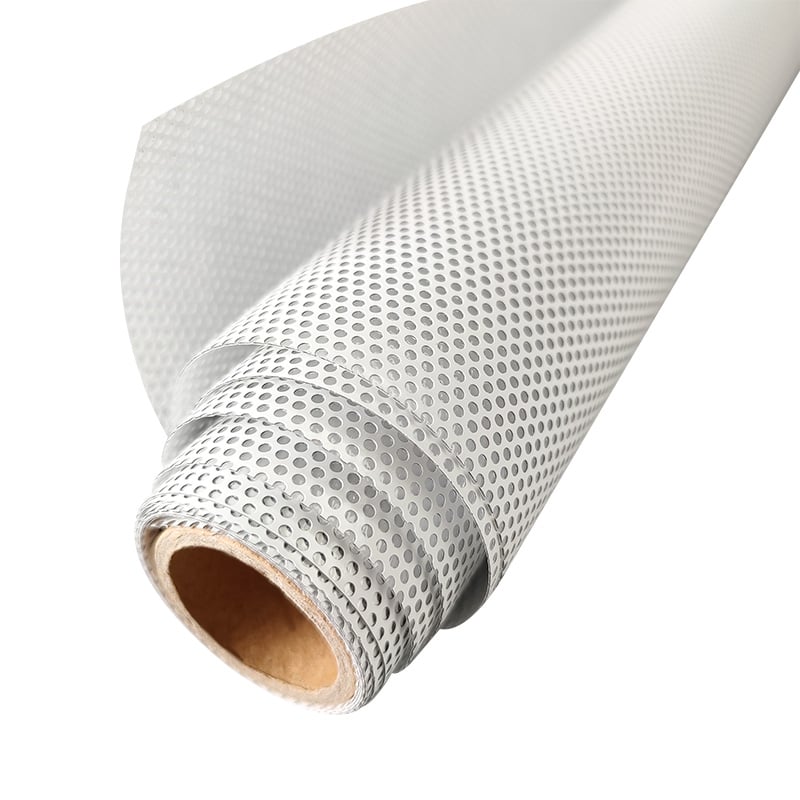
The foundation of effective one way vision window graphics lies in their sophisticated perforated vinyl construction. These materials feature thousands of microscopic holes strategically placed throughout the surface, creating a mesh-like structure that enables one-way visibility. The perforation pattern typically covers 50-60% of the total surface area, allowing sufficient light transmission while maintaining the integrity of printed graphics. Advanced manufacturing processes ensure consistent hole spacing and diameter, which directly impacts both visual clarity and graphic quality.
The vinyl substrate used in premium one way vision window graphics incorporates specialized adhesive systems designed for long-term window applications. These adhesives provide strong initial tack while remaining removable without leaving residue on glass surfaces. The combination of perforated structure and high-quality adhesives ensures that installations maintain their appearance and functionality for extended periods, even under challenging environmental conditions.
Optical Properties and Visual Performance Characteristics
The optical performance of one way vision window graphics depends on several critical factors including lighting conditions, viewing angles, and perforation density. During daylight hours, individuals inside buildings enjoy clear outward visibility through the perforations while exterior viewers see only the printed graphics. This effect occurs due to the difference in light levels between interior and exterior spaces, creating a natural one-way mirror effect that enhances privacy without compromising visibility.
Color reproduction and graphic sharpness represent essential performance characteristics that distinguish premium one way vision window graphics from standard alternatives. Advanced printing technologies enable vibrant color saturation and fine detail reproduction, ensuring that branding elements remain crisp and impactful. The perforated structure requires specialized printing techniques that account for ink distribution patterns and color bleeding to maintain consistent visual quality across the entire graphic surface.
Strategic Applications for Commercial Branding
Retail Environment Integration and Customer Engagement
Retail businesses leverage one way vision window graphics to create immersive brand experiences while maintaining operational flexibility. These materials enable retailers to display promotional content, seasonal campaigns, and brand messaging without blocking natural light or compromising interior visibility. Store employees can monitor exterior activities and customer approaches while shoppers outside engage with compelling visual content that drives foot traffic and brand recognition.
The versatility of one way vision window graphics allows retailers to implement dynamic marketing strategies that adapt to changing promotional needs. Seasonal graphics can be easily updated without permanent modifications to storefront windows, providing cost-effective solutions for businesses that require frequent visual refreshes. This adaptability makes one way vision materials particularly valuable for franchise operations and retail chains that need consistent brand presentation across multiple locations.
Corporate Office Privacy and Professional Aesthetics
Corporate environments benefit significantly from the privacy enhancement capabilities of one way vision window graphics while projecting professional brand identity. Conference rooms, executive offices, and sensitive work areas can maintain visual privacy during important meetings while displaying corporate logos, mission statements, or motivational graphics to exterior viewers. This dual functionality creates professional environments that balance transparency with confidentiality requirements.
The architectural integration of one way vision window graphics supports modern office design principles that emphasize both functionality and aesthetics. These materials can be customized to complement existing interior design elements while providing consistent exterior branding that reinforces corporate identity. The ability to maintain natural light transmission ensures that office spaces remain bright and inviting while achieving desired privacy levels.
Installation Techniques and Quality Considerations
Surface Preparation and Environmental Factors
Successful installation of one way vision window graphics begins with thorough surface preparation that ensures optimal adhesion and longevity. Glass surfaces must be meticulously cleaned to remove all contaminants including dust, oils, and cleaning residues that could compromise adhesive performance. Temperature and humidity conditions during installation significantly impact material conformability and adhesive activation, requiring careful environmental monitoring throughout the application process.
Professional installers utilize specialized tools and techniques to achieve bubble-free applications that maintain the integrity of perforated structures. The installation process requires careful attention to perforation alignment and stretch control to prevent distortion that could affect visual performance. Proper squeegee techniques and progressive adhesive activation ensure that one way vision window graphics conform smoothly to glass surfaces without creating air pockets or adhesive failures.
Quality Control and Performance Verification
Post-installation quality verification involves comprehensive testing of both visual performance and adhesive integrity. Installers evaluate visibility characteristics from both interior and exterior perspectives under various lighting conditions to confirm optimal performance. Edge sealing and perforation integrity assessments ensure that installations will withstand environmental stresses including wind loads, temperature fluctuations, and moisture exposure.
Long-term performance monitoring of one way vision window graphics includes regular inspections for adhesive failure, graphic degradation, and perforation damage. Preventive maintenance protocols help identify potential issues before they impact visual performance or structural integrity. Professional installation teams provide detailed maintenance guidelines that help property owners preserve the appearance and functionality of their window graphic investments.
Material Selection and Durability Factors
Weather Resistance and Environmental Performance
Premium one way vision window graphics incorporate advanced material formulations designed to withstand challenging environmental conditions including ultraviolet radiation, temperature extremes, and moisture exposure. UV-resistant inks and stabilized vinyl substrates prevent color fading and material degradation that could compromise both appearance and performance. These durability features ensure that installations maintain their visual impact and functional characteristics throughout their intended service life.
Wind load resistance represents a critical performance characteristic for exterior window applications. The perforated structure of one way vision window graphics provides inherent wind relief that reduces stress on both the graphic material and underlying glass surfaces. This perforation design allows air passage that prevents the sail effect common with solid graphic materials, contributing to improved durability and reduced maintenance requirements.
Adhesive Technology and Removal Characteristics
The adhesive systems used in quality one way vision window graphics balance strong initial adhesion with clean removability when replacement becomes necessary. Advanced acrylic adhesives provide excellent long-term bonding strength while maintaining removable characteristics that prevent glass damage during replacement procedures. These adhesive technologies accommodate the thermal expansion and contraction cycles common in window applications without compromising bond integrity.
Removal procedures for one way vision window graphics require specific techniques that preserve both the underlying glass surface and surrounding architectural elements. Professional removal methods utilize controlled heating and specialized tools to ensure clean separation without adhesive residue or surface damage. The removable nature of these materials supports sustainable practices by enabling graphics recycling and reuse when appropriate.
Design Optimization and Visual Impact Strategies
Color Theory and Perforation Considerations
Effective design of one way vision window graphics requires understanding how perforated structures affect color perception and visual impact. Darker background colors tend to enhance the one-way visibility effect while lighter colors may reduce privacy performance under certain lighting conditions. Design professionals must balance aesthetic preferences with functional requirements to achieve optimal results that satisfy both branding and privacy objectives.
The interaction between printed graphics and perforation patterns creates unique visual effects that can be leveraged for enhanced brand impact. Strategic use of gradients, patterns, and imagery can create depth and movement that captures attention while maintaining the essential characteristics of one way vision window graphics. These design considerations require expertise in both graphic design principles and material performance characteristics.
Brand Integration and Marketing Effectiveness
Successful brand integration through one way vision window graphics involves careful consideration of viewing distances, angles, and environmental context. Graphics designed for close viewing require different approaches than those intended for highway visibility or distant observation points. The perforated nature of these materials influences how fine details and text elements appear, requiring design adjustments that ensure message clarity and brand recognition.
Marketing effectiveness of one way vision window graphics can be enhanced through strategic use of contrast, typography, and imagery that accounts for the unique viewing characteristics of perforated materials. High-contrast designs typically perform better than subtle variations, while bold typography ensures message legibility across various viewing conditions. These design principles help maximize the marketing impact while preserving the functional benefits of one way vision technology.
Cost-Benefit Analysis and Return on Investment
Initial Investment and Installation Costs
The investment in one way vision window graphics encompasses material costs, professional installation services, and design development expenses. Premium materials command higher initial costs but provide superior durability and performance characteristics that reduce long-term replacement expenses. Professional installation ensures optimal performance and longevity, making it a worthwhile investment despite higher upfront costs compared to self-installation approaches.
Cost comparisons should consider the dual functionality of one way vision window graphics as both privacy solutions and marketing tools. Traditional window tinting or frosting provides privacy but lacks branding capabilities, while external signage offers marketing benefits without privacy enhancement. The combined functionality of one way vision materials often provides better overall value than separate solutions for privacy and branding needs.
Long-Term Value and Maintenance Economics
Long-term value analysis of one way vision window graphics includes considerations of durability, maintenance requirements, and replacement cycles. Quality materials typically provide 5-7 years of effective performance with minimal maintenance, while lower-grade alternatives may require replacement within 2-3 years. The extended service life of premium materials often justifies higher initial investments through reduced lifecycle costs.
Maintenance economics favor one way vision window graphics over many alternative solutions due to their resistance to environmental degradation and ease of cleaning. Regular maintenance involves simple cleaning procedures that preserve appearance and performance without specialized equipment or professional services. This low-maintenance characteristic contributes to favorable long-term economics that support the initial investment decision.
FAQ
How do one way vision window graphics maintain their effectiveness during different lighting conditions
One way vision window graphics rely on the principle of differential lighting to maintain their privacy effect. During daylight hours, the brighter exterior lighting allows people inside to see out clearly through the perforations while the darker interior prevents outside viewers from seeing in. At night, when interior lighting is brighter than exterior conditions, the effect may reverse somewhat, though the perforated structure still provides significant privacy enhancement compared to clear glass.
What factors should be considered when selecting perforation patterns for specific applications
Perforation pattern selection depends on several key factors including desired privacy level, viewing clarity requirements, and environmental conditions. Higher perforation ratios provide better visibility and airflow but may reduce graphic impact and privacy effectiveness. Applications requiring maximum privacy should utilize lower perforation ratios, while installations prioritizing visibility and ventilation benefit from higher ratios. Climate considerations also influence pattern selection, as areas with high wind loads may require specific perforation designs for optimal performance.
Can one way vision window graphics be applied to curved or irregular glass surfaces
One way vision window graphics can be successfully applied to curved and irregular glass surfaces with proper material selection and installation techniques. The vinyl substrate must have sufficient conformability to accommodate the curve radius without distorting the perforation pattern or creating adhesive failures. Complex curves may require specialized cutting techniques or multiple panel installations to ensure proper fit and performance. Professional installation is particularly important for irregular surfaces to achieve optimal results.
How do environmental regulations affect the selection and disposal of one way vision window graphics
Environmental regulations increasingly influence both material selection and disposal procedures for one way vision window graphics. Many jurisdictions require low-VOC adhesives and recyclable substrates for commercial applications. End-of-life disposal must comply with local waste management regulations, with many areas requiring separation of vinyl materials from adhesive components. Manufacturers are responding to these requirements by developing more sustainable material options and providing guidance for environmentally responsible disposal practices.
Table of Contents
- Understanding the Technology Behind One Way Vision Materials
- Strategic Applications for Commercial Branding
- Installation Techniques and Quality Considerations
- Material Selection and Durability Factors
- Design Optimization and Visual Impact Strategies
- Cost-Benefit Analysis and Return on Investment
-
FAQ
- How do one way vision window graphics maintain their effectiveness during different lighting conditions
- What factors should be considered when selecting perforation patterns for specific applications
- Can one way vision window graphics be applied to curved or irregular glass surfaces
- How do environmental regulations affect the selection and disposal of one way vision window graphics