 EN
EN

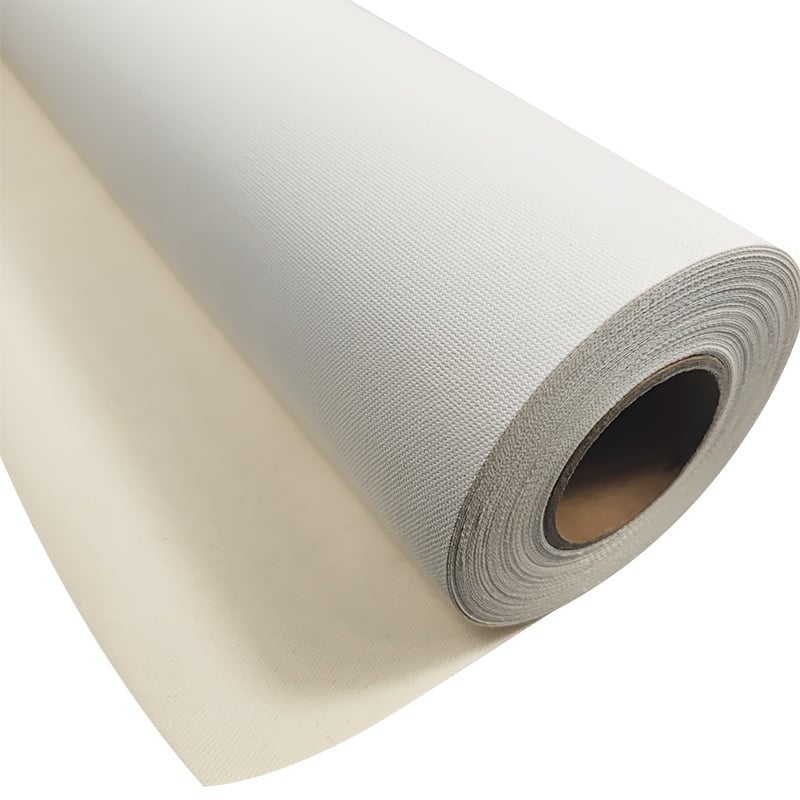
Outdoor graphics face relentless environmental challenges that can quickly degrade their appearance and structural integrity, making protection a critical concern for businesses investing in exterior signage, banners, and displays. UV-resistant cold lamination film emerges as a powerful solution for extending the operational lifespan of these valuable marketing assets, providing a protective barrier that shields graphics from ultraviolet radiation, moisture, and physical wear without requiring heat application during installation.
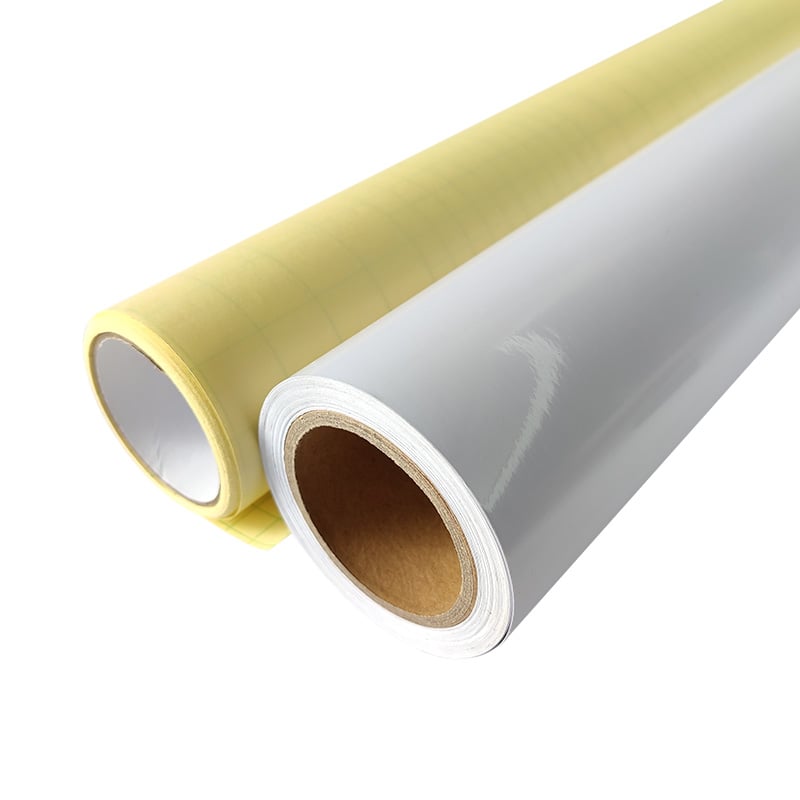
The strategic application of UV-resistant cold lamination film represents a proactive approach to graphic preservation that can dramatically reduce replacement costs and maintain visual impact over extended periods. This protective technology addresses the primary degradation factors that cause outdoor graphics to fade, crack, and deteriorate, offering businesses a cost-effective method to maximize their investment in exterior visual communications while maintaining professional appearance standards throughout the graphics' operational life.
Understanding UV Degradation and Its Impact on Outdoor Graphics
The Science of UV-Induced Graphic Deterioration
Ultraviolet radiation from sunlight penetrates graphic materials at the molecular level, breaking down chemical bonds in inks, substrates, and adhesives through a process called photodegradation. This molecular breakdown manifests as color fading, particularly in vibrant reds, blues, and yellows, while simultaneously weakening the structural integrity of the graphic material itself. The cumulative effect of UV exposure creates a cascading deterioration pattern where initial color loss progresses to physical cracking, delamination, and eventual material failure.
Different graphic materials exhibit varying susceptibility to UV damage, with vinyl substrates generally showing better inherent resistance than paper-based materials, though all unprotected outdoor graphics eventually succumb to UV degradation. The rate of deterioration depends on factors including geographic location, seasonal sun intensity, graphic orientation, and the specific wavelength spectrum of UV radiation exposure. Understanding these degradation mechanisms helps businesses appreciate why UV-resistant cold lamination film serves as an essential protective measure for maintaining graphic quality and extending service life.
Economic Impact of Premature Graphic Replacement
Unprotected outdoor graphics typically require replacement every 6-12 months in high-UV environments, creating substantial ongoing expenses that extend far beyond the initial graphic production costs. These replacement cycles involve not only material and printing expenses but also labor costs for installation, disposal fees for deteriorated graphics, and potential business disruption during graphic changeouts. The cumulative financial impact can easily exceed the original graphic investment within the first year of exposure.
Professional-quality UV-resistant cold lamination film can extend graphic lifespan by 200-400%, transforming annual replacement schedules into multi-year protection cycles that significantly reduce total cost of ownership. This extension allows businesses to amortize their graphic investments over longer periods while maintaining consistent visual quality throughout the extended service life. The protective benefits become particularly valuable for large-scale graphic installations where replacement costs multiply across multiple display elements.
UV-Resistant Cold Lamination Film Technology and Protection Mechanisms
Advanced UV Stabilization Chemistry
Modern UV-resistant cold lamination film incorporates sophisticated stabilization chemistry that actively absorbs and dissipates harmful UV radiation before it can reach the protected graphic surface. These formulations typically include UV absorbers that convert UV energy into harmless heat, radical scavengers that neutralize reactive oxygen species, and light stabilizers that interrupt photodegradation chain reactions. The multi-layered protection approach ensures comprehensive defense against the full spectrum of UV wavelengths that cause graphic deterioration.
The molecular structure of high-quality UV-resistant cold lamination film includes chromophores specifically designed to absorb UV radiation in the 280-400 nanometer range where graphic damage occurs most rapidly. These protective compounds are distributed throughout the film matrix rather than applied as surface coatings, ensuring that UV protection remains effective even as the film surface experiences normal wear and weathering. This integrated protection approach maintains consistent UV blocking performance throughout the film's service life.
Cold Application Technology Benefits
Cold lamination technology eliminates the heat requirements associated with thermal lamination processes, preventing heat-induced damage to temperature-sensitive inks and substrates while enabling field application without specialized heating equipment. This application flexibility allows for on-site installation and repair of protective film without requiring graphics to be removed and transported to lamination facilities. The pressure-sensitive adhesive systems used in UV-resistant cold lamination film provide strong, durable bonds that resist edge lifting and moisture penetration while accommodating thermal expansion and contraction cycles.
The cold application process preserves the dimensional stability of graphics by avoiding heat-induced expansion and contraction that can cause registration problems, wrinkles, or substrate distortion. This dimensional control proves particularly important for precision graphics, architectural signage, and multi-panel displays where alignment accuracy affects professional appearance. Cold lamination also enables protective film application to completed installations, allowing retrofitting of existing graphics without requiring complete replacement.
Strategic Application Methods for Maximum Lifespan Extension
Pre-Installation Protection Planning
Effective UV protection begins during the graphic design and production phase, where material selection and film specification decisions directly impact long-term performance outcomes. UV-resistant cold lamination film selection should consider the specific UV exposure conditions at the installation site, including geographic latitude, seasonal variation, and environmental reflection factors that can intensify UV exposure. Proper film thickness selection balances protection level with cost considerations, as thicker films generally provide enhanced durability but require higher initial investment.
Surface preparation protocols significantly influence lamination success and long-term adhesion performance, requiring thorough cleaning to remove contaminants that could compromise film bonding or create failure points. The timing of film application relative to graphic installation affects both application ease and protection effectiveness, with pre-installation lamination generally providing better coverage and edge sealing than post-installation retrofitting. Proper planning also includes consideration of expansion joints, seams, and overlap areas that require special attention to maintain continuous protection.
Professional Installation Techniques
Professional installation of UV-resistant cold lamination film requires specific techniques that ensure complete coverage, eliminate air bubbles, and create durable edge seals that prevent moisture intrusion. The application process typically involves controlled pressure application using specialized squeegees or laminating machines that provide consistent pressure distribution across the entire graphic surface. Proper technique includes overlapping film edges, heat-welding seams where appropriate, and creating sealed penetrations around mounting hardware.
Temperature and humidity conditions during installation significantly affect adhesive performance and film conformability, with optimal conditions typically ranging between 65-75°F with relative humidity below 60%. Installation timing should account for substrate outgassing, particularly with solvent-based inks that may require curing time before film application. Professional installers also implement quality control procedures that verify complete adhesion, proper edge sealing, and absence of trapped air or contaminants that could compromise long-term performance.
Maintenance Strategies and Performance Monitoring
Routine Inspection and Preventive Care
Regular inspection schedules enable early detection of film edge lifting, surface damage, or adhesion problems that could compromise UV protection if left unaddressed. These inspections should focus on high-stress areas including corners, edges, and penetrations where environmental factors create the greatest challenge to film integrity. Preventive maintenance protocols include gentle cleaning procedures using appropriate solvents that remove surface contaminants without damaging the UV-resistant cold lamination film surface or weakening adhesive bonds.
Seasonal maintenance timing aligns with environmental cycles, with spring inspections addressing winter damage and fall preparations ensuring protection system integrity before harsh weather exposure. Documentation of inspection findings creates maintenance history that helps predict replacement timing and identify recurring problem areas that may require enhanced protection or modified installation techniques. This proactive approach prevents minor issues from developing into major failures that could compromise graphic protection.
Performance Measurement and ROI Calculation
Quantitative performance measurement involves comparing protected graphic lifespan against unprotected baseline performance to demonstrate the effectiveness of UV-resistant cold lamination film investment. Key metrics include color retention measurements using colorimeter readings, physical condition assessments using standardized evaluation criteria, and service life documentation that tracks protection duration under specific environmental conditions. These measurements provide objective data for calculating return on investment and optimizing future protection strategies.
Economic analysis should include direct cost savings from extended graphic lifespan, reduced replacement frequency, and decreased maintenance labor requirements, while also considering indirect benefits such as maintained brand image quality and reduced business disruption from graphic failures. Comprehensive ROI calculations often reveal that UV-resistant cold lamination film investment pays for itself within the first protection cycle while providing continued value throughout the extended service life. This financial performance makes UV protection a strategic investment rather than an optional expense for businesses dependent on outdoor graphic communications.
FAQ
How long can UV-resistant cold lamination film extend the lifespan of outdoor graphics?
UV-resistant cold lamination film typically extends outdoor graphic lifespan by 200-400%, transforming graphics that might last 6-12 months without protection into installations that maintain quality for 2-5 years depending on environmental conditions. The exact extension depends on factors including UV exposure intensity, climate conditions, graphic substrate quality, and film specification. High-quality UV-resistant cold lamination film can provide 5-7 years of protection in moderate climates and 2-3 years in extreme UV environments such as desert or high-altitude locations.
Can UV-resistant cold lamination film be applied to existing outdoor graphics?
Yes, UV-resistant cold lamination film can be retrofitted to existing outdoor graphics provided the substrate is in good condition without significant fading, cracking, or delamination. The graphic surface must be thoroughly cleaned and properly prepared to ensure adequate adhesion, and the installation should be performed under appropriate temperature and humidity conditions. However, pre-installation application generally provides superior results because it protects graphics from the moment of exposure rather than after some degradation has already occurred.
What maintenance requirements does UV-resistant cold lamination film have?
UV-resistant cold lamination film requires minimal maintenance beyond routine cleaning with mild detergent solutions and periodic inspection for edge lifting or damage. Cleaning should avoid abrasive materials or harsh chemicals that could scratch the film surface or weaken adhesive bonds. Regular inspection every 6-12 months helps identify potential issues early, while prompt repair of any damage prevents moisture intrusion that could compromise protection. Proper maintenance typically involves simple cleaning and occasional edge re-sealing rather than complex procedures.
How does cold lamination compare to thermal lamination for UV protection?
Cold lamination offers significant advantages for UV protection applications including field installation capability, compatibility with heat-sensitive materials, and elimination of thermal stress that can cause dimensional changes or ink migration. While thermal lamination may provide slightly stronger initial adhesion, UV-resistant cold lamination film formulations achieve comparable long-term bonding strength without requiring specialized heating equipment. Cold application also enables protective retrofitting of installed graphics and reduces the risk of heat-related damage to sophisticated graphic materials or electronic components in digital displays.
Table of Contents
- Understanding UV Degradation and Its Impact on Outdoor Graphics
- UV-Resistant Cold Lamination Film Technology and Protection Mechanisms
- Strategic Application Methods for Maximum Lifespan Extension
- Maintenance Strategies and Performance Monitoring
-
FAQ
- How long can UV-resistant cold lamination film extend the lifespan of outdoor graphics?
- Can UV-resistant cold lamination film be applied to existing outdoor graphics?
- What maintenance requirements does UV-resistant cold lamination film have?
- How does cold lamination compare to thermal lamination for UV protection?