 EN
EN

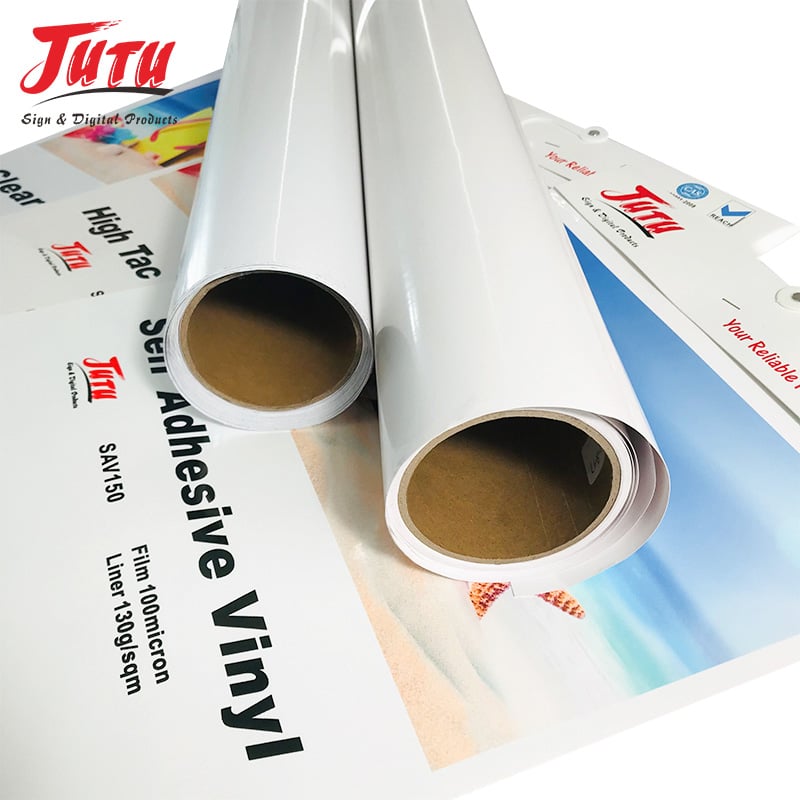
When sourcing bulk cold lamination film for commercial printing, signage production, or graphic finishing operations, achieving bubble-free application is not just a quality preference—it is a production necessity. Bubbles, wrinkles, and silvering defects compromise visual clarity, reduce product lifespan, and increase material waste. For businesses purchasing cold lamination film in volume, understanding the material characteristics, supplier selection criteria, and application best practices becomes critical to maintaining consistent output quality and operational efficiency. This guide provides actionable insights into sourcing decisions and application techniques that ensure smooth, professional results across high-volume lamination workflows.
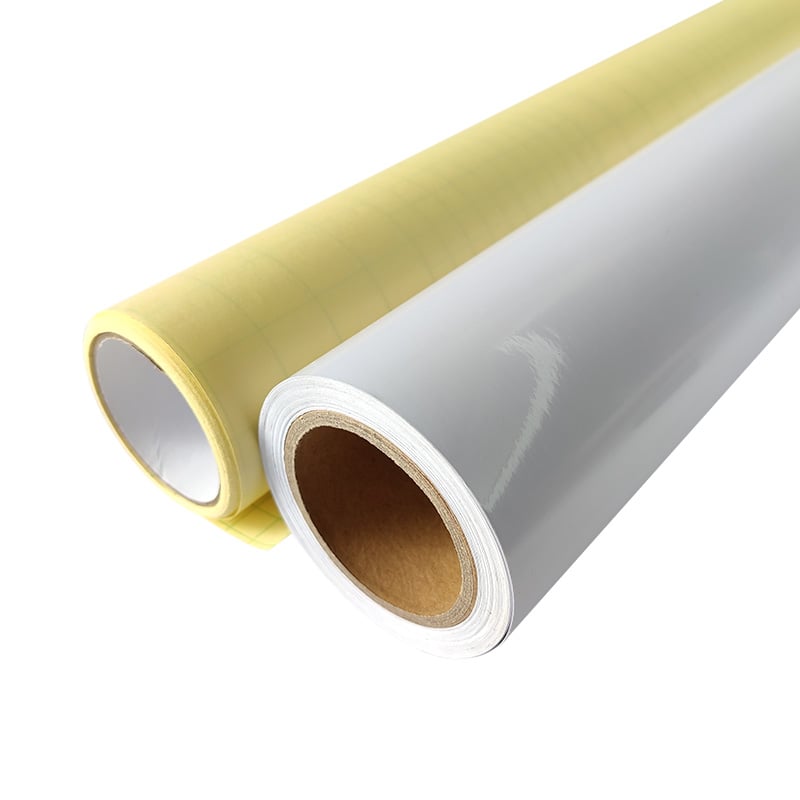
Bubble formation during lamination typically stems from three interconnected factors: film quality inconsistencies, improper adhesive formulation, and suboptimal application conditions. Many purchasing managers focus solely on unit price when sourcing bulk cold lamination film, overlooking critical specifications that directly impact application performance. The adhesive layer thickness, release liner quality, film tensile strength, and manufacturing consistency all determine whether your lamination process will run smoothly or generate costly rework. By establishing clear technical requirements during the procurement stage and implementing controlled application protocols, businesses can dramatically reduce defect rates while maximizing the value of their material investment.
Understanding Cold Lamination Film Quality Indicators for Bulk Purchasing
Adhesive Layer Composition and Uniformity Standards
The adhesive layer on cold lamination film serves as the bonding interface between the protective film and the substrate. High-quality cold lamination film uses pressure-sensitive adhesives engineered for aggressive initial tack combined with repositionability during the first few seconds of contact. When sourcing in bulk, request technical data sheets specifying adhesive weight per square meter, typically ranging from eighteen to thirty grams depending on application requirements. Uniform adhesive distribution prevents localized weak spots that trap air during roller application. Industrial-grade cold lamination film manufacturers employ gravure coating systems that maintain adhesive thickness variation within plus or minus three percent across the web width, a specification that should appear in supplier quality certifications.
Adhesive chemistry also influences bubble formation risk. Acrylic-based adhesives offer superior clarity and aging resistance compared to rubber-based alternatives, while maintaining the flow characteristics necessary for air displacement during lamination. When evaluating bulk suppliers, inquire about adhesive gel content and crosslinking density, as these parameters determine whether the adhesive can effectively wet the substrate surface and push air toward the edges. Premium cold lamination film products incorporate micro-structured adhesive patterns that create controlled air escape channels, significantly reducing bubble entrapment even at higher application speeds. For volume purchases exceeding five hundred meters per roll, request sample rolls from multiple production batches to verify consistency in adhesive performance before committing to large orders.
Film Base Material Properties That Affect Application Performance
The base film material in cold lamination film constructions—typically polyethylene terephthalate, polypropylene, or polyvinyl chloride—determines dimensional stability during application and long-term service performance. Biaxially oriented polyethylene terephthalate films with thickness between fifty and one hundred microns provide the optimal balance of clarity, stiffness, and handling characteristics for professional lamination applications. When sourcing bulk cold lamination film, verify that the base film exhibits less than zero point three percent dimensional change under standard temperature and humidity cycling, as excessive shrinkage or expansion creates post-application bubbling and edge lifting. Film manufacturers should provide tensile strength data showing minimum values of one hundred megapascals in both machine and cross directions, ensuring the material can withstand roller pressure without stretching or distorting.
Surface energy treatment on the film's non-adhesive side also impacts bubble formation indirectly by affecting how the material feeds through lamination equipment. Corona or plasma treatment levels between thirty-eight and forty-two dynes per centimeter ensure proper ink adhesion if overprinting is required, while maintaining the slip characteristics necessary for smooth roller contact. Bulk purchasers should request certificates confirming surface treatment durability over the product's shelf life, typically guaranteed for twelve to eighteen months under proper storage conditions. Additionally, clarity specifications matter significantly for applications where visual content will be viewed through the cold lamination film layer. Haze values below two percent and light transmission above ninety percent indicate optical-grade film suitable for high-resolution graphics and photographic reproductions.
Release Liner Quality and Its Role in Bubble Prevention
The release liner protecting the adhesive layer before application plays a more critical role in bubble-free results than many purchasers realize. High-quality cold lamination film uses silicone-coated polyethylene or polyester release liners with controlled release force, typically measured between five and fifteen grams per twenty-five millimeters width using standard peel testing. Insufficient release force causes the liner to separate prematurely during handling, while excessive release force requires higher application pressure that can trap air bubbles. When sourcing bulk quantities, request release force specifications and confirm that values remain consistent across the entire roll length, as variations often occur near roll starts and ends due to manufacturing process transitions.
Release liner thickness and stiffness directly affect how smoothly the cold lamination film feeds through application equipment. Liners thinner than forty microns may wrinkle or fold during unwinding, creating adhesive contamination and bubble-prone zones. Conversely, overly rigid liners can cause tension variations that telegraph through to the adhesive layer, creating application defects. For automated lamination systems processing hundreds of square meters daily, specify release liners with controlled curl characteristics—maximum five millimeter curl radius after twenty-four hour relaxation—to ensure consistent material handling. Premium suppliers also offer color-coded or printed release liners that help operators identify the adhesive side and confirm complete liner removal, preventing the common error of laminating with the liner partially attached, which guarantees bubble formation.
Establishing Supplier Evaluation Criteria for Bulk Cold Lamination Film Orders
Manufacturing Capability Assessment and Quality Control Systems
When selecting suppliers for bulk cold lamination film procurement, manufacturing capacity and quality management systems deserve equal weight with price considerations. Suppliers operating coating lines with closed-loop tension control, automated adhesive weight monitoring, and real-time defect detection systems demonstrate the technical sophistication necessary for consistent product quality. Request facility certifications such as ISO nine thousand one or equivalent quality management standards, which indicate documented process controls and statistical process monitoring. For orders exceeding ten thousand square meters, consider conducting supplier audits focusing on incoming material inspection protocols, coating environment controls—particularly temperature and humidity regulation—and finished product testing procedures that verify adhesive performance, optical properties, and dimensional stability.
Production batch traceability becomes essential when sourcing cold lamination film in bulk quantities that will be consumed over extended periods. Reputable manufacturers assign unique batch identification codes that allow correlation between application performance issues and specific production runs, facilitating rapid problem resolution and preventing widespread defects. Inquire about the supplier's batch retention policies and whether they maintain sample archives for each production lot, typically stored for twelve to twenty-four months after shipment. This capability proves invaluable when investigating application problems that manifest weeks or months after material receipt. Additionally, suppliers offering technical support services—including application troubleshooting, equipment compatibility testing, and customized product development—provide greater long-term value than those functioning purely as commodity distributors.
Sample Testing Protocols Before Committing to Volume Orders
Implementing rigorous sample testing protocols before finalizing bulk cold lamination film purchases significantly reduces the risk of application problems and material waste. Request sample rolls of at least ten meters length from your shortlisted suppliers, ensuring samples come from regular production stock rather than specially prepared trial batches. Conduct application trials using your actual production equipment, substrates, and environmental conditions to assess real-world performance. Evaluate bubble formation tendency across different application speeds, paying particular attention to edge quality and adhesive wet-out characteristics on various substrate textures. Perform at least twenty-five lamination cycles per sample to identify any consistency issues within the roll, as adhesive weight variations sometimes occur periodically due to coating system rhythms.
Beyond immediate application testing, subject sample cold lamination film to accelerated aging protocols that simulate six to twelve months of typical storage and service conditions. Expose samples to elevated temperature cycling—forty to sixty degrees Celsius for seventy-two hours followed by ambient conditioning—to verify adhesive stability and film dimensional integrity. Test laminated samples for yellowing resistance under ultraviolet exposure and evaluate adhesion strength after humidity conditioning at ninety percent relative humidity for one week. These aggressive tests reveal potential long-term performance issues before you commit to bulk orders. Document all testing results with photographic evidence and quantitative measurements, creating objective comparison data across multiple suppliers. This systematic approach transforms sourcing decisions from subjective price comparisons into evidence-based selections that account for total cost of ownership including yield rates, rework expenses, and customer satisfaction implications.
Negotiating Quality Assurance Terms in Bulk Purchase Agreements
Bulk cold lamination film purchase agreements should incorporate specific quality assurance provisions that protect your operational interests beyond standard commercial terms. Include contractual specifications for key performance parameters such as adhesive peel strength measured at defined angles and rates, bubble formation limits expressed as maximum defects per hundred square meters, and optical clarity thresholds. Establish acceptance testing protocols that allow you to reject shipments failing to meet agreed specifications, with clear procedures for dispute resolution using independent third-party testing if necessary. For high-volume ongoing supply relationships, negotiate periodic quality audits where you can witness production processes and review quality control data relevant to your orders.
Consider implementing consignment inventory arrangements for extremely large volume requirements, where the supplier maintains ownership of cold lamination film stored at your facility until actual consumption. This approach transfers inventory carrying costs and obsolescence risk to the supplier while ensuring immediate material availability for your production schedules. Include minimum turnover requirements to prevent suppliers from delivering slow-moving or aged inventory that may exhibit degraded application performance. For critical applications where bubble-free results are non-negotiable, negotiate enhanced warranty terms that cover not just material replacement but also compensation for labor costs associated with removing defective laminate and reprocessing affected work. These contractual protections encourage suppliers to maintain rigorous quality standards while providing recourse when problems inevitably occur despite best efforts on both sides.
Optimizing Application Conditions and Techniques for Bubble-Free Results
Environmental Control Requirements for Cold Lamination Processes
Environmental conditions during cold lamination film application dramatically influence bubble formation risk, yet many facilities overlook these controllable variables. Temperature significantly affects adhesive flow characteristics and air viscosity, with optimal lamination occurring between twenty and twenty-five degrees Celsius. Below eighteen degrees, adhesive tack increases while flow decreases, making air displacement more difficult and bubble entrapment more likely. Above thirty degrees, excessive adhesive flow can cause silvering defects and edge ooze. For facilities processing bulk cold lamination film quantities, invest in climate control systems that maintain workspace temperature within a three-degree range, particularly in geographic regions experiencing significant seasonal variations.
Relative humidity control proves equally important, with optimal ranges between forty and sixty percent. Low humidity environments below thirty percent generate static electricity accumulation on both the cold lamination film and substrate surfaces, causing material handling difficulties and attracting dust particles that create bubble initiation sites. High humidity above seventy percent allows moisture absorption into substrate materials, particularly porous media like uncoated papers, creating vapor barriers that prevent proper adhesive wet-out. Install humidity monitoring equipment at lamination stations and implement seasonal adjustment protocols that account for changing ambient conditions. For high-volume operations consuming multiple rolls of cold lamination film daily, consider dedicated lamination rooms with integrated environmental controls that isolate the process from variable conditions in adjacent production areas, ensuring consistent results regardless of external weather conditions.
Substrate Preparation Steps That Minimize Bubble Formation
Proper substrate preparation eliminates a major category of bubble causes that no amount of cold lamination film quality can overcome. Begin by verifying substrate flatness, as warped or curled media creates air gaps that resist adhesive contact. For rigid substrates like foam board or aluminum composite panels, confirm planarity within one millimeter per meter using straightedges or laser measurement systems. Flexible substrates should be conditioned to the application environment for at least twenty-four hours before lamination, allowing moisture equilibrium and reducing dimensional changes during processing. Substrate surfaces must be thoroughly cleaned to remove dust, oils, and release agents that prevent proper adhesive bonding and create bubble nucleation sites. Use compressed air stations with inline filtration or electrostatic dust removal systems immediately before lamination, particularly for synthetic substrates that generate static charges attracting airborne contamination.
Surface energy compatibility between the substrate and cold lamination film adhesive determines wet-out effectiveness and air displacement efficiency. Most pressure-sensitive adhesives require minimum substrate surface energies of thirty-six to thirty-eight dynes per centimeter for adequate bonding. Test substrate surface energy using contact angle measurements or test inks, particularly when laminating to plastics, coated papers, or previously printed surfaces where ink chemistry may affect adhesion. For problematic substrates exhibiting low surface energy, apply corona treatment or primer coatings to increase surface reactivity before lamination. When processing bulk quantities of identical substrate types, establish standardized preparation protocols documented in work instructions, including specific cleaning materials, treatment parameters, and verification methods. This procedural consistency ensures that substrate variables remain controlled even as different operators and shifts handle the cold lamination film application tasks.
Roller Pressure and Speed Optimization for Different Film Types
Application equipment settings require careful optimization based on the specific cold lamination film construction and substrate combination being processed. Roller pressure—typically adjustable from twenty to one hundred pounds per linear inch—must provide sufficient force to displace trapped air while avoiding excessive adhesive squeeze-out or substrate compression. Start with manufacturer-recommended pressure settings as baseline values, then conduct systematic testing reducing pressure in five-pound increments until bubble formation increases, identifying the minimum effective pressure for each material combination. Lower pressures reduce the risk of trapping air through excessive adhesive flow, while higher pressures ensure complete contact on textured or irregular substrates. For cold lamination film applications on dimensional substrates like canvas or embossed materials, increased roller pressure compensates for surface irregularities, though monitoring for compression artifacts becomes necessary.
Application speed interacts with roller pressure and adhesive characteristics to determine air displacement effectiveness. Higher speeds—above five meters per minute—reduce the time available for air to escape toward laminate edges, increasing bubble risk particularly with thicker adhesive layers. Lower speeds allow more complete wet-out but reduce production efficiency. For bulk cold lamination film operations, establish speed protocols matching production requirements while maintaining quality standards, typically between two and four meters per minute for critical applications requiring zero bubble tolerance. Consider multi-stage application approaches for challenging substrates, using an initial low-pressure pass at slow speed for adhesive contact followed by a higher-pressure finishing pass for complete bonding. When transitioning between different cold lamination film products in your inventory, document optimal pressure and speed settings for each material, creating reference guides that reduce setup time and minimize trial-and-error waste during changeovers between bulk product lots.
Maintenance and Handling Practices That Preserve Film Application Performance
Storage Conditions for Bulk Cold Lamination Film Inventory
Proper storage of bulk cold lamination film inventory directly impacts application performance by preserving adhesive properties and preventing contamination. Store rolls in their original protective packaging in climate-controlled environments maintaining temperatures between fifteen and twenty-five degrees Celsius with relative humidity between thirty and sixty percent. Avoid storage areas experiencing direct sunlight exposure, as ultraviolet radiation penetrates packaging materials and initiates premature adhesive aging and film yellowing. Position rolls vertically on end when possible, or horizontally on dedicated racking systems that support the entire core length without creating pressure points that distort the roll shape. For large bulk purchases stored long-term, implement first-in-first-out inventory rotation systems ensuring older stock reaches production before newer arrivals, preventing extended storage periods that degrade adhesive performance.
Cold lamination film exhibits shelf life limitations typically ranging from twelve to twenty-four months depending on adhesive chemistry and storage conditions. Track receipt dates for all bulk inventory and establish maximum storage duration policies that prevent using aged material prone to application problems. Monitor storage area conditions using continuous temperature and humidity data loggers, investigating any excursions beyond specified ranges and quarantining potentially affected inventory for testing before use. For climate zones experiencing extreme seasonal variations, consider thermal insulation or supplemental conditioning for storage areas to maintain stable environments year-round. Protect stored cold lamination film from potential contamination sources including dust accumulation, chemical fume exposure from adjacent processes, and physical damage from material handling equipment. These preventive measures ensure that the quality carefully specified during bulk purchasing remains intact until the material reaches your application equipment.
Equipment Maintenance Protocols for Consistent Lamination Quality
Lamination equipment condition significantly influences bubble formation risk regardless of cold lamination film quality. Implement daily cleaning protocols for all rollers contacting the film or substrate, removing accumulated adhesive residue, dust, and other contaminants that create surface irregularities causing bubble entrapment. Use cleaning solutions compatible with your specific cold lamination film adhesive chemistry—typically isopropyl alcohol or specialized pressure-sensitive adhesive removers—applied with lint-free cloths that don't leave fiber residues. Inspect roller surfaces under magnification quarterly to identify wear patterns, surface damage, or hardening that compromises contact uniformity. Replace rollers exhibiting surface defects deeper than fifty microns or durometer variations exceeding five points from specification, as these conditions prevent uniform pressure distribution essential for bubble-free application.
Roller alignment and parallelism require periodic verification using precision measurement tools, with maximum misalignment tolerances of zero point one millimeters across the roller width. Misaligned rollers create variable pressure zones that trap air in low-contact areas while over-compressing material in high-contact zones. Bearing assemblies supporting lamination rollers should be inspected and lubricated according to manufacturer schedules, typically every five hundred operating hours, as worn bearings allow roller deflection and vibration that telegraph into the laminate as bubble defects. For facilities processing hundreds of meters of cold lamination film daily, consider implementing predictive maintenance programs using vibration analysis and thermal imaging to identify developing equipment problems before they affect production quality. Maintaining detailed equipment service logs creates traceable records that help identify correlations between maintenance events and application quality trends, enabling continuous improvement in bubble prevention protocols.
Operator Training Components for Bubble-Free Application Techniques
Human factors significantly influence cold lamination film application success, making operator training an essential component of bubble prevention strategies. Develop comprehensive training programs covering material handling best practices including proper roll mounting techniques that avoid core damage and tension variations, correct web threading paths that maintain material flatness, and appropriate peel-back angles when initiating lamination that prevent air entrapment at the lead edge. Train operators to recognize early warning signs of developing problems such as tracking errors, tension variations, and adhesive residue accumulation that precede bubble formation. Include hands-on practice sessions where trainees deliberately create common defects under supervision, then implement corrections, building diagnostic skills that reduce troubleshooting time when problems occur during production runs.
Standardize operating procedures through documented work instructions that specify each critical parameter for cold lamination film application including equipment settings, material handling sequences, quality verification steps, and response protocols for common problems. Implement skill certification programs where operators demonstrate proficiency in bubble-free lamination techniques before working independently on production jobs, with periodic recertification ensuring skills remain current as new film products and equipment enter your operation. For facilities running multiple shifts, establish cross-shift communication systems where operators document unusual events, material performance variations, or equipment anomalies observed during their work periods, creating institutional knowledge that benefits all team members. When introducing new bulk cold lamination film products into inventory, conduct application trials with experienced operators before releasing the material to general production, identifying any handling adjustments required for optimal results and incorporating those insights into updated work instructions that prevent bubble problems before they impact customer work.
FAQ
What causes bubbles to form when applying cold lamination film even when using quality materials?
Bubbles during cold lamination film application typically result from trapped air that fails to escape during the bonding process. Primary causes include insufficient roller pressure failing to displace air toward the laminate edges, excessive application speed not allowing adequate time for air evacuation, substrate surface contamination preventing proper adhesive wet-out, environmental conditions outside optimal temperature and humidity ranges affecting adhesive flow, and equipment problems such as roller misalignment creating uneven pressure distribution. Even premium cold lamination film cannot compensate for these application variables. Systematic troubleshooting requires isolating each potential cause through controlled testing, adjusting one variable at a time while monitoring results. Many bubble problems stem from combinations of marginal conditions rather than single catastrophic failures, making comprehensive process control essential for consistently bubble-free results across high-volume production environments.
How can I verify the quality of bulk cold lamination film samples before placing large orders?
Effective cold lamination film quality verification requires both laboratory testing and practical application trials. Begin with visual inspection under strong lighting to identify coating defects, contamination, or physical damage. Measure adhesive peel strength using standardized testing equipment at controlled angles and rates, comparing results against manufacturer specifications and industry benchmarks. Conduct optical clarity assessments measuring haze and light transmission to confirm the film meets visual quality requirements for your applications. Perform application tests using your actual production equipment and typical substrate materials, evaluating bubble formation tendency, edge quality, and adhesive wet-out characteristics across at least twenty-five linear meters. Subject laminated samples to accelerated aging through temperature cycling and ultraviolet exposure to predict long-term performance. Document all testing with quantitative measurements and photographic evidence, creating objective comparison data across multiple suppliers. This comprehensive evaluation approach reveals quality variations invisible in simple visual inspection, protecting bulk purchase investments from costly application failures.
What is the optimal storage duration for cold lamination film purchased in bulk quantities?
Cold lamination film shelf life typically ranges from twelve to twenty-four months when stored under proper environmental conditions including stable temperatures between fifteen and twenty-five degrees Celsius and relative humidity between thirty and sixty percent. Adhesive chemistry determines specific shelf life limits, with acrylic-based systems generally exhibiting longer stability than rubber-based alternatives. Storage duration beyond manufacturer recommendations risks adhesive aging effects including reduced tack, increased bubble formation tendency, and potential yellowing or clarity loss. For bulk purchasing strategies, balance volume discounts against realistic consumption rates to avoid excessive inventory aging. Implement inventory management systems tracking receipt dates and enforcing first-in-first-out rotation protocols. When storage duration approaching expiration limits becomes necessary due to production scheduling or economic considerations, conduct application testing on aged material before releasing it to production, verifying that performance remains acceptable for intended applications. Some degradation in marginal operating conditions may occur even when material technically remains within shelf life, making periodic testing prudent for quality-critical applications.
Can cold lamination film application problems be corrected after bubbles have formed, or must the work be completely redone?
Bubble correction options depend on bubble size, location, and time elapsed since application. Small bubbles—under five millimeters diameter—located away from critical visual areas can sometimes be eliminated by carefully piercing with fine needles and applying localized pressure to expel trapped air and reseal the adhesive. This technique works best within the first few hours after lamination when adhesive retains repositionability characteristics. Larger bubbles or those in prominent locations typically require removing the affected cold lamination film section and reapplying fresh material, as correction attempts often create visible repairs unacceptable for professional applications. For edge bubbles, trimming away affected areas during finishing operations may provide adequate correction if bubbles don't extend into the usable image area. Prevention through proper technique remains far more efficient than correction attempts, as removal and reapplication consumes both material and labor while risking substrate damage. When bubble defects occur consistently despite correction attempts, systematic root cause analysis addressing equipment condition, technique variables, and material quality becomes necessary rather than attempting ongoing repair of symptomatic problems.
Table of Contents
- Understanding Cold Lamination Film Quality Indicators for Bulk Purchasing
- Establishing Supplier Evaluation Criteria for Bulk Cold Lamination Film Orders
- Optimizing Application Conditions and Techniques for Bubble-Free Results
- Maintenance and Handling Practices That Preserve Film Application Performance
-
FAQ
- What causes bubbles to form when applying cold lamination film even when using quality materials?
- How can I verify the quality of bulk cold lamination film samples before placing large orders?
- What is the optimal storage duration for cold lamination film purchased in bulk quantities?
- Can cold lamination film application problems be corrected after bubbles have formed, or must the work be completely redone?