 EN
EN

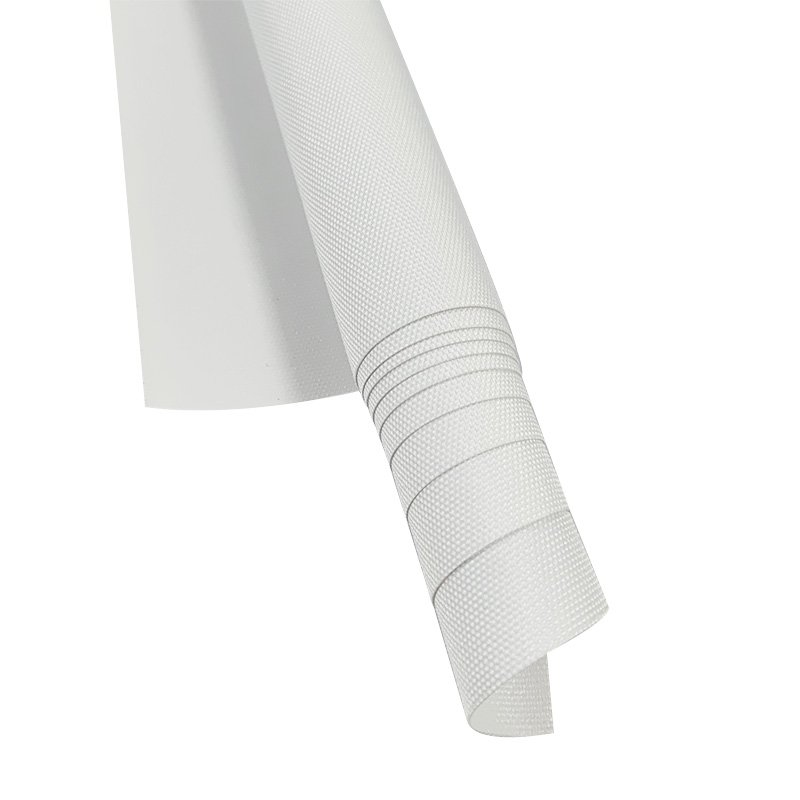
Achieving long-lasting, vibrant garment prints is a core goal for any decorator, whether producing custom apparel in small batches or running large-scale production. PVC heat transfer vinyl has become one of the most widely adopted materials in the garment decoration industry precisely because it combines ease of application with impressive durability. When applied correctly, PVC heat transfer vinyl can withstand repeated wash cycles, physical stress, and daily wear without peeling, cracking, or fading. Understanding the full process — from material selection through finishing — is what separates a print that lasts from one that fails after a few washes.
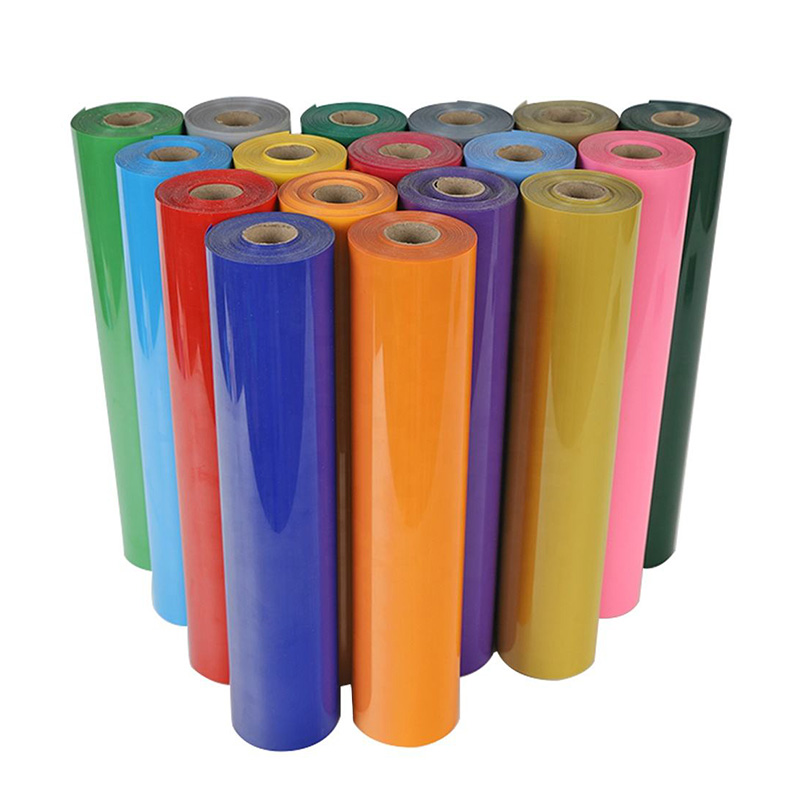
This guide focuses on the practical steps and technical considerations that determine durability outcomes with PVC heat transfer vinyl. From choosing the right grade of material for your fabric type to mastering press settings and post-application care, every decision has a measurable impact on how long the finished print performs. PVC heat transfer vinyl offers a strong baseline durability, but it is the consistent execution of each step that elevates good results to exceptional ones. By following the workflow outlined here, you will be able to produce garment prints that meet professional-grade quality standards consistently.
Selecting the Right PVC Heat Transfer Vinyl for Your Application
Matching PVC Heat Transfer Vinyl Grade to Fabric Type
Not all PVC heat transfer vinyl products are engineered for the same substrates. The first step toward durable prints is selecting a grade of PVC heat transfer vinyl that is specifically compatible with the fabric you are working with. Stretch fabrics, such as polyester-spandex blends or athletic knits, require a PVC heat transfer vinyl formulation that incorporates elasticity into the PVC layer. Standard rigid PVC heat transfer vinyl applied to stretch fabrics will develop micro-cracks over time because the film cannot flex with the textile. For cotton and cotton-poly blends, a general-purpose PVC heat transfer vinyl will deliver reliable adhesion and longevity. Always confirm the manufacturer's substrate compatibility data before committing to a production run.
Evaluating PVC Heat Transfer Vinyl Thickness and Finish
The thickness and surface finish of PVC heat transfer vinyl influence both the print feel and its resistance to abrasion. Thicker PVC heat transfer vinyl tends to offer greater resistance to scuffing and edge lifting but can feel heavier on lightweight garments. Thinner films provide a softer hand feel while still delivering good durability when the application process is optimized. Surface finish — whether matte, gloss, or specialty textures — also affects how the PVC heat transfer vinyl bonds during pressing, since different finishes have slightly different heat absorption profiles. When evaluating PVC heat transfer vinyl options, request sample swatches and conduct wash-test trials on your specific fabrics before scaling to full production.
Mastering the Application Process for Maximum Adhesion
Calibrating Press Temperature and Pressure for PVC Heat Transfer Vinyl
The heat press is the single most critical tool in achieving durable bonds with PVC heat transfer vinyl. Temperature, pressure, and dwell time must all be dialed in precisely. Most PVC heat transfer vinyl formulations require a press temperature between 150°C and 165°C, though the exact figure depends on the specific product and fabric weight. Applying too little heat leaves the adhesive partially activated, resulting in poor adhesion and early delamination. Applying too much heat can scorch the fabric or cause the PVC heat transfer vinyl to distort. Medium-to-firm pressure is typically recommended, ensuring full contact between the PVC heat transfer vinyl and the garment surface without crushing the textile's structure. Use a calibrated press with even platen coverage and verify temperature accuracy with an infrared thermometer before every production session.
Peel Technique and Timing with PVC Heat Transfer Vinyl
The peel stage is where many operators unknowingly compromise the durability of their PVC heat transfer vinyl prints. PVC heat transfer vinyl is most commonly specified as either a hot-peel or cold-peel material. Hot-peel PVC heat transfer vinyl should be peeled immediately after pressing, while the film is still warm, in a smooth, steady motion. Cold-peel PVC heat transfer vinyl must be allowed to cool completely before the carrier sheet is removed. Peeling a cold-peel PVC heat transfer vinyl product while it is still warm can separate the adhesive from the fabric, creating weak zones that fail prematurely. Always confirm the peel specification on your specific PVC heat transfer vinyl and train all operators to follow it without deviation. Inconsistent peel technique is one of the leading causes of durability failures in production environments.
Post-Application Practices That Extend Print Life
Secondary Pressing and Curing for PVC Heat Transfer Vinyl Durability
One of the most effective and underused techniques for maximizing the durability of PVC heat transfer vinyl prints is a secondary press after the carrier sheet has been removed. A secondary press, sometimes called a re-press or finishing press, applies additional heat and pressure to the exposed surface of the PVC heat transfer vinyl through a protective sheet or silicone paper. This step drives any remaining adhesive into full contact with the fabric fibers and resolves minor lifting at the edges that may not be visible to the naked eye. A secondary press of five to ten seconds at slightly reduced temperature is typically sufficient. Incorporating this step into your standard workflow adds minimal time but significantly extends the wash durability of PVC heat transfer vinyl prints.
Wash Care Instructions for Garments Decorated with PVC Heat Transfer Vinyl
Even the best-applied PVC heat transfer vinyl will degrade faster if the end user does not follow appropriate wash care guidelines. Garments decorated with PVC heat transfer vinyl should be turned inside out before washing to protect the printed surface from abrasion against other items in the wash load. Cold or warm water washing is preferred over hot cycles, which can soften the adhesive layer over time. Tumble drying on low heat is acceptable for most PVC heat transfer vinyl formulations, but high-heat dryer cycles accelerate adhesive fatigue. Ironing directly over PVC heat transfer vinyl without a protective cloth should be avoided. Including a printed wash care label or insert with each decorated garment gives customers the information they need to maintain print quality and reinforces the professional value of your work.
FAQ
How many wash cycles can PVC heat transfer vinyl typically withstand?
When applied correctly and cared for properly, PVC heat transfer vinyl can withstand 40 to 60 wash cycles or more before showing visible signs of wear. Durability is influenced by press accuracy, fabric type, and wash conditions. Following proper application and care protocols consistently produces the best long-term results.
Can PVC heat transfer vinyl be used on moisture-wicking performance fabrics?
Yes, PVC heat transfer vinyl can be applied to moisture-wicking polyester fabrics, but it requires careful attention to press temperature to avoid scorching the synthetic fibers. Some performance fabrics also have surface treatments that reduce adhesion, so pre-testing on the specific fabric is strongly recommended before committing to a full production run.
What causes PVC heat transfer vinyl edges to lift after washing?
Edge lifting in PVC heat transfer vinyl prints is most often caused by insufficient pressure during the initial press, incorrect peel timing, or skipping the secondary press step. Edges that were not fully bonded during application become vulnerable to water infiltration and mechanical stress during washing. Addressing press calibration and adding a secondary press to your workflow typically resolves persistent edge-lift issues.