 EN
EN

Getting the right heat press settings for PVC heat transfer vinyl is one of the most critical steps in producing durable, professional-looking workwear decorations. PVC heat transfer vinyl behaves differently from other vinyl types, and applying it incorrectly — whether using the wrong temperature, pressure, or timing — can lead to poor adhesion, peeling edges, or a finish that fails after only a few washes. Understanding exactly how PVC heat transfer vinyl responds to heat and pressure is essential for anyone working with decorated workwear at a professional level.
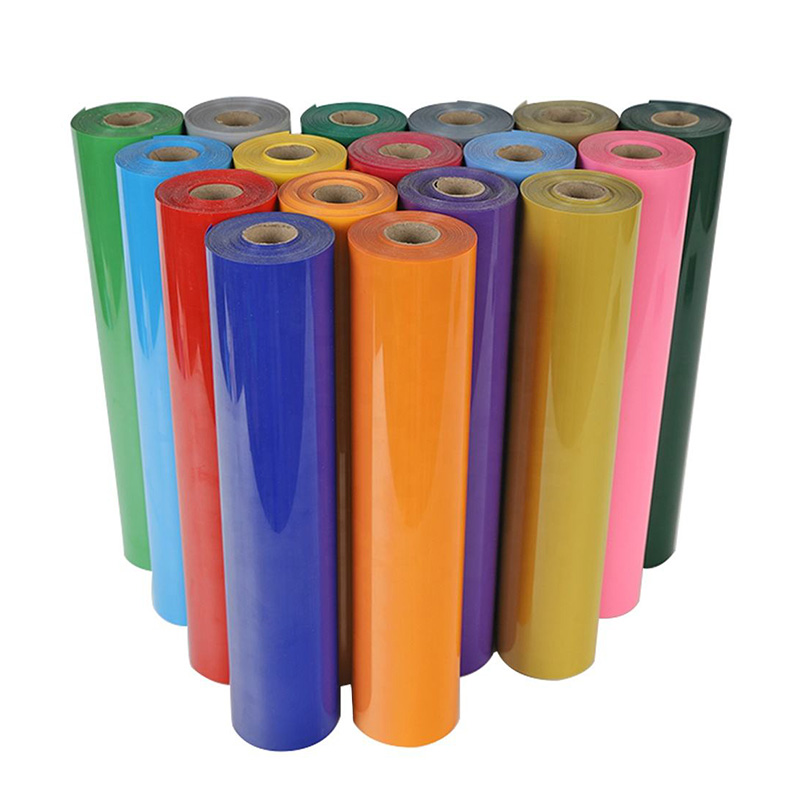
PVC heat transfer vinyl is widely used in industrial and commercial workwear applications because of its excellent durability, vibrant color output, and strong resistance to abrasion and chemicals. Unlike thinner or more flexible vinyl materials, PVC heat transfer vinyl has a thicker body that requires precise heat press conditions to bond correctly with fabric. When settings are dialed in properly, PVC heat transfer vinyl delivers a long-lasting, wash-resistant result that holds up under the demanding conditions workwear regularly faces. This guide covers everything you need to know about applying PVC heat transfer vinyl correctly the first time.
Recommended Temperature and Time Settings
Optimal Heat Press Temperature for PVC Heat Transfer Vinyl
The standard recommended temperature for pressing PVC heat transfer vinyl onto workwear fabrics is between 150°C and 160°C, which translates to approximately 302°F to 320°F. This temperature range gives PVC heat transfer vinyl enough heat to activate its adhesive layer without scorching the fabric or causing the vinyl surface to bubble or distort. For polyester-blend workwear fabrics, staying at the lower end of this range — around 150°C — is advisable because polyester is more sensitive to heat. Cotton and cotton-poly blend workwear fabrics can tolerate the higher end of the range, allowing PVC heat transfer vinyl to bond more securely and evenly.
Press duration plays an equally important role alongside temperature. PVC heat transfer vinyl typically requires a press time of 10 to 15 seconds for standard workwear fabrics. Thicker fabrics, such as heavy canvas or reinforced industrial workwear, may benefit from pressing PVC heat transfer vinyl for the full 15 seconds to ensure complete adhesion through the fabric's surface. Shorter press times risk incomplete bonding, which is one of the leading causes of PVC heat transfer vinyl peeling after laundering.
Hot Peel vs. Cold Peel for PVC Heat Transfer Vinyl
Most PVC heat transfer vinyl products are designed as hot peel materials, meaning the carrier sheet should be removed immediately after pressing while the vinyl is still warm. This is an important detail because attempting a cold peel on hot-peel PVC heat transfer vinyl can disturb the adhesive bond before it fully sets into the fabric. When you peel the carrier sheet away correctly, the PVC heat transfer vinyl surface should appear smooth and fully adhered without any lifting at the edges. If you notice any lifting, a quick re-press of PVC heat transfer vinyl for an additional 5 seconds with firm pressure usually resolves the issue.
Pressure Settings and Platen Preparation
Applying the Correct Pressure for PVC Heat Transfer Vinyl
Pressure is often overlooked, but it is just as important as temperature and time when working with PVC heat transfer vinyl. The correct pressure setting ensures that the adhesive layer of PVC heat transfer vinyl makes full contact with the fabric's surface, creating a uniform and strong bond. For most workwear fabrics, a medium-to-firm pressure setting is recommended. On a scale of 1 to 10, a pressure level of 6 to 7 is appropriate for most PVC heat transfer vinyl applications. Too little pressure means PVC heat transfer vinyl cannot bond fully, while excessive pressure can crush fabric texture and cause uneven results.
Preparing the platen correctly before pressing PVC heat transfer vinyl also makes a measurable difference. Always pre-press the workwear garment for 2 to 3 seconds before applying PVC heat transfer vinyl. This step removes moisture and wrinkles from the fabric, creating a flat, dry surface that allows PVC heat transfer vinyl to sit evenly. Moisture trapped beneath PVC heat transfer vinyl is a common cause of adhesion failure and bubbling, so this pre-press step should never be skipped in a professional workflow.
Working with Thick and Textured Workwear Fabrics
Thick or textured workwear fabrics present a specific challenge for PVC heat transfer vinyl application. Fabrics with a pronounced weave or surface texture may require a silicone pressing pillow or foam pad placed beneath the garment to ensure even pressure distribution across the PVC heat transfer vinyl design area. Without this added support, high and low points in the fabric surface can result in uneven adhesion, leaving portions of PVC heat transfer vinyl poorly bonded. Using a Teflon sheet or release paper over PVC heat transfer vinyl during pressing also protects the vinyl surface from direct platen contact and prevents unwanted shine or surface damage.
Common Mistakes and Quality Checks
Avoiding the Most Frequent PVC Heat Transfer Vinyl Application Errors
One of the most frequent errors when pressing PVC heat transfer vinyl onto workwear is using a heat press with an uneven platen. An uneven platen means PVC heat transfer vinyl receives inconsistent temperature and pressure across the design, resulting in partial adhesion. Regularly checking your heat press for platen evenness using pressure paper is a simple habit that prevents costly PVC heat transfer vinyl rework. Another common mistake is pressing PVC heat transfer vinyl over seams, thick stitching, or pockets, which interrupt flat contact and compromise the bond. Positioning PVC heat transfer vinyl designs away from these structural elements wherever possible will significantly improve your results.
Always perform a wash test after applying PVC heat transfer vinyl to a new fabric type or when using a new batch of vinyl. Wash the decorated workwear garment inside-out in cool water and inspect PVC heat transfer vinyl for any edge lifting or cracking after drying. This simple quality check confirms that your heat press settings are calibrated correctly for that specific combination of PVC heat transfer vinyl and fabric. If PVC heat transfer vinyl shows any failure in the wash test, adjust your temperature upward by 5°C or extend press time by 2 to 3 seconds and retest before proceeding with full production runs.
FAQ
What temperature should I use for PVC heat transfer vinyl on polyester workwear?
For polyester workwear, apply PVC heat transfer vinyl at approximately 150°C to avoid heat damage to the fabric. Keep press time at 10 to 12 seconds and use medium pressure. Always pre-press the garment to remove moisture before placing PVC heat transfer vinyl.
Can PVC heat transfer vinyl be applied with a home iron instead of a heat press?
A professional heat press is strongly recommended for PVC heat transfer vinyl because it delivers consistent, even temperature and pressure across the entire design. A home iron lacks the platen pressure and temperature accuracy needed for PVC heat transfer vinyl to bond reliably to workwear fabrics, often resulting in peeling or uneven adhesion.
How many washes should PVC heat transfer vinyl withstand on workwear?
When applied with the correct heat press settings, PVC heat transfer vinyl on workwear should withstand 40 to 50 industrial wash cycles without significant peeling or cracking. Washing garments inside-out at low temperatures and avoiding harsh detergents helps extend the lifespan of PVC heat transfer vinyl decoration further.