 EN
EN

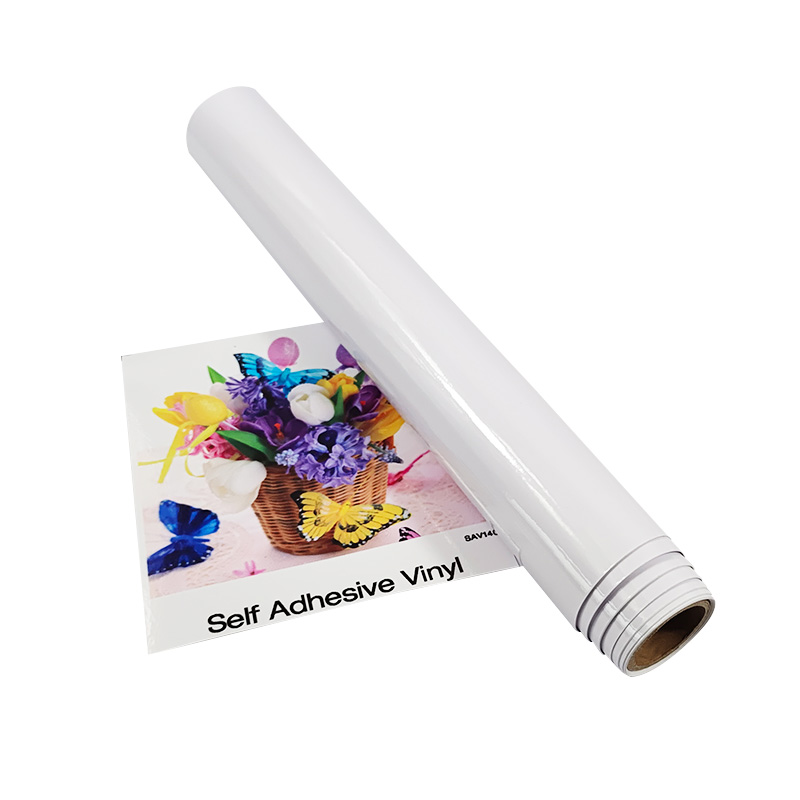
Applying one way vision film to glass buildings requires precise technique and strategic planning to achieve maximum visual impact while maintaining functionality. This specialized window film creates striking advertising displays and branding opportunities on building facades while preserving interior privacy and natural light transmission. The application process demands careful surface preparation, proper environmental conditions, and systematic installation methods to ensure professional results that enhance both aesthetic appeal and building performance.
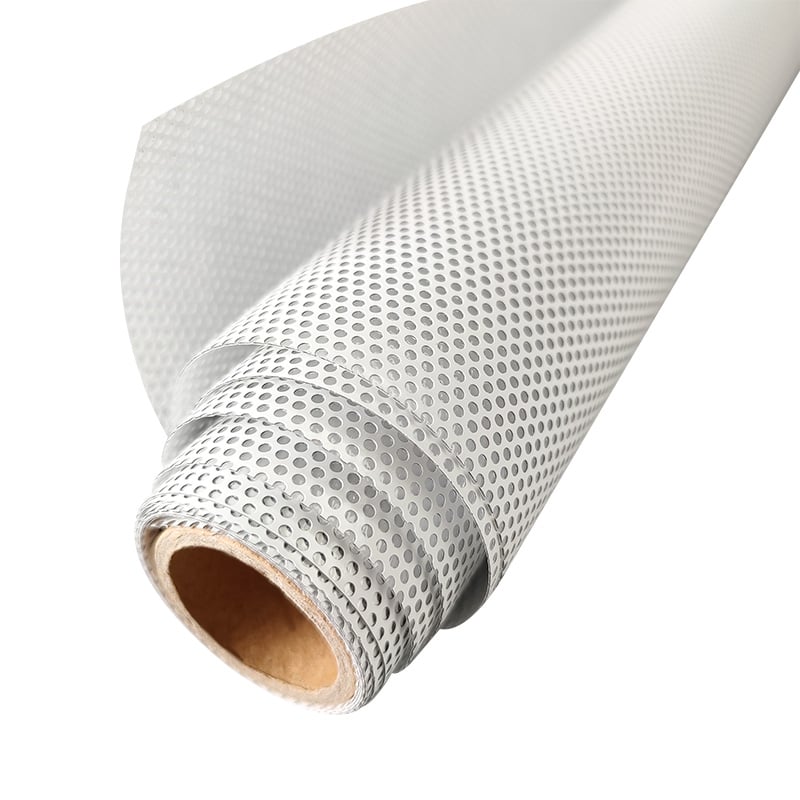
The visual impact of one way vision film on glass buildings depends heavily on proper installation techniques that maximize the film's perforated structure and graphic clarity. Understanding the relationship between viewing angles, lighting conditions, and surface preparation enables building owners and installers to create compelling visual displays that serve both marketing and functional purposes. Professional application methods ensure the film adheres properly to glass surfaces while maintaining the optical properties that allow clear outward visibility from interior spaces.
Surface Preparation Requirements for Optimal Film Adhesion
Glass Cleaning and Contamination Removal
Thorough glass cleaning forms the foundation for successful one way vision film application. Remove all traces of dirt, dust, oils, and previous adhesive residues using appropriate cleaning solutions and lint-free cloths. The glass surface must achieve complete cleanliness without streaks or particles that could create air bubbles or adhesion failures. Inspect the glass under proper lighting to identify any remaining contaminants that might compromise film performance.
Use degreasing agents specifically designed for glass surfaces to eliminate fingerprints, construction residues, and environmental pollutants. Pay particular attention to window edges and corners where debris commonly accumulates. The cleaning process should conclude with a final rinse using distilled water to remove any cleaning solution residues that could interfere with film adhesion.
Surface Inspection and Defect Assessment
Examine the glass surface for scratches, chips, cracks, or other defects that could affect film application and longevity. Minor scratches may be acceptable depending on the film specifications, but significant defects require repair or replacement before proceeding. Document any existing conditions that might influence the installation process or final appearance.
Measure the glass dimensions accurately and note any architectural features such as mullions, frames, or decorative elements that will impact film cutting and placement. Create detailed installation plans that account for these factors to ensure precise fitting and professional appearance. Consider how building movement, thermal expansion, and structural characteristics might affect the one way vision film over time.
Environmental Conditions and Timing Considerations
Temperature and Humidity Control
Optimal installation conditions require ambient temperatures between 65-75°F with relative humidity levels below 60 percent. These parameters ensure proper film flexibility and adhesive activation while preventing condensation formation during application. Monitor weather conditions carefully and plan installation schedules around suitable environmental windows.
Avoid installing one way vision film during extreme temperature fluctuations or high humidity periods that could affect adhesive performance. Indoor installations offer greater environmental control, but exterior applications require careful attention to wind conditions and direct sunlight exposure that might accelerate film curing or cause handling difficulties.
Lighting Assessment and Visual Impact Planning
Evaluate the lighting conditions around the building to determine optimal graphic orientation and positioning for maximum visual impact. One way vision film performance varies significantly based on the lighting differential between interior and exterior spaces. Plan installation timing to account for changing light conditions throughout the day and seasonal variations.
Consider how surrounding buildings, landscaping, and urban lighting will affect the film's visibility and graphic presentation. The perforated structure of one way vision film creates different visual effects under various lighting scenarios, making preliminary testing and positioning critical for achieving desired results.
Installation Techniques for Professional Results
Film Cutting and Positioning Methods
Precise cutting techniques ensure clean edges and proper fit around architectural features. Use sharp cutting tools specifically designed for window films and measure twice before making cuts to avoid material waste. Create templates for complex shapes or repeated patterns to maintain consistency across multiple windows.
Position the one way vision film carefully using alignment guides and reference points to ensure straight installation and proper graphic orientation. Work systematically across large surfaces, maintaining consistent spacing and alignment. Consider the building's architectural rhythm and visual flow when planning film placement to create cohesive branding or advertising displays.
Application Process and Bubble Elimination
Apply the film using squeegee techniques that eliminate air bubbles while ensuring complete adhesive contact with the glass surface. Work from the center outward using overlapping strokes to push air toward the edges. Maintain consistent pressure and speed to avoid creating wrinkles or adhesive marks.
Address any air bubbles immediately using appropriate tools and techniques. Small bubbles may dissipate naturally over time, but larger bubbles require careful removal to prevent permanent adhesion problems. The perforated structure of one way vision film requires special attention to ensure the holes remain clear and unobstructed for proper visibility.
Quality Control and Performance Optimization
Installation Inspection and Testing
Conduct thorough inspections from both interior and exterior perspectives to verify proper installation and visual impact. Check for edge adhesion, bubble formation, and graphic clarity under different lighting conditions. Test the film's visibility characteristics to ensure the one-way vision properties function as intended.
Document the installation with photographs and measurements for future reference and maintenance planning. Record any installation challenges or modifications that might inform future projects or warranty considerations. Verify that all safety and building code requirements have been met throughout the installation process.
Performance Monitoring and Maintenance Planning
Establish monitoring procedures to track film performance over time, including adhesion quality, graphic clarity, and weathering characteristics. One way vision film requires periodic inspection to ensure continued effectiveness and visual appeal. Plan maintenance schedules that address cleaning requirements and potential replacement needs.
Consider how building operations, cleaning procedures, and environmental exposure will affect film longevity. Develop protocols for addressing damage, edge lifting, or performance degradation to maintain the investment in building aesthetics and functionality. Regular maintenance preserves both the visual impact and practical benefits of the installation.
FAQ
What tools are essential for applying one way vision film professionally?
Essential tools include precision cutting knives, professional squeegees with varying firmness levels, spray bottles for solution application, lint-free cleaning cloths, measuring tools, and heat guns for conforming film around curves. Quality installation also requires proper cleaning solutions, edge trimmers, and bubble removal tools designed specifically for window film applications.
How long should one way vision film cure before assessing final results?
One way vision film typically requires 24-48 hours for initial curing and up to 30 days for complete adhesive bonding. During this period, small bubbles may dissipate naturally, and the film will achieve its final optical properties. Avoid aggressive cleaning or testing during the initial curing period to prevent damage to the adhesive bond.
Can one way vision film be removed and reapplied if positioning errors occur?
Fresh installations can sometimes be carefully repositioned within the first few hours if the adhesive has not fully activated. However, removal and reapplication typically compromises film integrity and adhesive effectiveness. Prevention through careful planning and precise initial placement is preferable to attempting corrections after installation begins.
What factors determine the visual impact effectiveness of one way vision film on different building types?
Visual impact depends on building orientation, surrounding lighting conditions, viewing distances, and the contrast between interior and exterior light levels. Modern glass buildings with controlled interior lighting typically provide excellent platforms for one way vision film applications, while buildings with limited lighting control may require additional consideration for optimal visual performance.
Table of Contents
- Surface Preparation Requirements for Optimal Film Adhesion
- Environmental Conditions and Timing Considerations
- Installation Techniques for Professional Results
- Quality Control and Performance Optimization
-
FAQ
- What tools are essential for applying one way vision film professionally?
- How long should one way vision film cure before assessing final results?
- Can one way vision film be removed and reapplied if positioning errors occur?
- What factors determine the visual impact effectiveness of one way vision film on different building types?