 EN
EN

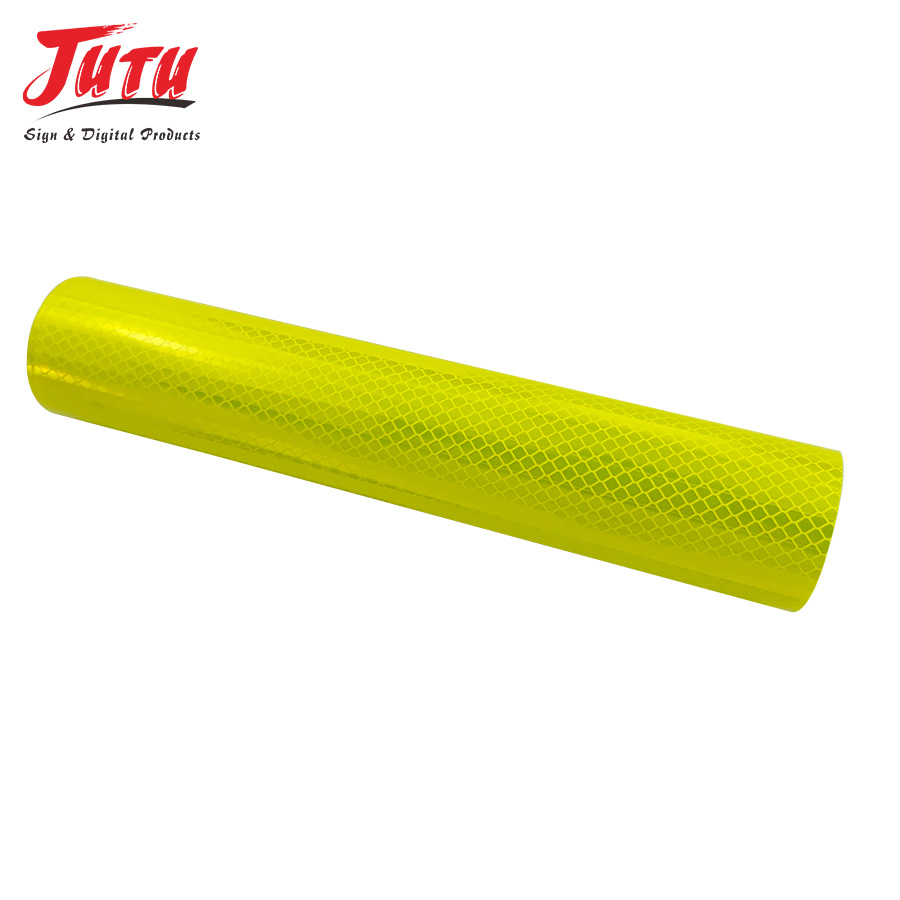
When a franchise network places a bulk order for colored vinyl, color consistency is not just a visual preference — it is a brand requirement. Every location, every surface, and every sign must reflect the same hue, saturation, and finish. Even a slight variation in colored vinyl tone can make a franchise look inconsistent and unprofessional across regions. This is why understanding the right process for maintaining color accuracy in bulk colored vinyl orders is essential for any franchise operation.
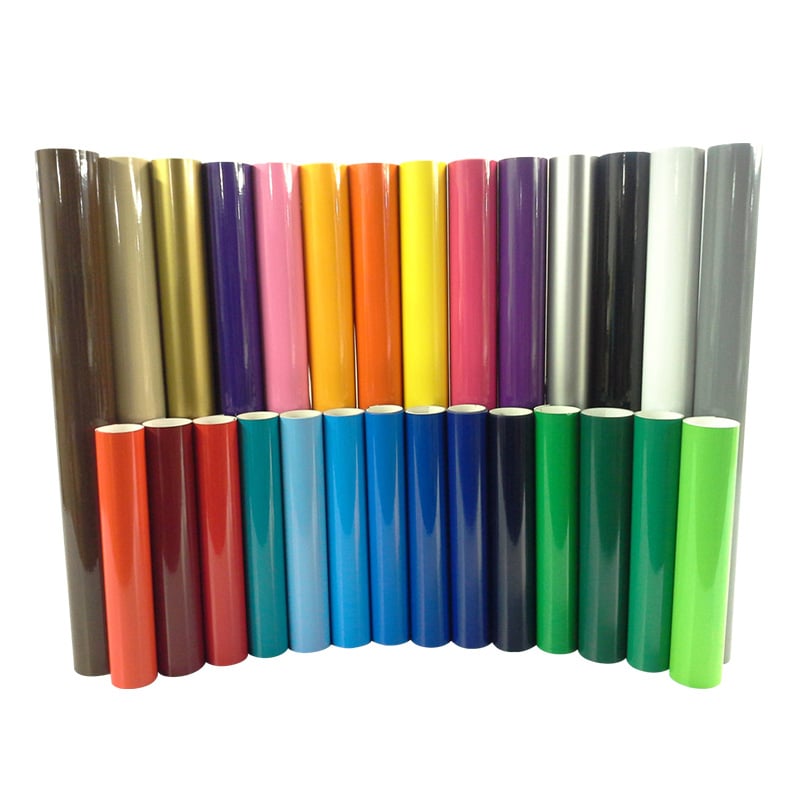
Franchise brands invest significant resources in developing consistent brand identities. Colored vinyl is one of the primary materials used for storefront graphics, vehicle wraps, wall decals, and point-of-sale displays. When colored vinyl is ordered in bulk across multiple production batches or suppliers, the risk of color drift increases. This guide covers the practical steps franchises should follow to ensure every roll of colored vinyl delivers the exact color performance the brand demands.
Understanding Color Standards for Colored Vinyl
Why Color Reference Systems Matter
The foundation of color consistency in colored vinyl starts with adopting a standardized color reference system. Pantone Matching System (PMS) codes are the most widely used standard in the colored vinyl industry. When franchises specify colored vinyl using PMS codes rather than generic color names like 'red' or 'blue', manufacturers can match pigment formulations with much greater precision. Every production run of colored vinyl should reference the same PMS code to ensure batch-to-batch alignment.
Generic color descriptions leave too much room for interpretation. One supplier's 'corporate red' colored vinyl may differ visibly from another's. By anchoring every colored vinyl specification to a PMS code, franchises eliminate ambiguity and create a measurable quality standard. This color reference document should be shared with all approved colored vinyl suppliers and stored as part of the franchise's brand guidelines.
Establishing a Colored Vinyl Brand Swatch Library
Beyond digital PMS codes, franchises should maintain a physical swatch library of approved colored vinyl samples. These swatches serve as the gold standard for visual comparison. When a new batch of colored vinyl arrives, quality control teams can compare it directly to the approved swatch under standardized lighting conditions. Any colored vinyl batch that falls outside the acceptable visual range should be flagged before installation begins.
Physical colored vinyl swatches are especially useful when working across multiple markets where digital color calibration on screens may vary. A tangible reference allows even non-technical staff at franchise locations to perform a basic visual check of incoming colored vinyl materials. This simple step prevents installation of off-color colored vinyl that would undermine brand uniformity.
Supplier and Production Controls for Bulk Colored Vinyl
Choosing a Reliable Colored Vinyl Supplier
Color consistency in bulk colored vinyl orders depends heavily on the production capabilities of the supplier. Franchises should work with colored vinyl manufacturers that use consistent pigment formulations and have documented quality control processes. When evaluating a colored vinyl supplier, ask about their batch traceability systems, their tolerance levels for color deviation, and whether they can supply colored vinyl from a single production run for large orders.
Ordering colored vinyl from a single production batch wherever possible is one of the most effective ways to prevent color variation. Even with identical PMS specifications, colored vinyl produced in separate manufacturing runs can show subtle differences due to pigment mixing tolerances or coating variations. Franchises placing large colored vinyl orders should request that the supplier consolidates production to minimize inter-batch variation.
Requesting Color Proofs and Pre-Production Samples
Before committing to a full bulk order of colored vinyl, franchises should always request pre-production samples. A colored vinyl sample cut from the actual production batch allows quality teams to verify color accuracy before thousands of square meters of colored vinyl are manufactured. This colored vinyl pre-production check is a standard industry practice that significantly reduces the risk of receiving an entire order in the wrong color.
When reviewing colored vinyl samples, evaluate not only the base color but also the finish — matte, gloss, or satin — since finish variation can alter color perception significantly. A colored vinyl sheet that passes the color check under one lighting condition may fail under another. Testing colored vinyl samples under both indoor and outdoor lighting conditions provides a more complete picture of real-world color performance.
Installation and Post-Delivery Quality Control
Standardizing Colored Vinyl Application Conditions
Color consistency does not end at production. How colored vinyl is applied also affects the final visual result. Surface preparation, adhesive activation temperature, and squeegee pressure all influence how colored vinyl adheres and how its color appears once installed. Franchise networks should provide installation teams with standardized application guidelines to ensure colored vinyl is applied under consistent conditions at every location.
Temperature and UV exposure during application can affect the immediate color appearance of colored vinyl. Applying colored vinyl in direct sunlight versus a shaded indoor environment may create visual differences that are actually temporary but can cause unnecessary rejections. Training installation teams to recognize the difference between application-related color shifts and actual colored vinyl defects helps avoid costly and unnecessary material replacements.
Conducting Post-Installation Color Audits
After colored vinyl has been installed across franchise locations, periodic color audits help identify any drift before it becomes a systemic brand issue. Photographing installed colored vinyl under standardized conditions and comparing results across locations allows brand managers to catch inconsistencies early. If one franchise location's colored vinyl shows visible fading or color shift, it may indicate a batch-specific issue that needs to be addressed with the supplier.
Maintaining a log of colored vinyl batches, installation dates, and location-specific conditions provides valuable data for troubleshooting color issues over time. This documentation also supports warranty claims when colored vinyl fails to meet the agreed color durability standards. A structured colored vinyl audit process turns reactive quality management into a proactive brand protection strategy for the entire franchise network.
FAQ
How many PMS codes should a franchise specify for colored vinyl orders?
A franchise should specify one PMS code per distinct colored vinyl color used in brand materials. Each color variant — primary, secondary, accent — should have its own documented PMS reference. This ensures every colored vinyl order is matched to a precise, repeatable standard regardless of the supplier or production batch.
Can colored vinyl from different production batches be used in the same location?
Using colored vinyl from different production batches in the same visible area is generally not recommended. Even when both batches meet the PMS specification, subtle differences in colored vinyl pigment mixing can be visible side by side. For prominent installations, franchises should always try to source colored vinyl from a single production run.
How often should franchise locations audit their installed colored vinyl?
Franchise locations should audit installed colored vinyl at least once per year, or more frequently in high-UV or harsh weather environments. Regular audits allow brand teams to identify colored vinyl fading or color drift before it becomes noticeable to customers. Early detection also helps franchises plan timely colored vinyl replacement to maintain brand standards consistently.