 EN
EN
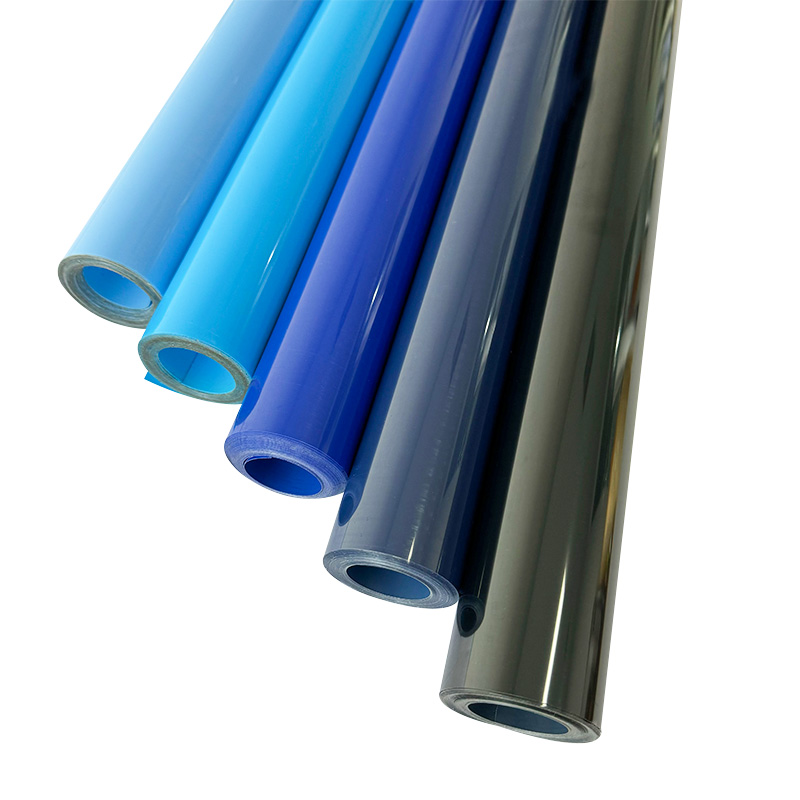
When sign makers and visual artists push beyond simple single-layer designs, colored vinyl becomes one of the most expressive and versatile materials in the craft. The ability to layer multiple sheets of colored vinyl on top of one another opens a wide creative dimension that flat, single-color applications simply cannot achieve. From vibrant storefront displays to intricate artistic installations, multi-layer colored vinyl techniques are reshaping what sign making can look like.
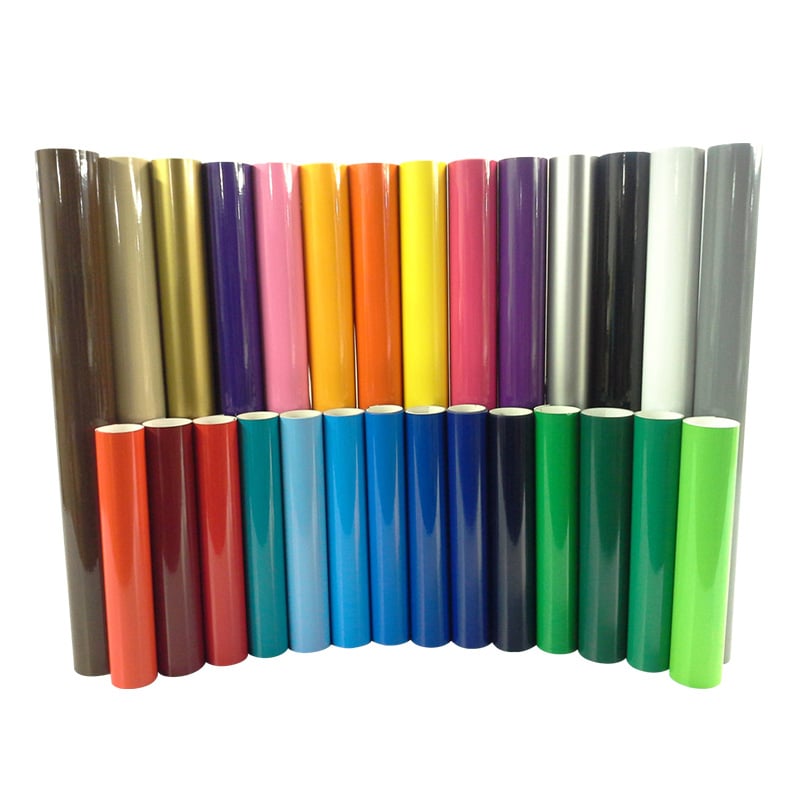
The creative potential of colored vinyl in layered sign making lies not only in its visual richness but also in the practical flexibility it gives designers. Colored vinyl is available in a broad spectrum of hues, finishes, and opacities, meaning that each layer can interact with those beneath it in distinctive ways. Whether you are working on a commercial project or a personal artistic piece, understanding how to harness colored vinyl across multiple layers will elevate your results significantly.
Why Layering Colored Vinyl Transforms Sign Design
Depth and Dimension Through Color Stacking
One of the most immediate visual benefits of layering colored vinyl is the sense of depth it introduces. When one sheet of colored vinyl is placed over another with partial cutouts or transparent sections, the underlying color shows through, creating a blended or gradient-like effect that looks far more complex than it actually is to produce. This technique gives colored vinyl signs a dimensional quality that is impossible to replicate with flat ink printing alone. Designers can stack contrasting colored vinyl layers to produce sharp outlines, or use analogous tones for a softer, more artistic transition between shades.
The physical thickness that multiple layers of colored vinyl contribute also adds a tactile element to signage. In retail environments or exhibition spaces, this subtle three-dimensional quality catches light differently across the surface and draws the eye in ways that a flat sign cannot. Colored vinyl used in this way becomes a visual storytelling tool rather than a simple label.
Contrast and Visual Hierarchy
Contrast is a core principle of effective sign design, and colored vinyl makes it easy to achieve sharp, deliberate contrast between layers. By choosing colored vinyl sheets that sit opposite each other on the color wheel, sign makers can create bold focal points that guide the viewer's eye directly to the most important information or image on the sign. Dark colored vinyl as a background layer paired with bright or metallic colored vinyl on top creates an immediate hierarchy that reads clearly at a distance. This kind of controlled contrast is one of the reasons colored vinyl remains a preferred material for professional sign makers worldwide.
Techniques That Maximize Colored Vinyl Creativity
Precise Cutting and Registration
Multi-layer colored vinyl work depends heavily on accurate cutting and precise alignment during application. Each layer of colored vinyl must be cut cleanly so that edges meet correctly and the intended design reads as a unified image rather than a misaligned stack of shapes. Modern vinyl cutters can handle colored vinyl with fine detail, allowing intricate patterns to be cut and layered with tight registration. When applying each sheet of colored vinyl, using registration marks ensures that every layer lines up exactly with the previous one, which is essential when the design depends on exposed underlayers for its effect. Taking time with this step protects the creative investment made in choosing and preparing each piece of colored vinyl.
Using Opacity and Finish Variations
Not all colored vinyl has the same opacity or surface finish, and this variation is a creative asset rather than a limitation. Semi-transparent colored vinyl layered over an opaque base of colored vinyl produces color mixing that looks almost painted, giving artistic signs an organic quality. Matte colored vinyl can be layered beneath a glossy colored vinyl topcoat to create zones of different light reflection within a single sign, directing attention through texture rather than color alone. Experimenting with chrome, brushed, or holographic colored vinyl as accent layers introduces further visual complexity that elevates a standard sign into a distinctive piece of applied art.
The choice between permanent and removable colored vinyl also matters when planning layered designs. Permanent colored vinyl is best suited for long-term outdoor installations where the layers need to withstand weather and UV exposure, while removable colored vinyl offers flexibility for interior displays or seasonal promotional signs that need to be updated. Selecting the right adhesive grade for each layer of colored vinyl ensures the finished sign is both visually strong and durable over time.
Practical Applications in Artistic Sign Making
Commercial Signage and Retail Displays
In commercial environments, multi-layer colored vinyl sign making delivers a premium look without requiring expensive fabrication processes. Window graphics, wall murals, and point-of-sale displays all benefit from the richness that layered colored vinyl brings. A retail brand can use colored vinyl to build a sign that reflects its identity through specific color combinations, reinforcing recognition and visual consistency across locations. The speed with which colored vinyl can be produced and installed also makes it a practical solution for businesses that need to refresh their visual environment regularly. Colored vinyl offers a balance of quality and efficiency that is hard to match with other signage materials.
Artistic and Custom Decorative Projects
Beyond commercial use, colored vinyl has earned a strong place in custom decorative and fine art sign applications. Artists working in vinyl create layered compositions that explore color relationships, geometric abstraction, and typographic expression in ways that mirror more traditional studio art practices. The precision that colored vinyl cutting tools provide allows even highly detailed designs to be executed cleanly, and the wide color range available in colored vinyl means that an artist's palette is essentially unlimited. Whether applied to glass, acrylic, metal, or wood, colored vinyl adapts to a variety of substrates and creates visually striking results in every context.
FAQ
How many layers of colored vinyl can be used in a single sign design?
There is no strict limit, but most professional sign makers work with two to four layers of colored vinyl for optimal adhesion and clean edges. Beyond four layers, the build-up of colored vinyl thickness can affect adhesion and edge clarity. Planning the layer sequence carefully before cutting ensures the best outcome with colored vinyl in complex designs.
Does layering colored vinyl affect outdoor durability?
Layered colored vinyl can perform well outdoors when high-quality, UV-resistant colored vinyl is selected for each layer. The key is ensuring that each sheet of colored vinyl is applied smoothly without air bubbles, which can accelerate peeling under heat or moisture. Using cast colored vinyl rather than calendered colored vinyl is generally recommended for demanding outdoor conditions.
What surfaces work best for multi-layer colored vinyl applications?
Smooth, non-porous surfaces give the best results for layered colored vinyl work. Glass, painted metal, acrylic panels, and primed wood all accept colored vinyl well and allow each layer to bond securely. Textured or porous surfaces can compromise the adhesion of colored vinyl edges, so surface preparation is an important step before applying any colored vinyl design.