 EN
Barcode readability remains a critical operational factor across retail, logistics, healthcare, and manufacturing environments. When personalized vinyl wall stickers meet industrial labeling demands, the intersection of durability and visual clarity becomes essential. High-contrast thermal paper label rolls represent a proven solution for organizations seeking to minimize scanning errors, accelerate checkout processes, and maintain inventory accuracy. Improving barcode readability directly impacts supply chain efficiency, reduces customer frustration, and strengthens data integrity throughout your organization.
The fundamental challenge with standard label materials lies in insufficient contrast between barcode bars and the label background. Personalized vinyl wall stickers designed for commercial applications demand superior print quality and lasting adhesion. High-contrast thermal paper label rolls address these requirements by combining premium substrate materials with specialized thermal printing technology. Understanding how to leverage these label rolls ensures your organization achieves scanning success rates exceeding 99 percent, eliminates manual data entry errors, and creates a seamless experience for staff and customers alike.
Understanding High-Contrast Thermal Paper Label Rolls
Core Components of Quality Label Materials
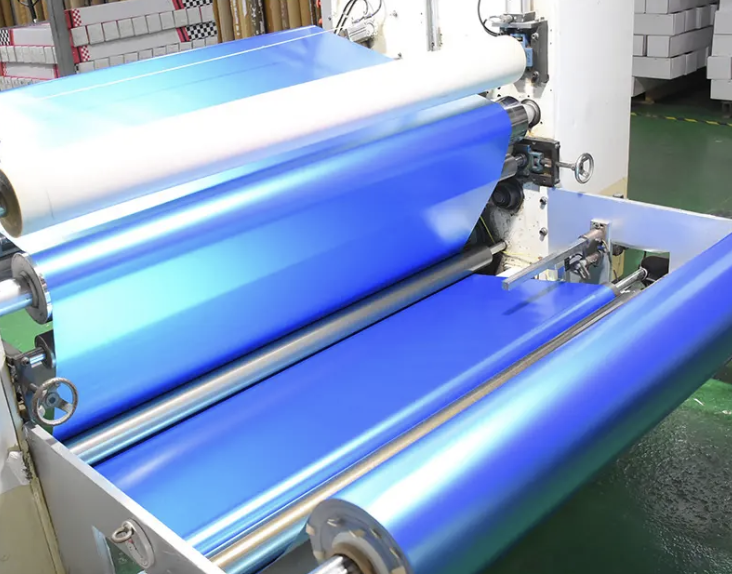
High-contrast thermal paper label rolls consist of several engineered layers working together to maximize barcode readability. The top surface features a thermal reactive coating that darkens when exposed to thermal print heads, creating sharp black bars against a white or off-white background. Personalized vinyl wall stickers in industrial settings require similar precision, as the contrast ratio directly determines scanner recognition speed. The substrate beneath provides structural stability, preventing curl, wrinkling, or dimensional changes during storage or application. Adhesive formulations range from permanent to removable, allowing organizations to select options matching their specific use case. Understanding these components helps procurement teams and operations managers specify the correct label materials for their unique environment and application demands.
Why Contrast Ratio Matters for Scanning Performance
Barcode scanners operate by detecting light reflection differences between dark bars and light spaces. Low-contrast labels force scanners to work harder, increasing scan time and failure rates. High-contrast thermal paper label rolls maintain minimum contrast ratios of 70 to 80 percent, exceeding industry standards set by the GS1 organization. When your organization applies personalized vinyl wall stickers with similar contrast principles, scanning equipment recognizes barcodes faster and more reliably. Environmental factors including warehouse lighting, dust accumulation, and temperature fluctuations further emphasize the importance of superior contrast. Premium thermal paper label rolls maintain their contrast characteristics even after exposure to moisture, UV light, and mechanical handling.
Factors Affecting Barcode Readability
Print Quality and Resolution Specifications
Thermal printer resolution directly influences barcode readability outcomes. Most commercial thermal printers operate at 203 dots per inch (DPI) or 300 DPI, with higher resolution producing sharper bar edges and improved scan reliability. High-contrast thermal paper label rolls paired with 300 DPI printing deliver exceptional results in demanding environments. When organizations implement personalized vinyl wall stickers for inventory or asset tracking, matching print resolution to label quality prevents bottlenecks. Barcode dimensions and encoding standards (Code 128, UPC-A, QR codes) also require precise printing to maintain proper bar widths and spacing. Regular printer maintenance, including cleaning thermal print heads and verifying temperature calibration, ensures consistent output quality. Insufficient print density or misaligned print heads create weak or skewed barcodes that scanners may reject.
Environmental Exposure and Label Durability
Warehouse conditions, shipping environments, and retail displays expose labels to moisture, temperature extremes, and chemical contact. High-contrast thermal paper label rolls formulated with protective coatings resist fading, smudging, and ink transfer. Personalized vinyl wall stickers designed for industrial use incorporate UV-resistant inks and durable substrates that maintain barcode clarity over extended periods. Freezer applications, heated storage areas, and outdoor exposure demand specialized label formulations. Testing thermal paper label roll performance under specific environmental conditions prevents costly scanning failures after labels have been applied to products. Organizations should verify that selected label materials match their actual storage and handling conditions rather than relying on generic specifications.
Implementing High-Contrast Labels for Maximum Readability
Selection Criteria and Specification Guidelines
Begin by assessing your organization's barcode density, label size requirements, and application method. High-contrast thermal paper label rolls come in widths ranging from 1 inch to 6 inches, with roll lengths typically spanning 100 to 1000 feet. Personalized vinyl wall stickers for labeling purposes require similar customization to match your equipment and workflow. Specify coating types based on environmental exposure: uncoated for general retail, coated for moisture-prone areas, and specialty formulations for extreme temperature applications. Surface finish matters significantly, as matte finishes reduce glare and improve readability in brightly lit retail environments. Conduct trial runs using candidate label materials with your existing scanning equipment before committing to bulk purchases. This validation step prevents operational disruptions and ensures seamless integration with your barcode system.
Best Practices for Installation and Maintenance
Proper label application requires clean, dry surfaces free from dust and debris. Verify that barcode orientation aligns with your scanning infrastructure—most systems read barcodes more efficiently when labels are placed on flat surfaces facing the scanner. High-contrast thermal paper label rolls should be stored in temperature-controlled environments, as extreme heat or cold degrades adhesive properties. Personalized vinyl wall stickers similarly require proper storage to maintain their initial quality. Monitor scanning performance metrics regularly using your barcode system's built-in reporting tools. Track scan success rates, rejections, and re-scan frequency to identify performance degradation early. When labels begin accumulating dust or damage, replace them promptly rather than attempting repairs that may compromise readability. Staff training on proper label handling, scanning technique, and troubleshooting improves overall system reliability.
FAQ
What contrast ratio should I target for optimal barcode readability?
Industry standards require a minimum contrast ratio of 70 percent between barcode bars and the label background. High-contrast thermal paper label rolls typically achieve 75 to 85 percent contrast, providing a safety margin above minimum thresholds. Testing your specific barcode scanning equipment against sample labels helps verify performance in your actual environment. Organizations using personalized vinyl wall stickers for tracking applications should specify similar contrast levels to ensure consistent scanning success.
How long do high-contrast thermal paper label rolls typically maintain readability?
Quality thermal paper label rolls maintain full barcode readability for 2 to 5 years depending on environmental exposure and storage conditions. Moisture, direct sunlight, and chemical contact accelerate degradation. Specialty formulations with protective coatings extend usable life in challenging environments. Organizations should assess their typical label lifecycle and select thermal paper label roll specifications matching their expected retention period. Personalized vinyl wall stickers designed for industrial use often outlast standard thermal paper in harsh conditions.
Can I use standard thermal paper for applications requiring superior contrast?
Standard thermal paper delivers acceptable performance in controlled retail environments but falls short in challenging conditions like warehouses, manufacturing floors, or outdoor storage. High-contrast thermal paper label rolls specifically engineered for demanding environments provide superior durability, fade resistance, and scanning reliability. Upgrading to premium thermal paper label rolls eliminates scanning failures, reduces manual intervention, and improves operational efficiency. The modest cost increase typically returns value quickly through reduced errors and faster processing speeds.