 EN

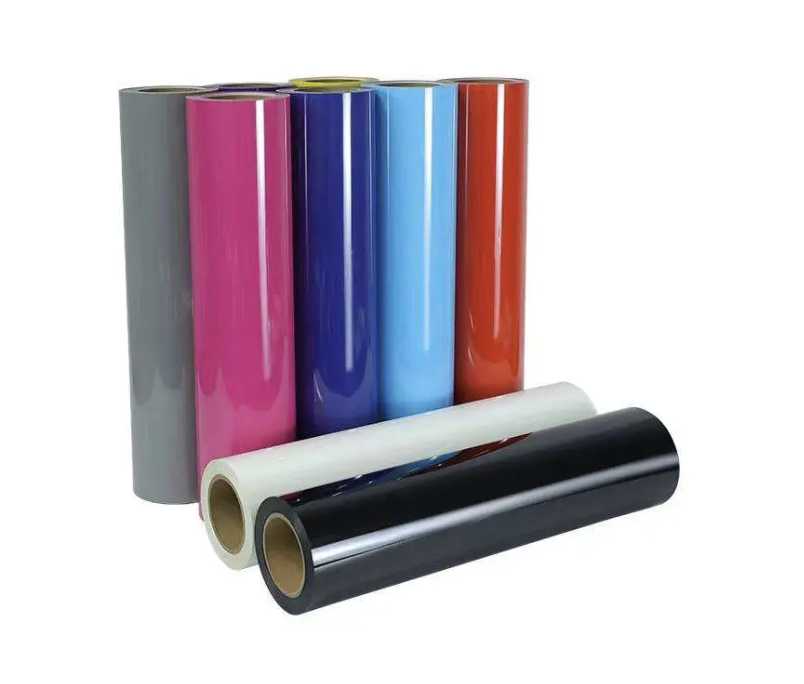
Warehouse inventory management demands precision, speed, and reliability at every stage of the supply chain. One of the most effective solutions for achieving these goals is the implementation of high-quality labeling systems that can withstand the demanding conditions of modern logistics environments. Direct thermal technology has emerged as a game-changer for facilities seeking to optimize their operations without incurring excessive costs or maintenance burdens. When paired with durable materials like heat transfer pvc, these labels provide the consistency and longevity that warehouse professionals depend on to track products accurately from receiving through distribution.
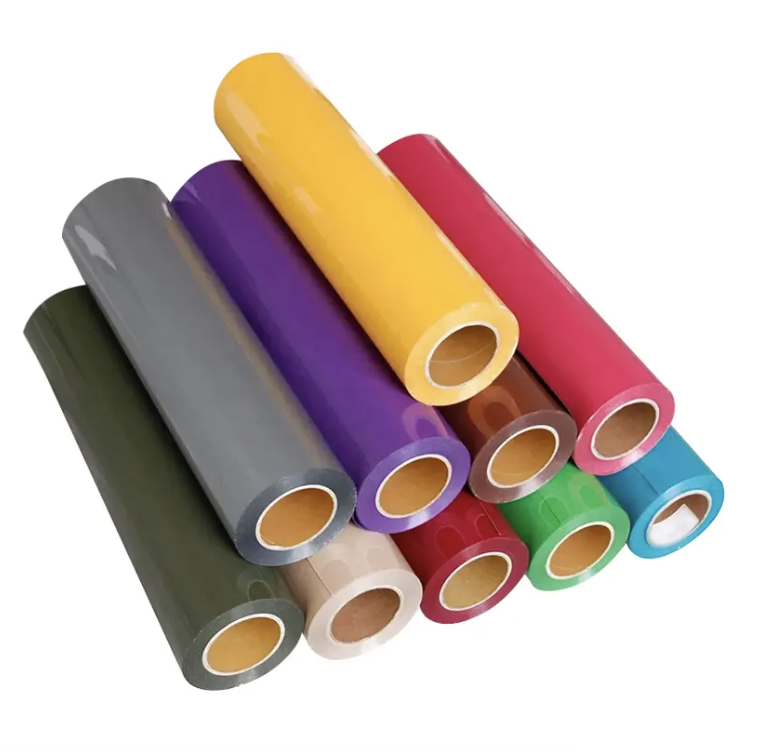
Understanding the specific advantages of direct thermal paper labels helps warehouse managers make informed decisions about their labeling infrastructure. Unlike traditional inkjet or laser printing systems, direct thermal technology eliminates the need for ink cartridges, toner supplies, and ongoing maintenance costs, making heat transfer pvc labels an economically attractive choice for high-volume operations. The simplicity of direct thermal printing combined with heat transfer pvc durability creates a powerful solution that addresses the core challenges facing modern warehouse facilities.
Cost Efficiency and Operational Savings
Reducing Printing Overhead with Heat Transfer PVC
Direct thermal paper labels integrated with heat transfer pvc technology deliver substantial cost reductions by eliminating consumable printing supplies. Traditional printing methods require continuous investment in ink cartridges, toner replacements, and maintenance services that accumulate over time. By contrast, heat transfer pvc labels work through a direct thermal mechanism where the print head itself generates the image without requiring any ink or toner, dramatically lowering operational expenses. Warehouses that process thousands of labels daily experience the most significant financial benefits, as the per-unit printing cost becomes nearly negligible compared to conventional alternatives.
Long-Term Budget Impact
When calculating the total cost of ownership for warehouse labeling systems, heat transfer pvc emerges as the clear winner. The initial investment in direct thermal equipment is modest, and since these printers require minimal maintenance, spare parts consumption remains low throughout the device lifecycle. Warehouses can redirect funding previously allocated to supply chain management and inventory tracking toward other critical operational areas. The combination of heat transfer pvc durability and direct thermal efficiency creates a solution that pays dividends year after year without hidden costs or unexpected expenses.
Enhanced Durability and Environmental Performance
Withstanding Warehouse Conditions with Heat Transfer PVC
Warehouse environments present unique challenges that ordinary labels cannot endure. Extreme temperature fluctuations, moisture exposure, chemical spills, and rough handling are routine occurrences in logistics facilities. Heat transfer pvc labels, when produced through direct thermal technology, demonstrate exceptional resistance to these adverse conditions. The material composition of heat transfer pvc ensures that barcodes remain scannable and legible even after prolonged exposure to warehouse elements. This durability directly translates to reduced label replacement rates and fewer barcode scanning errors that disrupt inventory operations.
Longevity Benefits for Inventory Tracking
Products stored in warehouses often remain in inventory for weeks or months, requiring labels that maintain their integrity throughout the entire storage period. Heat transfer pvc labels excel in this demanding context because their thermal printing process creates images that bond directly to the label surface without degrading. Unlike printed labels that may fade or smudge, heat transfer pvc maintains consistent barcode quality under warehouse conditions, enabling accurate inventory tracking from receipt to shipment. This reliability reduces the need for label replacement and ensures that warehouse staff can depend on label readability during every scanning operation.
Operational Integration and System Performance
Seamless Integration with Warehouse Systems
Modern warehouses rely on sophisticated inventory management software that requires fast, accurate barcode scanning to maintain operational efficiency. Direct thermal printing technology integrates seamlessly with existing warehouse management systems, enabling rapid label production without slowing down receiving or shipping operations. Heat transfer pvc labels printed through direct thermal methods produce barcodes with superior contrast and consistent sizing, ensuring that barcode scanners read them reliably on the first attempt. This compatibility with warehouse systems eliminates delays caused by label scanning failures, reducing bottlenecks in fulfillment workflows and improving overall throughput.
Scalability for Growing Operations
Warehouses experiencing growth require labeling solutions that can scale without requiring complete system overhauls. Heat transfer pvc direct thermal technology accommodates expansion effortlessly, as printing capacity can be increased by adding additional printers without changing the underlying infrastructure. The standardization of heat transfer pvc labeling across multiple warehouse locations ensures consistency in barcode quality and inventory tracking practices. Whether a facility processes thousands or hundreds of thousands of labels monthly, the direct thermal approach with heat transfer pvc maintains the same reliability and performance characteristics.
Real-World Applications and Industry Impact
Implementation Across Diverse Warehouse Types
Direct thermal paper labels using heat transfer pvc have become standard in pharmaceutical warehouses, where regulatory compliance demands precise documentation and durable labeling. Cold storage facilities benefit enormously from heat transfer pvc durability, as traditional labels become brittle and illegible under freezing conditions. Distribution centers handling high-velocity products depend on the speed and consistency of direct thermal printing to process incoming shipments rapidly. Food and beverage warehouses appreciate the sanitary advantages of heat transfer pvc labels, which resist moisture contamination better than standard alternatives. This widespread adoption across diverse warehouse types demonstrates the universal value proposition of heat transfer pvc direct thermal labeling.
Performance Metrics and Reliability Data
Warehouses that have transitioned to heat transfer pvc direct thermal systems consistently report improvement in key performance indicators. Barcode scanning accuracy rates exceed 99.5%, eliminating the inventory discrepancies that plague facilities using lower-quality labels. Label replacement frequency drops by 40 to 60 percent compared to conventional alternatives, reducing labor costs associated with relabeling products. The average warehouse experiences a return on investment within six to twelve months after implementing heat transfer pvc direct thermal labeling infrastructure. These metrics underscore why industry leaders continue choosing heat transfer pvc technology for their most demanding warehouse operations.
FAQ
What makes heat transfer pvc labels superior to standard paper labels for warehouse use?
Heat transfer pvc labels offer exceptional durability and resistance to warehouse environmental stressors that damage standard paper labels. The heat transfer pvc material withstands temperature extremes, moisture exposure, and chemical contact while maintaining barcode legibility. Direct thermal printing bonds the printed image directly to the label surface, preventing fading or smudging that compromises barcode readability. This combination ensures that heat transfer pvc labels remain functional throughout extended warehouse storage periods, reducing replacement costs and scanning errors.
How does direct thermal printing reduce warehouse operational expenses?
Direct thermal technology eliminates the need for ink cartridges and toner supplies that traditional printers require, dramatically lowering consumable costs. The printing process uses heat instead of ink, so warehouses avoid recurring supply purchases and associated maintenance services. For facilities processing high volumes of labels, the per-unit cost becomes negligible, creating substantial annual savings that compound over time. When combined with the durability of heat transfer pvc labels, the overall cost of ownership becomes significantly lower than conventional labeling systems.
Can heat transfer pvc labels maintain barcode quality in extreme warehouse conditions?
Yes, heat transfer pvc labels maintain consistent barcode quality even in challenging warehouse environments like cold storage, high-temperature areas, and moisture-prone locations. The thermal printing process creates permanent images that resist fading, smudging, and environmental degradation far better than traditional printing methods. Heat transfer pvc material composition provides superior resistance to temperature fluctuations and chemical exposure common in warehouse facilities. Warehouses using heat transfer pvc direct thermal labels report barcode scanning failure rates below 1 percent, demonstrating exceptional performance reliability across diverse operational conditions.