 EN
EN

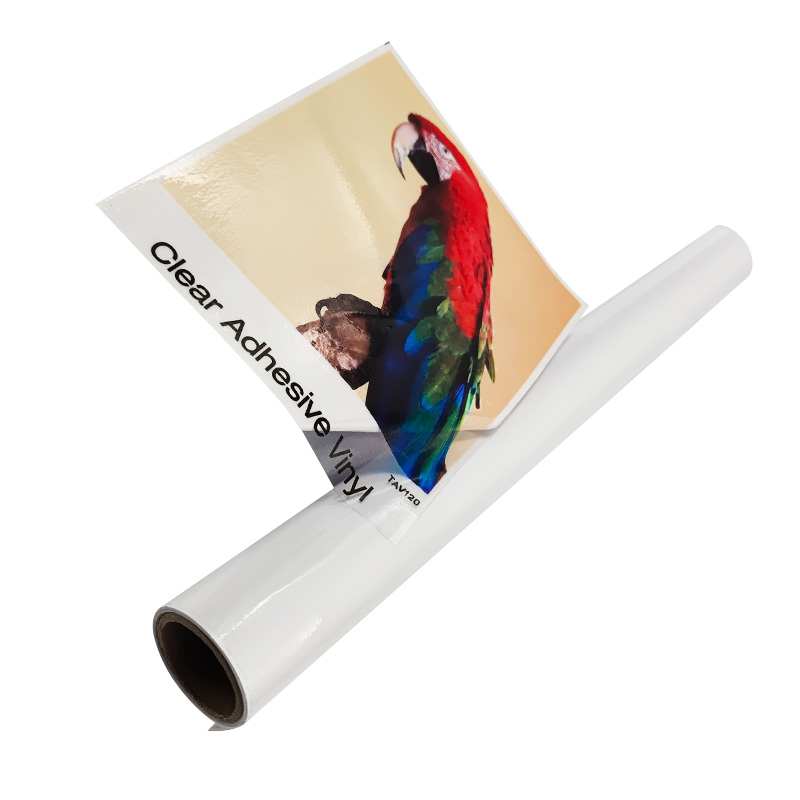
Choosing the right cutting vinyl is one of the most critical decisions you will make when working on complex designs. When a design includes fine lettering, tight curves, or intricate layered patterns, the wrong cutting vinyl can tear, lift, or leave sticky residue that ruins hours of work. Understanding what makes cutting vinyl easy to weed is not just a convenience — it is a production necessity for anyone working at a professional level.
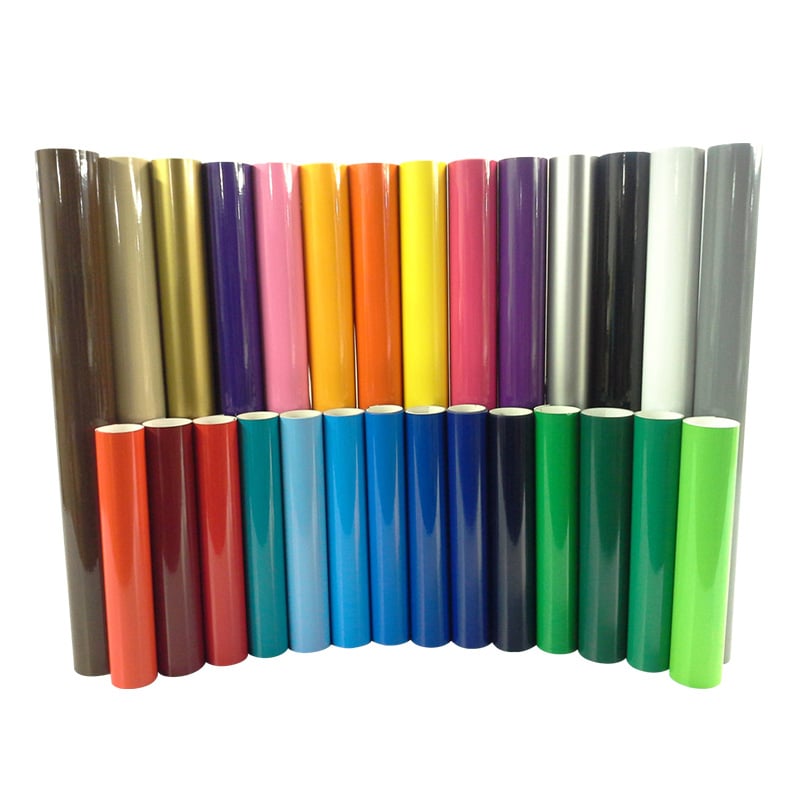
The market offers a wide range of cutting vinyl products, and not every roll is engineered for detailed work. Some cutting vinyl performs well on simple block lettering but fails immediately when applied to designs with narrow bridges, small negative spaces, or layered elements. This guide walks you through the exact properties to evaluate so you can select cutting vinyl that delivers clean, reliable results on even the most demanding projects.
Understanding Weeding Properties in Cutting Vinyl
What Easy Weeding Actually Means
Easy weeding in cutting vinyl refers to how cleanly and smoothly the unwanted material lifts away from the liner after cutting. When cutting vinyl has strong weeding properties, the excess material peels off in controlled sections without pulling up the design pieces you want to keep. This quality is directly connected to the adhesive strength, film thickness, and the stiffness of the cutting vinyl material itself.
Low-quality cutting vinyl tends to stretch during weeding, especially around tiny details. Stretching distorts the edges of your design and creates gaps or overlaps when you transfer it to the final surface. The best cutting vinyl for complex work maintains its dimensional stability throughout the entire weeding process, so each element stays exactly where it was cut.
The Role of Film Thickness in Cutting Vinyl
Film thickness is a defining factor when selecting cutting vinyl for intricate designs. Thinner cutting vinyl — typically in the 50 to 80 micron range — tends to be more flexible and easier to weed around tight curves. However, very thin cutting vinyl can also tear if the weeding hook applies too much lateral pressure. A balanced mid-range thickness gives the cutting vinyl enough body to hold its shape while still releasing cleanly from the liner.
Thicker cutting vinyl, often used for outdoor durability, can resist fine cutting because the blade must cut through more material. For complex designs with fine detail, a medium-thickness cutting vinyl is often the most practical choice. Always verify the manufacturer specification for film caliper before committing to a large production run.
Key Selection Criteria for Complex Design Work
Adhesive Release and Liner Quality
The liner underneath cutting vinyl plays a larger role in weedability than most users expect. A high-quality silicone-coated liner allows the cut cutting vinyl pieces to stay in position during weeding without the liner buckling or shifting. When the liner is too flexible or too thin, it bends under hand pressure, which misaligns fine cuts in your cutting vinyl design and makes precise weeding nearly impossible.
Adhesive release tension is equally important. Cutting vinyl with a very aggressive adhesive can be difficult to weed cleanly because the film resists lifting even after a clean cut. The ideal cutting vinyl for complex designs has a medium-release adhesive — firm enough to hold the design on the liner during cutting, yet forgiving enough to weed without excessive force. Testing a small section of new cutting vinyl before full production is always recommended.
Color Consistency and Surface Finish
For layered or multi-color complex designs, color consistency across your cutting vinyl rolls matters greatly. Inconsistent pigmentation in cutting vinyl can make color-matched layers look misaligned even when the physical placement is accurate. Choose cutting vinyl from a source that maintains tight color tolerances across production batches, especially when you need to reorder matching colors mid-project.
Surface finish also affects how cutting vinyl behaves during weeding and transfer. Matte cutting vinyl tends to hide minor surface imperfections but can be slightly more resistant to the weeding hook. Glossy cutting vinyl releases more cleanly in most cases and is easier to inspect visually during weeding because light reflects off cut lines. For complex work, a glossy or semi-gloss cutting vinyl is often preferred by experienced applicators.
Practical Steps to Test Cutting Vinyl Before Full Production
Running a Weed Test on Sample Cuts
Before committing your entire cutting vinyl inventory to a complex design run, always produce a test cut that replicates the most difficult elements of your actual design. Use the same blade depth and cutting speed you plan to use in production. After cutting, attempt to weed the test piece using your standard weeding hook and observe how the cutting vinyl responds. Pay close attention to narrow bridges and inner islands — these are the areas where cutting vinyl weeding performance is most critical.
If the cutting vinyl tears or stretches during the weed test, adjust the blade depth slightly and retest. Blade depth that is too shallow leaves the cutting vinyl incompletely cut, while a blade that is too deep can score the liner and cause the cutting vinyl to shift during weeding. Finding the right cut depth for each specific cutting vinyl product is essential before moving to full production.
Evaluating Transfer Tape Compatibility
Transfer tape compatibility is the final check in your cutting vinyl selection process. Once the cutting vinyl is weeded, it must transfer cleanly to the application surface without the design elements lifting or repositioning. Use a medium-tack transfer tape for most cutting vinyl products and test the full lift-and-lay sequence on a sample substrate. If the cutting vinyl design stretches during transfer, the cutting vinyl film may be too thin or the transfer tape may be too aggressive for that specific cutting vinyl formulation.
FAQ
What is the best film thickness for weeding complex cutting vinyl designs?
A medium thickness between 60 and 80 microns is generally the best range for complex cutting vinyl work. This thickness provides enough body to hold fine design elements in place while still releasing cleanly from the liner during weeding.
Can glossy cutting vinyl be used for layered multi-color designs?
Yes, glossy cutting vinyl works very well for layered designs. Its smooth surface makes it easier to weed precisely and to inspect cut lines visually. Ensure that your cutting vinyl layers have compatible adhesion levels to prevent lifting at the edges after application.
How do I know if my cutting vinyl adhesive release tension is correct?
The correct adhesive release in cutting vinyl allows the excess film to peel away with steady, even pressure without pulling up the design pieces. If weeding requires heavy force or causes the cutting vinyl to stretch, the adhesive tension is likely too high for your design complexity. Test a sample cut and adjust blade settings or switch to a cutting vinyl product with a lower adhesive tack rating.