 EN
EN

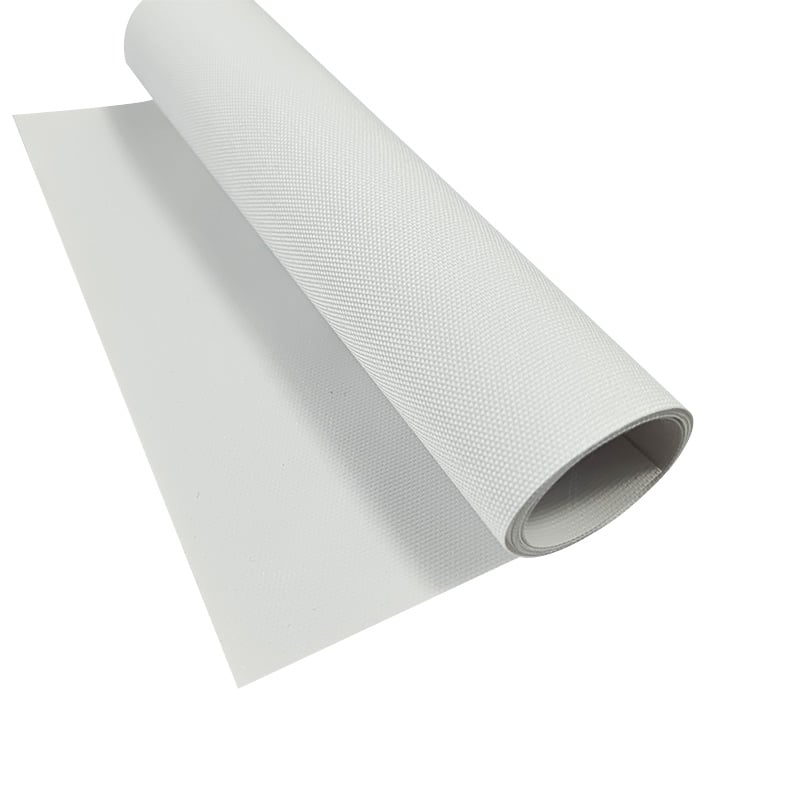
Achieving professional results in vinyl cutting operations depends heavily on the quality of materials used in combination with precision plotter equipment. When businesses invest in high-performance cutting vinyl for plotters, they unlock capabilities that directly translate to reduced waste, faster production cycles, and superior finished products. The relationship between material quality and operational efficiency becomes immediately apparent in commercial sign-making, vehicle graphics, custom apparel decoration, and architectural glass applications where precision matters most. Understanding how material properties influence cutting performance enables operators to make informed decisions that impact both immediate project outcomes and long-term business profitability.
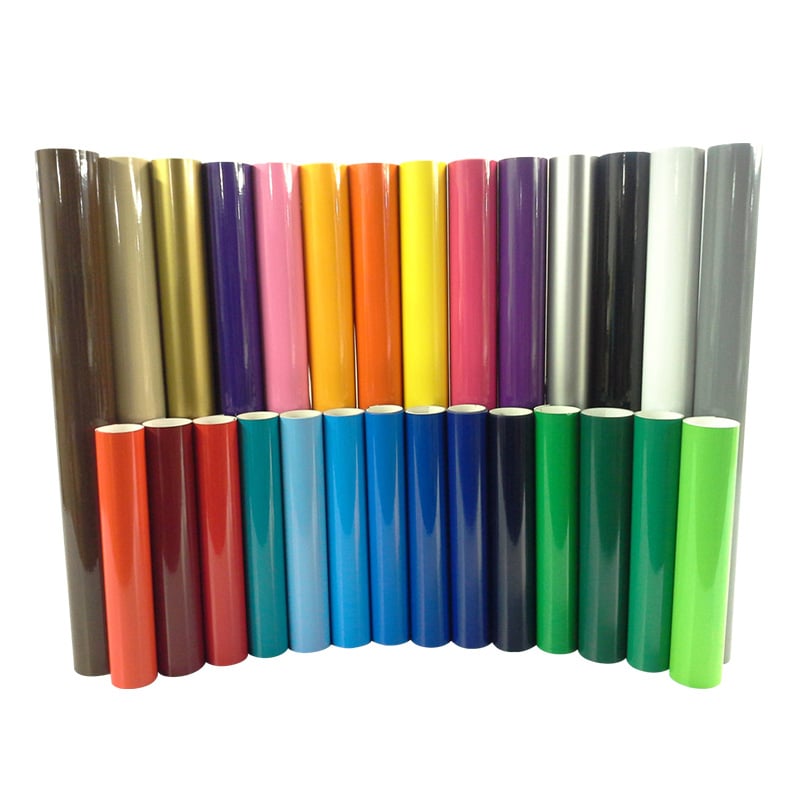
The modern vinyl cutting industry has evolved considerably from its early origins, with contemporary cutting vinyl for plotters now engineered to meet exacting standards for dimensional stability, adhesive consistency, and blade compatibility. Professional-grade materials incorporate advanced polymer formulations that maintain structural integrity throughout the cutting process while minimizing the friction that causes premature blade wear. These technical improvements directly address the core challenges faced by production facilities: maintaining consistent cut quality across extended runs, reducing setup time between jobs, and minimizing material waste from failed cuts or weeding difficulties. For operations seeking to maximize both precision and efficiency, material selection represents the foundational decision that influences every subsequent production variable.
Understanding Material Properties That Drive Cutting Performance
The Relationship Between Vinyl Composition and Blade Interaction
The chemical composition of cutting vinyl for plotters fundamentally determines how the material responds to blade contact during the cutting process. Premium vinyl formulations utilize carefully balanced plasticizer content that maintains flexibility without compromising dimensional accuracy. When the blade penetrates the vinyl face film, the material's molecular structure must yield cleanly without tearing, dragging, or creating microscopic fractures that compromise edge quality. Inferior materials often contain excessive plasticizer migration, which creates a tacky surface that accumulates on the blade tip, reducing cutting precision and requiring frequent cleaning interruptions. Professional operators recognize that the molecular weight distribution within the polymer matrix directly correlates with cutting consistency across temperature variations and humidity fluctuations commonly encountered in production environments.
The thickness uniformity of cutting vinyl for plotters represents another critical performance variable that separates professional-grade materials from commodity alternatives. Advanced manufacturing processes utilize precision calendering or casting techniques that maintain thickness tolerances within micrometers across the entire roll width. This uniformity ensures that plotter blade depth settings remain consistent throughout the cutting process, eliminating the need for mid-job adjustments that interrupt workflow and create opportunities for registration errors. When thickness variations exceed acceptable tolerances, the blade either fails to penetrate the face film completely or cuts through into the backing liner, creating weeding difficulties or material waste. High-quality materials demonstrate remarkable consistency that allows operators to establish reliable cutting parameters that remain stable across multiple production runs.
Backing Liner Engineering and Release Characteristics
The backing liner system of cutting vinyl for plotters performs multiple essential functions that directly impact both cutting accuracy and application efficiency. The liner must provide dimensional stability during storage, handling, and the cutting process itself, preventing material distortion that would compromise registration accuracy in multi-color or layered designs. Simultaneously, the liner must release cleanly from the vinyl face film during weeding operations without excessive force that could stretch or distort cut elements. Premium liners incorporate silicone release coatings applied at precisely controlled weights that balance these competing requirements. The release force characteristics must remain consistent across the entire temperature range encountered in typical production environments, from climate-controlled facilities to field installation conditions.
The structural integrity of the backing liner becomes particularly critical when processing intricate designs with fine detail elements or small text. When using high-quality cutting vinyl for plotters, the liner maintains sufficient rigidity to support delicate cut pieces during weeding while flexing appropriately to facilitate waste removal. Inferior backing materials either lack the structural strength to support fine details, causing them to lift prematurely during weeding, or possess excessive stiffness that makes waste removal difficult and time-consuming. The fiber composition and calendering process used in liner manufacturing determine these performance characteristics. Professional-grade materials specify precise liner properties that complement the vinyl formulation, creating an integrated system optimized for efficient production workflows rather than treating the liner as an afterthought in material design.
Adhesive System Design for Application Performance
While cutting precision depends primarily on vinyl and liner properties, the adhesive system of cutting vinyl for plotters ultimately determines whether precisely cut graphics can be successfully applied and perform as intended throughout their service life. The adhesive formulation must provide sufficient initial tack to allow repositioning during application while developing full bond strength over the subsequent cure period. This time-dependent behavior enables installers to achieve proper placement and smooth out air bubbles without the graphic becoming permanently bonded before adjustments can be made. The molecular architecture of pressure-sensitive adhesives determines how they wet out substrate surfaces, develop mechanical interlocking with surface textures, and resist environmental stresses including temperature cycling, moisture exposure, and UV radiation.
Advanced adhesive systems used in premium cutting vinyl for plotters incorporate additives that enhance specific performance characteristics relevant to different application environments. For exterior signage exposed to weathering, adhesives include UV stabilizers that prevent photodegradation and maintain bond strength throughout the expected service life. For vehicle graphics subjected to frequent washing and environmental contaminants, adhesives feature enhanced chemical resistance and cohesive strength that prevent edge lifting and graphic failure. The adhesive thickness and coating uniformity also influence cutting performance, as variations in adhesive layer thickness can affect how the plotter blade interacts with the material structure. Professional-grade materials maintain tight tolerances on adhesive coat weight, ensuring consistent cutting behavior and predictable application performance across every square meter of material.
Optimizing Plotter Settings for Different Vinyl Specifications
Blade Selection and Depth Calibration Strategies
Achieving optimal results with cutting vinyl for plotters requires precise matching between blade geometry and material characteristics. The blade angle, typically ranging from 30 to 60 degrees, determines the cutting force distribution and influences both edge quality and blade longevity. Narrow-angle blades concentrate cutting force over a smaller contact area, enabling cleaner cuts in thin materials but wearing more rapidly and creating increased friction in thicker films. Wider-angle blades distribute force more broadly, extending blade life and reducing material distortion but potentially compromising edge sharpness in fine detail work. Professional operators maintain blade inventories suited to their material specifications and application requirements, selecting the optimal geometry for each job rather than attempting to use a single blade type for all cutting tasks.
Blade depth calibration represents the most critical adjustment when working with cutting vinyl for plotters, directly determining whether cuts penetrate the face film completely without cutting into the backing liner. The optimal depth setting allows the blade tip to just contact the liner surface, creating a clean separation of the vinyl without compromising liner integrity. This precise depth control prevents several common cutting problems: insufficient depth causes incomplete cuts that create weeding difficulties and potential graphic failure, while excessive depth cuts through the liner, creating waste disposal challenges and potentially damaging the cutting strip. Professional-grade plotters incorporate automated blade depth sensing systems that adjust cutting pressure based on material resistance, maintaining optimal depth even as blade wear progresses or material characteristics vary slightly across a production run.
Speed and Acceleration Parameters for Quality and Throughput
The cutting speed settings used with cutting vinyl for plotters directly impact both production throughput and cut quality, requiring operators to balance efficiency against precision based on design complexity and material characteristics. Linear cutting speed, typically measured in centimeters per second, determines how rapidly the blade travels along straight paths. Higher speeds increase throughput but generate greater inertial forces that can cause the material to shift slightly on the cutting surface or create blade deflection in tight curves. Premium vinyl formulations with superior dimensional stability allow higher cutting speeds without compromising accuracy, while materials with less rigid construction require reduced speeds to maintain registration accuracy. The material's face film thickness and hardness influence the maximum practical cutting speed, as harder materials generate more blade friction and heat accumulation that can affect cut quality at elevated speeds.
Acceleration and deceleration parameters govern how rapidly the plotter changes cutting direction, particularly important when processing designs with numerous corners, curves, or intricate details. When working with high-quality cutting vinyl for plotters, aggressive acceleration settings can be employed without material shifting because the dimensional stability prevents registration drift. The carriage acceleration must be coordinated with the blade depth and angle to prevent the blade from deflecting during direction changes, which would create rounded corners or overcut conditions that compromise graphic quality. Advanced plotter control systems incorporate adaptive acceleration algorithms that analyze upcoming path segments and adjust acceleration dynamically, maximizing throughput in open areas while reducing speed through complex detail sections. This intelligent speed modulation ensures consistent cut quality throughout the design while minimizing total processing time, a capability that becomes particularly valuable in high-volume production environments.
Force Modulation and Overcut Compensation Techniques
Modern plotters provide sophisticated force control capabilities that optimize cutting performance with different grades of cutting vinyl for plotters by adjusting blade pressure throughout the cutting process. The cutting force, typically measured in grams-force, determines how aggressively the blade penetrates the material. Insufficient force causes incomplete cuts, while excessive force accelerates blade wear, increases material distortion, and may damage the cutting strip. Premium vinyl materials with consistent thickness and hardness allow operators to establish stable force settings that remain optimal throughout extended production runs. The force requirements vary based on material thickness, hardness, adhesive thickness, and environmental conditions, with temperature changes affecting material hardness and therefore cutting force requirements.
Overcut settings compensate for the physical characteristics of blade cutting by extending cut paths slightly beyond their theoretical endpoints, ensuring complete separation at corners and path intersections. When processing cutting vinyl for plotters, the optimal overcut distance depends on blade angle, material thickness, and cutting speed. Excessive overcut creates visible marks at corners that compromise graphic appearance, while insufficient overcut leaves microscopic material connections that cause weeding difficulties or premature graphic failure. The relationship between material properties and optimal overcut settings means that professional operators develop setting profiles for each material type in their inventory, documenting the precise parameter combinations that deliver optimal results. This systematic approach to parameter management eliminates the trial-and-error experimentation that wastes material and production time, particularly important when processing expensive specialty films or working under tight project deadlines.
Implementing Quality Control Processes for Consistent Results
Material Inspection and Environmental Conditioning Protocols
Establishing rigorous quality control begins with material receiving inspection when cutting vinyl for plotters arrives at the production facility. Visual examination should identify obvious defects including surface contamination, liner damage, or edge defects that could compromise cutting performance. Dimensional verification using calibrated measuring equipment ensures that material width matches specifications and that the roll exhibits uniform width across its entire length. Edge quality inspection identifies torn or ragged edges that could cause feeding problems or create debris during cutting. Physical testing of sample sections verifies that the material exhibits appropriate flexibility, adhesive tack, and release characteristics before committing the entire roll to production. This initial inspection catches material quality issues before they impact production efficiency or waste expensive plotter time processing defective materials.
Environmental conditioning represents a frequently overlooked aspect of quality control that significantly impacts cutting performance with cutting vinyl for plotters. Materials should acclimate to production environment temperature and humidity for at least 24 hours before processing, allowing the vinyl and liner to reach equilibrium with ambient conditions. Temperature variations affect material dimensional stability, with both vinyl and liner expanding or contracting based on thermal conditions. Humidity changes influence moisture content in both the vinyl formulation and backing liner, affecting material flexibility and cutting characteristics. Production facilities maintaining consistent environmental conditions between 18-24°C and 40-60% relative humidity achieve the most consistent cutting results. When processing materials that have been stored in significantly different conditions, extended conditioning periods prevent dimensional changes during cutting that would compromise registration accuracy in multi-color designs or complex graphics.
Test Cutting Procedures and Parameter Validation
Implementing systematic test cutting procedures before production runs ensures optimal results when working with cutting vinyl for plotters while minimizing material waste from parameter errors. A standardized test pattern should incorporate elements representing the range of features present in actual production files: fine lines, sharp corners, tight curves, and small text elements. Executing this test pattern allows operators to verify that current plotter settings achieve complete face film penetration without cutting through the backing liner across all feature types. Visual inspection of test cuts under magnification reveals edge quality issues, incomplete cuts, or overcut conditions that require parameter adjustment. Performing weeding operations on test cuts validates that release characteristics allow efficient waste removal without disturbing graphic elements or causing fine details to lift from the liner.
Parameter validation extends beyond initial setup to include periodic verification throughout extended production runs, particularly important when processing large quantities of cutting vinyl for plotters. Blade wear gradually changes cutting characteristics, requiring periodic depth or force adjustments to maintain consistent cut quality. Environmental condition changes throughout the production day affect material properties and cutting behavior, particularly in facilities without climate control. Establishing checkpoints at regular intervals—such as every hour or after completing a specific quantity of material—allows operators to identify parameter drift before it affects product quality. Documentation of test cut results and any parameter adjustments creates a quality record that supports troubleshooting if customer issues arise and provides data for continuous improvement of cutting procedures. This systematic approach to quality control transforms cutting from an ad-hoc skill-dependent process into a repeatable procedure that delivers consistent results regardless of operator experience level.
Blade Maintenance and Replacement Scheduling
Blade condition represents one of the most significant variables affecting cut quality when processing cutting vinyl for plotters, yet many operations lack systematic blade maintenance and replacement protocols. Blade sharpness degrades gradually through normal use as the cutting tip experiences microscopic wear and develops burrs that compromise cutting performance. The wear rate depends on material hardness, cutting force settings, and the presence of contaminants that create abrasive conditions. Premium vinyl materials with clean formulations and minimal filler content cause less blade wear than materials containing inorganic pigments or other hard particles. Establishing blade replacement schedules based on actual cutting performance metrics rather than arbitrary time or distance intervals optimizes both cut quality and blade cost management.
Professional operations implement blade inspection procedures that identify wear conditions before they significantly impact production quality or efficiency when working with cutting vinyl for plotters. Microscopic examination of blade tips reveals rounding of the cutting edge, chip formation, or burr development that compromises cutting performance. Functional testing using standardized test patterns quantifies cutting performance degradation, identifying when blade condition no longer maintains quality standards. Some advanced facilities utilize automated blade monitoring systems that analyze cutting force data to detect the increased resistance characteristic of dull blades, triggering replacement before cut quality degrades. The economic analysis of blade replacement considers not only blade cost but also the material waste, labor inefficiency, and potential customer quality issues associated with using degraded blades. This comprehensive cost perspective typically supports more frequent blade replacement than intuition might suggest, as the total cost of blade-related quality issues substantially exceeds the cost of replacement blades themselves.
Troubleshooting Common Cutting Challenges and Solutions
Addressing Incomplete Cuts and Edge Quality Issues
Incomplete cuts represent one of the most common problems encountered when processing cutting vinyl for plotters, manifesting as portions of the design that remain partially attached to the waste material during weeding. This condition typically results from insufficient blade depth, inadequate cutting force, or blade wear that prevents complete penetration of the vinyl face film. Systematic diagnosis begins with careful examination of the incomplete cut areas: if incomplete cuts occur consistently throughout the design, blade depth or force settings require adjustment; if incomplete cuts concentrate in specific areas, material thickness variations or plotter mechanical issues may be responsible; if incomplete cuts develop gradually over time, blade wear has likely progressed to the point requiring replacement. When working with new cutting vinyl for plotters materials, establishing optimal cutting parameters requires iterative adjustment, incrementally increasing depth or force until complete cuts are consistently achieved without cutting through the backing liner.
Edge quality problems including ragged or torn edges compromise both the visual appearance of finished graphics and their long-term durability, as irregular edges provide initiation points for premature failure. Edge defects when cutting vinyl for plotters typically result from blade geometry mismatch with material characteristics, excessive cutting speed, or blade condition issues. Dull or damaged blades tear through material rather than cleanly cutting, creating microscopic fractures along cut edges that appear as roughness or irregularity. Cutting speed exceeding the material's capability to yield cleanly before the blade causes excessive material deformation ahead of the blade tip, resulting in torn rather than cut edges. Temperature conditions affecting material hardness influence edge quality, with cold materials exhibiting increased brittleness that promotes tearing while overly warm materials may deform excessively. Solutions include blade replacement, speed reduction, force adjustment, or environmental conditioning to bring materials into optimal processing temperature ranges.
Resolving Weeding Difficulties and Material Waste
Weeding difficulties that slow production and increase labor costs often indicate problems with cutting parameters or material selection when processing cutting vinyl for plotters. Excessive adhesion between cut elements and waste material prevents clean separation during weeding, forcing operators to use excessive force that may damage fine details or distort the graphic. This condition typically results from incomplete cuts that leave microscopic material connections, inadequate overcut settings that fail to completely separate corners and intersections, or material formulations with aggressive adhesive that transfers to cut edges. Systematic resolution begins with verification that cutting parameters achieve complete penetration across all design elements. Test weeding small sections immediately after cutting identifies whether difficulties result from cutting parameters or inherent material characteristics, allowing targeted corrections before processing large quantities.
Material waste from cutting errors, registration failures, or quality defects directly impacts profitability in commercial operations utilizing cutting vinyl for plotters. Optimizing material utilization requires attention to multiple factors throughout the production process. Nesting software that efficiently arranges multiple designs on a single sheet minimizes waste from unused areas between graphics. Proper material handling prevents edge damage, contamination, or physical distortion that could compromise sections of material. Environmental control maintains dimensional stability that prevents registration drift in multi-color designs requiring precise alignment. Quality control procedures catch parameter errors or material defects before processing entire production runs. The cumulative effect of these waste reduction practices significantly impacts material costs, particularly important when processing premium specialty films. Facilities that implement comprehensive waste tracking and analysis typically identify specific improvement opportunities that reduce material costs by 10-20% without compromising quality or throughput.
Correcting Registration and Dimensional Accuracy Problems
Registration accuracy becomes critical when producing multi-color graphics, layered designs, or applications requiring precise dimensional control with cutting vinyl for plotters. Registration errors manifest as visible misalignment between color layers, incorrect sizing of finished graphics, or distortion of complex designs. These problems typically originate from material dimensional instability, plotter mechanical issues, or improper material handling during the cutting and application processes. Premium vinyl materials with superior dimensional stability minimize registration challenges by maintaining consistent dimensions throughout processing. The backing liner construction significantly influences dimensional stability, with high-quality liners providing the structural foundation that prevents material distortion during cutting, weeding, and pre-mask application operations.
Systematic diagnosis of registration problems when working with cutting vinyl for plotters begins with verification of plotter mechanical accuracy using calibration procedures specified by the equipment manufacturer. Carriage positioning accuracy, belt tension, and cutting strip condition all influence registration precision. Material-related registration problems typically exhibit characteristic patterns: consistent directional errors suggest thermal expansion or contraction of the material; progressive registration drift indicates that cutting tension or material handling creates accumulated distortion; random registration variations point to material quality inconsistencies or environmental condition fluctuations. Solutions range from environmental control improvements and material conditioning procedures to adjustment of plotter tension settings and implementation of registration mark systems that compensate for material dimensional changes. Professional operations processing critical applications establish registration tolerances and implement verification procedures that ensure finished graphics meet dimensional specifications before release to customers.
FAQ
What thickness of cutting vinyl for plotters works best for detailed designs with small text and intricate elements?
For detailed designs requiring small text and intricate elements, vinyl thickness between 2.0 and 2.5 mil typically delivers optimal results with standard plotter equipment. Thinner materials allow cleaner cutting of fine details because less material must be displaced during blade penetration, reducing the minimum feature size that can be reliably produced. However, vinyl thickness must be balanced against structural integrity requirements for the intended application. Premium 2-mil calendered films engineered specifically for cutting applications provide sufficient strength for most signage and graphics applications while enabling detail reproduction down to 6-8 point text sizes. Cast films in the 2-mil range offer superior conformability for complex curves while maintaining the structural integrity needed for fine detail elements. The backing liner weight and release characteristics become particularly important for detailed work, as fine cut elements require adequate liner support during weeding while still releasing cleanly from waste material.
How does temperature affect the cutting performance and what temperature range is optimal for processing vinyl materials?
Temperature significantly influences cutting vinyl for plotters performance through its effects on material hardness, dimensional stability, and adhesive characteristics. The optimal temperature range for processing most vinyl materials falls between 18-24°C (65-75°F), where the vinyl face film exhibits appropriate flexibility for clean cutting while maintaining dimensional stability. Below this range, vinyl becomes progressively harder and more brittle, requiring increased cutting force and potentially causing edge tearing rather than clean cuts. Cold temperatures also increase adhesive viscosity, affecting release characteristics and weeding efficiency. Above the optimal range, vinyl softens excessively, leading to material distortion during cutting, increased friction causing material drag, and potential for adhesive transfer to the blade or cutting strip. Extreme heat may cause dimensional changes as the material expands, compromising registration accuracy in multi-color work. Production facilities in climates with significant temperature variations should implement environmental control or material conditioning procedures that bring materials into the optimal temperature range before processing, particularly important for critical applications requiring precise dimensional control or fine detail reproduction.
What indicators suggest that blade replacement is necessary rather than just parameter adjustment?
Several specific indicators distinguish blade wear requiring replacement from cutting problems correctable through parameter adjustment when processing cutting vinyl for plotters. Progressive degradation of cut quality over time despite increasing cutting force or depth settings strongly suggests blade wear rather than parameter errors. Development of directional cutting differences, where cuts parallel to one axis appear clean while perpendicular cuts show quality problems, typically indicates blade tip asymmetry from uneven wear. Incomplete cuts concentrated at corners or direction changes while straight cuts remain adequate suggest blade tip damage preventing proper penetration during rapid direction changes. Visual inspection under magnification revealing rounded cutting edges, visible chips or burrs on the blade tip, or discoloration from heat accumulation confirms that blade condition has degraded beyond the point where parameter adjustment can compensate. Test cutting standardized patterns at the beginning of production shifts and comparing results over time provides objective data documenting blade performance degradation. When parameter adjustments required to maintain acceptable cut quality exceed the normal range for the material being processed, blade replacement typically proves more economical than continuing with degraded tooling that reduces efficiency and increases material waste risk.
How should cutting vinyl for plotters be stored to maintain optimal performance characteristics over extended periods?
Proper storage of cutting vinyl for plotters preserves material performance characteristics and prevents degradation that could compromise cutting quality or application performance. Materials should be stored vertically on end or horizontally on racks that support the entire roll length, preventing deformation from unsupported weight that could cause dimensional problems. Storage environment temperature should remain between 15-25°C with relative humidity between 40-60%, avoiding the extreme conditions that accelerate material degradation. Direct sunlight exposure must be prevented as UV radiation degrades vinyl polymers and affects adhesive chemistry even through protective wrapping. Roll ends should be sealed with protective tape or film to prevent dust accumulation, edge damage, or contamination of the outer wraps. Materials with aggressive adhesive systems benefit from rotation of inventory to ensure oldest stock processes first, as some adhesive chemistries gradually increase in tack during storage. When materials have been stored in conditions outside the optimal range, allowing 24-48 hours for environmental conditioning before processing prevents dimensional instability and cutting parameter variations. Premium materials typically include specific storage recommendations from the manufacturer that should be followed to maintain warranty coverage and ensure optimal performance throughout the product's rated shelf life, which typically ranges from 1-3 years depending on formulation.
Table of Contents
- Understanding Material Properties That Drive Cutting Performance
- Optimizing Plotter Settings for Different Vinyl Specifications
- Implementing Quality Control Processes for Consistent Results
- Troubleshooting Common Cutting Challenges and Solutions
-
FAQ
- What thickness of cutting vinyl for plotters works best for detailed designs with small text and intricate elements?
- How does temperature affect the cutting performance and what temperature range is optimal for processing vinyl materials?
- What indicators suggest that blade replacement is necessary rather than just parameter adjustment?
- How should cutting vinyl for plotters be stored to maintain optimal performance characteristics over extended periods?