 EN

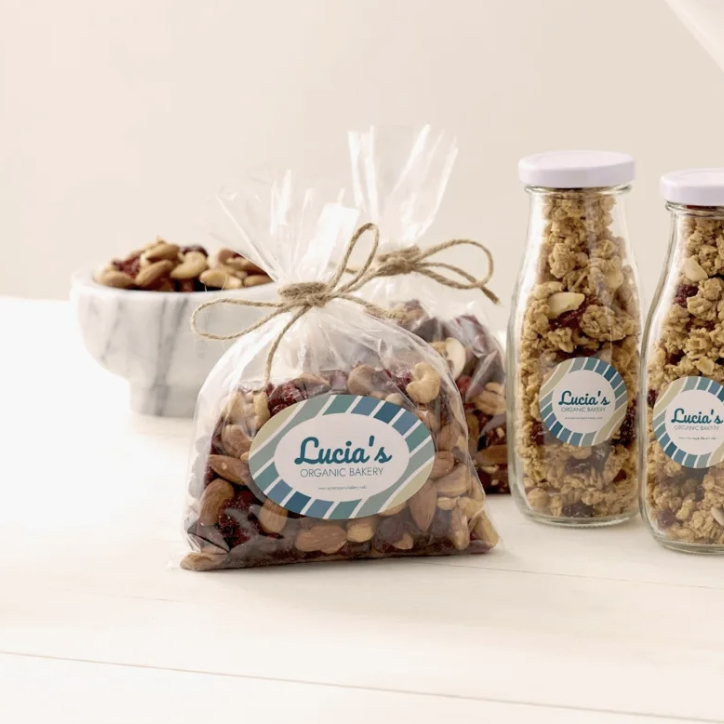
Selecting an adhesive for a paper label starts with the surface it must bond to, not simply the label’s appearance. A smooth glass jar, a textured carton, and a flexible plastic pouch place different demands on tack, contact, and long-term hold. Considering self adhesive decorative vinyl as a related facing material also helps clarify which requirements belong to the adhesive and which belong to the label construction.
A practical selection process matches the adhesive to the surface condition, application temperature, and service environment. Paper labels remain the focus here, while self adhesive decorative vinyl provides a useful comparison when appearance, flexibility, or moisture resistance changes the facing material. In either case, a bond must be tested under realistic handling conditions rather than judged by touch alone.
Assess the surface before choosing an adhesive
Identify material, texture, and surface energy
Start by identifying what the label will contact: glass, coated metal, untreated cardboard, or a plastic such as polyethylene. Surface energy influences how readily an adhesive wets the material, while texture determines how much adhesive can make contact. Self adhesive decorative vinyl may use a different face material, but the same surface assessment helps predict where bond challenges can arise.
Smooth, clean glass often allows broad contact, whereas a rough paperboard can leave small gaps beneath a label. Low-energy plastics may resist wetting and need an adhesive formulated for that substrate. When comparing paper constructions with self adhesive decorative vinyl, separate the face stock from the adhesive choice; a vinyl face does not automatically solve poor bonding to the package.
Check for coatings, release agents, dust, oil, condensation, and fingerprints, since any of these can sit between adhesive and surface. A nominally compatible adhesive can fail when applied over contamination. Self adhesive decorative vinyl is also affected by surface preparation, so sample trials should use production materials in their actual cleaned or untreated condition.
Account for shape and contact area
Flat panels generally provide more uniform contact than curved bottles, narrow edges, or recessed areas. A stiff paper label may resist wrapping around a small radius and lift at its edges, even when the adhesive has suitable tack. Self adhesive decorative vinyl can be more conformable depending on its construction, but that difference should not be mistaken for a paper-label adhesive specification.
Consider label size, corner shape, and placement as part of the bond system. Large labels can trap air during application, while sharp corners can become convenient starting points for peeling. When self adhesive decorative vinyl is evaluated for a similar package, its flexibility may inform face-stock choices, but paper labels still need a shape and adhesive combination matched to the container.
Inspect seams, ribs, embossing, and surface transitions where the label crosses from one level to another. These areas concentrate stress and can expose limitations that a small flat sample hides. Include self adhesive decorative vinyl in a comparison only if a different face material is genuinely under consideration; keep the paper label trial focused on its own surface coverage and edge hold.
Match adhesive behavior to application and use
Set application temperature and line conditions
Adhesive performance depends on conditions at the moment of application as well as later use. Cold containers, warm rooms, fast labeling lines, or short dwell times can affect initial tack and contact. Self adhesive decorative vinyl also needs an application window suited to its adhesive, so do not assume the same temperature limits apply to every label construction.
Record the package temperature, line speed, pressure from the applicator, and time between labeling and handling. If labels are applied in a chilled area, an adhesive intended for room-temperature application may not wet the surface quickly enough. A self adhesive decorative vinyl sample can provide a process comparison, but only when its adhesive and conditions are documented rather than presumed equivalent.
The adhesive should have enough initial grab to keep the label in place while it develops a more complete bond. Operators can help by using consistent pressure and avoiding wrinkles, but process adjustments cannot compensate for a poor material match. Treat self adhesive decorative vinyl as a separate construction when testing, and verify that any apparent improvement comes from the relevant variable.
Consider the service environment and removal needs
Define what the label will face after application, including moisture, temperature changes, abrasion, sunlight, or contact with oils and cleaners. These exposures can soften, weaken, or otherwise alter an adhesive over time. Self adhesive decorative vinyl may be selected where the face needs different visual or environmental properties, but the bond to the package must still be evaluated independently.
Decide whether the label must remain permanently attached, peel away cleanly, or survive a temporary process such as chilling and transport. Permanent attachment and clean removability are different targets, so specify the required outcome before requesting samples. If self adhesive decorative vinyl is part of the design, assess its removal behavior on the same surface and after the same exposure sequence.
A short-term check can reveal immediate edge lift, but some failures appear only after storage or temperature cycling. Set an evaluation period that reflects the product’s real handling and distribution path. For self adhesive decorative vinyl and paper labels alike, inspect the center, corners, and edges, and note whether failure occurs at the adhesive, face material, or package surface.
Validate the choice with production-relevant trials
Build a controlled sample test
Test candidate adhesives on the actual substrate, using the intended label stock and application method. Keep surface cleaning, pressure, temperature, and dwell time consistent so results can be compared. If self adhesive decorative vinyl is also being considered, use it as a separate sample set rather than changing both face material and adhesive without recording the difference.
Include samples from more than one production lot when surface finish can vary, and test both freshly prepared and normal in-process surfaces. Note the time of application and the timing of each inspection. This simple record makes a self adhesive decorative vinyl comparison more meaningful too, because observations can be tied to a specific substrate, adhesive, and application condition.
Evaluate initial placement, edge lift, wrinkles, bubbles, and bond after the agreed dwell period. Use the same inspection method for every sample, and record failures rather than relying on a general impression of stickiness. When self adhesive decorative vinyl is included, clearly identify it in the results so its performance is not attributed to a paper-label adhesive.
Confirm the decision against operating requirements
Before approving a material, confirm that the adhesive fits the full journey from application through storage, transport, and customer use. Review any required removability, print protection, and package appearance alongside bond strength. Self adhesive decorative vinyl can inform visual or conformability decisions, but it is not a substitute for confirming that the selected paper label meets the stated use conditions.
Share clear requirements with the label converter or materials team: surface type, finish, application temperature, expected exposure, and desired removal behavior. Include photos or physical samples where coatings and texture are difficult to describe. If self adhesive decorative vinyl appears in the specification, identify whether it is an alternative face material or a separate product need to avoid confusion.
The right choice is the adhesive that produces reliable contact on the real surface under the real process, not the one that feels strongest during an informal test. Revisit the trial when packaging, coating, line conditions, or storage changes. This disciplined approach keeps paper labels central while using self adhesive decorative vinyl only where its distinct construction adds relevant context.
FAQ
Does one adhesive work on every paper label surface?
No. Glass, cardboard, coated metal, and plastic differ in texture and surface energy, so an adhesive that bonds well to one may not suit another. Treat self adhesive decorative vinyl as a different facing option, and test its adhesive construction separately on the intended surface.
Why does a label lift after it initially sticks?
Insufficient contact, contamination, cold application, a tight curve, or stress at the edges can cause later lift. Check the package and application conditions before changing materials. The same checks matter when evaluating self adhesive decorative vinyl, although its face material may behave differently from paper.
What should a paper label adhesive trial include?
Use the production surface and label stock, replicate application pressure and temperature, then inspect after realistic storage and handling. Record the results and failure location. If self adhesive decorative vinyl is included for comparison, keep its test conditions and construction clearly documented.