 EN
EN

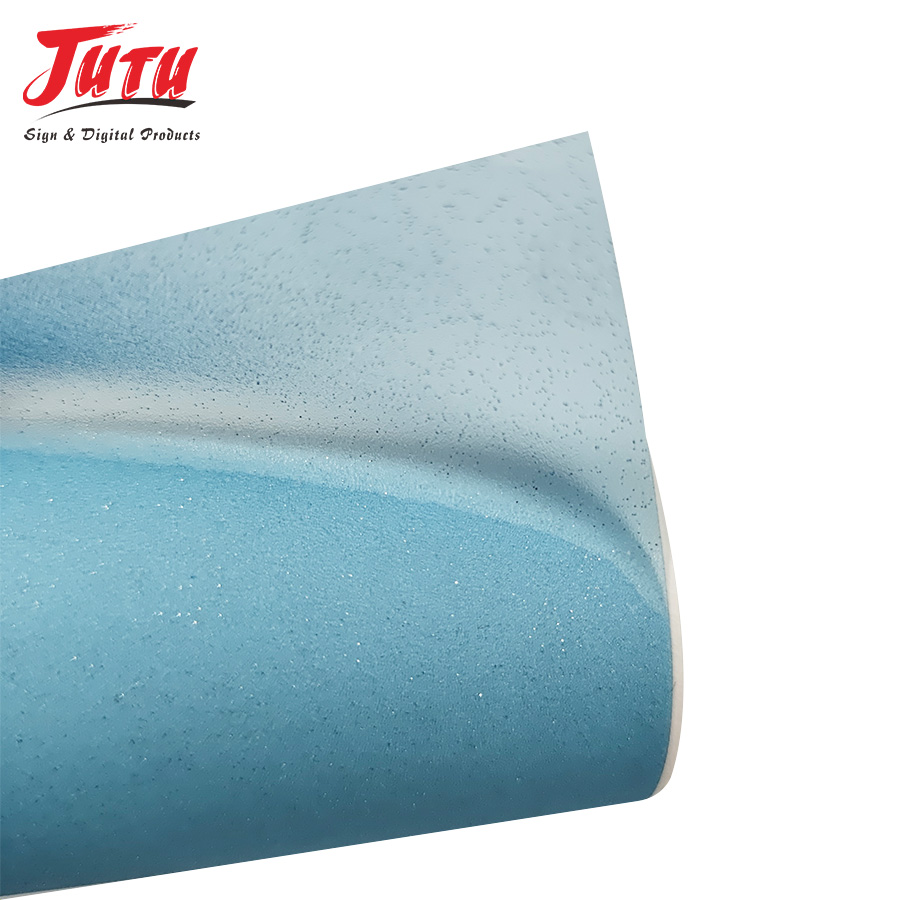
Understanding the ink absorption and drying speed characteristics of PVC adhesive vinyl is crucial for achieving professional printing results in commercial and industrial applications. These properties directly impact print quality, production efficiency, and the overall durability of finished graphics. Whether you're working with vehicle wraps, outdoor signage, or interior decorative applications, knowing how to properly test and verify these characteristics ensures optimal performance and customer satisfaction.
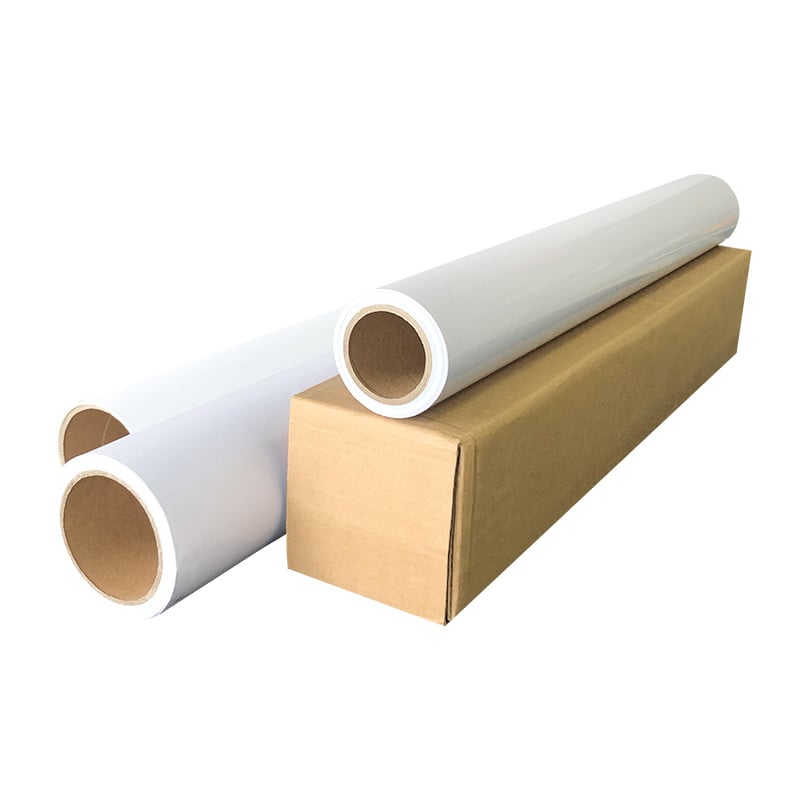
The verification process involves systematic testing methods that evaluate how quickly inks penetrate the vinyl surface and how rapidly they cure or dry under various environmental conditions. This knowledge becomes essential when selecting materials for specific projects, optimizing printing parameters, and troubleshooting quality issues in production environments.
Understanding Ink Absorption Mechanisms in PVC Materials
Surface Chemistry and Porosity Factors
The ink absorption characteristics of PVC adhesive vinyl depend heavily on the surface treatment and manufacturing process used during production. Most commercial vinyl materials feature a receptive coating designed to enhance ink adhesion and absorption rates. This coating creates microscopic pores that allow solvent-based and UV-curable inks to penetrate sufficiently for proper bonding while maintaining surface integrity.
Surface energy measurements play a critical role in determining how effectively different ink formulations will wet and absorb into the vinyl substrate. Higher surface energy typically correlates with improved ink acceptance, though excessive porosity can lead to over-absorption and color bleeding issues that compromise print quality.
Ink Chemistry Compatibility Assessment
Different ink technologies interact uniquely with PVC adhesive vinyl surfaces, requiring specific testing protocols for accurate evaluation. Solvent-based inks generally penetrate more deeply than UV-curable alternatives, while latex and eco-solvent formulations offer intermediate absorption characteristics that balance penetration depth with surface adhesion strength.
The chemical composition of the vinyl's receptive coating determines compatibility with various ink solvents and carriers. Testing multiple ink types on sample materials helps identify optimal combinations for specific applications and ensures consistent results across production runs.
Standardized Testing Methods for Absorption Rate Evaluation
Droplet Penetration Testing Procedures
The droplet test method provides a simple yet effective approach for measuring ink absorption rates in PVC adhesive vinyl materials. This technique involves placing standardized droplets of test ink onto the vinyl surface and measuring the time required for complete absorption or the extent of penetration after specified time intervals.
Proper execution requires controlled environmental conditions, including temperature and humidity levels that match intended application environments. Multiple test points across different areas of the vinyl sample ensure representative results that account for potential manufacturing variations in coating thickness or surface treatment uniformity.
Absorption Depth Analysis Techniques
Cross-sectional analysis using microscopy techniques reveals the actual penetration depth achieved by different ink formulations in PVC adhesive vinyl substrates. This method provides quantitative data about absorption characteristics and helps identify optimal ink loading levels for specific applications.
Sample preparation involves creating clean cuts through printed areas and examining the resulting cross-sections under magnification. The depth and uniformity of ink penetration indicate the effectiveness of the absorption process and potential durability of the printed image.
Drying Speed Measurement and Optimization
Environmental Impact on Curing Rates
Temperature and humidity conditions significantly influence the drying speed of inks applied to PVC adhesive vinyl surfaces. Higher temperatures generally accelerate solvent evaporation and chemical curing processes, while elevated humidity can slow drying rates and potentially affect final adhesion properties.
Controlled testing environments allow for systematic evaluation of drying characteristics under various conditions that mirror real-world application scenarios. This data helps establish optimal printing parameters and environmental controls for consistent production quality.
Touch-Dry and Full Cure Determination
Distinguishing between touch-dry and full cure states requires different testing approaches that evaluate surface tackiness and complete chemical crosslinking. Touch-dry testing involves gentle contact with the printed surface to assess whether ink transfer occurs, while full cure evaluation may require adhesion testing or chemical resistance measurements.
The time difference between touch-dry and full cure states varies significantly based on ink chemistry, vinyl surface characteristics, and environmental conditions. Understanding these timelines helps optimize production workflows and handling procedures to prevent damage during processing and installation.
Quality Control Integration and Production Optimization
Batch Testing Protocols for Consistency
Implementing systematic batch testing ensures consistent ink absorption and drying performance across different rolls or production runs of PVC adhesive vinyl. This approach involves testing representative samples from each batch using standardized procedures and comparing results against established benchmarks for acceptable performance ranges.
Documentation of test results enables trend analysis that can identify potential quality issues before they impact production outcomes. Regular monitoring also helps optimize inventory rotation and ensures older materials maintain acceptable performance characteristics throughout their shelf life.
Process Parameter Adjustment Strategies
Test results guide adjustments to printing parameters such as ink density, curing temperature, and production speed to optimize performance with specific PVC adhesive vinyl materials. These modifications help achieve consistent quality while maximizing throughput and minimizing waste in commercial production environments.
Integration with digital printing systems allows for real-time parameter adjustments based on material characteristics and environmental conditions. This capability enhances production efficiency and reduces the likelihood of quality issues that require reprinting or material replacement.
Advanced Testing Considerations for Specialized Applications
Outdoor Durability Assessment Methods
Applications requiring extended outdoor exposure demand additional testing that evaluates how ink absorption and drying characteristics affect long-term durability. Accelerated weathering tests simulate years of environmental exposure in compressed timeframes, revealing potential issues with UV stability, moisture resistance, and thermal cycling effects.
These tests help predict the performance of PVC adhesive vinyl graphics in challenging environments and guide material selection for applications where longevity is critical. Proper evaluation includes assessment of color retention, adhesion maintenance, and overall graphic integrity after simulated aging.
Chemical Resistance Verification
Certain applications expose printed PVC adhesive vinyl to chemical contaminants that may affect ink stability and substrate integrity. Testing protocols evaluate resistance to common chemicals such as cleaning solvents, automotive fluids, and industrial chemicals that may contact the finished graphics during service life.
Standardized exposure tests help identify potential compatibility issues and guide the selection of appropriate protective coatings or barrier layers when necessary. This information proves essential for applications in automotive, industrial, and healthcare environments where chemical exposure is routine.
FAQ
What is the typical ink absorption time for standard PVC adhesive vinyl
Most quality PVC adhesive vinyl materials achieve initial ink absorption within 5-15 seconds for solvent-based inks, while complete penetration and stabilization may require 30-60 seconds depending on environmental conditions and ink formulation. UV-curable inks typically show instant surface adhesion but require proper curing energy for full polymerization.
How do temperature variations affect drying speed in PVC vinyl printing
Temperature increases of 10°C typically reduce drying times by 30-50% for most ink systems used with PVC adhesive vinyl. However, excessive heat can cause ink bleeding or substrate distortion, making controlled temperature management essential for optimal results. Most commercial operations maintain temperatures between 18-25°C for consistent performance.
Can poor ink absorption be improved through surface treatment
Surface treatments such as corona discharge or flame polishing can enhance ink absorption characteristics of PVC adhesive vinyl materials that show poor initial performance. However, these treatments may affect the adhesive properties or dimensional stability, requiring careful testing before implementation in production environments.
What role does humidity play in ink drying on PVC materials
High humidity levels above 70% can significantly extend drying times for PVC adhesive vinyl applications, particularly with water-based and latex ink systems. Conversely, very low humidity below 30% may cause rapid solvent evaporation that prevents proper ink penetration and adhesion. Optimal humidity ranges typically fall between 45-65% for most commercial printing applications.