 EN
EN

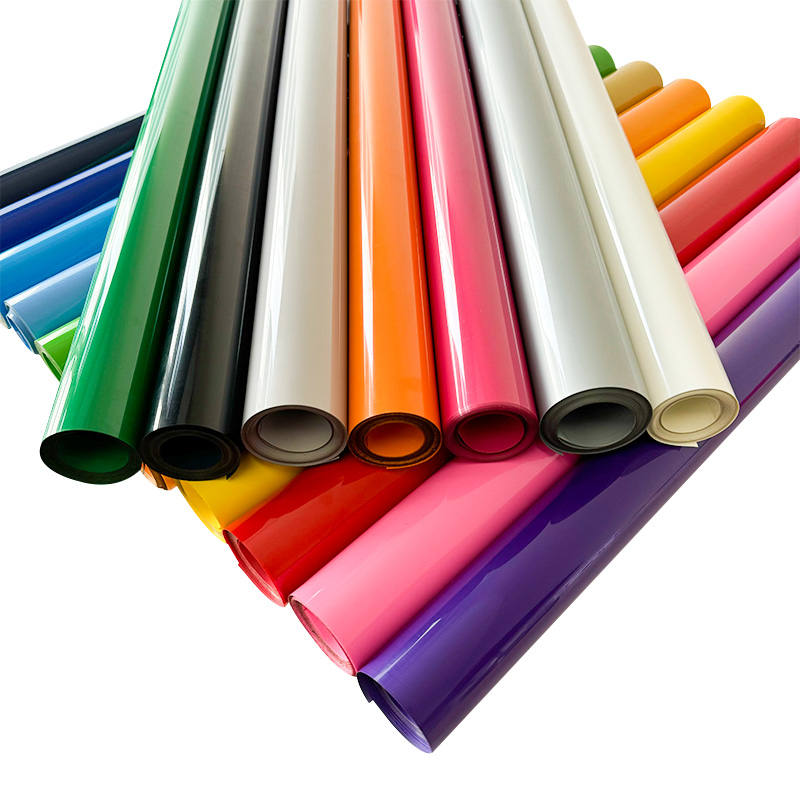
The journey of reflective sheet technology represents one of the most transformative developments in outdoor advertising and traffic safety communication. From rudimentary glass bead applications in the early 20th century to today's sophisticated microprismatic designs, reflective sheet materials have revolutionized how brands maintain visibility during nighttime hours. This evolution has been driven by persistent demands for enhanced safety, improved brand recognition after dark, and the need for advertising solutions that perform reliably across diverse environmental conditions. Understanding this technological progression provides critical context for businesses seeking to optimize their nighttime advertising investments and ensure maximum return on visibility.
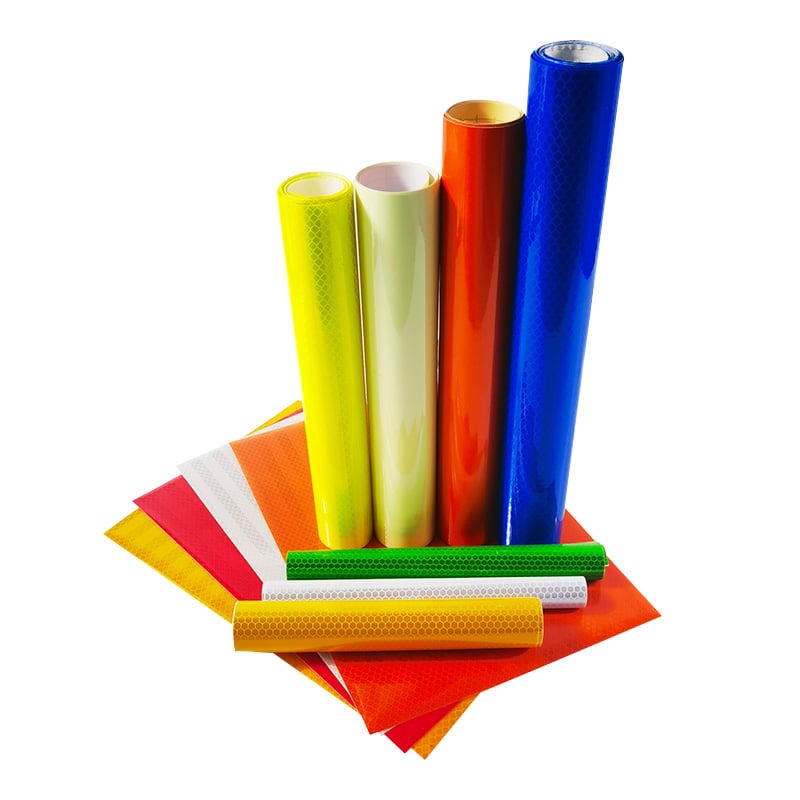
The advertising industry has witnessed a fundamental shift in how nighttime visibility challenges are addressed through progressive innovations in reflective sheet manufacturing. Early adopters of reflective technology faced significant limitations in durability, color consistency, and retroreflective performance, often accepting mediocre nighttime legibility as an inevitable compromise. Modern reflective sheet solutions have shattered these historical constraints, delivering unprecedented levels of brightness, color vibrancy, and longevity that enable advertisers to extend their visual impact seamlessly from daylight into darkness. This article traces the key technological milestones that have shaped reflective sheet development, examines the engineering breakthroughs that enabled each advancement, and explores how these innovations specifically address the evolving requirements of contemporary advertising applications.
The Foundation Years: Glass Bead Reflective Sheet Technology
Initial Development and Basic Retroreflection Principles
The earliest reflective sheet technology emerged in the 1930s when engineers discovered that embedding glass beads in adhesive backing could redirect light toward its source. This foundational approach relied on the spherical geometry of microscopic glass beads to capture incoming light and reflect it back toward the illumination point, creating the retroreflective effect essential for nighttime visibility. The initial reflective sheet products were primarily deployed on traffic signs and road markings, where their ability to enhance visibility under vehicle headlight illumination demonstrated immediate safety benefits. These early materials typically achieved retroreflective coefficients between 30 and 70 candelas per lux per square meter, representing a significant improvement over painted surfaces but still offering limited brightness under marginal lighting conditions.
Manufacturing processes for glass bead reflective sheet involved coating flexible substrates with transparent adhesive layers, then distributing precisely sized glass spheres across the surface before the adhesive cured. Quality control focused on achieving uniform bead distribution and optimal embedment depth, as variations in either parameter dramatically affected retroreflective performance. The backing materials evolved from fabric-reinforced papers to vinyl films, improving weather resistance and dimensional stability. Despite these refinements, glass bead reflective sheet technology faced inherent limitations in achieving high brightness levels and maintaining performance across wide observation angles, constraints that would eventually drive the industry toward more sophisticated optical designs.
Adoption in Early Commercial Advertising Applications
Commercial advertisers recognized the potential of reflective sheet materials in the 1950s and 1960s, initially applying them to roadside billboards and transit advertising where vehicle headlights provided consistent illumination. These early implementations revealed both the promise and limitations of glass bead technology for advertising purposes. While reflective sheet surfaces successfully maintained some visibility in darkness, the relatively modest brightness and limited color palette restricted creative flexibility and brand identity expression. Advertising professionals learned to design graphics specifically for reflective sheet substrates, often employing high-contrast color combinations and simplified visual elements to maximize legibility under varied lighting conditions.
The economic value proposition of reflective sheet technology in advertising became apparent through reduced illumination costs and extended visual engagement periods. Advertisers could eliminate or minimize external lighting requirements while maintaining brand presence throughout evening commute hours, when traffic volumes often peaked. However, the visual quality gap between daytime appearance and nighttime retroreflection remained substantial, with colors appearing muted and graphics losing fine detail after dark. These limitations motivated ongoing research into advanced reflective sheet constructions that could deliver enhanced brightness and improved color fidelity, setting the stage for the next major technological leap in retroreflective materials.
The Microprismatic Revolution in Reflective Sheet Design
Engineering Breakthrough and Enhanced Performance Characteristics
The introduction of microprismatic reflective sheet technology in the 1980s represented a paradigmatic shift in retroreflective material capabilities. Unlike glass bead systems that relied on spherical refraction, microprismatic designs employed arrays of precisely engineered cube-corner prisms molded into transparent polymer films. Each microscopic prism functioned as a triple-mirror reflector, capturing incident light and redirecting it back toward the source with far greater efficiency than spherical beads could achieve. This geometric approach enabled reflective sheet products to deliver retroreflective coefficients exceeding 250 candelas per lux per square meter, representing a threefold to fourfold improvement over conventional glass bead materials.
The manufacturing precision required for microprismatic reflective sheet production demanded significant advances in polymer processing and tooling technology. Engineers developed specialized embossing techniques capable of replicating millions of cube-corner prisms per square meter with dimensional tolerances measured in micrometers. The optical performance of microprismatic reflective sheet depended critically on maintaining exact 90-degree angles at each prism apex and ensuring uniform prism geometry across large production runs. Quality control systems incorporated advanced metrology to verify retroreflective performance across multiple observation angles and entrance angles, ensuring consistent brightness regardless of viewing position or illumination geometry. These manufacturing capabilities transformed reflective sheet from a functional safety material into a premium substrate suitable for high-impact advertising applications.
Color Vibrancy and Graphic Reproduction Advantages
Microprismatic reflective sheet technology delivered breakthrough improvements in color saturation and graphic reproduction that fundamentally expanded creative possibilities for nighttime advertising. The enhanced retroreflective efficiency allowed thinner pigment layers to achieve target brightness levels, reducing the color dulling effect that plagued earlier reflective sheet products. Advertising designers gained access to expanded color gamuts that maintained reasonable fidelity between daytime appearance and nighttime retroreflection, enabling more sophisticated brand identity execution and visual storytelling. The improved angular performance of microprismatic reflective sheet also meant that graphics remained visible and recognizable across wider viewing angles, increasing the effective engagement zone for roadside advertising installations.
Print technology compatibility represented another critical advancement enabled by microprismatic reflective sheet surfaces. The smoother, more uniform face films of these materials proved more receptive to screen printing, digital printing, and vinyl graphic application than the textured surfaces of glass bead products. This compatibility allowed advertising producers to leverage existing graphic production workflows and equipment, reducing implementation barriers and enabling cost-effective customization. The dimensional stability of microprismatic reflective sheet constructions also improved graphic registration and minimized distortion during application, ensuring that complex designs maintained visual integrity. These combined advantages positioned microprismatic technology as the preferred reflective sheet solution for professional advertising applications demanding both performance and aesthetic quality.
Durability Engineering and Environmental Resistance Advances
Weather Resistance and Longevity Improvements
The evolution of reflective sheet technology has progressively addressed durability challenges that limited the service life and reliability of early retroreflective advertising materials. Initial glass bead products suffered from moisture infiltration, adhesive degradation, and physical bead loss under environmental exposure, often requiring replacement within three to five years. Modern reflective sheet constructions incorporate multiple protective layers designed to resist ultraviolet radiation, temperature extremes, chemical exposure, and physical abrasion. Advanced polymer formulations in contemporary reflective sheet face films include UV stabilizers and antioxidants that maintain optical clarity and prevent yellowing throughout extended outdoor exposure periods, with premium products warranted for seven to ten years of performance retention.
The multilayer architecture of current reflective sheet products exemplifies sophisticated materials engineering tailored to advertising environment demands. Protective overlaminates shield the retroreflective optical layer from direct environmental contact while maintaining optical transmission efficiency. These overlaminates resist scratching, graffiti penetration, and chemical attack from atmospheric pollutants and cleaning agents. Adhesive systems have evolved to maintain bond integrity across temperature cycling and substrate expansion-contraction, preventing edge lifting and moisture intrusion that compromise retroreflective performance. The cumulative effect of these durability enhancements has transformed reflective sheet materials from consumable components requiring frequent replacement into long-term advertising infrastructure investments that maintain visual impact throughout their entire service life.
Performance Retention Under Real-World Conditions
Field performance testing has driven continuous refinement of reflective sheet technology to ensure that laboratory specifications translate into reliable real-world advertising visibility. Accelerated weathering protocols simulate years of environmental exposure in controlled chambers, enabling manufacturers to validate performance retention before product release. These tests reveal how reflective sheet brightness, color stability, and adhesion respond to cumulative ultraviolet exposure, thermal cycling, moisture immersion, and pollutant deposition. Premium reflective sheet products now routinely maintain 80 percent or more of their initial retroreflective coefficient after five years of outdoor exposure, ensuring that advertising installations deliver consistent nighttime visibility throughout their planned service period.
Installation methodology and substrate preparation have emerged as critical factors influencing long-term reflective sheet performance in advertising applications. Surface contamination, inadequate cleaning, or incompatible substrates can compromise adhesive bonding and accelerate material degradation regardless of intrinsic reflective sheet quality. Professional installation protocols specify detailed surface preparation sequences, application temperature ranges, and pressure application techniques that optimize initial bond formation and minimize trapped air or moisture. Post-installation inspection procedures verify complete adhesion and proper edge sealing, addressing potential failure initiation points before environmental exposure begins. This systems approach to reflective sheet application recognizes that material technology and installation craftsmanship must work in concert to deliver the durability expectations that advertising applications demand.
Digital Integration and Modern Manufacturing Capabilities
Compatibility with Digital Printing Technologies
The convergence of reflective sheet technology with digital printing has revolutionized customization capabilities and production economics for nighttime advertising applications. Early reflective sheet graphics relied exclusively on screen printing or cut vinyl application, limiting design complexity and requiring substantial setup investments for each unique design. The development of reflective sheet formulations compatible with solvent, eco-solvent, latex, and UV-curable inkjet systems eliminated these constraints, enabling full-color photographic reproduction and variable data printing on retroreflective substrates. This capability transformed reflective sheet from a specialty material requiring dedicated production workflows into a versatile substrate accessible through standard wide-format printing equipment.
Ink adhesion and color gamut on reflective sheet surfaces presented unique technical challenges that required collaborative development between material manufacturers and ink formulators. The microprismatic structures and protective overlaminates of modern reflective sheet products created surface energy characteristics distinct from conventional sign vinyl, demanding ink chemistry modifications to ensure durable adhesion without compromising retroreflective performance. Color matching protocols also required adjustment, as the retroreflective base influenced apparent color differently than white vinyl substrates. Contemporary reflective sheet products designed for digital printing incorporate surface treatments that optimize ink wetting and adhesion while maintaining optical efficiency, with some formulations achieving color gamuts approaching 95 percent of standard vinyl capability.
Production Efficiency and Short-Run Economics
Digital printing compatibility has fundamentally altered the economic equation for reflective sheet advertising graphics, making short production runs and customized designs economically viable for the first time. Traditional screen printing on reflective sheet required substantial setup costs that could only be amortized across large production quantities, effectively restricting reflective advertising to standardized messages or high-volume campaigns. Digital production eliminated these setup barriers, enabling economical production of single units or small batches with equivalent per-unit costs across any quantity. This shift democratized access to reflective sheet advertising technology, allowing smaller advertisers and niche applications to leverage nighttime visibility enhancement previously available only to major campaigns.
The production workflow integration enabled by digitally printable reflective sheet materials has compressed lead times and expanded design iteration possibilities. Advertisers can now progress from concept approval to installed graphics within days rather than weeks, facilitating responsive campaign execution and seasonal message optimization. The ability to produce test samples and mockups cost-effectively supports more rigorous design validation before committing to full production, reducing the risk of visual communication failures. Variable data capabilities enable personalized or location-specific messaging within reflective sheet advertising installations, increasing relevance and engagement potential. These production advantages have repositioned reflective sheet technology from a specialized safety material occasionally adapted for advertising into a mainstream graphic substrate valued for both its functional performance and production versatility.
Future Trajectories in Reflective Sheet Innovation
Emerging Technologies and Performance Frontiers
Current research and development efforts in reflective sheet technology are exploring multiple pathways toward enhanced performance that will further expand advertising application potential. Structured optical films incorporating nano-scale features promise retroreflective coefficients exceeding 500 candelas per lux per square meter while maintaining excellent color reproduction and durability. These advanced reflective sheet constructions employ precision manufacturing techniques derived from display technology and photonics research, creating optical structures that manipulate light with unprecedented efficiency. Some experimental designs incorporate wavelength-selective reflection that could enable reflective sheet materials to appear different colors depending on viewing angle or illumination spectrum, opening entirely new creative possibilities for dynamic nighttime advertising experiences.
Sustainability considerations are driving investigation of bio-based polymers and recycled content formulations for reflective sheet manufacturing, addressing environmental concerns without compromising performance. Traditional reflective sheet products rely heavily on petroleum-derived polymers and energy-intensive production processes, creating substantial carbon footprints and end-of-life disposal challenges. Next-generation materials under development incorporate renewable feedstocks, solvent-free processing, and designs facilitating material recovery and recycling. These initiatives respond to growing advertiser demand for environmentally responsible communication materials and anticipate potential regulatory requirements for sustainable product design. The successful commercialization of high-performance sustainable reflective sheet alternatives would represent a significant evolution in the technology's environmental profile while maintaining the visibility and durability characteristics that advertising applications require.
Integration with Smart Infrastructure and IoT Systems
The convergence of reflective sheet technology with embedded sensors and connectivity represents a frontier that could transform passive nighttime advertising into interactive, responsive communication platforms. Experimental systems incorporate thin-film electronics and energy harvesting capabilities directly into reflective sheet constructions, enabling illumination enhancement, content changes, or data collection without external power infrastructure. These hybrid materials maintain baseline retroreflective functionality while adding programmable features that respond to environmental conditions, traffic patterns, or networked control signals. Such capabilities could enable reflective sheet advertising that adapts messaging based on time of day, weather conditions, or audience demographics detected through integrated sensing.
The technical challenges of integrating electronic functionality into reflective sheet materials while preserving optical performance, flexibility, and durability remain substantial but surmountable. Transparent conductive materials, flexible circuit designs, and ultra-low-power electronics continue advancing in capability and declining in cost, making integration increasingly practical. The advertising value proposition centers on enhanced engagement, measurable audience interaction, and dynamic content delivery that maintains effectiveness even during power interruptions through fallback to passive retroreflection. While fully realized smart reflective sheet products remain largely in development phases, pilot installations are demonstrating technical feasibility and providing valuable performance data that will inform commercial product evolution. This technological trajectory suggests that the distinction between illuminated digital displays and passive reflective sheet advertising may progressively blur, creating hybrid solutions that optimize visibility, energy efficiency, and communication flexibility.
FAQ
What makes modern reflective sheet technology more effective than earlier versions for advertising applications?
Modern reflective sheet technology employs microprismatic optical structures that deliver three to four times greater brightness than earlier glass bead designs, enabling significantly enhanced nighttime visibility. Contemporary formulations also offer superior color reproduction, allowing advertising graphics to maintain brand identity and visual impact after dark. Advanced protective layers and adhesive systems extend service life to seven to ten years while maintaining performance, compared to three to five years for older reflective sheet products. Digital printing compatibility eliminates the production limitations that previously restricted reflective sheet to simple, high-volume designs, making customized short-run graphics economically viable. These combined improvements have transformed reflective sheet from a functional safety material into a premium advertising substrate that delivers reliable nighttime visibility with excellent aesthetic quality.
How does reflective sheet performance compare to externally illuminated or backlit advertising in terms of visibility and cost?
Reflective sheet technology provides effective nighttime visibility without electricity consumption or lighting infrastructure, offering significant operational cost advantages over illuminated alternatives. While backlit displays typically deliver superior brightness in completely dark environments, reflective sheet performs exceptionally well under ambient illumination from street lights, vehicle headlights, and urban light pollution common in most advertising locations. The installation simplicity of reflective sheet graphics eliminates electrical permitting, trenching, and ongoing utility costs associated with illuminated displays. Service life considerations favor reflective sheet in many scenarios, as the absence of lighting components eliminates bulb replacement and electrical system maintenance. The optimal choice depends on specific site conditions, with reflective sheet offering compelling advantages for distributed installations, temporary campaigns, and locations where electrical infrastructure is impractical or cost-prohibitive.
What factors should advertisers consider when selecting reflective sheet grades for specific applications?
Application-specific reflective sheet selection should evaluate viewing distance, ambient lighting conditions, expected service life, and budget parameters to optimize performance and value. Higher retroreflective coefficient materials deliver greater visibility at extended distances and under marginal lighting but command premium pricing that may exceed requirements for close-proximity applications. Color requirements influence material selection, as not all reflective sheet grades offer equivalent color gamuts or daytime appearance quality. Durability specifications should align with planned installation duration and environmental exposure severity, avoiding over-specification that increases costs without delivering value. Substrate compatibility and installation method also affect material choice, as some reflective sheet constructions adhere better to specific surfaces or perform more reliably with particular application techniques. Professional consultation with experienced suppliers helps match material characteristics to application requirements, ensuring optimal performance within budget constraints.
Can reflective sheet technology maintain effectiveness in various weather conditions and geographic locations?
Premium reflective sheet products are engineered to maintain retroreflective performance across diverse environmental conditions, including temperature extremes, humidity variations, and precipitation exposure. The protective overlaminates and sealed constructions of contemporary reflective sheet materials prevent moisture infiltration and resist degradation from freeze-thaw cycling, ensuring consistent visibility regardless of weather conditions. Geographic considerations primarily affect service life expectations rather than immediate performance, with high-altitude ultraviolet exposure and extreme temperature environments accelerating gradual degradation. Manufacturers provide warranty specifications and performance predictions based on geographic exposure categories, enabling informed material selection for specific installation locations. Proper surface preparation and installation technique prove critical to long-term performance in challenging environments, as installation deficiencies can compromise material capabilities regardless of intrinsic product quality. When correctly specified and professionally installed, reflective sheet advertising maintains effective nighttime visibility across virtually all populated geographic regions.
Table of Contents
- The Foundation Years: Glass Bead Reflective Sheet Technology
- The Microprismatic Revolution in Reflective Sheet Design
- Durability Engineering and Environmental Resistance Advances
- Digital Integration and Modern Manufacturing Capabilities
- Future Trajectories in Reflective Sheet Innovation
-
FAQ
- What makes modern reflective sheet technology more effective than earlier versions for advertising applications?
- How does reflective sheet performance compare to externally illuminated or backlit advertising in terms of visibility and cost?
- What factors should advertisers consider when selecting reflective sheet grades for specific applications?
- Can reflective sheet technology maintain effectiveness in various weather conditions and geographic locations?