 EN
EN

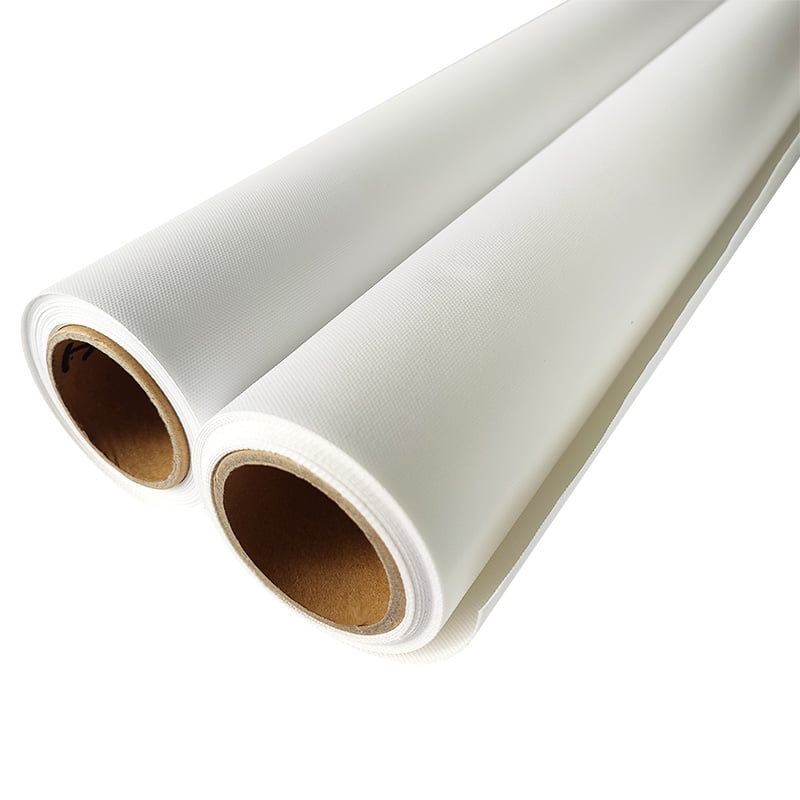
Sourcing eco-friendly cotton canvas has become essential for artists, manufacturers, and designers who prioritize sustainability without compromising quality. Eco-friendly cotton canvas offers a sustainable alternative to synthetic materials while maintaining the durability and aesthetic appeal that professionals demand. Understanding the texture, weight, and archival properties of eco-friendly cotton canvas ensures that your sourcing decisions align with both environmental values and functional requirements.
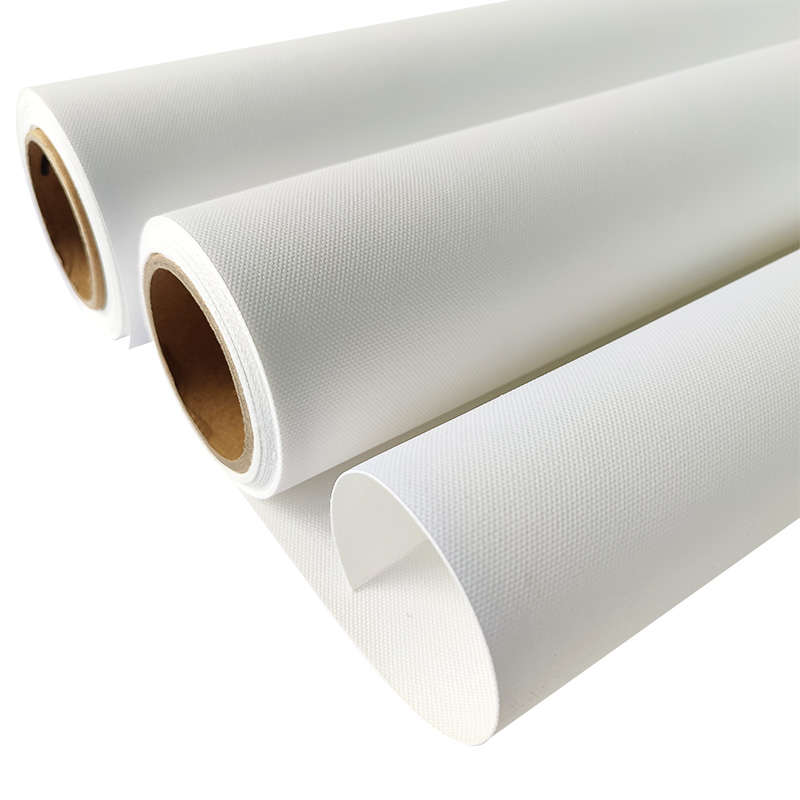
When selecting eco-friendly cotton canvas, sourcing professionals must evaluate multiple parameters beyond basic availability. The combination of texture fineness, weight specifications, and archival durability determines whether your eco-friendly cotton canvas will serve your intended application effectively. This comprehensive sourcing guide explores the critical factors that distinguish premium eco-friendly cotton canvas from standard alternatives, enabling informed purchasing decisions.
Understanding Eco-Friendly Cotton Canvas Texture
Surface Finish and Weave Structure
The texture of eco-friendly cotton canvas directly impacts its functionality and aesthetic characteristics. Eco-friendly cotton canvas produced through sustainable farming practices maintains consistent weave patterns that determine surface smoothness and tactile qualities. The texture depends on fiber fineness, twist levels, and weaving density, all of which must be optimized for your specific application.
Premium eco-friendly cotton canvas typically exhibits uniform surface texture with minimal irregularities. The weave structure influences how paint, ink, or other applications adhere to the surface. When sourcing eco-friendly cotton canvas, texture uniformity indicates careful production control and sustainable processing methods that preserve natural fiber characteristics without harsh chemical treatments.
Texture Variations and Application Suitability
Different applications require varying texture profiles within eco-friendly cotton canvas. Fine-texture eco-friendly cotton canvas suits detailed work and precision applications, while coarser weaves provide excellent grip for expressive techniques. Understanding these texture variations ensures your sourced eco-friendly cotton canvas matches project requirements precisely.
Sustainable manufacturing practices for eco-friendly cotton canvas preserve natural fiber characteristics that create unique texture advantages. Unlike synthetic alternatives, eco-friendly cotton canvas develops a subtle surface patina over time, enhancing aesthetic appeal. Professional sourcing evaluates texture consistency across production batches to ensure reliable quality standards for eco-friendly cotton canvas.
Evaluating Weight Specifications for Eco-Friendly Cotton Canvas
Weight Measurement Standards
Weight serves as a fundamental specification when sourcing eco-friendly cotton canvas for different applications. Eco-friendly cotton canvas weight typically ranges from lightweight options starting at 200 GSM to heavy-duty variants exceeding 700 GSM. Understanding weight standards helps professionals select appropriate eco-friendly cotton canvas for specific functional and structural requirements.
GSM measurement indicates grams per square meter, a standardized metric for evaluating eco-friendly cotton canvas specifications. This measurement system enables consistent comparison across suppliers and ensures that sourced eco-friendly cotton canvas meets exact project specifications. Proper weight selection prevents structural failures and performance issues in finished products.
Weight Selection for Different Applications
Lightweight eco-friendly cotton canvas ranging from 200 to 350 GSM works well for fine art applications, decorative textiles, and fashion projects requiring drape and flexibility. Mid-weight eco-friendly cotton canvas between 350 and 550 GSM offers versatility for general artistic purposes and industrial applications. Heavy-weight eco-friendly cotton canvas exceeding 550 GSM provides structural strength for outdoor installations, professional gallery displays, and demanding industrial uses.
When sourcing eco-friendly cotton canvas, weight selection directly impacts durability and longevity. Heavier options provide superior protection against environmental stresses, while lighter variants enable creative flexibility. Sustainable manufacturers offering eco-friendly cotton canvas typically provide detailed weight specifications and sample options for accurate sourcing decisions.
Archival Properties and Longevity of Eco-Friendly Cotton Canvas
Archival Standards and Preservation
Archival properties distinguish premium eco-friendly cotton canvas from commodity alternatives, ensuring long-term preservation of finished work. Eco-friendly cotton canvas with archival certification resists degradation from light exposure, humidity fluctuations, and environmental pollutants. When sourcing eco-friendly cotton canvas for valuable projects, archival properties become critical investment considerations.
True archival eco-friendly cotton canvas undergoes rigorous testing to confirm acid-free composition and permanent stability. Sustainable manufacturing processes for eco-friendly cotton canvas typically avoid harsh bleaching agents and chemical treatments that compromise archival performance. Professional sourcing requires verifying that eco-friendly cotton canvas carries appropriate archival certifications from recognized testing organizations.
Chemical Composition and Environmental Stability
The archival quality of eco-friendly cotton canvas depends on minimal chemical residue and neutral pH levels maintained throughout production. Eco-friendly cotton canvas manufactured using sustainable practices avoids synthetic sizing compounds that degrade over decades. When sourcing eco-friendly cotton canvas, chemical composition analysis provides objective assurance of long-term preservation capabilities.
Environmental stability of eco-friendly cotton canvas ensures protection against yellowing, brittleness, and structural deterioration. Acid-free processing maintains eco-friendly cotton canvas viability through extended storage and display periods. Sourcing decisions should prioritize archival-grade eco-friendly cotton canvas for professional galleries, museum installations, and heritage preservation projects where permanence justifies premium investment.
Performance Testing and Quality Assurance
Reliable sourcing of eco-friendly cotton canvas requires verification through standardized performance tests. Tensile strength evaluation confirms that eco-friendly cotton canvas maintains structural integrity under stress conditions. Accelerated aging tests demonstrate how eco-friendly cotton canvas responds to simulated decades of environmental exposure.
Professional suppliers of eco-friendly cotton canvas provide comprehensive test documentation demonstrating compliance with international archival standards. These certifications protect sourcing decisions and guarantee that eco-friendly cotton canvas meets published specifications. Requesting detailed quality assurance documentation helps identify premium suppliers of eco-friendly cotton canvas versus casual vendors.
Practical Sourcing Strategies for Eco-Friendly Cotton Canvas
Supplier Evaluation and Sustainability Verification
Effective sourcing of eco-friendly cotton canvas requires evaluating supplier commitments to sustainable practices. Authentic eco-friendly cotton canvas manufacturers employ organic farming methods, water-efficient processing, and minimal chemical inputs. When assessing suppliers, request documentation of sustainable sourcing practices to verify that eco-friendly cotton canvas truly meets environmental standards.
Certifications from recognized sustainability organizations provide objective verification that sourced eco-friendly cotton canvas meets rigorous environmental criteria. Suppliers of eco-friendly cotton canvas should provide transparent supply chain information and production methodology details. Direct communication with manufacturers allows professionals to source eco-friendly cotton canvas with full confidence in environmental authenticity.
Sample Evaluation and Batch Testing
Professional sourcing practices include requesting samples of eco-friendly cotton canvas before committing to large purchases. Physical samples reveal actual texture characteristics, weight feel, and surface quality that specifications alone cannot convey. Testing eco-friendly cotton canvas samples with your specific applications ensures compatibility before production-scale sourcing decisions.
Batch consistency evaluation protects sourcing decisions from quality variations that sometimes occur between production runs. Requesting samples from different eco-friendly cotton canvas batches allows verification that suppliers maintain consistent standards. This due diligence prevents costly production issues and ensures that sourced eco-friendly cotton canvas meets every project requirement reliably.
FAQ
What defines eco-friendly cotton canvas compared to conventional options?
Eco-friendly cotton canvas distinguishes itself through sustainable cultivation practices, chemical-free processing, and minimal environmental impact throughout production. Conventional canvas often involves synthetic sizing compounds and harsh chemical treatments that compromise both environmental sustainability and archival permanence. Authentic eco-friendly cotton canvas maintains natural fiber characteristics while meeting rigorous environmental and performance standards that standard alternatives frequently cannot achieve.
How do I verify the archival properties of eco-friendly cotton canvas before sourcing?
Reliable verification of archival eco-friendly cotton canvas requires requesting formal certification documentation from suppliers. International organizations like ISO and official archival standards bodies provide testing protocols that confirm acid-free composition and permanence characteristics. Request detailed test reports showing pH levels, chemical composition analysis, and accelerated aging test results to ensure that sourced eco-friendly cotton canvas provides genuine archival protection for valuable projects.
What weight of eco-friendly cotton canvas works best for professional art applications?
Mid-weight eco-friendly cotton canvas between 350 and 550 GSM offers optimal balance for professional art applications, providing adequate structural support while maintaining workability. Light-weight eco-friendly cotton canvas suits delicate techniques and decorative applications, while heavy-weight variants provide maximum durability for gallery installations and outdoor displays. Selecting appropriate eco-friendly cotton canvas weight depends on your specific artistic techniques, display environment, and intended longevity requirements.
Strategic Sourcing Conclusions
Sourcing eco-friendly cotton canvas requires systematic evaluation of texture, weight, and archival properties to align with both environmental values and functional performance standards. Professional sourcing decisions benefit from direct supplier communication, comprehensive sample evaluation, and verification of sustainability certifications. By prioritizing quality specifications and environmental authenticity, organizations can confidently source eco-friendly cotton canvas that delivers reliable performance while supporting sustainable manufacturing practices. The premium investment in premium eco-friendly cotton canvas protects both project longevity and environmental responsibility, making informed sourcing essential for professionals committed to excellence.