 EN
EN

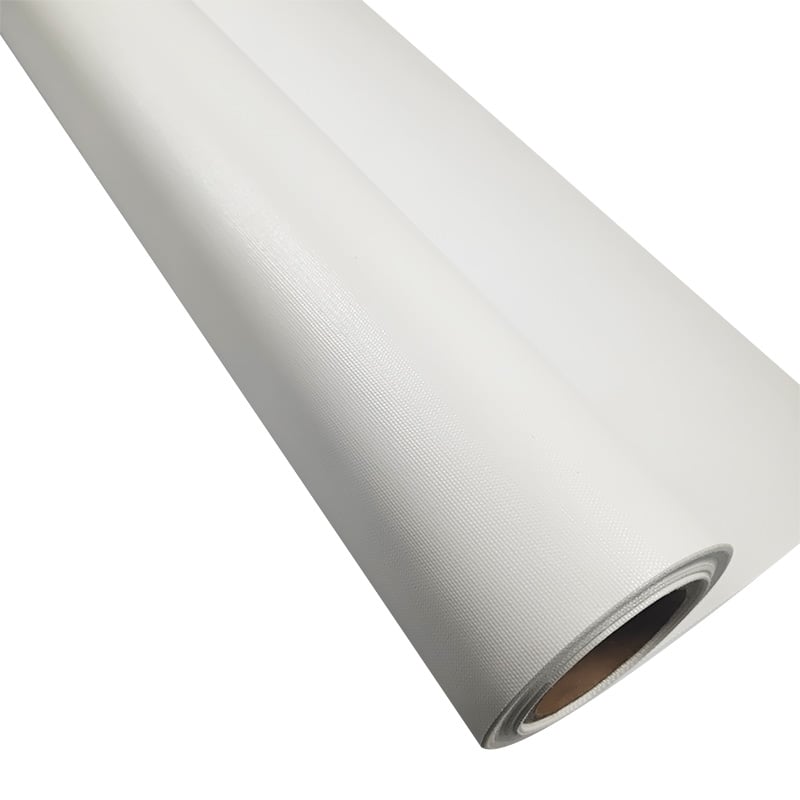
Stretching cotton canvas is a fundamental technique for artists, craft enthusiasts, and industrial applications, yet many practitioners encounter frustrating cracking issues that compromise their finished product. Understanding how to prevent cracking during stretching is essential to maintaining material integrity and achieving professional results. Whether you're preparing canvas for painting, upholstery work, or textile applications, the tension, moisture content, and fabric quality directly influence whether your cotton canvas will stretch smoothly or develop stress fractures.
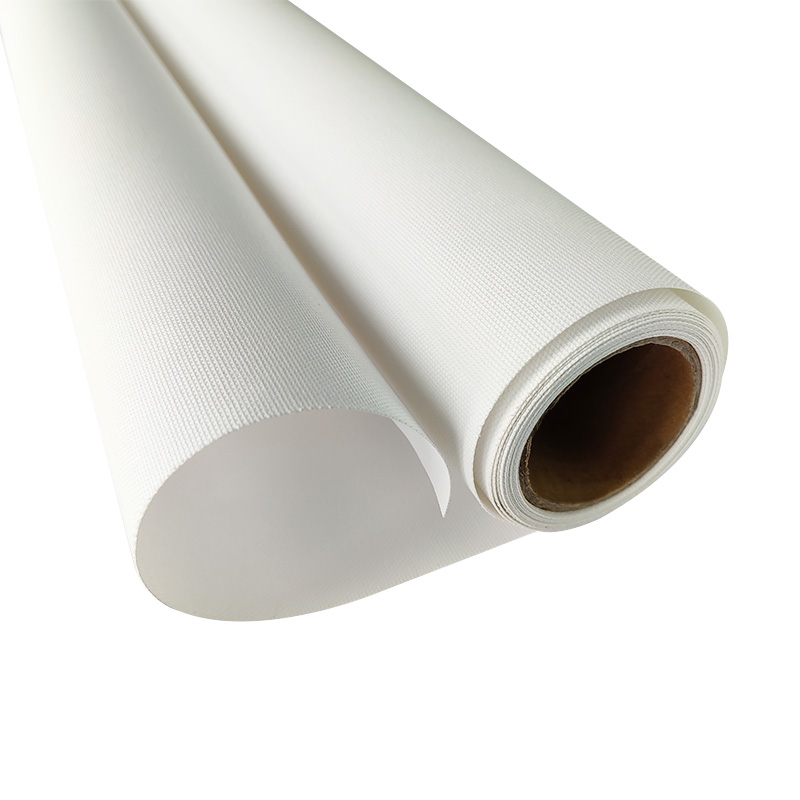
The core challenge in preventing cracking during stretching lies in balancing the forces applied to the fabric with its structural capacity. Cotton canvas, while durable, has natural fiber limitations that become apparent under excessive or poorly distributed tension. This article explores proven strategies to prevent cracking during stretching, covering material preparation, equipment selection, tension control, and best practices that protect your investment in quality materials.
Understanding Material Composition and Preparation
Why Cotton Canvas Quality Matters
High-quality cotton canvas is constructed from tightly woven fibers that provide strength and flexibility, yet these same characteristics require careful handling during stretching operations. The weave density, fiber diameter, and chemical treatment of your cotton canvas directly affect its resistance to cracking. Canvas with loose weaves or inconsistent fiber quality becomes more susceptible to stress fractures when stretched. To prevent cracking during stretching, begin by selecting premium cotton canvas from reputable suppliers who maintain strict quality standards for thread consistency and fabric uniformity.
Pre-Stretching Preparation Steps
Before you attempt to prevent cracking during stretching, prepare your cotton canvas through proper conditioning. Lightly mist the fabric with water to increase fiber flexibility, allowing the material to respond more naturally to tension without sudden snapping. Allow the dampened cotton canvas to rest for fifteen to twenty minutes, enabling moisture to distribute evenly throughout the weave structure. Never oversaturate the material, as excessive moisture weakens fiber strength and creates different cracking mechanisms. Inspect your cotton canvas for any manufacturing defects, loose threads, or weak spots that could initiate cracks when stress is applied. This preparatory phase directly influences your success in preventing cracking during stretching operations.
Mastering Tension Control and Distribution
Progressive Tension Application
The most critical factor in preventing cracking during stretching is applying tension gradually and uniformly across the entire cotton canvas surface. Rapid, forceful pulling concentrates stress at specific points, creating immediate fractures in the fabric. Instead, use a systematic approach where you increase tension incrementally, checking the entire canvas surface for even stretching. Start with gentle, even tension on all sides simultaneously rather than fully stretching one edge before moving to the next. This balanced method distributes load evenly throughout your cotton canvas, reducing localized stress that causes cracking. Professional framers and artists who consistently prevent cracking during stretching swear by this incremental technique.
Strategic Corner and Edge Management
Corners and edges of cotton canvas experience disproportionate stress during stretching operations, making them critical zones for preventing cracking during stretching. Use specialized corner blocks or fabric corners that distribute force across a wider area rather than concentrating pressure on a single point. When securing cotton canvas to stretching bars or frames, ensure fastening points are spaced closely enough to prevent uneven bulging between attachment points. Rotate your attention around the perimeter systematically, applying modest tension increases sequentially to each section. This methodical approach ensures that no single region becomes overtensioned, effectively preventing cracking during stretching before it begins.
Equipment Selection and Environmental Control
Choosing Appropriate Stretching Equipment
Your equipment selection significantly impacts whether you successfully prevent cracking during stretching. Stretching frames designed specifically for cotton canvas feature smoother edges, broader clamping surfaces, and mechanical advantage systems that reduce the force required from your hands or devices. Inferior equipment concentrates pressure unevenly, creating ideal conditions for the exact cracking you're trying to prevent. Invest in quality stretching bars, canvas pliers with padded grips, or pneumatic systems if you perform frequent stretching work. The padded jaws of professional canvas pliers distribute force across a larger fabric area compared to metal-only tools. These equipment choices make preventing cracking during stretching substantially easier and more reliable.
Temperature and Humidity Optimization
Environmental conditions dramatically affect cotton canvas fiber behavior and your ability to prevent cracking during stretching. Cotton fibers contract in dry conditions and expand in humidity, both extremes creating tension inconsistencies that promote cracking. Maintain a moderate environment between 45 percent and 65 percent relative humidity when you need to prevent cracking during stretching. Temperature fluctuations cause fibers to expand and contract unevenly, generating internal stresses that manifest as surface cracks. Allow your cotton canvas to acclimate to room temperature for at least an hour before stretching, ensuring thermal equilibrium within the fiber structure. These environmental controls work silently in the background to prevent cracking during stretching by maintaining stable fiber conditions.
Advanced Techniques and Maintenance
Secondary Support Methods
Professional practitioners often employ supplementary techniques when they must prevent cracking during stretching under challenging conditions. Backing fabric, lightly adhesive mesh, or specialized primers can reinforce vulnerable areas of your cotton canvas before stretching begins. These backing systems don't restrict the stretching process but distribute tension more evenly throughout the canvas structure. If your cotton canvas contains areas with weaker weave patterns, apply reinforcement to these zones specifically to prevent cracking during stretching from initiating at these vulnerable points. This proactive strategy transforms potentially problematic materials into reliable stretching candidates.
Long-Term Durability and Re-Stretching
Once you've successfully managed to prevent cracking during stretching, maintain proper conditions to preserve the stretched cotton canvas. Avoid sudden humidity changes, direct sunlight exposure, or mechanical stress that could reverse your careful work. If you need to re-stretch cotton canvas, repeat the initial preparation and progressive tension protocol rather than assuming previous stretching has permanently set the fibers. Many cracking failures occur during re-stretching attempts when artists skip proper preparation and rush to reach previous tension levels. Treating each stretching session—whether initial or subsequent—with the same methodical approach ensures you consistently prevent cracking during stretching throughout the material's useful life.
FAQ
What causes cotton canvas to crack when stretching?
Cotton canvas cracks during stretching primarily due to uneven tension distribution, overly rapid force application, environmental stress fluctuations, and fiber quality limitations. When tension concentrates on specific areas rather than distributing uniformly, localized stress exceeds the fiber's breaking strength, resulting in visible cracks. Poor quality cotton canvas with loose weaves or inconsistent threads becomes particularly vulnerable. Additionally, stretching in extreme temperature or humidity conditions causes fiber expansion or contraction that creates internal stresses manifesting as surface cracking.
How much tension should I apply when stretching cotton canvas?
Begin with light tension that merely removes wrinkles from the cotton canvas, then increase force gradually in small increments while monitoring the entire fabric surface for even stretching. The material should feel moderately taut, similar to a drum head, rather than extremely rigid or loose. Most artists aim for tension that prevents sagging under normal conditions without creating visible fiber distortion or bulging. The specific tension depends on canvas weight, weave density, and intended application, but the principle remains constant: progressive, incremental increases prevent sudden stress failures that cause cracking.
Can I prevent cracking during stretching by using wet cotton canvas?
Lightly dampening cotton canvas before stretching can increase fiber flexibility and reduce cracking risk, but excessive moisture weakens the material and creates different cracking mechanisms. The optimal approach involves misting the cotton canvas lightly until it feels slightly damp, then allowing it to rest briefly before stretching. Fully submerging or saturating cotton canvas actually increases cracking likelihood because waterlogged fibers lose structural integrity. The key is using minimal moisture purely to enhance flexibility during the stretching process, balancing hydration benefits against weakening effects.