 EN
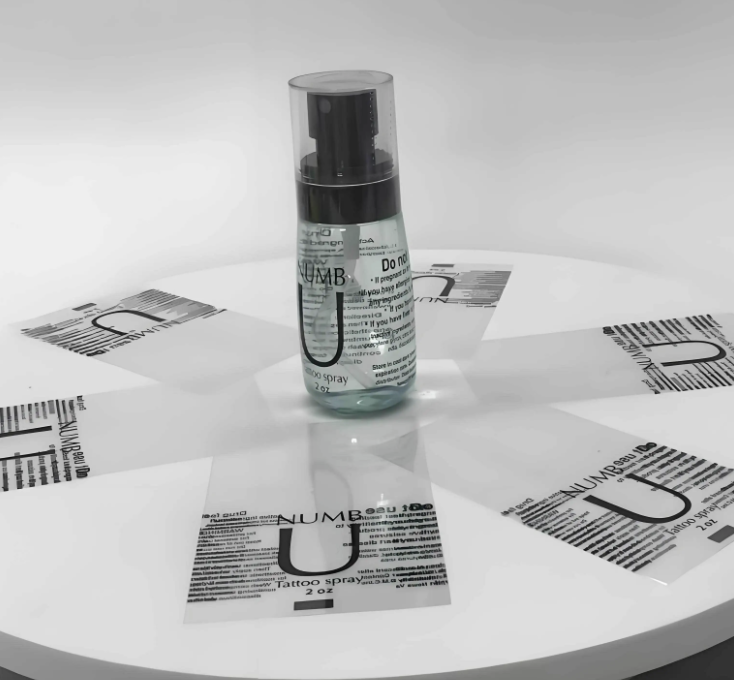
Selecting the right packaging label material directly impacts how your beverage or cosmetic product appears on retail shelves and how effectively your brand communicates with consumers. One way vision signs represent an advanced labeling solution that combines exceptional clarity with sophisticated visual presentation, making them increasingly popular in both the beverage and cosmetic industries. These specialized labels deliver crystal-clear transparency while maintaining the structural integrity and printability that modern packaging demands. Understanding how one way vision signs function and why they matter for your product line is essential for making informed sourcing decisions.

The demand for high-clarity transparent labels has surged as brands recognize that packaging visibility directly influences purchase intent. Consumers increasingly expect to see the actual product inside the container, particularly for beverages where color and clarity signal freshness and quality, and for cosmetics where visual appeal drives aesthetic confidence. One way vision signs meet this expectation by providing optical transparency that showcases product characteristics while maintaining label durability, printability, and regulatory compliance. This article explores how to source one way vision signs effectively for beverage and cosmetic applications, the technical factors that ensure quality, and the practical considerations that guide successful implementation.
Understanding One Way Vision Signs for Transparent Packaging
How One Way Vision Signs Deliver Optical Clarity
One way vision signs achieve their transparency through a specialized material composition that balances polymer clarity with structural performance. The manufacturing process for one way vision signs involves layering transparent PVC or polyester films with precise optical properties that allow light to pass through with minimal distortion. When properly manufactured, one way vision signs provide visibility of the product inside the container while maintaining the label's ability to carry high-resolution printed graphics, brand messaging, and regulatory information. The optical design of one way vision signs ensures that colors remain vibrant and readable from both the front and back, depending on the specific product application.
Why Transparency Matters in Beverage and Cosmetic Markets
In the beverage sector, transparent one way vision signs allow consumers to verify product freshness, color authenticity, and quality before purchase. For sparkling water, energy drinks, and premium juices, this transparency builds consumer trust and differentiates products from competitors. Similarly, cosmetic brands leverage one way vision signs to showcase product texture, consistency, and color, which are critical sensory cues that influence buying decisions. The ability to see through one way vision signs without compromising label durability means brands can communicate both visual product appeal and essential product information simultaneously, creating a cohesive packaging strategy that enhances shelf presence.
Technical Specifications and Quality Factors for Sourcing
Material Selection and Optical Performance
When sourcing one way vision signs, material composition directly determines transparency quality, durability, and compatibility with printing processes. Premium-grade PVC films used in one way vision signs typically feature optical clarity ratings above 85 percent light transmission, ensuring that product visibility remains uncompromised. The thickness of the material in one way vision signs ranges from 50 to 150 microns depending on structural requirements and application needs. Polyester alternatives offer enhanced durability and chemical resistance, making them suitable for beverages with acidic or alcoholic content. Suppliers of one way vision signs should provide detailed transparency specifications and material certifications that confirm compliance with food and cosmetic packaging regulations.
Printing Compatibility and Ink Adhesion
One way vision signs must maintain excellent ink adhesion to support high-resolution digital and traditional printing processes. The surface chemistry of one way vision signs should be compatible with both solvent-based and aqueous ink systems, allowing for flexible production workflows. UV coating options enhance the durability of printed graphics on one way vision signs while maintaining optical clarity without creating visible gloss variations that would distract from product visibility. Suppliers of one way vision signs should confirm that their materials have been tested for rub resistance, fade resistance, and humidity stability to ensure long-term label performance in retail and storage environments.
Practical Sourcing Considerations and Implementation
Regulatory Compliance and Safety Standards
Beverages and cosmetics fall under strict regulatory frameworks that govern packaging material safety and labeling practices. One way vision signs intended for food contact or cosmetic packaging must comply with FDA regulations, EU packaging directives, and relevant national food safety standards. Sourcing one way vision signs requires verification that materials are free from harmful migration substances and that adhesives used in label construction do not leach into products. Documentation from suppliers of one way vision signs should include material safety data sheets, migration testing reports, and certification of compliance with applicable regulations. This verification protects brand integrity and ensures consumer safety across all distribution channels.
Design Flexibility and Cost Optimization
One way vision signs offer significant design flexibility because the transparency element becomes part of the visual design strategy rather than a limitation. Brands can design artwork that deliberately frames or highlights specific areas of the product inside the container, creating layered visual communication that combines printed information with product visibility. When sourcing one way vision signs, evaluate suppliers' capabilities for custom die-cutting, variable printing, and rapid prototyping to support design exploration. The cost of one way vision signs varies based on material grade, order volume, printing complexity, and finishing options such as lamination or special coatings. Strategic volume commitments with reliable suppliers of one way vision signs can improve pricing while ensuring consistent quality across production runs.
FAQ
What makes one way vision signs different from standard transparent labels?
One way vision signs combine optical transparency with engineered material properties that provide superior clarity, durability, and printability compared to standard transparent materials. While basic transparent labels may offer visibility, one way vision signs are specifically formulated to minimize light distortion, prevent hazing, and maintain color accuracy while withstanding the physical and chemical demands of beverage and cosmetic packaging. This specialized formulation makes one way vision signs more suitable for premium brands that require both product showcase and label durability.
Can one way vision signs be used for both beverage and cosmetic applications?
Yes, one way vision signs perform effectively in both beverage and cosmetic packaging, though specific material grades and adhesive systems may vary based on product contact requirements. For beverages, one way vision signs must resist moisture, potential chemical exposure, and condensation. For cosmetics, one way vision signs need compatibility with oils, alcohol content, and varying storage temperatures. Suppliers offer formulations optimized for each application, so sourcing requires specifying intended use to receive the most suitable one way vision signs for your product category.
How do I ensure consistent quality when sourcing one way vision signs from suppliers?
Consistent quality in one way vision signs requires establishing clear specifications with suppliers regarding transparency ratings, material thickness, ink adhesion performance, and regulatory compliance. Request samples and conduct testing for light transmission, color accuracy, durability, and print quality before committing to large orders. Specify acceptance criteria and testing protocols in supplier agreements to ensure every batch of one way vision signs meets your quality standards. Regular communication with your supplier and periodic quality audits maintain consistency throughout the supply relationship.