 EN
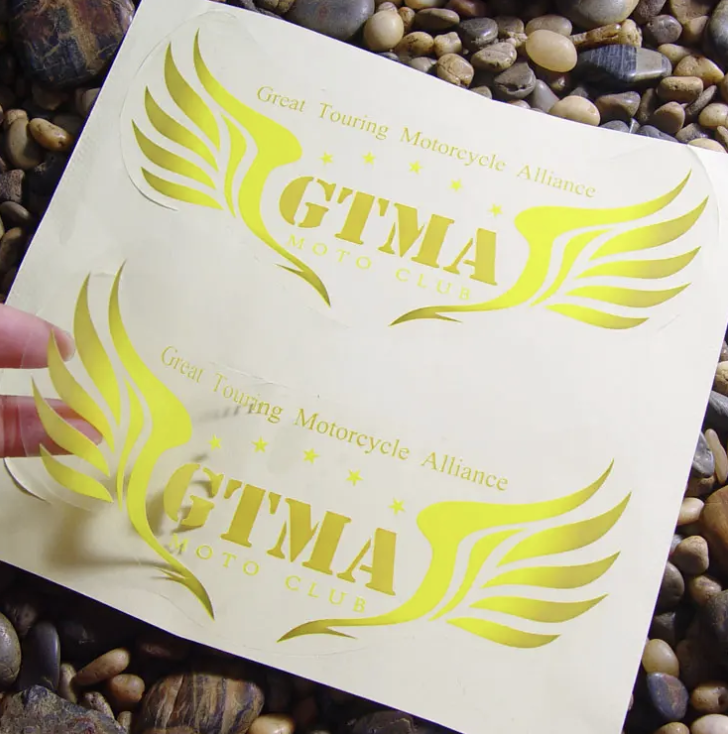
Premium bottle and jar designs demand exceptional label solutions that enhance rather than obscure the product inside. A reflective sheet used as a transparent label offers the perfect balance between brand visibility and product showcase, allowing consumers to see exactly what they're purchasing while maintaining sophisticated branding elements. In today's competitive market, transparency is not just a design trend—it's a strategic advantage that builds consumer trust and elevates perceived product value. When manufacturers choose quality reflective sheet materials for their labels, they invest in both aesthetics and functionality, creating packaging that stands out on retail shelves while maintaining the elegance that premium products require.
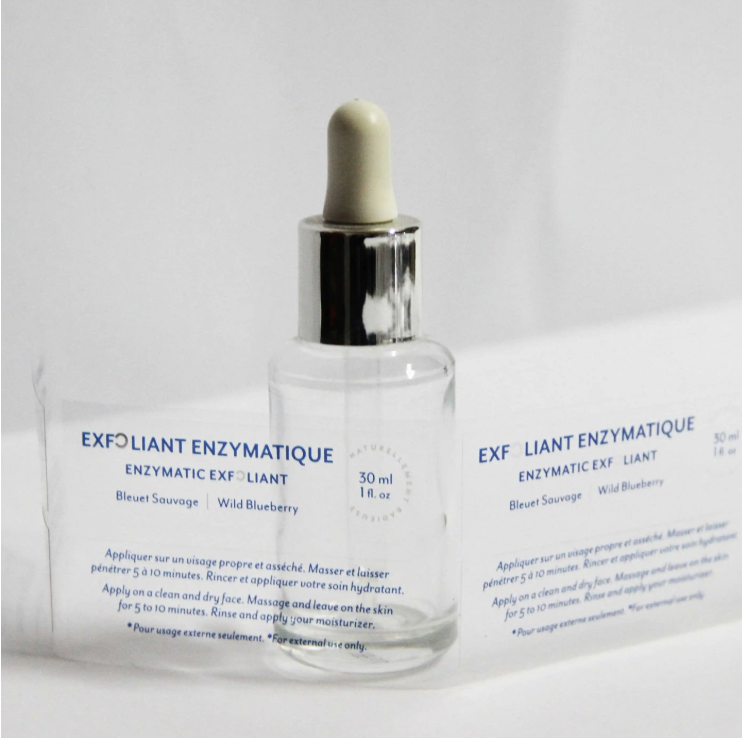
The strategic use of a reflective sheet in label design transforms how consumers perceive premium packaging. Unlike traditional opaque labels that hide the product, a reflective sheet transparent label reveals the contents while incorporating brand messaging, regulatory information, and design elements that communicate luxury and quality. This approach has become increasingly important for premium beverage brands, artisanal cosmetics, gourmet food products, and specialty oils that rely on visual product appeal to drive purchasing decisions. By selecting the right reflective sheet material and printing technology, manufacturers can achieve labels that are both functionally informative and visually stunning, creating a cohesive brand experience that resonates with discerning consumers.
The Strategic Value of Reflective Sheet Transparency in Premium Markets
Building Consumer Trust Through Visibility
Transparent labeling using reflective sheet materials directly addresses consumer demand for authenticity and quality assurance. When buyers can see the actual product through a reflective sheet label, they feel more confident in their purchase decision because the product itself becomes part of the brand presentation. This transparency builds trust in ways that traditional labels cannot, particularly for premium segments where customers are willing to pay higher prices specifically for superior quality. A reflective sheet that maintains clarity while showcasing the product's color, texture, and consistency provides tangible proof of quality before the purchase is even made. For premium brands, this visibility advantage translates into higher conversion rates and reduced return rates because customers see exactly what they're getting.
Elevating Brand Perception and Shelf Presence
Premium packaging demands that every element communicate excellence, and a reflective sheet label accomplishes this through sophisticated design integration. The reflective sheet material allows brands to use metallic inks, gradient printing, and layered design elements that catch light and create visual interest without obstructing the product view. This combination of transparency and visual sophistication signals luxury and craftsmanship to consumers, justifying premium pricing and differentiating products in crowded retail environments. When a reflective sheet is properly applied to premium bottles and jars, it creates a halo effect that makes the entire package appear more valuable and intentional, reinforcing brand positioning and consumer willingness to choose premium options over budget alternatives.
Design Implementation and Technical Considerations for Reflective Sheet Labels
Optimizing Reflective Sheet Adhesion and Durability
The technical success of reflective sheet transparent labels depends on precise material selection and application methodology. Premium bottles and jars require labels that maintain adhesion through temperature fluctuations, humidity exposure, and shelf-life conditions without degrading the transparency or reflective properties. A reflective sheet material must balance flexibility with structural integrity, preventing bubbling, peeling, or clouding that would diminish the visual appeal of premium packaging. Manufacturers must select reflective sheet products specifically engineered for curved surfaces and varying jar geometries, ensuring consistent label application across production runs. Additionally, the adhesive backing of a reflective sheet label must complement the bottle or jar surface—whether glass, plastic, or specialty materials—to guarantee long-term durability and professional appearance throughout the product's shelf life and consumer storage period.
Color Fidelity and Print Quality on Reflective Sheet Surfaces
Achieving vibrant, true-to-brand colors on a reflective sheet transparent label requires advanced printing technology and precise ink selection. The reflective sheet substrate itself influences how inks appear, and premium brands cannot accept color variation or quality degradation that would compromise their visual identity. Modern inkjet printing technology specifically designed for reflective sheet materials enables high-resolution graphics, fine typography, and complex design elements that would be impossible with traditional label printing methods. When a reflective sheet is printed with properly calibrated color profiles, the transparency creates an optical effect where colors appear more vivid and dimensional because they interact with the product visible beneath. This technical mastery of reflective sheet printing transforms label production from a commodity function into a brand-building tool that enhances perceived value and justifies premium positioning in competitive markets.
Industry Applications and Market Advantages
Premium Beverage Sector Transformation
The premium spirits, craft beverages, and specialty juice industries have embraced reflective sheet transparent labeling as a signature element of their brand strategy. A reflective sheet label on premium bottles allows the liquid inside to become a visual design component, creating packaging that photographs beautifully for social media marketing and commands attention on retail shelves. Craft distilleries and artisanal beverage makers specifically choose reflective sheet materials because they enable minimalist design philosophies where the product itself contributes to the brand story—the color of aged spirits, the clarity of premium water, or the richness of specialty oils becomes inseparable from brand identity. This transparent approach using reflective sheet materials aligns with consumer preferences for authenticity and reduces skepticism about product claims because visual verification is built into the package design itself.
Specialty and Prestige Cosmetics Packaging
Premium cosmetics brands use reflective sheet transparent labels to showcase product formulations while communicating brand luxury through sophisticated design integration. Customers purchasing high-end skincare and beauty products want to see the product itself—whether it's a rich cream, luminous serum, or specialty treatment—before committing to purchase at premium price points. A reflective sheet label enables this visibility while incorporating embossed effects, metallic accents, and brand logo integration that elevates the entire package aesthetic. The reflective sheet material used in cosmetics packaging must meet strict regulatory compliance for direct skin contact surfaces while maintaining the transparency that enables product visibility and quality assurance. By choosing premium reflective sheet labeling solutions, cosmetics manufacturers reinforce brand positioning and create unboxing experiences that customers share and celebrate across digital platforms.
FAQ
How does a reflective sheet transparent label maintain product visibility while protecting label integrity?
A reflective sheet transparent label uses specialized PVC or polyester substrate materials that provide optical clarity while resisting moisture, temperature fluctuations, and mechanical stress. The reflective sheet is engineered with protective coatings that shield printed information and brand graphics from fading while maintaining the transparency that allows consumers to see the product inside. Quality reflective sheet materials feature advanced adhesive systems that bond permanently to glass or plastic surfaces without yellowing or degrading over time, ensuring that both the product visibility and label appearance remain pristine throughout the product's entire shelf life and use period.
What printing technologies work best with reflective sheet materials for premium packaging?
Inkjet printing technology has revolutionized reflective sheet label production by enabling precise color reproduction, high-resolution imagery, and complex design integration impossible with traditional methods. A reflective sheet's surface characteristics require specialized inks formulated to adhere without bleeding or feathering while maintaining vibrant color saturation. Digital printing on reflective sheet materials allows manufacturers to customize labels quickly, minimize waste, and adjust designs for seasonal campaigns or regional market variations, making reflective sheet technology ideal for premium brands that demand quality and flexibility.
Can reflective sheet labels be customized for different jar and bottle shapes?
Yes, reflective sheet materials can be engineered and cut to conform to virtually any bottle or jar geometry, from cylindrical containers to specialty shapes. A reflective sheet's flexibility allows it to adhere smoothly to curved surfaces without wrinkling or bubbling, and custom die-cutting enables precise shapes that complement specific packaging designs. Premium brands work with label manufacturers to create reflective sheet solutions that align perfectly with their bottle architecture, creating seamless visual integration where the label and container appear designed as a unified system rather than separate components.