 EN
EN
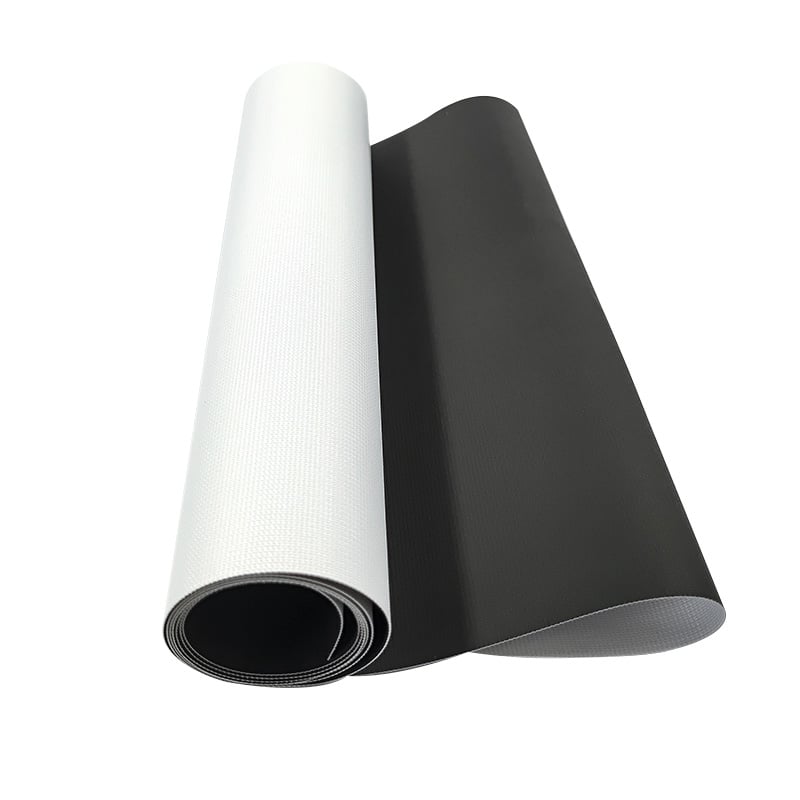
The evolution of inkjet canvas coating technology has transformed how professionals and artists approach fine art printing and professional production. Understanding the relationship between your specific printer type and the appropriate inkjet canvas coating is essential for achieving optimal print quality, color vibrancy, and long-term durability of your finished products. Different printers have unique ink characteristics, resolution capabilities, and application methods, meaning that not all inkjet canvas coatings perform equally across all equipment types.
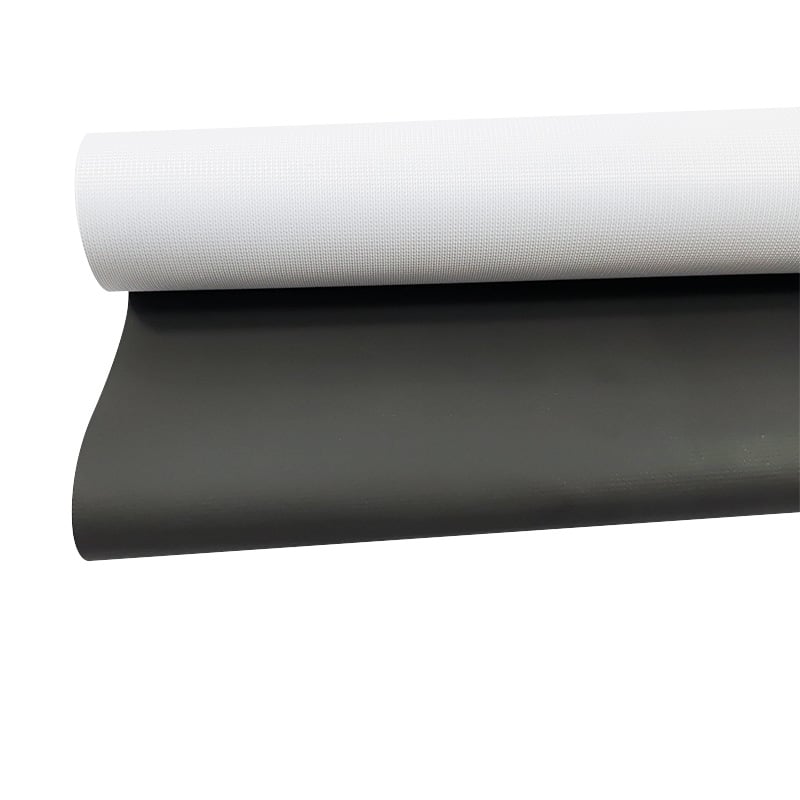
Selecting the wrong inkjet canvas coating for your printer model can result in poor ink adhesion, color banding, uneven drying, reduced saturation, or premature fading. The right match between your printer specifications and the inkjet canvas coating formulation ensures that your equipment operates at peak performance while producing gallery-quality output that stands the test of time. This guide explores the critical factors that influence your inkjet canvas coating choice and provides practical guidance for matching the ideal coating to your unique printing workflow.
Understanding Printer Types and Inkjet Canvas Coating Compatibility
Inkjet Printer Categories and Their Impact on Coating Selection
Wide-format inkjet printers, desktop inkjet systems, and specialty inkjet printing equipment each have distinct technical requirements that directly influence which inkjet canvas coating will perform best. Wide-format printers typically use larger ink droplet sizes and different pressure systems compared to desktop models, requiring an inkjet canvas coating with specific absorbency and pigment-bonding characteristics. Desktop inkjet printers operate at higher resolution but with smaller ink volumes, necessitating an inkjet canvas coating that can accept fine droplet sizes without blooming or feathering. Understanding your specific printer's technical specifications is the foundation for choosing the right inkjet canvas coating that will complement rather than compromise your equipment's capabilities.
Ink Type Compatibility with Inkjet Canvas Coating
Your printer's ink chemistry fundamentally shapes which inkjet canvas coating will deliver the best results. Dye-based inks interact differently with canvas coatings than pigment-based inks, requiring different coating formulations to achieve optimal color saturation and permanence. Aqueous inkjet systems demand an inkjet canvas coating with rapid absorption properties to minimize drying time and prevent ink pooling, while solvent-based or UV-curable systems require coatings engineered for entirely different chemical compatibility profiles. Professional printers must verify that their chosen inkjet canvas coating is specifically formulated to work harmoniously with their installed ink technology, not just compatible at a basic chemical level.
Technical Specifications Driving Inkjet Canvas Coating Performance
Absorbency Rate and Ink Saturation Control
The absorbency characteristic of an inkjet canvas coating directly determines how quickly the canvas accepts ink droplets and how deeply pigment penetrates the surface. An inkjet canvas coating with too-high absorbency can cause excessive ink bleeding into the substrate, reducing sharpness and edge definition while diluting color intensity. Conversely, an inkjet canvas coating with insufficient absorbency may cause ink to sit on the surface without bonding properly, leading to smudging, poor durability, and reduced color accuracy. The ideal inkjet canvas coating for your printer type strikes a precise balance between rapid initial absorption and controlled pigment fixation, a balance that varies depending on your printer's ink delivery rate and droplet characteristics.
Surface Texture and Print Resolution Interaction
An inkjet canvas coating's surface texture and microscopic porosity structure significantly impact the final print resolution and tonal fidelity your printer can achieve. Fine-art inkjet printers operating at 1200 dpi or higher require an inkjet canvas coating with a smoother, more uniform surface topology to preserve the subtle detail and gradation that justify high-resolution output. Production-oriented inkjet systems may work well with an inkjet canvas coating that has a slightly more pronounced texture, which can help mask minor dpi limitations while adding visual appeal. The coating's micro-architecture must align with your printer's actual resolution capabilities and your desired aesthetic outcome, making coating specification a nuanced decision rather than a simple commodity purchase.
Durability, Fade Resistance, and Long-Term Coating Performance
Pigment Protection and Environmental Stability
An effective inkjet canvas coating must do far more than facilitate initial ink adhesion; it must actively protect printed pigments from environmental degradation over years or decades. Professional-grade inkjet canvas coating formulations include UV stabilizers, antioxidants, and protective compounds that shield pigments from light exposure, humidity fluctuations, temperature cycling, and atmospheric pollutants. Lower-cost generic inkjet canvas coatings often lack these protective additives, resulting in significantly reduced image permanence and visible color shifts within months or years. For applications where archival durability matters—fine art reproduction, museum-quality prints, or high-value commercial work—choosing an inkjet canvas coating specifically engineered for fade resistance and environmental protection is not optional but essential to your investment in quality output.
Humidity and Temperature Performance Under Real-World Conditions
An inkjet canvas coating must maintain its dimensional stability and ink-bonding performance across the humidity and temperature ranges your printed canvas will experience in actual use. Low-quality inkjet canvas coating materials can become brittle in cold conditions, tacky in high humidity, or prone to cracking and peeling as temperature and moisture fluctuate through seasons. Professional inkjet canvas coatings are specifically formulated to maintain consistent physical properties across these environmental stresses, preventing ink adhesion failure and maintaining visual appearance. This environmental resilience is particularly critical for large-format artwork or commercial displays that may be shipped to diverse climates or displayed in uncontrolled environments where standard indoor climate assumptions do not apply.
Practical Workflow Optimization and Production Efficiency
Drying Time, Handling, and Production Speed
The inkjet canvas coating you select directly impacts your production workflow efficiency and time-to-delivery for finished prints. An inkjet canvas coating formulated for rapid initial set can dramatically reduce the handling-delay window, allowing faster lamination, mounting, or further processing without risk of ink smudging or lateral transfer. Conversely, an inkjet canvas coating optimized for slow, deep absorption may require extended curing periods before the print reaches full color development and permanence. Production environments must balance coating specifications against their specific workflow requirements, including in-line processing speeds, storage space, and customer delivery expectations. The right inkjet canvas coating choice can reduce your cycle time by hours while improving final quality, directly impacting your competitive positioning and profitability.
Cost-Benefit Analysis and Total Value Delivery
While premium inkjet canvas coating options carry higher per-unit costs, their superior performance often delivers better total value than budget alternatives when accounting for reduced defect rates, improved customer satisfaction, faster throughput, and enhanced product longevity. A mid-range inkjet canvas coating that eliminates rework, minimizes waste, and accelerates drying may prove more economical than the cheapest option available, even though unit material costs appear higher. Professional printing operations should evaluate inkjet canvas coating selections based on total cost of ownership, including labor time, ink consumption efficiency, waste rates, and warranty claims or customer returns, rather than material cost alone. Strategic coating selection transforms the inkjet canvas coating investment from a simple commodity purchase into a genuine competitive advantage and profit-driver for your operation.
FAQ
What is the primary difference between standard paper coating and inkjet canvas coating?
Standard paper coatings are engineered for offset or digital presses using traditional toner or ink delivery systems, while inkjet canvas coating formulations must accommodate the unique liquid droplet characteristics of inkjet technology. An inkjet canvas coating must manage rapid ink absorption without causing excessive feathering or pooling, a requirement that fundamentally differs from paper coating priorities. Inkjet canvas coatings also typically include enhanced pigment bonding agents and durability additives specifically calibrated for the lower ink volumes and higher precision typical of inkjet output.
How do I determine which inkjet canvas coating matches my printer model?
Begin by consulting your printer manufacturer's specifications for recommended media types, ink delivery volume, and optimal substrate characteristics. Cross-reference these requirements with the technical data provided by coating suppliers, paying specific attention to absorbency rates, drying time, and compatible ink chemistry. Testing small production runs with candidate coatings under your actual operating conditions provides definitive performance feedback before committing to large-volume purchasing. Professional support teams from coating suppliers can also provide specific guidance based on your exact printer model and production objectives.
Can an inkjet canvas coating be applied to existing canvas before printing?
Yes, inkjet canvas coating can be applied to pre-stretched or raw canvas using spray, brush, or roll application methods, allowing you to customize the coating performance on virtually any canvas substrate you prefer. Proper application technique ensures even coating distribution, adequate drying before printing, and optimal performance characteristics. This flexibility enables producers to match both their preferred canvas aesthetic and their specific printer capabilities, creating a fully customized printing system that delivers superior results compared to generic pre-coated options.