 EN
EN

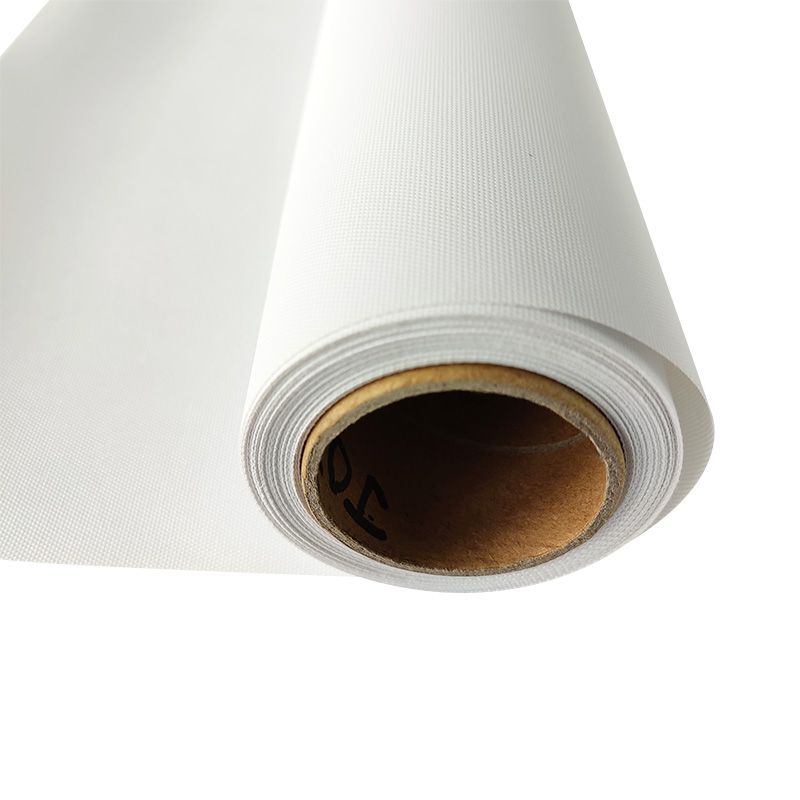
The demand for high-quality self adhesive vinyl continues to surge across industries ranging from automotive wrapping to commercial signage applications. This versatile material has revolutionized how businesses approach branding, vehicle customization, and architectural graphics. Understanding the intricacies of sourcing premium self adhesive vinyl requires comprehensive knowledge of material properties, supplier capabilities, and application-specific requirements that directly impact project outcomes and long-term durability.
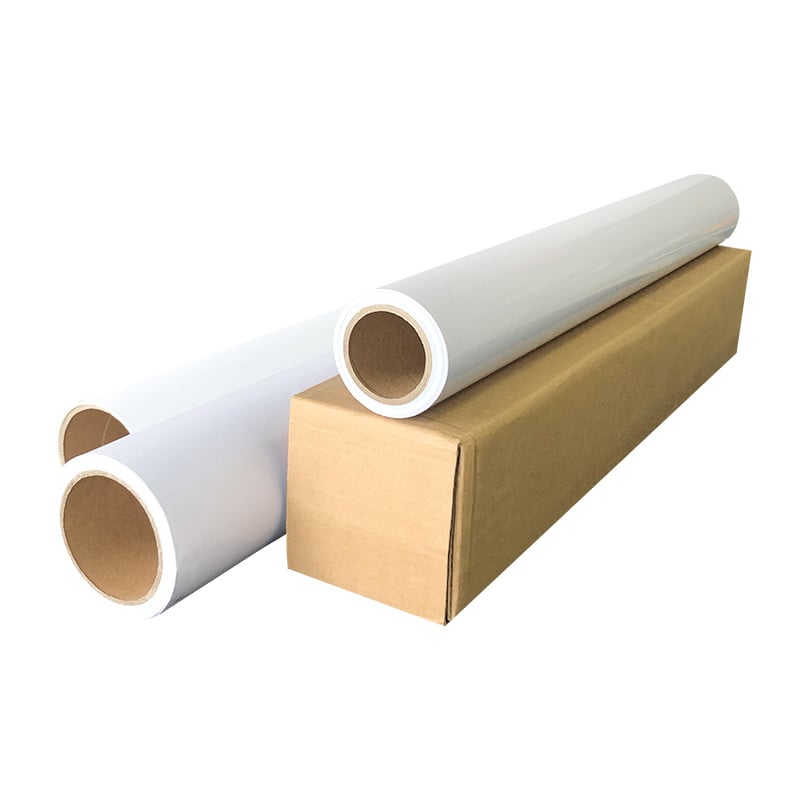
Professional installers and procurement specialists recognize that successful projects depend heavily on material selection and supplier reliability. The global market for self adhesive vinyl has expanded significantly, driven by innovations in polymer chemistry, adhesive formulations, and manufacturing processes. These advances have created new opportunities for businesses seeking cost-effective solutions without compromising quality standards or performance characteristics.
Understanding Self Adhesive Vinyl Material Properties
Core Material Composition and Structure
Modern self adhesive vinyl consists of multiple engineered layers that work synergistically to deliver optimal performance across diverse applications. The face film typically utilizes polyvinyl chloride or cast vinyl formulations that provide excellent conformability and color retention properties. Premium grades incorporate UV stabilizers and plasticizers that enhance outdoor durability while maintaining flexibility during installation processes.
The adhesive layer represents a critical component that determines bond strength, removability characteristics, and long-term performance. Acrylic-based adhesives dominate the market due to their superior aging properties and chemical resistance compared to rubber-based alternatives. Advanced formulations include repositionable adhesives for complex installations and permanent systems for long-term applications requiring maximum bond strength.
Release liner technology has evolved to support various installation techniques and storage requirements. Silicone-treated papers and films provide consistent release characteristics that facilitate smooth application processes. The liner density and surface texture directly influence material handling properties and dimensional stability during storage and transportation phases.
Performance Characteristics and Testing Standards
Industry-standard testing protocols evaluate self adhesive vinyl performance across multiple parameters including tensile strength, elongation properties, and thermal stability. ASTM and ISO testing methods provide standardized benchmarks for comparing material specifications from different manufacturers. These protocols assess adhesion values, removability characteristics, and weathering resistance under controlled laboratory conditions.
Outdoor durability testing typically involves accelerated weathering chambers that simulate years of environmental exposure within condensed timeframes. Premium self adhesive vinyl materials demonstrate excellent color fastness and physical integrity after extended UV exposure cycles. Temperature cycling tests evaluate material behavior under extreme thermal conditions that commonly occur in automotive and architectural applications.
Chemical resistance properties become particularly important for industrial signage and vehicle graphics exposed to cleaning solvents, fuel vapors, and atmospheric pollutants. Comprehensive chemical compatibility testing ensures that selected materials maintain their appearance and adhesive properties throughout expected service life cycles.
Sourcing Strategies for Commercial Applications
Supplier Evaluation and Quality Assessment
Effective sourcing of self adhesive vinyl requires thorough evaluation of potential suppliers based on manufacturing capabilities, quality control systems, and technical support resources. Leading suppliers maintain ISO 9001 certification and implement comprehensive quality management systems that ensure consistent material properties across production batches. Site audits and capability assessments provide valuable insights into manufacturing processes and quality control procedures.
Technical data sheets and material certifications offer essential information for comparing different self adhesive vinyl options. Reputable suppliers provide detailed specifications including adhesion values, temperature ranges, and expected service life under various environmental conditions. This documentation supports informed decision-making and helps establish realistic performance expectations for specific applications.
Sample testing programs allow procurement teams to evaluate material performance under actual application conditions before committing to large volume purchases. Many suppliers offer sample kits that include various grades and formulations suitable for different end-use requirements. Field testing provides valuable feedback regarding installation characteristics, appearance properties, and initial adhesion performance.
Cost Optimization and Volume Purchasing
Strategic purchasing approaches can significantly reduce material costs while maintaining quality standards for self adhesive vinyl procurement. Volume purchasing agreements often include tiered pricing structures that reward larger order quantities with reduced unit costs. Annual contracts provide budget predictability and ensure material availability during peak demand periods.
Just-in-time inventory management strategies help balance cost savings with material freshness requirements. Self adhesive vinyl products have finite shelf life periods that must be considered when planning inventory levels and rotation schedules. Proper storage conditions including temperature and humidity control extend material life and maintain adhesive performance characteristics.
Total cost of ownership calculations should include factors beyond initial material prices such as waste rates, installation efficiency, and warranty considerations. Premium self adhesive vinyl materials often provide better value despite higher upfront costs due to improved installation characteristics and reduced callback rates.
Application-Specific Material Selection
Vehicle Wrap and Automotive Graphics
Automotive applications demand self adhesive vinyl formulations that accommodate complex curved surfaces, temperature extremes, and chemical exposure conditions. Cast films provide superior conformability for three-dimensional surfaces and maintain their appearance under thermal cycling conditions common in vehicle environments. The material must demonstrate excellent adhesion to automotive paint systems while allowing clean removal without damaging underlying surfaces.
Color matching capabilities become critical for fleet graphics and partial vehicle wraps where consistency across multiple vehicles is essential. Digital printing compatibility ensures that custom graphics can be produced with accurate color reproduction and fine detail resolution. UV-curable ink systems provide enhanced durability for printed self adhesive vinyl applications exposed to harsh outdoor environments.
Installation characteristics significantly impact labor costs and project timelines for vehicle wrap applications. Air-release technology facilitates bubble-free installations and reduces skilled labor requirements. Heat activation properties allow installers to achieve tight conformance around complex contours and recessed areas commonly found in modern vehicle designs.
Architectural and Building Signage
Building signage applications require self adhesive vinyl materials engineered for long-term outdoor exposure and dimensional stability. Architectural films must maintain their appearance and adhesive properties for extended periods while resisting environmental stresses including wind loading, thermal expansion, and moisture infiltration. Substrate compatibility becomes particularly important for applications on various building materials including glass, metal, and composite panels.
Fire safety compliance requirements often mandate specific material certifications for interior architectural applications. Self adhesive vinyl products used in commercial buildings may require flame spread ratings and smoke generation classifications that meet local building codes. These certifications ensure occupant safety while providing design flexibility for interior graphic installations.
Maintenance considerations influence material selection for architectural applications where cleaning access may be limited or require specialized equipment. Self-cleaning surface treatments and stain-resistant formulations reduce ongoing maintenance requirements and help preserve appearance quality throughout extended service periods.
Quality Control and Performance Monitoring
Incoming Material Inspection Procedures
Systematic quality control procedures ensure that received self adhesive vinyl materials meet specified requirements and performance standards. Visual inspections identify surface defects, color variations, and dimensional inconsistencies that could impact application quality. Standardized inspection protocols help maintain consistent evaluation criteria across different material lots and suppliers.
Adhesion testing using standardized peel strength measurements verifies that adhesive performance meets specification requirements. Temperature-controlled testing environments ensure reliable and repeatable results that accurately reflect material properties. Documentation of test results creates traceability records that support quality management systems and supplier performance evaluations.
Roll quality assessments examine unwinding characteristics, edge quality, and liner release properties that directly affect installation efficiency. Proper material handling and storage procedures preserve these quality attributes throughout the supply chain from manufacturer to end user.
Long-term Performance Monitoring
Systematic monitoring of installed self adhesive vinyl applications provides valuable feedback regarding material performance and supplier quality. Regular inspections document appearance changes, adhesion degradation, and any premature failure modes that may indicate material or installation issues. This data supports warranty claims and helps refine material selection criteria for future projects.
Environmental monitoring at installation sites helps correlate material performance with actual exposure conditions. Temperature logging, UV intensity measurements, and pollution level assessments provide context for understanding material behavior patterns. This information supports accurate service life predictions and helps optimize maintenance schedules for critical applications.
Performance databases enable statistical analysis of material behavior across multiple projects and environmental conditions. Trend analysis identifies patterns that may indicate emerging quality issues or opportunities for material specification improvements. This systematic approach supports continuous improvement initiatives and supplier development programs.
Emerging Trends and Future Developments
Sustainable Materials and Environmental Considerations
Environmental sustainability has become increasingly important in self adhesive vinyl material selection and sourcing decisions. Bio-based polymer formulations offer reduced environmental impact while maintaining performance characteristics required for demanding applications. Recycling programs for post-consumer vinyl waste support circular economy initiatives and reduce landfill disposal requirements.
Low-emission formulations eliminate or minimize volatile organic compound emissions during installation and service life periods. These materials support green building certification programs and improve indoor air quality in commercial environments. Solvent-free adhesive systems further reduce environmental impact while providing excellent bonding performance for most applications.
Life cycle assessment methodologies help quantify the environmental impact of different self adhesive vinyl options throughout their complete service life. These assessments consider raw material extraction, manufacturing processes, transportation requirements, and end-of-life disposal scenarios to support informed environmental decision-making.
Advanced Manufacturing Technologies
Digital printing integration continues to expand the design possibilities for self adhesive vinyl applications while reducing minimum order quantities and lead times. Advanced inkjet systems achieve photographic image quality on various vinyl substrates with excellent color gamut and durability characteristics. Variable data printing capabilities enable customization for individual vehicle identification or personalized signage requirements.
Smart material technologies incorporate functional elements such as conductive traces, sensors, or color-changing properties into self adhesive vinyl constructions. These advanced materials enable interactive displays, temperature indicators, and other innovative applications that extend beyond traditional graphics and signage functions.
Manufacturing automation improvements reduce production costs and improve quality consistency for self adhesive vinyl products. Automated inspection systems detect defects and variations that might escape manual quality control processes. Real-time process monitoring ensures optimal material properties throughout production runs and minimizes batch-to-batch variations.
FAQ
What factors should be considered when selecting self adhesive vinyl for outdoor applications
Outdoor self adhesive vinyl selection requires careful evaluation of UV resistance, thermal stability, and weathering performance characteristics. Premium materials incorporate UV stabilizers and weather-resistant polymers that maintain color and physical properties under prolonged sun exposure. Temperature cycling capability ensures material integrity during seasonal temperature variations, while moisture resistance prevents adhesive degradation in humid environments. Additionally, consider substrate compatibility, expected service life requirements, and local environmental conditions such as pollution levels or salt air exposure.
How does adhesive technology impact long-term performance of vinyl graphics
Adhesive formulation significantly influences both initial installation characteristics and long-term performance of self adhesive vinyl applications. Acrylic-based adhesives provide superior aging properties and chemical resistance compared to rubber-based alternatives, maintaining bond strength over extended periods. Removable adhesives enable clean removal without surface damage, while permanent formulations offer maximum bond strength for long-term installations. The adhesive must be compatible with the substrate material and application environment to ensure optimal performance throughout the expected service life.
What quality control measures ensure consistent self adhesive vinyl performance
Comprehensive quality control programs include incoming material inspection, standardized testing procedures, and performance monitoring systems. Visual inspections identify surface defects and color variations, while adhesion testing verifies bond strength specifications. Environmental conditioning tests simulate aging effects and verify durability claims under accelerated conditions. Batch tracking systems maintain traceability throughout the supply chain, enabling rapid response to any quality issues. Regular supplier audits and certification reviews ensure consistent manufacturing standards and continuous improvement initiatives.
How do emerging sustainability requirements affect self adhesive vinyl sourcing decisions
Sustainability considerations increasingly influence self adhesive vinyl procurement strategies through environmental impact assessments, recycling programs, and low-emission material requirements. Bio-based polymer formulations reduce dependence on petroleum-derived materials while maintaining performance standards. Solvent-free adhesive systems eliminate volatile organic compound emissions and support green building certifications. End-of-life considerations include recyclability options and disposal environmental impact. Life cycle assessments help quantify total environmental impact from raw material extraction through disposal, enabling informed sustainability decisions that balance environmental responsibility with performance requirements.
Table of Contents
- Understanding Self Adhesive Vinyl Material Properties
- Sourcing Strategies for Commercial Applications
- Application-Specific Material Selection
- Quality Control and Performance Monitoring
- Emerging Trends and Future Developments
-
FAQ
- What factors should be considered when selecting self adhesive vinyl for outdoor applications
- How does adhesive technology impact long-term performance of vinyl graphics
- What quality control measures ensure consistent self adhesive vinyl performance
- How do emerging sustainability requirements affect self adhesive vinyl sourcing decisions