 EN
EN

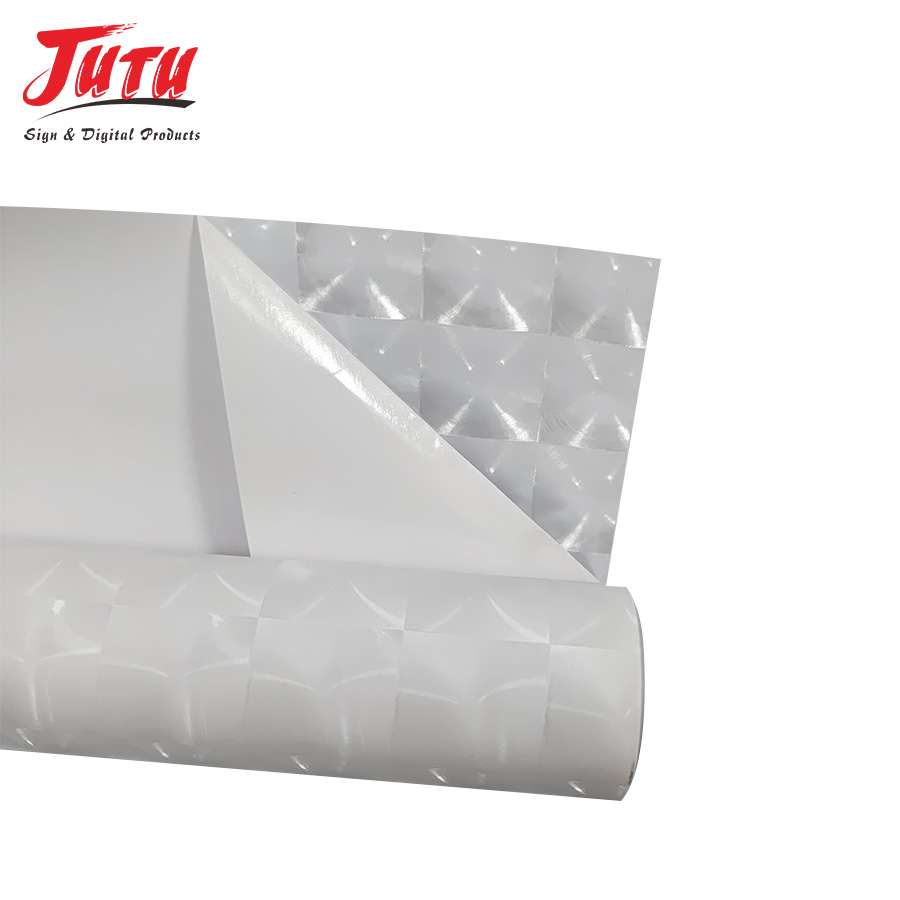
Selecting the right self adhesive vinyl for outdoor advertising campaigns represents one of the most critical decisions in ensuring brand visibility and message longevity. The durability, visual impact, and cost-effectiveness of your outdoor signage directly depend on the quality and specifications of the vinyl material you choose. Understanding the key factors that distinguish premium self adhesive vinyl from inferior alternatives can save businesses thousands of dollars in replacement costs while maximizing advertising return on investment. Professional advertisers and sign makers recognize that proper material selection forms the foundation of successful long-term outdoor marketing strategies.
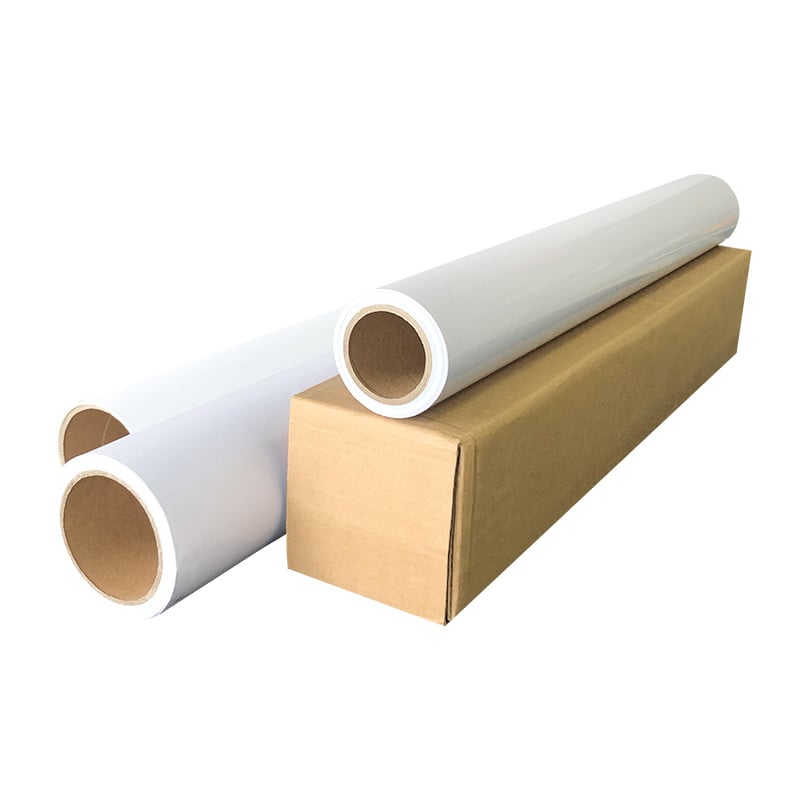
Understanding Self Adhesive Vinyl Composition and Performance
Material Structure and Layer Configuration
High-quality self adhesive vinyl consists of multiple engineered layers working together to provide optimal performance in challenging outdoor environments. The top layer features a durable face film, typically made from calendered or cast PVC, which determines the vinyl's flexibility, conformability, and resistance to environmental factors. Premium products incorporate UV-stabilized polymers that prevent color fading and material degradation when exposed to direct sunlight for extended periods.
The adhesive layer represents another crucial component that significantly impacts the performance of self adhesive vinyl in outdoor applications. Pressure-sensitive adhesives must maintain their bonding strength across temperature fluctuations while allowing for clean removal when necessary. Professional-grade materials utilize acrylic-based adhesives that resist yellowing, provide excellent initial tack, and develop stronger bonds over time without becoming permanently aggressive on most substrates.
Release liner quality often gets overlooked but plays an essential role in maintaining adhesive integrity during storage and application. Silicone-coated papers or films protect the adhesive from contamination while ensuring smooth, consistent release during installation. The liner's dimensional stability prevents the self adhesive vinyl from curling or developing adhesive transfer issues that can compromise installation quality.
Weather Resistance and Environmental Durability
Outdoor environments subject self adhesive vinyl to numerous stress factors including UV radiation, temperature cycling, moisture, wind, and atmospheric pollutants. Premium materials incorporate specialized additives and stabilizers that maintain structural integrity and visual appearance throughout their rated lifespan. Understanding these performance characteristics helps buyers select appropriate grades for specific geographic locations and exposure conditions.
Temperature resistance specifications vary significantly between different types of self adhesive vinyl products. Cast films generally offer superior performance in extreme temperature conditions, maintaining flexibility and adhesion in cold weather while resisting dimensional changes during hot summer months. Calendered materials may become brittle in cold conditions or experience shrinkage when exposed to prolonged heat, making them less suitable for harsh outdoor environments.
Moisture resistance capabilities determine how well self adhesive vinyl performs in humid climates or areas with frequent precipitation. Quality materials feature moisture-resistant adhesive formulations and face films that prevent water infiltration at edges and seams. Poor-quality products may experience adhesive failure, face film delamination, or substrate staining when exposed to moisture over extended periods.
Performance Specifications and Quality Indicators
Adhesion Strength and Substrate Compatibility
Measuring adhesion strength provides objective data for comparing different self adhesive vinyl products and predicting their performance on various substrates. Peel adhesion values, typically measured in ounces per inch or Newtons per 25mm, indicate the force required to remove the vinyl at a specific angle and rate. Higher values generally correlate with better holding power, but excessively aggressive adhesives may damage substrates during removal.
Substrate compatibility extends beyond simple adhesion strength to include factors like conformability, edge lifting resistance, and long-term bonding stability. Different surface energies, textures, and chemical compositions require specific adhesive formulations for optimal performance. Professional installers understand that proper surface preparation and primer application can significantly improve the performance of self adhesive vinyl on challenging substrates.
Initial tack measurements help predict how easily self adhesive vinyl will position and reposition during installation. Products with appropriate initial tack allow for precise alignment and bubble-free application while preventing premature bonding that could trap air or create wrinkles. Balance between workability and holding power represents a key quality indicator in professional-grade materials.
Dimensional Stability and Shrinkage Control
Dimensional stability refers to how well self adhesive vinyl maintains its original size and shape when exposed to environmental conditions over time. Shrinkage can cause graphics to pull away from edges, create gaps between adjacent panels, or generate stress concentrations that lead to premature failure. Cast films typically exhibit superior dimensional stability compared to calendered products due to their manufacturing process and molecular structure.
Heat shrinkage testing provides quantitative data about how much a material will contract when exposed to elevated temperatures. Specifications typically report percentage shrinkage after exposure to specific temperatures for defined time periods. Understanding these values helps predict long-term performance and allows for appropriate overlap allowances during installation.
Cold temperature flexibility becomes critical in climates with significant seasonal temperature variations. Brittle failure in cold weather can cause self adhesive vinyl to crack, split, or lose adhesion along edges and corners. Quality materials maintain flexibility and adhesive performance across their specified temperature range, ensuring reliable performance throughout seasonal cycles.
Selection Criteria for Outdoor Applications
Lifespan Expectations and Warranty Coverage
Manufacturer warranties provide valuable insight into expected performance and material quality for self adhesive vinyl products. Premium materials typically carry warranties ranging from 3 to 10 years for outdoor applications, with specific terms covering color retention, adhesive performance, and material integrity. Understanding warranty limitations and requirements helps buyers make informed decisions about total cost of ownership.
Accelerated weathering test results offer predictions about real-world performance by subjecting materials to intensified environmental conditions. QUV testing, xenon arc exposure, and other standardized methods provide comparative data between different self adhesive vinyl products. These results help estimate actual lifespan in specific geographic locations and application conditions.
End-of-life considerations include removability characteristics and substrate protection during the replacement process. Quality self adhesive vinyl should remove cleanly without leaving adhesive residue or damaging underlying surfaces. Aggressive adhesives or degraded materials may require expensive substrate refinishing, significantly increasing total replacement costs.
Color Retention and Print Compatibility
UV stability directly impacts the color retention and overall appearance of printed graphics on self adhesive vinyl substrates. Premium materials incorporate UV absorbers and light stabilizers that protect both the substrate and applied inks from photodegradation. Color fastness specifications indicate how well graphics will maintain their original appearance throughout the material's rated lifespan.
Ink adhesion properties vary between different types of self adhesive vinyl surfaces, affecting print quality and durability. Specialty coatings or surface treatments may enhance ink receptivity and improve adhesion for specific printing technologies. Understanding compatibility between vinyl substrates and intended printing methods ensures optimal graphic quality and longevity.
Surface texture and gloss levels influence both printability and final appearance of graphics applied to self adhesive vinyl. Matte surfaces may hide minor imperfections but can appear less vibrant, while high-gloss materials provide excellent color saturation but show scratches and fingerprints more readily. Selecting appropriate surface characteristics depends on specific application requirements and aesthetic preferences.
Installation Considerations and Best Practices
Application Techniques and Tool Requirements
Proper installation techniques significantly impact the performance and longevity of self adhesive vinyl in outdoor applications. Surface preparation represents the most critical factor, requiring thorough cleaning to remove dirt, oils, and other contaminants that could interfere with adhesive bonding. Professional installers use specialized cleaning solutions and lint-free cloths to ensure optimal substrate conditions.
Temperature and humidity conditions during installation affect how self adhesive vinyl performs throughout its service life. Most manufacturers specify recommended application conditions, typically between 65-75°F with low humidity levels. Installing outside these parameters may result in poor initial adhesion, trapped moisture, or stress-related failures over time.
Proper tool selection and technique help achieve professional results while minimizing the risk of damage during installation. Squeegees, application rollers, and heat guns must be appropriate for the specific type of self adhesive vinyl being applied. Using excessive pressure or heat can damage the material or create adhesive squeeze-out that attracts dirt and compromises appearance.
Edge Sealing and Joint Management
Edge sealing represents a critical factor in preventing premature failure of self adhesive vinyl installations, particularly in high-moisture environments. Proper sealing techniques prevent water infiltration that can cause adhesive failure, substrate damage, or graphic delamination. Professional installations incorporate edge sealing methods appropriate for the specific substrate and environmental conditions.
Joint design and overlap specifications affect both appearance and long-term performance of large-format self adhesive vinyl installations. Overlaps must be sufficient to accommodate material shrinkage while maintaining weather resistance. Proper joint sealing prevents water infiltration and reduces stress concentrations that could lead to failure.
Fastener reinforcement may be necessary for applications subject to high wind loads or other mechanical stresses. Strategic placement of mechanical fasteners can prevent edge lifting and extend the service life of self adhesive vinyl installations. However, fasteners must be properly sealed to prevent moisture infiltration that could cause substrate damage or accelerated failure.
Cost Analysis and Value Optimization
Initial Purchase Price vs Total Cost of Ownership
Evaluating self adhesive vinyl based solely on initial purchase price often leads to higher total costs over the installation's lifespan. Premium materials may cost 20-50% more initially but provide significantly longer service life, better appearance retention, and easier maintenance. Calculating total cost of ownership includes material costs, installation labor, maintenance requirements, and replacement frequency.
Labor costs typically represent 40-60% of total installation expenses for self adhesive vinyl applications. Materials that install more easily or require less substrate preparation can reduce labor costs significantly. Additionally, longer-lasting materials reduce the frequency of replacement projects, minimizing disruption to business operations and reducing long-term labor expenses.
Maintenance requirements vary considerably between different grades of self adhesive vinyl, affecting ongoing operational costs. Premium materials typically require less frequent cleaning and touch-up work while maintaining better appearance throughout their service life. Poor-quality materials may require frequent maintenance or early replacement, significantly increasing total ownership costs.
Performance vs Price Optimization Strategies
Matching material specifications to specific application requirements helps optimize the cost-performance balance for self adhesive vinyl installations. Over-specifying materials for benign environments wastes money, while under-specifying for harsh conditions leads to premature failure and higher replacement costs. Understanding local environmental conditions and application requirements enables informed material selection.
Volume purchasing and supplier relationships can significantly impact material costs for self adhesive vinyl projects. Establishing partnerships with quality suppliers often provides access to better pricing, technical support, and product availability. However, focusing solely on price without considering quality and service can lead to project complications and increased costs.
Timing considerations affect both material costs and installation efficiency for self adhesive vinyl projects. Seasonal demand fluctuations, raw material costs, and weather conditions all influence project economics. Planning installations during optimal conditions and coordinating material procurement can reduce total project costs while improving installation quality.
FAQ
What is the typical lifespan of high-quality self adhesive vinyl in outdoor applications
High-quality self adhesive vinyl designed for outdoor use typically lasts 5-10 years depending on environmental conditions and material specifications. Cast vinyl films generally provide longer service life than calendered materials, with premium products offering warranties up to 10 years for vertical outdoor applications. Geographic location, substrate type, and maintenance practices significantly influence actual lifespan, with materials in harsh climates or high-pollution areas experiencing shorter service life than those in moderate environments.
How do I determine the right adhesive strength for my substrate
Selecting appropriate adhesive strength for self adhesive vinyl depends on substrate surface energy, texture, and intended application duration. Low surface energy substrates like polyethylene require more aggressive adhesives, while high surface energy materials like aluminum work well with standard formulations. Consider whether removability is important, as highly aggressive adhesives may damage substrates during removal. Testing small samples on actual substrates helps verify compatibility and performance before committing to large installations.
Can self adhesive vinyl be applied in cold weather conditions
Most self adhesive vinyl products have minimum application temperature requirements, typically around 50-60°F for optimal performance. Cold weather installations are possible with proper techniques including substrate warming, environmental controls, or cold-weather adhesive formulations. However, adhesive flow and initial tack are reduced in cold conditions, potentially affecting bond strength and installation quality. For critical applications, it's better to wait for appropriate weather conditions or create controlled installation environments.
What factors cause premature failure of outdoor vinyl installations
Common causes of premature self adhesive vinyl failure include poor surface preparation, inappropriate material selection, improper installation techniques, and inadequate edge sealing. Contaminated substrates prevent proper adhesive bonding, while using calendered materials in applications requiring cast film performance leads to shrinkage and failure. Installation outside recommended temperature and humidity ranges, insufficient edge sealing, and mechanical damage from wind or impact also contribute to early failure. Proper material specification and installation practices prevent most premature failures.