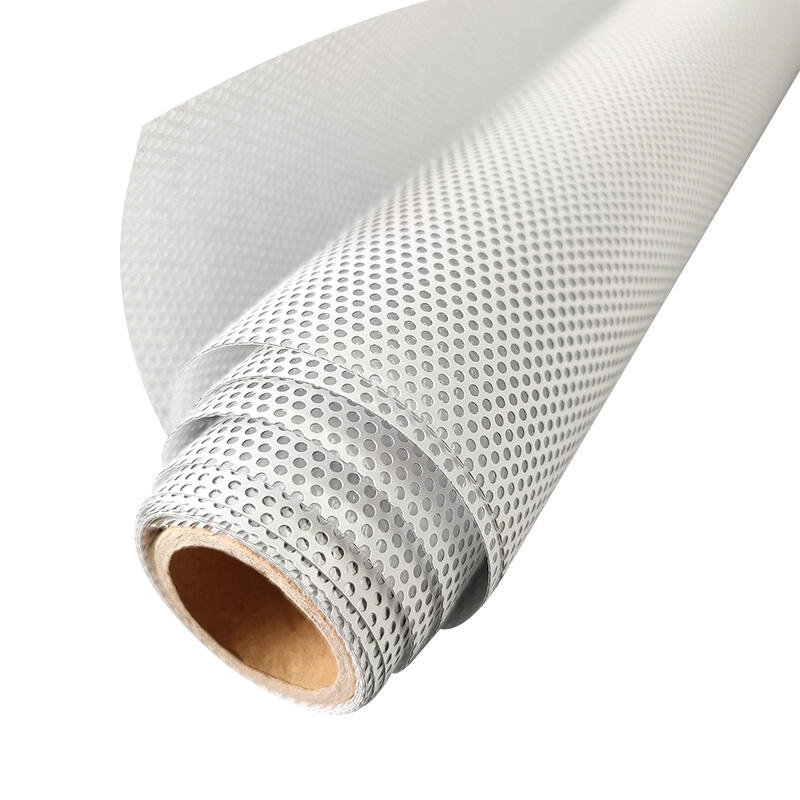
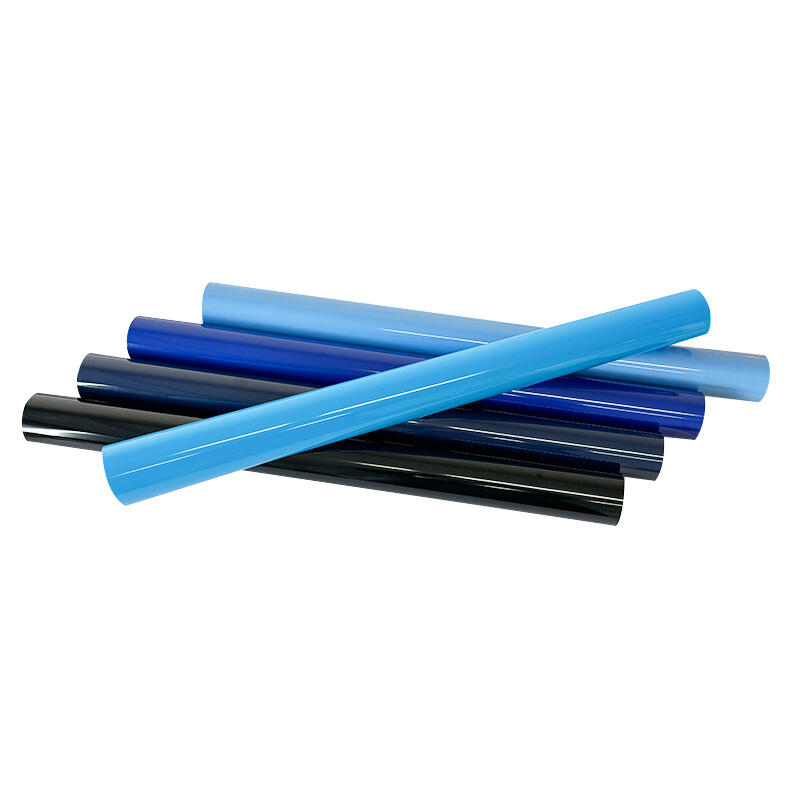
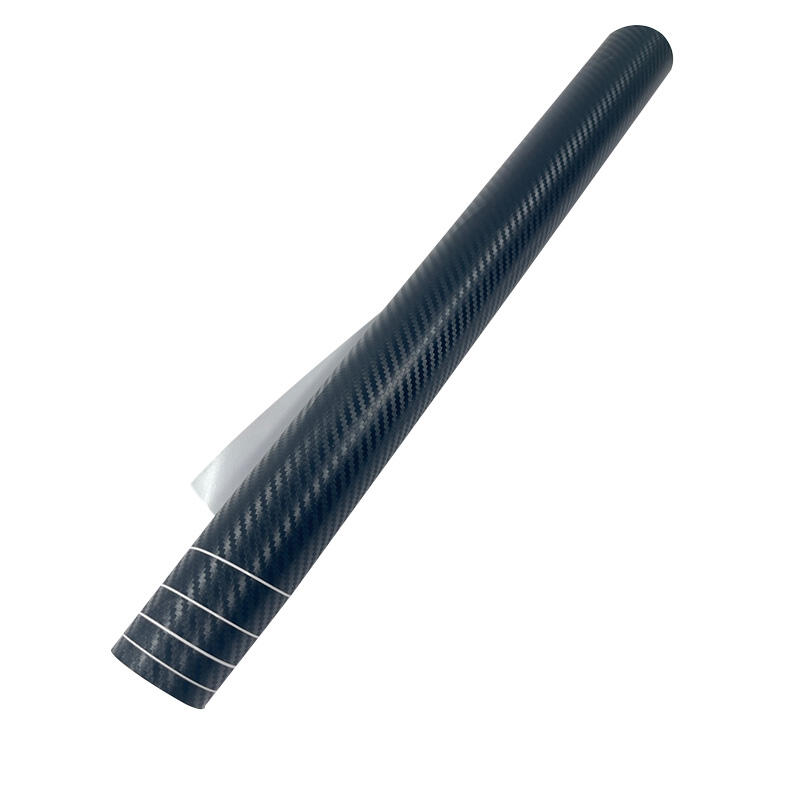
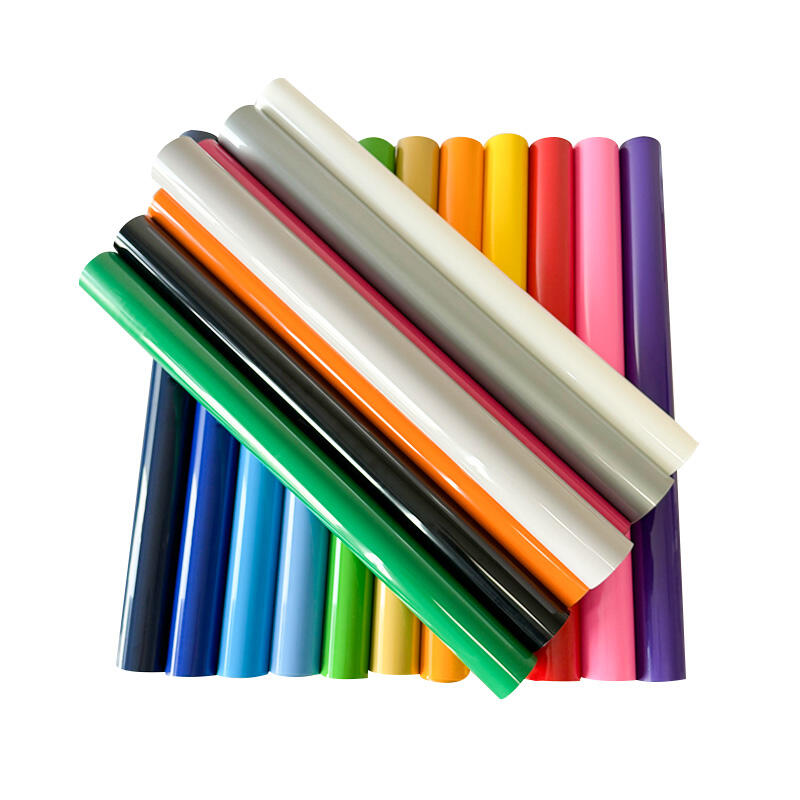
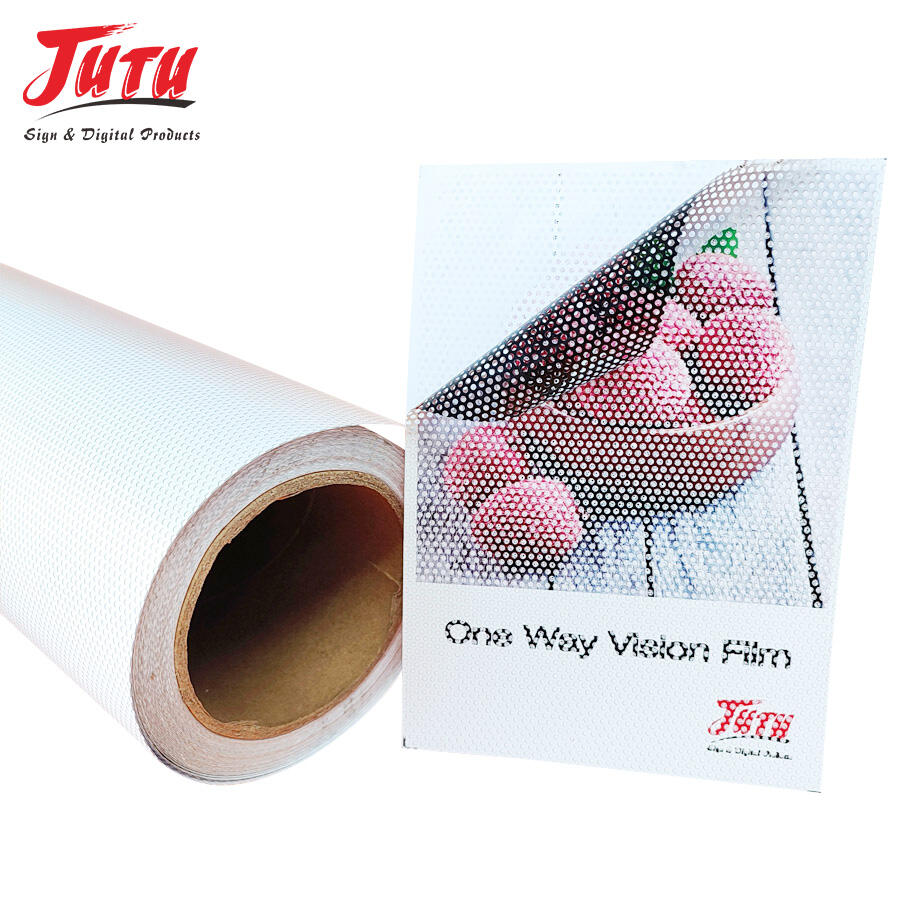
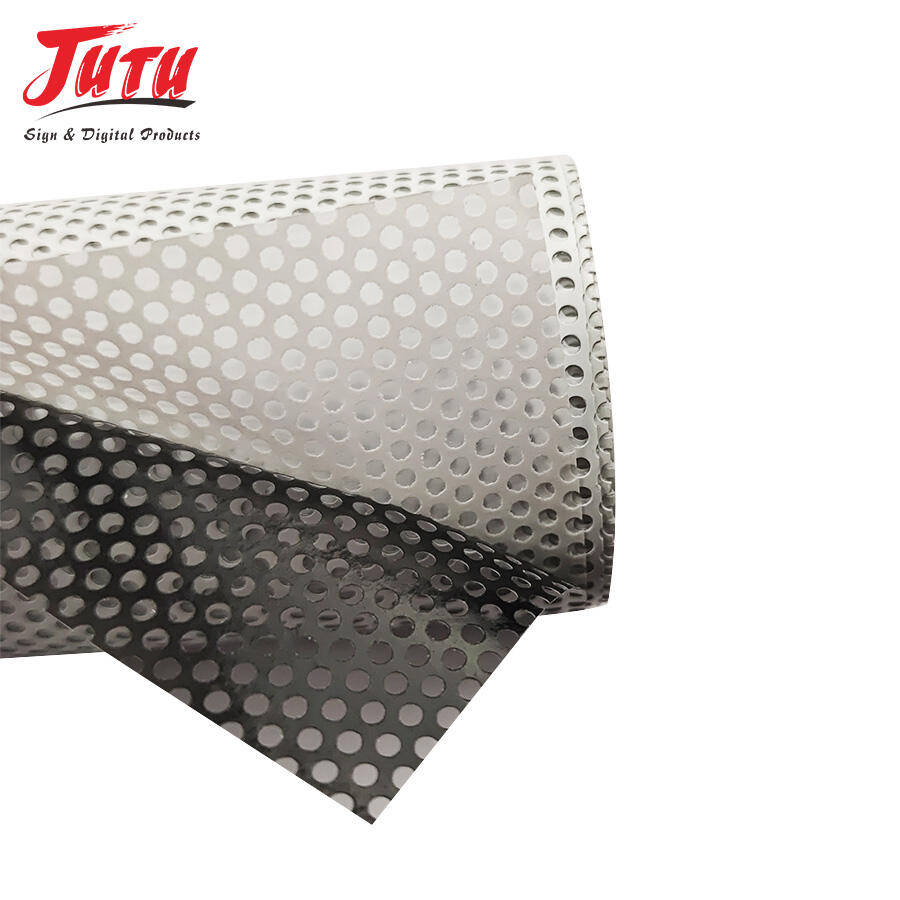
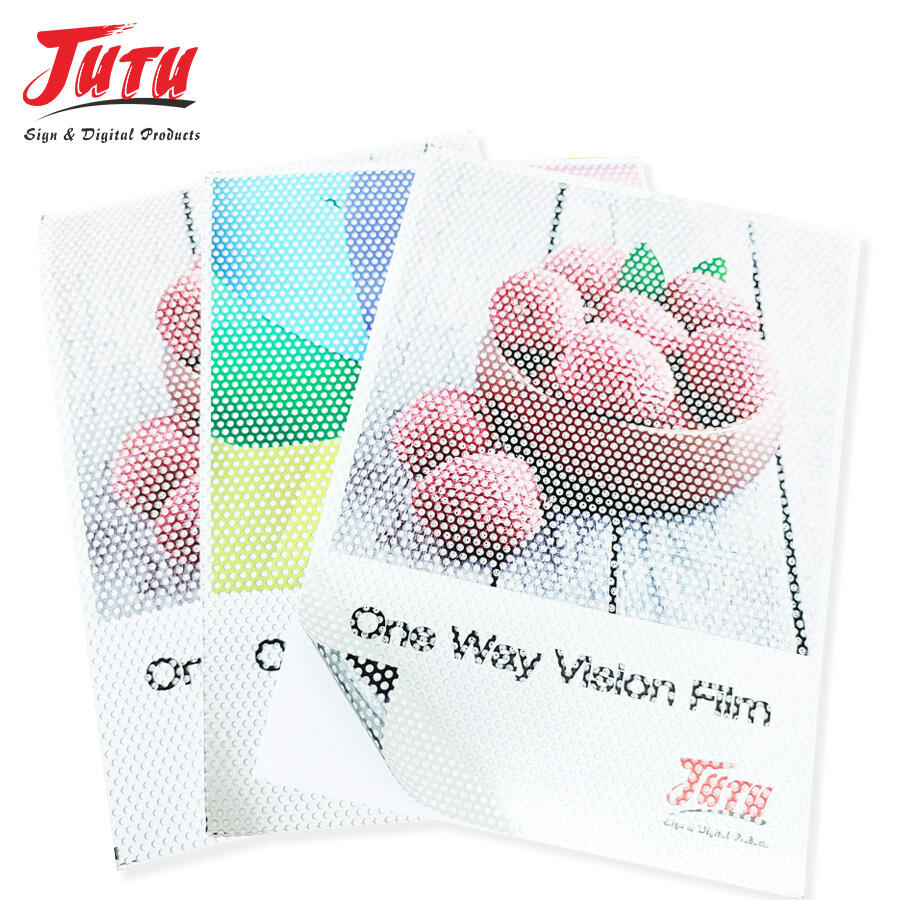
film jendela visi baru
Film jendela new vision merupakan kemajuan revolusioner dalam teknologi jendela pintar, menggabungkan material elektrokromik mutakhir dengan sistem kontrol canggih untuk memberikan fungsionalitas yang belum pernah ada sebelumnya bagi bangunan modern. Film jendela new vision yang inovatif ini menggunakan teknologi berbasis polimer lanjutan yang memungkinkan pengguna mengatur tingkat transparansi secara instan hanya dengan sentuhan tombol atau melalui sensor otomatis. Teknologi inti film ini berpusat pada kemampuan kaca yang dapat diubah, di mana partikel mikroskopis yang tersuspensi di dalam film merespons arus listrik untuk mengubah sifat optiknya. Ketika listrik diterapkan, partikel-partikel ini menyelaraskan diri untuk menciptakan transparansi, sedangkan pemutusan arus menyebabkan partikel-partikel tersebut menghamburkan cahaya, memberikan privasi dan mengurangi silau. Film new vision ini menggabungkan beberapa lapisan pelapis khusus yang meningkatkan ketahanan, ketahanan terhadap cuaca, dan kinerja optik. Fungsi utamanya mencakup kontrol privasi dinamis, pengurangan panas matahari, perlindungan UV, serta optimalisasi efisiensi energi. Fitur teknologinya mencakup kemampuan integrasi dengan rumah pintar, kontrol aplikasi ponsel, otomatisasi berbasis timer, dan sensor cahaya sekitar yang secara otomatis menyesuaikan transparansi berdasarkan kondisi lingkungan. Film ini menjaga kejernihan optik yang sangat baik saat transparan, dengan distorsi warna atau kabut minimal. Aplikasinya mencakup gedung perkantoran komersial, rumah tinggal, fasilitas kesehatan, institusi pendidikan, lingkungan ritel, dan industri otomotif. Film jendela new vision menawarkan fleksibilitas signifikan dalam pemasangan, kompatibel baik untuk proyek konstruksi baru maupun penerapan retrofit pada jendela yang sudah ada. Sistem perekat canggih memastikan ikatan jangka panjang tanpa mengorbankan kinerja atau menimbulkan masalah perawatan. Teknologi ini mendukung berbagai metode kontrol termasuk sakelar dinding, remote control, aplikasi smartphone, serta integrasi dengan sistem manajemen gedung. Pertimbangan lingkungan mencakup bahan yang dapat didaur ulang dan sifat hemat energi yang mendukung praktik bangunan berkelanjutan serta persyaratan sertifikasi LEED.
 EN
EN