 EN
EN

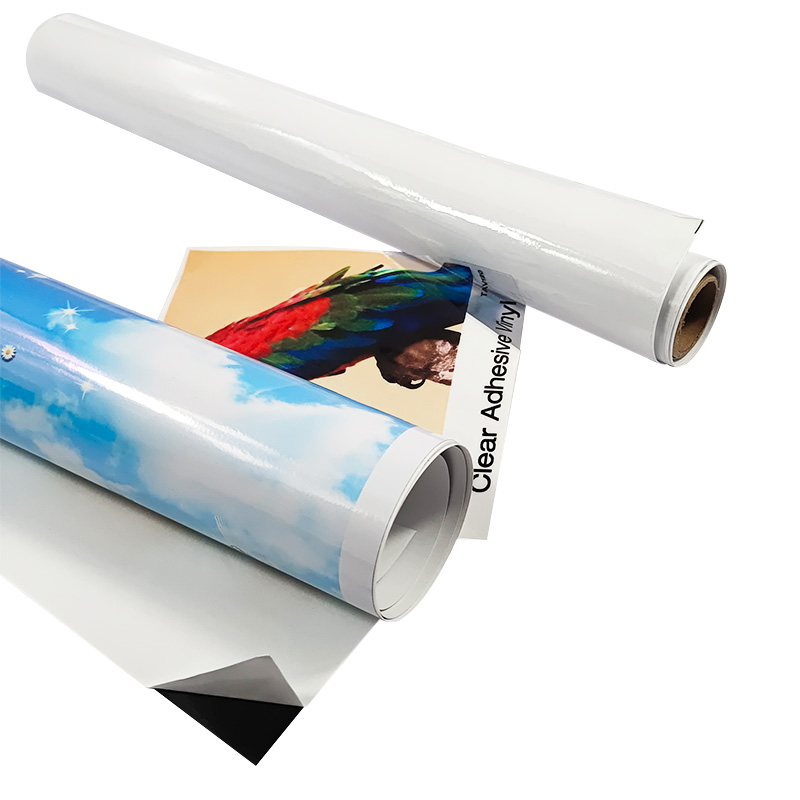
Wybór odpowiedniego wykończenia folii do laminowania zimnego ma istotny wpływ zarówno na wygląd wizualny, jak i na właściwości funkcjonalne materiałów drukowanych. Decyzja między wykończeniem połyskującym, matowym i satynowym określa sposób oddziaływania światła na powierzchnię, wpływa na czytelność oraz kształtuje ogólny profesjonalny wygląd dokumentów, tablic informacyjnych i materiałów marketingowych. Zrozumienie unikalnych cech każdego rodzaju wykończenia folii do laminowania zimnego umożliwia przedsiębiorstwom podejmowanie świadomych decyzji, które są zgodne z ich konkretnymi wymaganiami aplikacyjnymi oraz celami estetycznymi.
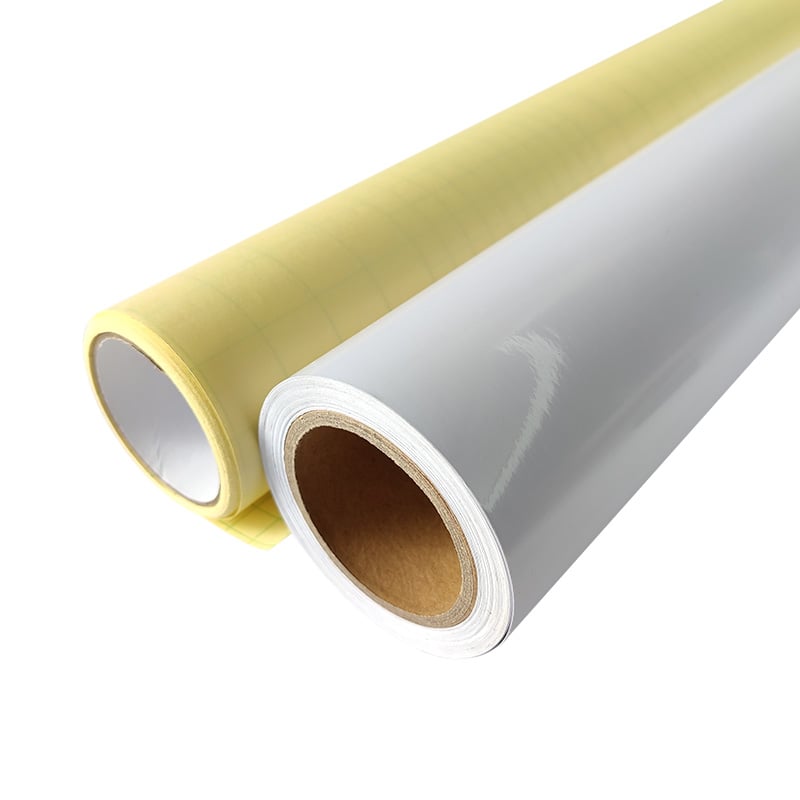
Profesjonalne wykończenie druków wymaga starannego rozważenia faktury powierzchni, właściwości odbijania światła oraz warunków, w jakich druk będzie oglądany. Każdy rodzaj wykończenia folii laminującej zimnej spełnia inne zadania w zastosowaniach komercyjnego druku — od wysokiej jakości ekspozycji handlowych, które wymagają maksymalnej żywiołowości kolorów, po dokumenty profesjonalne, które powinny charakteryzować się minimalnym oślepiającym połyskiem zapewniającym komfort czytania. Proces podejmowania decyzji obejmuje ocenę takich czynników, jak środowisko oglądania, rodzaj treści, wymagania dotyczące obsługi materiału oraz pozycjonowanie marki, aby zagwarantować optymalne rezultaty, które wzmocnią, a nie osłabią podstawowego materiału drukowanego.
Zrozumienie właściwości wykończenia folii laminującej zimnej
Faktura powierzchni i oddziaływanie światła
Podstawową różnicą między powłokami folii do zimnego laminowania o wykończeniu połyskowym, matowym i satynowym jest ich tekstura powierzchni oraz sposób, w jaki manipulują odbiciem światła. Wykończenie połyskowe charakteryzuje się gładką, wysoko odbijającą powierzchnią, która tworzy lustrzane odbicia i maksymalne nasycenie kolorów. Ta gładka tekstura umożliwia jednolite odbijanie się światła, co przekłada się na żywe kolory i wyraźny kontrast, dzięki czemu obrazy wydają się bardziej dynamiczne i rzucające się w oczy w dobrze oświetlonych środowiskach.
Folia do zimnego laminowania o wykończeniu matowym zawiera mikroskopijne nieregularności powierzchni, które rozpraszają światło w wielu kierunkach, eliminując połysk i zapewniając nieodbijającą powierzchnię. Ta teksturyzowana powierzchnia redukuje odbicie światła praktycznie do zera, ułatwiając czytanie materiałów drukowanych w różnych warunkach oświetleniowych oraz nadając im wyrafinowany, skromny wygląd, który sprawdza się w zastosowaniach profesjonalnych i artystycznych.
Wykończenia satynowe zajmują położenie pośrednie między wykończeniami połyskującymi a matowymi, charakteryzując się umiarkowaną teksturą powierzchni, która zapewnia kontrolowane odbicie światła. Taki zrównoważony podejście zapewnia zwiększoną żywotność kolorów w porównaniu do wykończeń matowych, jednocześnie znacznie zmniejszając oślepiające błyski w porównaniu do wykończeń połyskujących, tworząc elegancki kompromis, który dobrze sprawdza się w różnorodnych warunkach oglądania oraz wymaganiach aplikacyjnych.
Odtwarzanie kolorów i wpływ wizualny
Postrzeganie kolorów różni się znacznie w zależności od rodzaju wykończenia folii laminacyjnej chłodnej, ponieważ poszczególne rodzaje wykończenia mają odmienne właściwości związane z przetwarzaniem światła. Wykończenia połyskujące maksymalizują nasycenie kolorów i kontrast dzięki maksymalnemu przepuszczaniu i odbijaniu światła, co sprawia, że kolory wyglądają bardziej żywe, a kolory czarne głębsze. To wzmocnione odtwarzanie kolorów czyni połyskującą folię laminacyjną chłodną idealnym wyborem do wydruków fotograficznych, materiałów marketingowych oraz wszelkich zastosowań, w których priorytetem jest wpływ wizualny, a nie ograniczanie oślepiających błysków.
Matowe wykończenia naturalnie zmniejszają nasycenie kolorów i kontrast z powodu efektów rozpraszania światła, tworząc bardziej stonowaną paletę barw, która podkreśla treść zamiast wrażeń wizualnych. Choć to zmniejszenie intensywności kolorów może wydawać się niekorzystne, faktycznie poprawia ono czytelność i zmniejsza zmęczenie oczu, czyniąc matową folię do zimnego laminowania idealnym wyborem dla dokumentów zawierających dużo tekstu, materiałów instruktażowych oraz profesjonalnych prezentacji, gdzie najważniejsza jest jasność przekazywanej informacji.
Powierzchnie satynowe zapewniają pośredni poziom reprodukcji kolorów, który łączy żywość z czytelnością. Kolory wyglądają bogatsze niż w wersji matowej, ale mniej intensywne niż w wersji połyskliwej, co tworzy atrakcyjną prezentację wizualną zachowującą dobrą czytelność i zachowującą znaczną część oryginalnego oddziaływania kolorów. Taka zrównoważona reprodukcja kolorów czyni satynową folię do zimnego laminowania uniwersalnym rozwiązaniem dla zastosowań wymagających zarówno atrakcyjnego wyglądu, jak i funkcjonalnej wydajności.
Zastosowanie -Specyficzne Kryteria Wyboru
Wymagania dotyczące wyświetlaczy komercyjnych i detalicznych
Środowiska detaliczne wymagają wyboru folii do laminowania zimnego, które maksymalizują zaangażowanie klientów, jednocześnie wytrzymując warunki intensywnego ruchu. Wykończenia połyskujące szczególnie dobrze sprawdzają się w zastosowaniach detalicznych, gdzie produkty muszą przyciągać uwagę z odległości, np. na stoiskach sprzedaży, plakatach promocyjnych oraz zdjęciach produktów. Wysoka odbijalność i nasycenie kolorów w wykończeniu połyskującym film do laminacji na zimno stwarzają atrakcyjny wrażeniowy efekt wizualny, który przyciąga klientów ku prezentowanym informacjom i asortymentowi.
Jednak środowiska detaliczne o zróżnicowanych warunkach oświetlenia mogą korzystać z wykończeń satynowych, zapewniających dobrą reprodukcję kolorów bez powodowania uciążliwego odbłyśnięcia spowodowanego oświetleniem górnym lub światłem przechodzącym przez okna. Satynowa folia do laminowania zimnego oferuje trwałość i atrakcyjny wygląd wizualny, jednocześnie gwarantując czytelność prezentowanych informacji z wielu kątów widzenia, co czyni ją odpowiednią do tablic z menu, sygnalizacji kierunkowej oraz tablic informacyjnych w obiektach komercyjnych.
Powłoki matowe służą specjalnym zastosowaniom detalicznym, w których priorytetem jest redukcja odbłyśnięć, a nie maksymalny wpływ wizualny. Wyświetlacz edukacyjny, szczegółowe karty informacyjne o produktach oraz dokumentacja techniczna korzystają z matowej folii laminującej zimnej, ponieważ eliminuje ona odbicia, które mogłyby utrudniać zrozumienie tekstu, zwłaszcza w jasno oświetlonych pomieszczeniach lub obszarach z wieloma źródłami światła.
Zastosowania profesjonalne – dokumenty i biuro
Środowiska biurowe wymagają wyboru folii laminującej zimnej, która stawia na pierwszym planie czytelność i profesjonalny wygląd, a nie maksymalny wpływ wizualny. Powłoki matowe dominują w zastosowaniach dokumentów biurowych, ponieważ eliminują odbłyski powodujące zmęczenie oczu podczas długotrwałego czytania. Raporty, prezentacje, wykresy oraz materiały referencyjne korzystają z matowej folii laminującej zimnej, która zapewnia komfortowe oglądanie w świetle lamp fluorescencyjnych oraz redukuje odbicia od ekranów komputerowych lub lamp biurkowych.
Powłoki satynowe dobrze sprawdzają się w zastosowaniach profesjonalnych, gdzie wymagana jest poprawa atrakcyjności wizualnej bez utraty czytelności. Prezentacje dla kierownictwa, materiały przeznaczone dla klientów oraz dokumentacja markowa mogą korzystać z matowej folii laminacyjnej na zimno, która zapewnia subtelną elegancję, zachowując przy tym doskonałą czytelność w różnych warunkach oświetlenia typowych dla sal konferencyjnych i biur.
Powłoki połyskujące mają ograniczone zastosowanie w kontekście dokumentów profesjonalnych, ale mogą być odpowiednie dla okładek, stron tytułowych lub elementów prezentacji wymagających maksymalnego wpływu wizualnego. Jednak wysoka odbijalność połyskującej folii laminacyjnej na zimno może utrudniać czytanie w typowych warunkach oświetlenia biurowego, przez co nie nadaje się ona do materiałów zawierających dużo treści, które wymagają długotrwałej uwagi i zrozumienia.
Zagadnienia środowiskowe i bezpieczeństwa podczas obsługi
Trwałość i wymagania dotyczące konserwacji
Wykończenie powierzchni znacząco wpływa na trwałość i wymagania dotyczące konserwacji materiałów laminowanych. Folia do zimnej laminacji połyskowej łatwiej wykazuje odciski palców, zadrapania i kurz niż inne rodzaje wykończenia ze względu na swoją gładką, odbijającą powierzchnię. Choć wykończenie połyskowe zapewnia doskonałą ochronę przed wilgocią i chemikaliami, wymaga ono częstszego czyszczenia w celu zachowania bezbłędnego wyglądu, szczególnie w zastosowaniach narażonych na intensywne dotykanie lub w środowiskach pylnych.
Wykończenie matowe doskonale maskuje niedoskonałości powierzchni, odciski palców oraz drobne zadrapania dzięki swojej teksturze rozpraszającej światło, która zasłania drobne wady. Dlatego folia do zimnej laminacji matowej jest idealna w zastosowaniach wymagających częstego dotykania lub narażonych na zanieczyszczenia środowiskowe. Materiały edukacyjne, przewodniki referencyjne oraz dokumentacja często obsługiwana korzystają z wykończenia matowego, które zachowuje atrakcyjny wygląd przy minimalnych wymaganiach konserwacyjnych.
Powierzchnie satynowe zapewniają umiarkowaną odporność na zadrapania i odciski palców, jednocześnie umożliwiając łatwiejsze czyszczenie niż tekstury matowe. Zrównoważona tekstura powierzchni satynowej folii laminującej zimnej pozwala na skuteczne czyszczenie bez konieczności intensywnego utrzymania charakterystycznego dla wykończeń połyskujących, co czyni ją odpowiednią do zastosowań wymagających zarówno trwałości, jak i rozsądnych wymagań utrzymaniowych w środowiskach komercyjnych i biurowych.
Narażenie na czynniki środowiskowe oraz trwałość
Różne rodzaje wykończeń folii laminujących zimnej różnią się stopniem odporności na czynniki środowiskowe, takie jak ekspozycja na promieniowanie UV, wahania temperatury oraz zmiany wilgotności. Wykończenia połyskujące zapewniają zazwyczaj najlepszą ochronę przed degradacją UV i przenikaniem wilgoci dzięki gęstej, gładkiej strukturze powierzchni. Dlatego folia laminująca zimna z wykończeniem połyskującym jest odpowiednia do zastosowań wymagających maksymalnej ochrony przed czynnikami środowiskowymi, szczególnie w warunkach zewnętrznych lub w pomieszczeniach wewnętrznych o wysokim stopniu narażenia.
Powłoki matowe i satynowe zapewniają dobrą ochronę środowiskową, oferując dodatkowe korzyści pod względem stabilności wyglądów w czasie. Teksturowane powierzchnie tych powłok lepiej maskują stopniowe skutki oddziaływania czynników środowiskowych, takie jak niewielkie zmiany na powierzchni lub subtelne przesunięcia barw, niż gładkie powłoki połyskowe, które mogą bardziej wyraźnie ujawniać ślady zużycia.
W ocenie długoterminowej wydajności należy uwzględnić przewidywaną częstotliwość obsługi, poziom ekspozycji na czynniki środowiskowe oraz harmonogram wymiany. Dobór folii do laminowania zimnego powinien uwzględniać zarówno natychmiastowe wymagania dotyczące wydajności, jak i długoterminowe potrzeby związane z zachowaniem wyglądów oraz ochroną, aby zapewnić opłacalną wydajność zastosowania przez cały planowany okres użytkowania laminowanych materiałów.
Ramka decyzyjna dotycząca wyboru wykończenia
Ocena podstawowych wymagań związanych z głównym zastosowaniem
Proces doboru rozpoczyna się od wyraźnego zdefiniowania głównego przeznaczenia i warunków wyświetlania materiałów laminowanych. Materiały marketingowe o wysokim wpływie, fotografie produktów oraz wizualne wystawy zwykle korzystają z matowej folii laminującej na zimno, która maksymalizuje nasycenie kolorów i atrakcyjność wizualną. W tych zastosowaniach priorytetem jest natychmiastowy wpływ wizualny, a nie długotrwałe rozważania związane z użytkowaniem, a działają one zazwyczaj w kontrolowanych środowiskach oświetleniowych, w których odblask można skutecznie ograniczyć.
Zastosowania zawierające dużą ilość informacji, takie jak materiały szkoleniowe, dokumentacja techniczna oraz przewodniki referencyjne, wymagają matowej folii laminującej na zimno, która stawia na pierwszym planie czytelność i komfort wzroku, a nie maksymalny wpływ wizualny. W tych zastosowaniach występuje długotrwałe czytanie oraz częste odwoływanie się do treści, dlatego redukcja odblasku i komfort czytania są ważniejsze niż żywość kolorów i wrażenie wizualne.
Wielozadaniowe zastosowania wymagające zarówno atrakcyjnego wyglądu, jak i funkcjonalnej wydajności, często korzystają z matowej folii laminacyjnej na zimno, która zapewnia zrównoważone właściwości. Prezentacje konferencyjne, materiały dla klientów oraz uniwersalne tablice informacyjne mogą wykorzystywać powłoki matowe, które dobrze sprawdzają się w różnorodnych warunkach oświetleniowych i wymogach widoczności, zachowując przy tym profesjonalny standard wyglądu.
Równoważenie wymogów estetycznych i funkcjonalnych
Skuteczny dobór powłoki wymaga równoważenia oczekiwań estetycznych z praktycznymi wymaganiami funkcjonalnymi. Wytyczne marki oraz preferencje estetyczne mogą sprzyjać powłokom połyskowym w celu osiągnięcia maksymalnego wpływu kolorystycznego, jednak wymagania funkcjonalne, takie jak czytelność w świetle lamp fluorescencyjnych, mogą wymuszać zastosowanie alternatyw matowych lub półmatowych. Zrozumienie tych kompromisów umożliwia podejmowanie świadomych decyzji, które optymalizują ogólną wydajność, a nie tylko maksymalizują pojedyncze cechy.
Wagę mają również rozważania budżetowe przy wyborze folii do laminowania zimnego, ponieważ różne rodzaje wykończenia mogą różnić się ceną oraz wymaganiami dotyczącymi aplikacji. Wykończenie połyskujące może wymagać bardziej ostrożnego obchodzenia się z nim i przechowywania w celu zachowania jego wyglądu, podczas gdy wykończenie matowe może być wymieniane rzadziej ze względu na zdolność maskowania zużycia oraz niedoskonałości powierzchni.
Testowanie próbek w rzeczywistych warunkach użytkowania zapewnia cenne informacje na temat różnic w rzeczywistej wydajności poszczególnych rodzajów wykończenia. Ocena tego, jak różne opcje folii do laminowania zimnego zachowują się w określonych warunkach oświetlenia, wymagań związanych z obsługą oraz czynników środowiskowych, pomaga zagwarantować, że teoretyczne zalety przekładają się na praktyczne korzyści w zamierzonym środowisku zastosowania.
Często zadawane pytania
Jakie są główne różnice między połyskującym, matowym i satynowym wykończeniem folii do laminowania zimnego?
Wykończenia połyskujące zapewniają maksymalne nasycenie kolorów i ich żywość przy wysokiej odbijalności, co czyni je idealnym wyborem w zastosowaniach wymagających silnego wpływu wizualnego. Wykończenia matowe eliminują odblask i zmniejszają nasycenie kolorów, zapewniając lepszą czytelność i komfort wzroku. Wykończenia satynowe stanowią kompromis między tymi dwoma rodzajami – zapewniają umiarkowane wzmocnienie kolorów przy jednoczesnym ograniczeniu odblasku w porównaniu do wykończeń połyskujących.
Który rodzaj wykończenia folii laminacyjnej zimnej jest najlepszy do dokumentów biurowych i prezentacji?
Do zastosowań biurowych najlepiej sprawdzają się wykończenia matowe i satynowe. Matowa folia laminacyjna zimna szczególnie nadaje się do dokumentów zawierających dużo tekstu oraz materiałów przeznaczonych do długotrwałego czytania, podczas gdy wykończenia satynowe dobrze sprawdzają się w prezentacjach i materiałach przeznaczonych dla klientów, które wymagają profesjonalnego wyglądu i dobrej czytelności w różnych warunkach oświetleniowych.
W jaki sposób czynniki środowiskowe wpływają na wybór rodzaju wykończenia folii laminacyjnej zimnej?
Wybór wykończenia powinien uwzględniać warunki ekspozycji środowiskowej, częstotliwość obsługi oraz wymagania dotyczące konserwacji. Wykończenia połyskujące zapewniają maksymalną ochronę, ale łatwiej na nich widać ślady zużycia. Wykończenia matowe skrywają niedoskonałości i wymagają mniejszej konserwacji, podczas gdy wykończenia półmatowe zapewniają umiarkowaną ochronę oraz zrównoważone cechy wizualne, odpowiednie dla większości środowisk komercyjnych.
Czy mogę używać różnych wykończeń folii laminującej zimnej na stronie przedniej i tylnej tego samego dokumentu?
Tak, wiele zastosowań korzysta z wykorzystania różnych wykończeń na każdej ze stron. Na przykład można stosować folię laminującą zimną połyskającą na okładkach lub stronach tytułowych w celu osiągnięcia większego wpływu wizualnego, a jednocześnie stosować wykończenie matowe na stronach zawartościowych w celu poprawy czytelności. Takie podejście optymalizuje zarówno atrakcyjność estetyczną, jak i wydajność funkcjonalną zgodnie z konkretnymi wymaganiami danego dokumentu.
Spis treści
- Zrozumienie właściwości wykończenia folii laminującej zimnej
- Zastosowanie -Specyficzne Kryteria Wyboru
- Zagadnienia środowiskowe i bezpieczeństwa podczas obsługi
- Ramka decyzyjna dotycząca wyboru wykończenia
-
Często zadawane pytania
- Jakie są główne różnice między połyskującym, matowym i satynowym wykończeniem folii do laminowania zimnego?
- Który rodzaj wykończenia folii laminacyjnej zimnej jest najlepszy do dokumentów biurowych i prezentacji?
- W jaki sposób czynniki środowiskowe wpływają na wybór rodzaju wykończenia folii laminacyjnej zimnej?
- Czy mogę używać różnych wykończeń folii laminującej zimnej na stronie przedniej i tylnej tego samego dokumentu?