Versatile Processing and Customization Capabilities
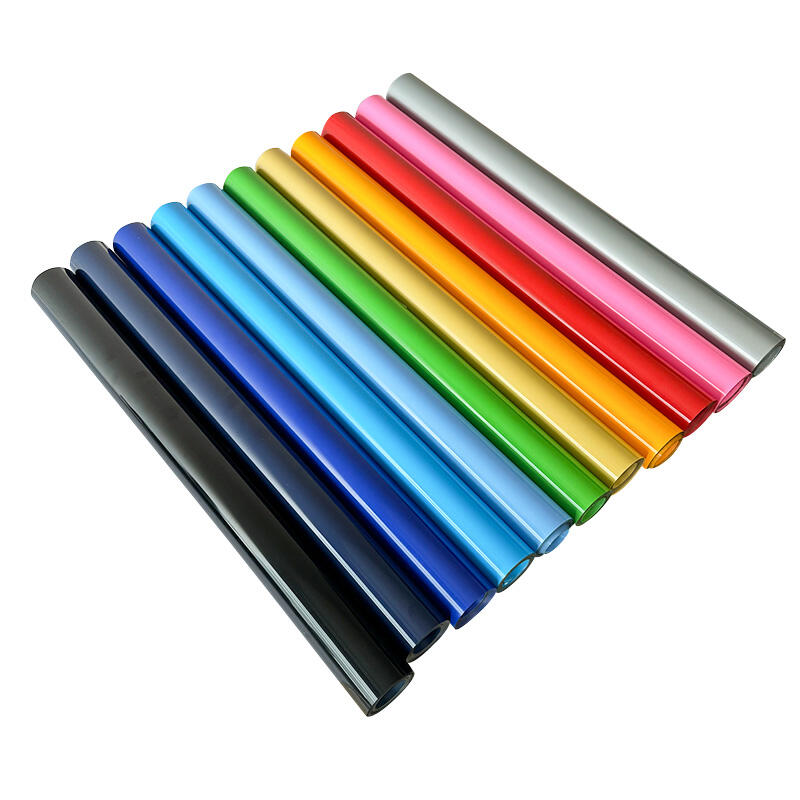
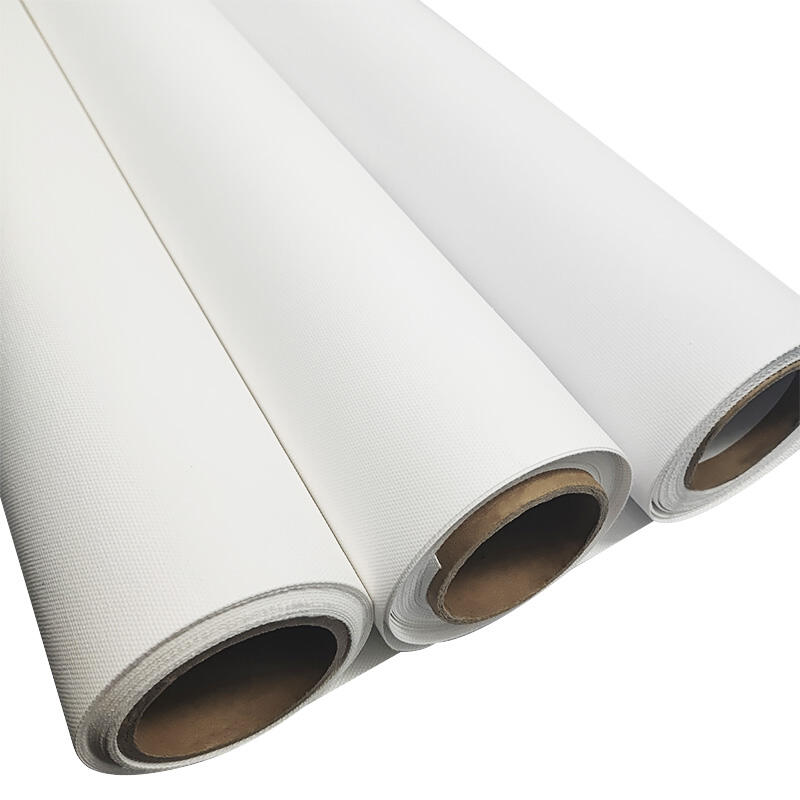
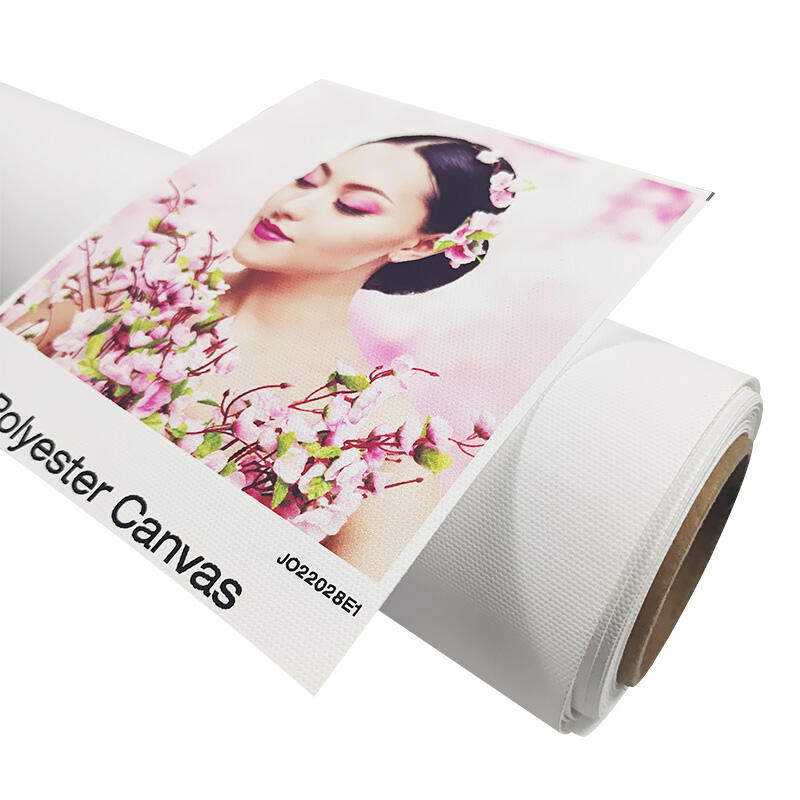
The versatile processing and customization capabilities of poly duck canvas fabric establish it as a preferred material for manufacturers seeking adaptable solutions for diverse application requirements. This versatility stems from the fabric's balanced fiber composition, which readily accepts various chemical treatments, coatings, and finishing processes without compromising core performance characteristics. The poly duck canvas fabric can be customized with flame-retardant treatments to meet stringent fire safety requirements in commercial and industrial applications, making it suitable for use in public spaces, transportation, and industrial environments where fire resistance is mandatory. Water-repellent and waterproof coatings can be applied to enhance moisture resistance for marine applications, outdoor equipment, and protective covers. These treatments integrate seamlessly with the fabric structure, maintaining flexibility and breathability while providing enhanced protection against water penetration. Antimicrobial treatments represent another customization option, particularly valuable for healthcare applications, food service environments, and products requiring hygiene maintenance. The fabric readily accepts these treatments, providing long-lasting antimicrobial protection without affecting other performance characteristics. UV enhancement treatments can be applied to boost the already excellent UV resistance of poly duck canvas fabric for applications requiring extreme sun protection, such as outdoor furniture, awnings, and architectural textiles. Color customization options are virtually unlimited, as the fabric accepts both traditional dyeing processes and modern digital printing technologies. This flexibility allows manufacturers to create products with specific aesthetic requirements while maintaining performance standards. The poly duck canvas fabric processes efficiently through standard textile manufacturing equipment, including cutting, sewing, welding, and grommeting operations. Seaming strength remains consistent across various joining methods, whether using traditional stitching, heat welding, or adhesive bonding. This processing reliability reduces manufacturing complexity and ensures consistent product quality. Hardware attachment capabilities allow for the integration of grommets, snaps, zippers, and other fastening systems without compromising fabric integrity. The material's ability to accept various finishing treatments enables manufacturers to create products tailored for specific performance requirements while maintaining cost-effectiveness and production efficiency.
 EN
EN