Versatile Installation and Design Flexibility
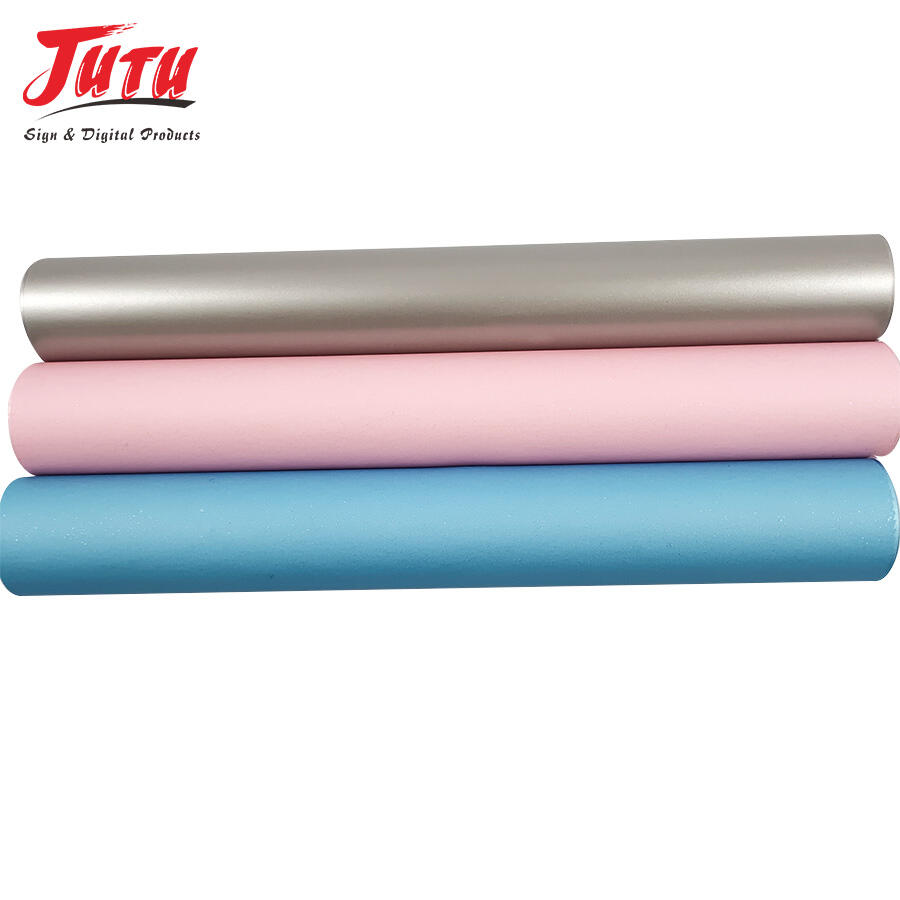
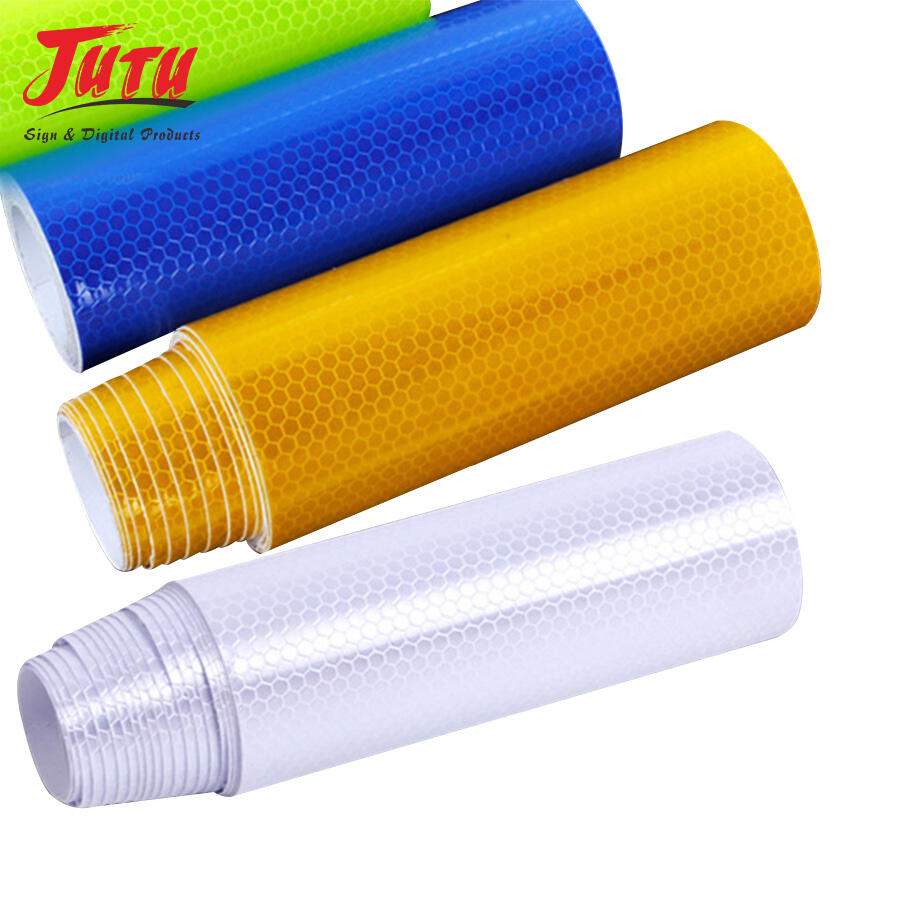
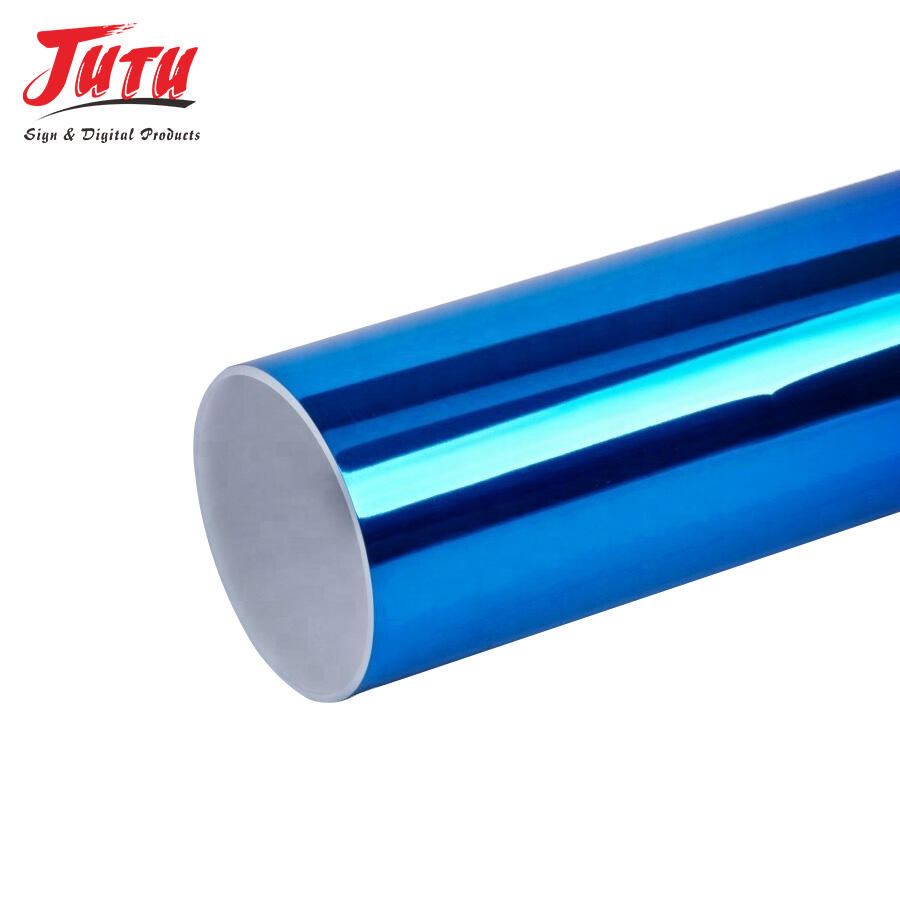
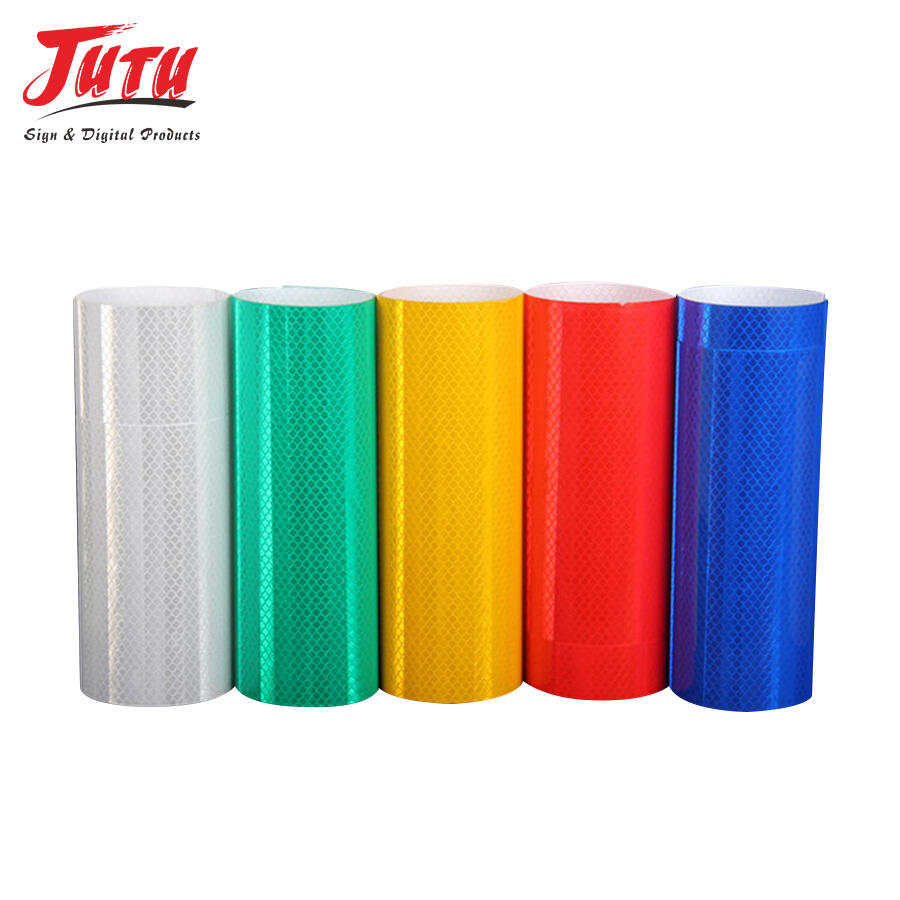
Silver reflective sheet systems offer unparalleled installation versatility, adapting seamlessly to diverse architectural requirements and challenging installation environments while maintaining optimal performance characteristics. The lightweight construction of silver reflective sheet materials eliminates the need for additional structural reinforcement, allowing for quick installation on existing buildings without extensive preparation work. Professional installers appreciate the material's flexibility, which enables conforming to curved surfaces, irregular shapes, and complex geometric configurations that would be impossible with rigid reflective alternatives. The silver reflective sheet can be easily trimmed using standard cutting tools, allowing for precise fitting around obstacles such as vents, pipes, and architectural features without compromising the integrity of the reflective coating. Adhesive backing options provide secure attachment without penetrating the building envelope, preserving warranty coverage while ensuring long-term adhesion under varying weather conditions. Mechanical fastening systems offer alternative installation methods for applications requiring removable or adjustable configurations, making silver reflective sheet installations ideal for temporary structures and seasonal applications. The material's compatibility with standard construction materials includes wood, metal, concrete, and composite substrates, expanding the range of possible installation scenarios. Maintenance requirements remain minimal throughout the service life, with periodic cleaning using standard detergents sufficient to restore optimal reflective performance. The silver reflective sheet design accommodates both interior and exterior installations, providing architects and engineers with creative freedom to incorporate reflective technology into innovative building designs. Expansion and contraction characteristics match common building materials, preventing stress-related failures and ensuring dimensional stability under temperature variations. These installation advantages reduce project costs and timelines while delivering superior performance compared to complex multi-layer insulation systems that require specialized installation expertise and extensive quality control procedures.
 EN
EN