Premium White Reflective Sheeting - Energy Efficient Solutions for Commercial and Industrial Applications

Get a Free Quote

Our representative will contact you soon.
Email
Name
Company Name
Message
0/1000

white reflective sheeting

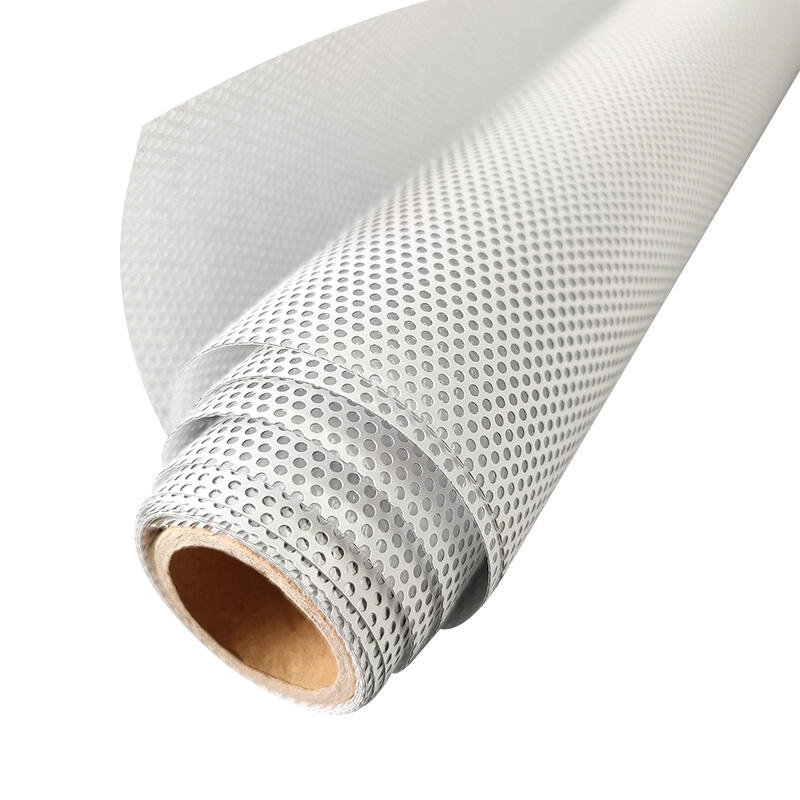
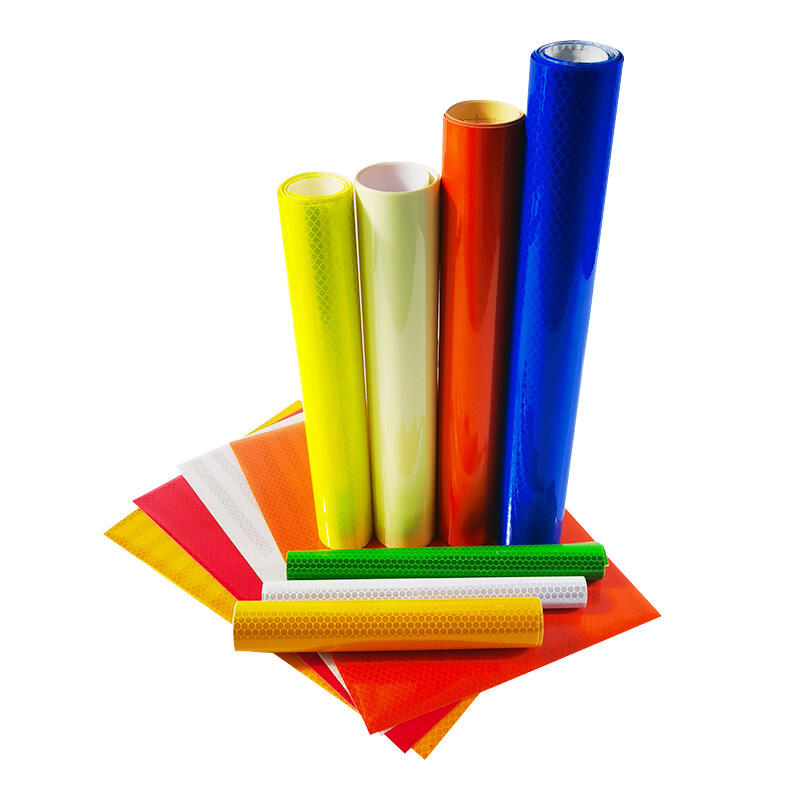
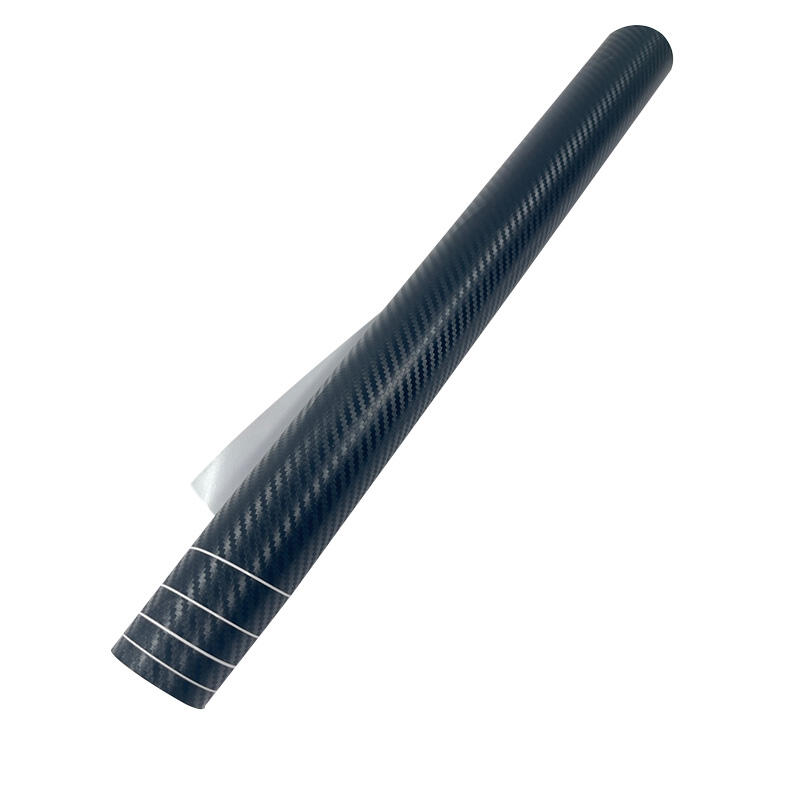
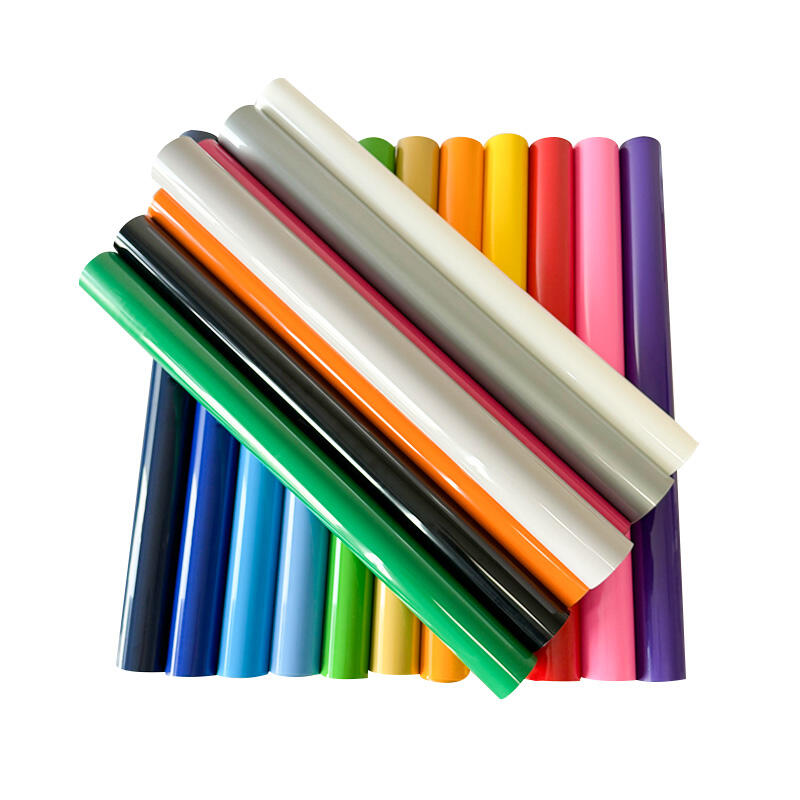
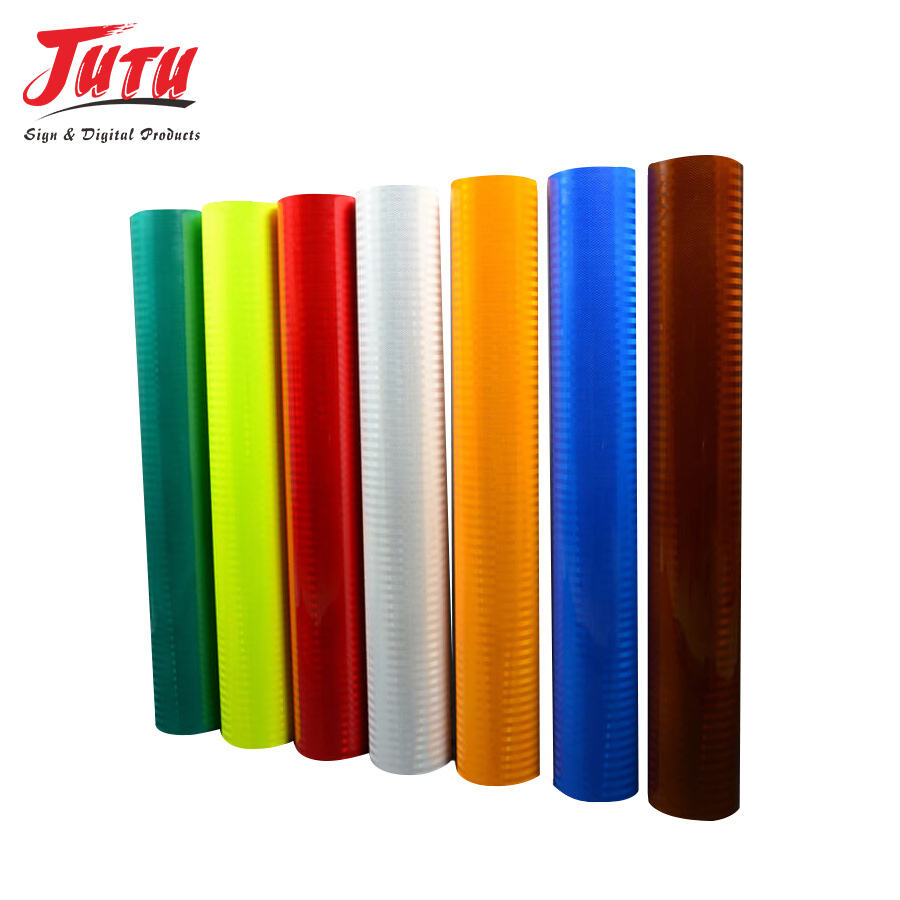
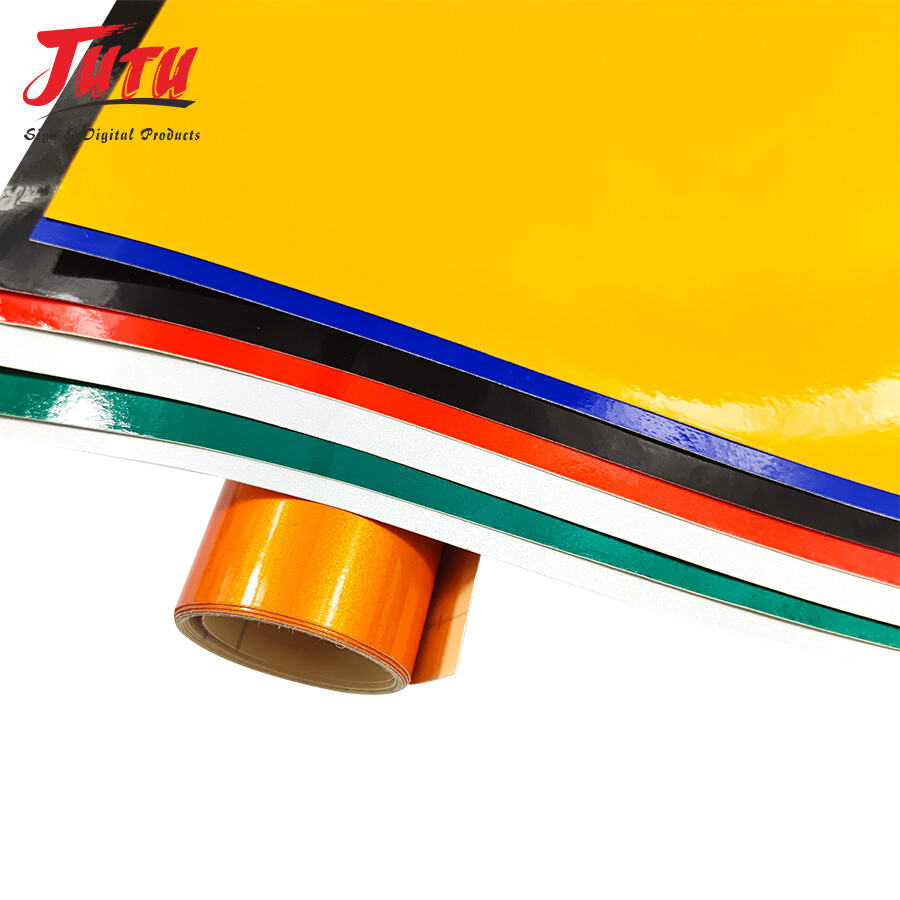
White reflective sheeting represents a revolutionary advancement in protective material technology, designed to maximize light reflection while providing exceptional durability and versatility across numerous applications. This specialized material combines advanced polymer technology with precision-engineered reflective properties to deliver superior performance in demanding environments. The primary function of white reflective sheeting centers on its ability to reflect up to 95% of incident light, making it an invaluable solution for applications requiring enhanced visibility, temperature control, and energy efficiency. The technological foundation of this material relies on micro-structured surfaces and specialized coating formulations that optimize reflective properties while maintaining structural integrity. White reflective sheeting incorporates advanced UV-resistant polymers that prevent degradation from prolonged sun exposure, ensuring long-term performance consistency. The material features exceptional adhesive backing systems that provide reliable bonding to various substrates including metals, plastics, concrete, and composite materials. Manufacturing processes utilize precision extrusion and lamination techniques to achieve uniform thickness and consistent reflective properties across entire sheets. The sheeting demonstrates remarkable flexibility, allowing installation on curved surfaces and complex geometries without compromising performance. Temperature resistance ranges from -40°F to 180°F, enabling applications in extreme climate conditions. The material exhibits excellent chemical resistance against common industrial solvents, acids, and alkaline solutions. Construction applications include building envelope systems, roofing membranes, and architectural cladding where thermal management is critical. Transportation sectors utilize white reflective sheeting for vehicle wraps, trailer coverings, and safety markings. Industrial facilities employ this material for equipment protection, pipeline insulation, and warehouse cooling systems. Agricultural applications encompass greenhouse coverings, crop protection films, and livestock shelter enhancements.

New Products

White reflective sheeting delivers substantial cost savings through reduced energy consumption, as its exceptional reflective properties significantly lower cooling costs in commercial and residential buildings. Property owners experience immediate reductions in air conditioning expenses when this material is applied to roofs, walls, and other exterior surfaces. The energy-efficient design helps maintain comfortable interior temperatures naturally, reducing strain on HVAC systems and extending equipment lifespan. Installation proves remarkably straightforward, requiring minimal specialized tools or extensive training, which translates to reduced labor costs and faster project completion times. The material bonds securely to most common building materials using standard adhesive application techniques, eliminating the need for mechanical fasteners in many applications. Maintenance requirements remain minimal throughout the product's extended service life, as the durable surface resists dirt accumulation and cleans easily with standard washing procedures. Weather resistance capabilities ensure consistent performance across diverse climate conditions, from harsh winter environments to intense summer heat. The material withstands prolonged UV exposure without yellowing, cracking, or losing reflective efficiency, providing reliable long-term value. Versatility in application methods allows contractors to adapt installation procedures to specific project requirements, whether covering large industrial facilities or smaller residential structures. The lightweight nature of white reflective sheeting reduces structural load requirements compared to traditional reflective materials, enabling use on weight-sensitive applications. Fire resistance properties meet stringent safety standards, providing additional protection for building occupants and valuable equipment. Chemical stability ensures the material maintains integrity when exposed to common environmental pollutants, salt spray, and industrial emissions. Return on investment typically occurs within 2-3 years through accumulated energy savings, making this solution financially attractive for budget-conscious property managers. Environmental benefits include reduced carbon footprint through decreased energy consumption and improved building sustainability ratings. The recyclable composition supports green building initiatives and LEED certification requirements.

Tips And Tricks

How to Install Decorative Vinyl: Expert Tips and Tricks

19

Oct

How to Install Decorative Vinyl: Expert Tips and Tricks

The Ultimate Guide to Professional Vinyl Installation Mastering the art of vinyl installation has become increasingly popular among both DIY enthusiasts and professionals. With the advancement of cold lamination film technology, achieving stunning de...
View More
Eco-Friendly Cotton Canvas: Sustainable Art Materials

27

Nov

Eco-Friendly Cotton Canvas: Sustainable Art Materials

The art world is experiencing a significant shift toward sustainable materials as creators become increasingly conscious of their environmental impact. While traditional decorative vinyl has long been a staple in various artistic applications, artist...
View More
How to Choose Quality Cotton Canvas for DIY Projects

27

Nov

How to Choose Quality Cotton Canvas for DIY Projects

Cotton canvas has become an increasingly popular choice for DIY enthusiasts seeking durable, versatile materials for their creative projects. Whether you're crafting home décor pieces, creating custom artwork, or designing functional items, se...
View More
2025 Guide: Digital Printing Vinyl Types and Applications

27

Nov

2025 Guide: Digital Printing Vinyl Types and Applications

Digital printing technology has revolutionized the vinyl industry, creating unprecedented opportunities for businesses across multiple sectors. From custom signage to personalized apparel, the demand for high-quality vinyl materials continues to surg...
View More

Get a Free Quote

Our representative will contact you soon.
Email
Name
Company Name
Message
0/1000

white reflective sheeting

Superior Reflective Performance Technology

Superior Reflective Performance Technology

The advanced reflective technology incorporated in white reflective sheeting sets new industry standards for light reflection efficiency and thermal management capabilities. This cutting-edge material achieves remarkable reflective performance through precisely engineered micro-surface structures that maximize light scattering while minimizing heat absorption. The specialized polymer matrix contains microscopic reflective particles strategically distributed to create optimal reflection angles across the entire visible light spectrum. Laboratory testing consistently demonstrates reflection coefficients exceeding 95% for solar radiation, significantly outperforming conventional white coatings and standard reflective materials. The technology incorporates wavelength-selective properties that reflect harmful UV radiation while allowing beneficial natural light transmission in specific applications. Surface engineering utilizes advanced nanotechnology principles to create microscopic textures that enhance reflective properties without compromising material durability or flexibility. The reflective coating system employs multiple layers of specialized compounds that work synergistically to achieve superior performance characteristics. Quality control processes ensure uniform reflective properties across entire production runs, eliminating performance variations that plague inferior products. Temperature stability testing confirms that reflective efficiency remains consistent across extreme temperature ranges from arctic conditions to desert environments. The material maintains its reflective properties even after prolonged exposure to harsh environmental conditions including acid rain, salt spray, and industrial pollutants. Field performance data from installations worldwide demonstrates sustained reflective efficiency over decades of service life. Comparative analysis shows that white reflective sheeting outperforms traditional reflective solutions by 30-40% in real-world applications. The technology provides immediate temperature reduction benefits, with surface temperatures dropping 20-30 degrees Fahrenheit compared to non-reflective materials under identical solar conditions.
Exceptional Durability and Weather Resistance

Exceptional Durability and Weather Resistance

White reflective sheeting demonstrates outstanding durability characteristics that ensure reliable performance throughout extended service periods in challenging environmental conditions. The advanced polymer composition incorporates UV-stabilizing additives that prevent degradation from prolonged solar exposure, maintaining both structural integrity and reflective properties over decades of use. Accelerated weathering tests simulate 20 years of outdoor exposure, confirming that the material retains 90% of its original reflective efficiency after equivalent exposure periods. The robust construction resists cracking, peeling, and delamination even under extreme temperature cycling conditions that destroy conventional materials. Flexibility testing demonstrates that white reflective sheeting maintains pliability at temperatures as low as -40°F while remaining dimensionally stable at temperatures up to 180°F. Chemical resistance properties protect against degradation from common environmental contaminants including acid rain, industrial emissions, and salt spray in coastal environments. Impact resistance capabilities ensure the material withstands hail, debris, and mechanical stress without compromising performance or appearance. The specialized adhesive backing system creates permanent bonds that resist moisture penetration, wind uplift, and thermal expansion stresses. Quality assurance protocols include extensive testing for tear strength, puncture resistance, and adhesion performance under various environmental conditions. Field installations demonstrate exceptional longevity with documented performance periods exceeding 20 years in harsh climates. The material resists biological growth including mold, mildew, and algae formation that can compromise both appearance and performance over time. Wind resistance testing confirms that properly installed white reflective sheeting withstands hurricane-force winds without failure. Thermal cycling tests verify that repeated heating and cooling cycles do not affect adhesive bond strength or material flexibility. The self-cleaning properties of the smooth surface help maintain optimal reflective performance by preventing dirt and debris accumulation that reduces efficiency in competitive products.
Versatile Application Solutions and Easy Installation

Versatile Application Solutions and Easy Installation

White reflective sheeting offers unmatched versatility in application methods and installation procedures, making it the preferred choice for diverse projects ranging from residential improvements to large-scale industrial installations. The flexible material conforms readily to curved surfaces, irregular geometries, and complex architectural features without requiring specialized forming equipment or extensive preparation procedures. Standard installation tools including utility knives, rollers, and heat guns are sufficient for most applications, eliminating the need for expensive specialized equipment. The pressure-sensitive adhesive backing provides immediate initial tack while developing full bond strength over 24-48 hours, allowing repositioning during installation while ensuring permanent attachment. Surface preparation requirements remain minimal for most substrates, typically requiring only cleaning and degreasing to achieve optimal adhesion performance. The material accommodates thermal expansion and contraction through its flexible construction, preventing bond failure and surface distortion that affects rigid alternatives. Roll formats enable efficient coverage of large areas with minimal seams, while sheet formats provide precise fitting for smaller applications and detailed work. The white reflective sheeting bonds effectively to metals, plastics, concrete, wood, and composite materials commonly found in construction and industrial applications. Installation procedures adapt easily to various weather conditions, with successful application possible at temperatures from 32°F to 100°F. Overlap procedures create seamless installations that maintain uniform appearance and performance across entire covered surfaces. Quality control during installation involves simple visual inspection and basic adhesion testing to verify proper bonding. Repair procedures for damaged sections require minimal material and labor, with patch installations achieving performance equivalent to original installation. Training requirements for installation crews remain minimal due to straightforward application procedures and forgiving material characteristics. The lightweight nature of white reflective sheeting reduces handling challenges and safety concerns compared to heavy traditional reflective materials. Compatible with automated application equipment for high-volume installations while remaining suitable for manual application in custom or retrofit projects.