 EN
EN

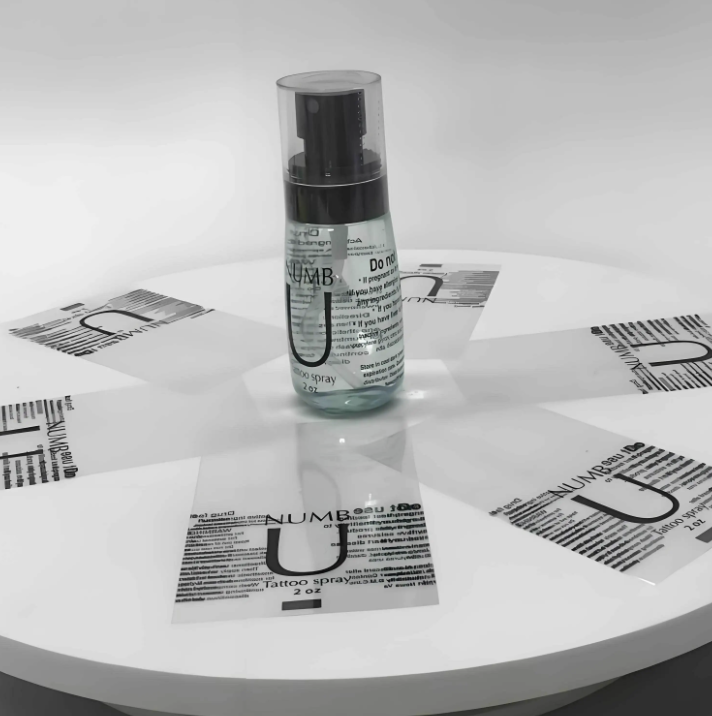
Applying transparent labels requires precision and attention to detail to achieve a professional appearance without visible defects. Air bubbles and cloudiness are common challenges that can significantly compromise the visual quality of your work, especially when working with one way vision materials that demand clarity and adhesion consistency. Understanding the root causes of these issues and implementing proven prevention strategies will help you deliver flawless results consistently.
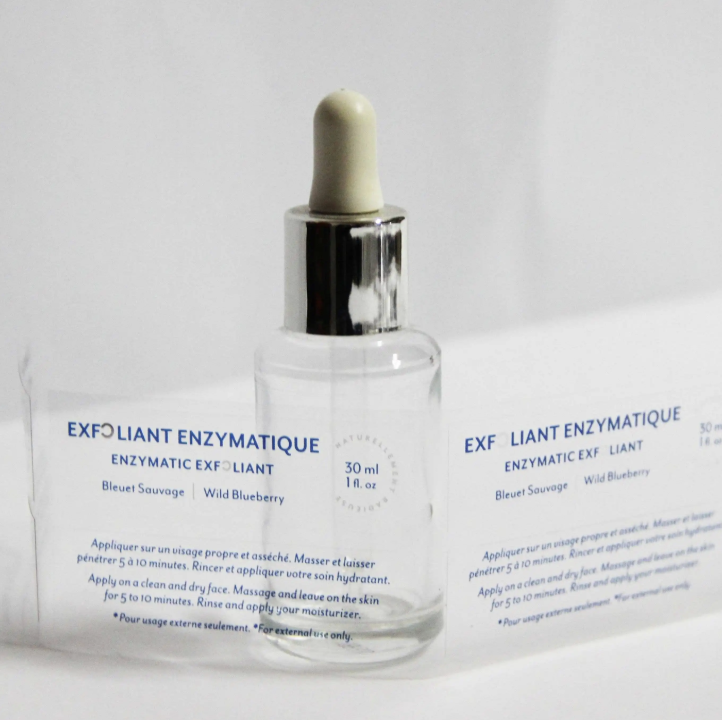
The quality of transparent label application directly impacts the perception of your brand and product. Whether you are applying one way vision labels to windows, glass surfaces, or specialized materials, proper technique eliminates aesthetic problems that can undermine your investment. This guide explores the critical factors that lead to air bubbles and cloudiness, and provides actionable solutions for achieving transparent label perfection every time you apply one way vision products to your projects.
Understanding Air Bubbles in Transparent Label Application
Common Causes of Air Entrapment
Air bubbles form during one way vision label application when trapped air pockets cannot escape between the adhesive and the surface. The most frequent cause is improper technique during the initial placement phase, where the label is pressed down unevenly or too quickly. When applying one way vision materials, if you do not create a systematic pressure pattern from one direction, air gets locked inside the adhesive layer. Temperature fluctuations also contribute significantly; cold surfaces cause the adhesive to set too rapidly, preventing natural air migration that occurs in optimal conditions. Surface contamination, including dust, moisture, or residual oils, creates tiny barriers that prevent the one way vision label from making complete contact with the substrate, resulting in small pockets where air becomes trapped permanently.
How Air Bubbles Affect Visual Quality
When one way vision labels contain air bubbles, they create visible white spots or hazing that completely undermines the transparency advantage you selected one way vision products to achieve. These bubbles refract light differently than the surrounding material, making them impossible to ignore. On a one way vision application intended for aesthetic appeal or precise visibility, even a single visible bubble can be considered a defect that requires rework. The bubbles also affect adhesion durability; trapped air pockets weaken the bond between the one way vision label and the substrate, potentially allowing moisture to seep in and cause premature failure or peeling.
Preventing Cloudiness on Transparent Labels
Surface Preparation for One Way Vision Labels
The foundation of successful one way vision label application begins with meticulous surface preparation. Before applying any one way vision product, clean the target surface thoroughly with a lint-free cloth and appropriate cleaner designed for the specific substrate material. For glass or acrylic surfaces receiving one way vision labels, use isopropyl alcohol to remove oils, dust, and fingerprints that cause cloudiness. Allow the one way vision application area to dry completely; applying one way vision materials to damp or wet surfaces traps moisture beneath, creating permanent haze and weakening adhesion. For porous surfaces, one way vision labels may require a primer or adhesion promoter to prevent cloudiness that results from the material absorbing moisture unevenly. When preparing any one way vision project, ensure the temperature is between 15°C and 25°C, as this ideal range allows the adhesive to flow properly and allows trapped air to escape naturally before the one way vision label sets.
Cloudiness Caused by Adhesive Choice
The adhesive formulation you select for one way vision label application directly influences cloudiness outcomes. High-quality repositionable adhesives designed specifically for one way vision materials reduce the chance of visible cloudiness compared to general-purpose adhesives. Some adhesives contain plasticizers that migrate into transparent label materials over time, causing yellowing and cloudiness; selecting premium one way vision products with stable adhesive formulations prevents this degradation. Water-based adhesives used on one way vision labels can trap moisture that appears as permanent cloudiness; solvent-based or hot-melt alternatives often perform better for one way vision applications requiring crystal-clear transparency. When applying one way vision labels to challenging substrates, confirm that your chosen adhesive bonds with one way vision materials without creating a cloudy interfacial layer. Testing your adhesive on one way vision samples before full-scale application identifies potential cloudiness issues before they affect your finished product.
Proper Technique for Flawless Transparent Label Application
Step-by-Step Application Method
Begin your one way vision label application by positioning the label carefully on the surface without pressing it down initially. For one way vision products, use a squeegee or application tool with moderate pressure, starting from the center and working outward in smooth strokes to release trapped air systematically. This method ensures that when applying one way vision materials, air bubbles are pushed toward the edges rather than deeper into the adhesive layer. Apply firm, consistent pressure as you move your squeegee across the entire one way vision label surface, making multiple passes if necessary to ensure complete contact. For larger one way vision labels, work in sections, applying one way vision pressure methodically rather than attempting to set the entire label at once. The final pass should move from the center outward at a 45-degree angle, a technique that reliably eliminates remaining air when applying one way vision products.
Post-Application Care and Monitoring
After applying one way vision labels, allow adequate time for the adhesive to cure fully before exposing the label to moisture, extreme temperature, or mechanical stress. Most one way vision materials require 24 to 48 hours of curing time under normal conditions; rushing this process can cause cloudiness as moisture becomes trapped in incompletely set adhesive. Monitor your completed one way vision applications for signs of emerging bubbles or haze during the first few hours, as sometimes issues appear after initial pressing but before full cure; if cloudiness develops while applying one way vision labels, you may still have time to lift the label carefully and reapply with corrected technique. Maintain stable environmental conditions around one way vision label applications; fluctuating temperature and humidity can cause dimensional changes in the material that produce new air pockets or cloudiness long after initial application. Document your successful one way vision application techniques and environmental conditions so that you can replicate them consistently across all future projects.
FAQ
Why does cloudiness appear on my transparent labels even after careful application?
Cloudiness on transparent labels often results from moisture trapped during or after application, incorrect adhesive selection for one way vision materials, or surface contamination you may have missed during preparation. The most common culprit is applying one way vision labels to slightly damp surfaces; even minimal moisture creates permanent haze. Verify that your adhesive formulation is specifically approved for one way vision use, as incompatible adhesives cause interfacial cloudiness that cannot be corrected after the label sets. If you consistently experience cloudiness on one way vision applications despite proper technique, consider upgrading to premium one way vision products with superior adhesive chemistry.
Can I remove and reapply a transparent label if bubbles appear after application?
Removing one way vision labels depends on the adhesive type and how long the label has been applied. If you notice air bubbles immediately after applying one way vision materials, you may carefully lift one corner and re-smooth the label using proper technique to expel the air. However, once one way vision labels cure fully, removing them becomes difficult and often damages the material; prevention is far more effective than correction. If you must remove one way vision applications, use heat or specialized adhesive remover to soften the bond before peeling gently to avoid damaging the substrate. For future one way vision projects, prioritize correct first-time application rather than planning for removal.
What surface types are most challenging for transparent label application?
Porous, textured, and outdoor-exposed surfaces present the greatest challenges for one way vision label applications because they trap air and moisture more readily than smooth, sealed surfaces. Wood and unprimed concrete require special preparation and primer before accepting one way vision labels without bubbling or cloudiness. Rough metal surfaces must be sanded smooth and degreased thoroughly before applying one way vision materials. Curved or uneven surfaces increase difficulty when applying one way vision products; use heat-activated adhesive formulations or segmented label designs to accommodate these challenging substrates while maintaining the transparency and adhesion characteristics one way vision materials provide.