 EN
EN

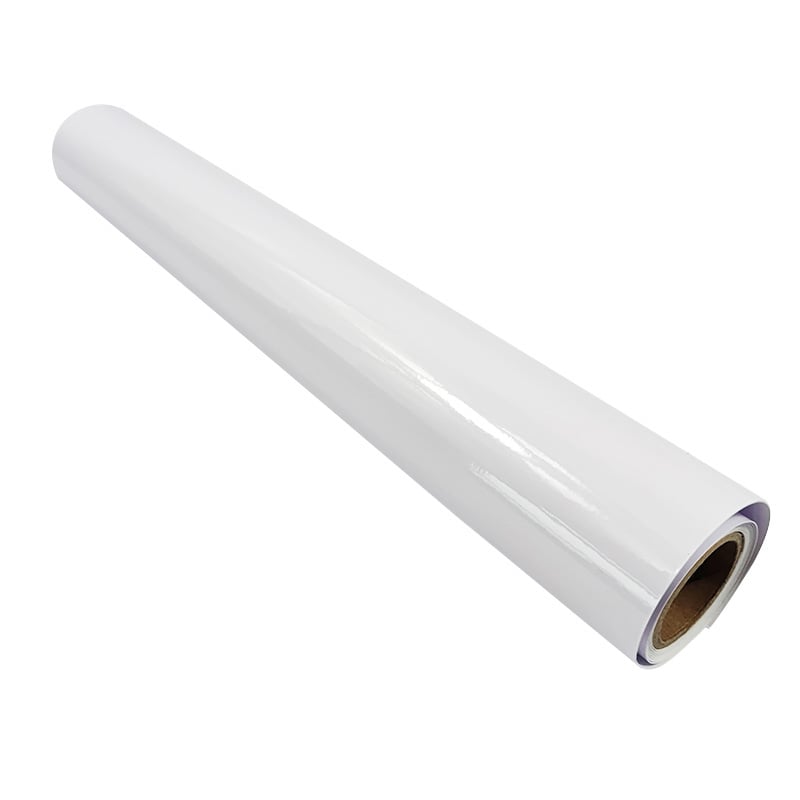
When it comes to refreshing interior spaces without a full renovation, decorative vinyl has become one of the most practical and visually impactful materials available today. From residential living rooms to commercial showrooms, decorative vinyl allows designers, contractors, and homeowners to achieve premium aesthetic results at a fraction of the cost and time required by traditional refurbishment methods. Its growing adoption across both residential and commercial projects reflects a broader shift in how modern interiors are designed and maintained.
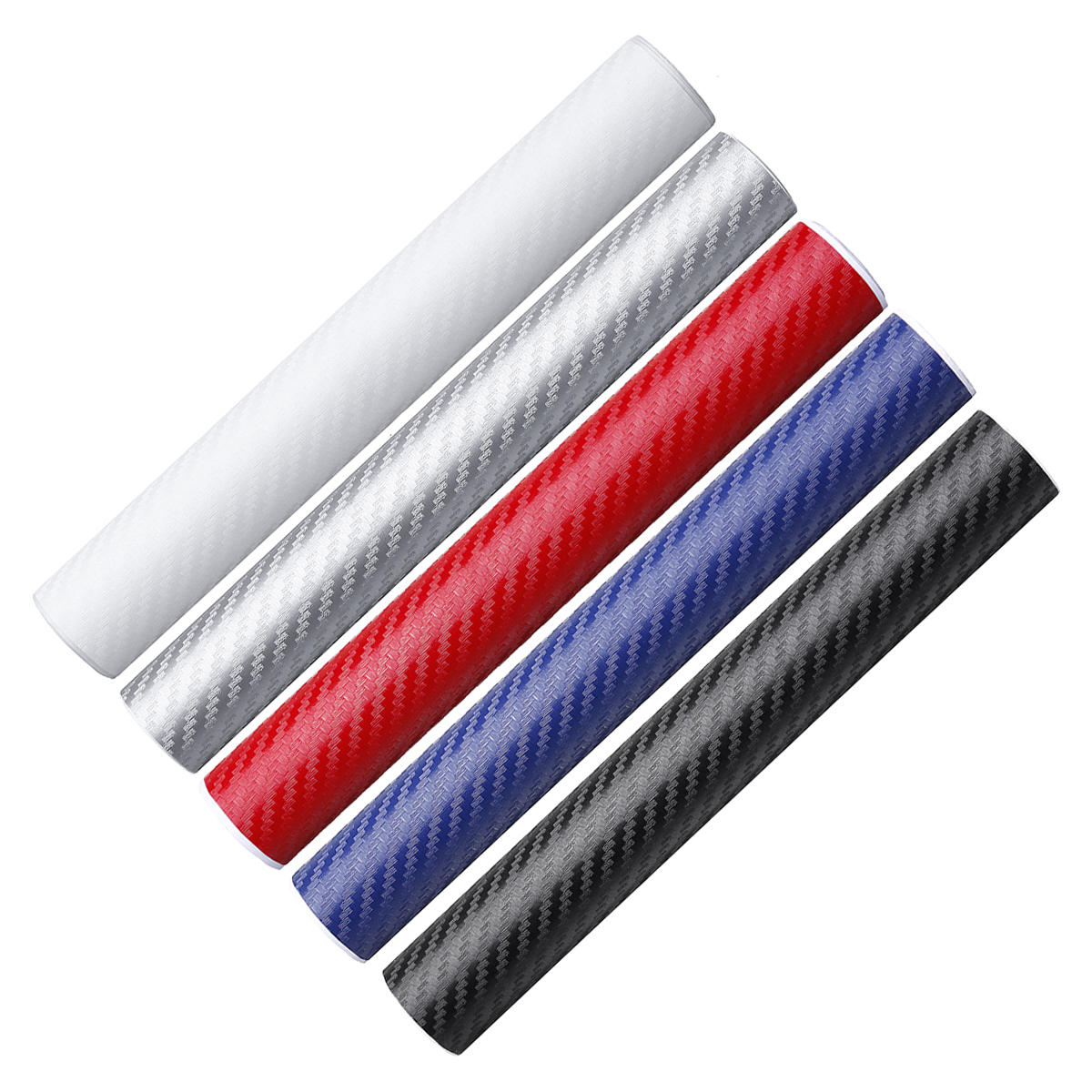
Decorative vinyl is engineered to replicate the appearance of wood, stone, marble, fabric, and countless other textures and patterns with remarkable precision. Unlike paint or wallpaper, decorative vinyl offers a durable surface that resists scratches, moisture, and daily wear, making it suitable for high-traffic areas as well as furniture surfaces that demand both beauty and resilience. Understanding how decorative vinyl works and where it performs best is essential for anyone planning a modern interior upgrade.
The Core Appeal of Decorative Vinyl in Modern Interiors
Visual Versatility Across Surfaces
One of the most compelling reasons professionals and homeowners turn to decorative vinyl is its extraordinary visual range. Decorative vinyl is available in hundreds of finishes, from matte concrete looks to high-gloss metallic tones, enabling designers to match virtually any interior concept. Whether the goal is a Scandinavian minimalist aesthetic or a bold industrial statement, decorative vinyl provides the surface flexibility to bring that vision to life without structural changes. This versatility is particularly valuable in commercial interiors, where brand identity and spatial ambiance must align precisely.
Decorative vinyl can be applied to flat walls, curved cabinetry, tabletops, shelving units, and door panels with equal effectiveness. The material conforms to surface contours, allowing even complex furniture profiles to receive a seamless finish. This adaptability makes decorative vinyl a preferred choice among interior designers who need a single material solution that works across multiple surface types within one project.
Cost-Efficiency Without Sacrificing Quality
Budget constraints often limit the scope of interior renovations, but decorative vinyl bridges the gap between aspiration and affordability. Replacing solid wood panels or natural stone cladding with premium decorative vinyl delivers a visually equivalent result at significantly lower material and labor costs. Decorative vinyl requires no specialized installation equipment, and in many cases, experienced installers can complete a full room transformation within a single workday. For commercial clients managing multiple locations or large square footage, decorative vinyl offers scalable efficiency that other surface materials simply cannot match.
Applying Decorative Vinyl to Walls and Furniture
Wall Applications for Impactful Interior Upgrades
Walls represent the largest surface area in any interior, and decorative vinyl is ideally suited to make that space count. Feature walls covered in decorative vinyl instantly become focal points, creating depth and character that paint alone cannot achieve. Decorative vinyl with woodgrain, stone, or geometric pattern finishes can anchor a room's entire design language. In retail and hospitality environments, decorative vinyl wall treatments communicate quality and attention to detail to every visitor who enters the space.
The installation process for wall-applied decorative vinyl involves thorough surface preparation, precise cutting, and careful adhesive bonding to eliminate bubbles and edge lifting. When installed correctly, decorative vinyl adheres firmly and can remain in place for many years without peeling or fading. Removal is also manageable, making decorative vinyl an ideal solution for leased commercial spaces where permanent modifications are restricted.
Furniture Wrapping with Decorative Vinyl
Furniture wrapping is one of the fastest-growing applications for decorative vinyl, particularly in the context of sustainable interior design. Rather than discarding outdated or worn furniture, businesses and homeowners are using decorative vinyl to completely refresh existing pieces at a fraction of the replacement cost. A dated office desk, a worn kitchen cabinet, or a scuffed retail display unit can be transformed with decorative vinyl into a surface that looks brand new. This approach reduces waste while extending the functional lifespan of existing furniture assets.
Decorative vinyl used for furniture wrapping must meet specific performance standards, including resistance to heat, abrasion, and cleaning chemicals. High-quality decorative vinyl is formulated to withstand repeated surface contact, making it practical for tabletops, countertops, and drawer fronts that experience daily use. The adhesive backing on premium decorative vinyl is designed to bond securely to medium-density fiberboard, melamine, metal, and other common furniture substrates without causing damage upon removal.
Selecting the Right Decorative Vinyl for Your Project
Key Performance and Aesthetic Criteria
Choosing the right decorative vinyl involves evaluating both aesthetic preferences and functional requirements. Thickness matters when it comes to durability — thicker decorative vinyl generally offers better protection against surface damage and a more premium tactile feel. The type of finish also influences the final look significantly. Matte decorative vinyl tends to hide fingerprints and surface irregularities, while gloss decorative vinyl creates a more reflective, dramatic effect. Textured decorative vinyl adds a tactile dimension that flat finishes cannot replicate.
For wall applications in humid environments such as kitchens or bathrooms, moisture-resistant decorative vinyl is essential. Decorative vinyl with a protective topcoat offers additional resistance to UV exposure, preventing color fading in spaces with strong natural or artificial lighting. Specifying the correct decorative vinyl grade for each environment ensures that the material performs reliably over its intended service life.
Professional Installation Versus DIY Application
Decorative vinyl is designed for professional installation in commercial settings, where surface quality expectations are high and errors are costly. However, decorative vinyl products are also available in formats suitable for careful DIY application in residential settings. Air-release adhesive technology in many decorative vinyl products allows installers to reposition the film during application, reducing the risk of misalignment and trapped air. For large-format wall installations or highly visible furniture surfaces, engaging a trained installer ensures that decorative vinyl delivers the flawless result the material is capable of achieving.
FAQ
How long does decorative vinyl typically last on walls and furniture?
High-quality decorative vinyl used on interior walls and furniture generally lasts between five and ten years under normal conditions. The longevity of decorative vinyl depends on factors such as surface preparation quality, environmental exposure, and the grade of the product selected. Premium decorative vinyl with UV protection and a durable topcoat will retain its appearance longer than standard grades.
Can decorative vinyl be removed without damaging the surface underneath?
In most cases, decorative vinyl can be removed cleanly from walls and furniture without causing damage to the substrate, provided the underlying surface is in good condition and the decorative vinyl has not been left in place for an excessively long period. Gentle heat application during removal helps soften the adhesive, making the decorative vinyl easier to peel away without leaving residue.
Is decorative vinyl suitable for commercial and high-traffic environments?
Yes, commercial-grade decorative vinyl is specifically engineered for high-traffic environments. This category of decorative vinyl features enhanced scratch resistance, stronger adhesive formulations, and surface coatings that withstand frequent cleaning. Retail stores, hospitality venues, office interiors, and healthcare facilities regularly use decorative vinyl to maintain attractive, professional surfaces that hold up under continuous daily use.