 EN
EN

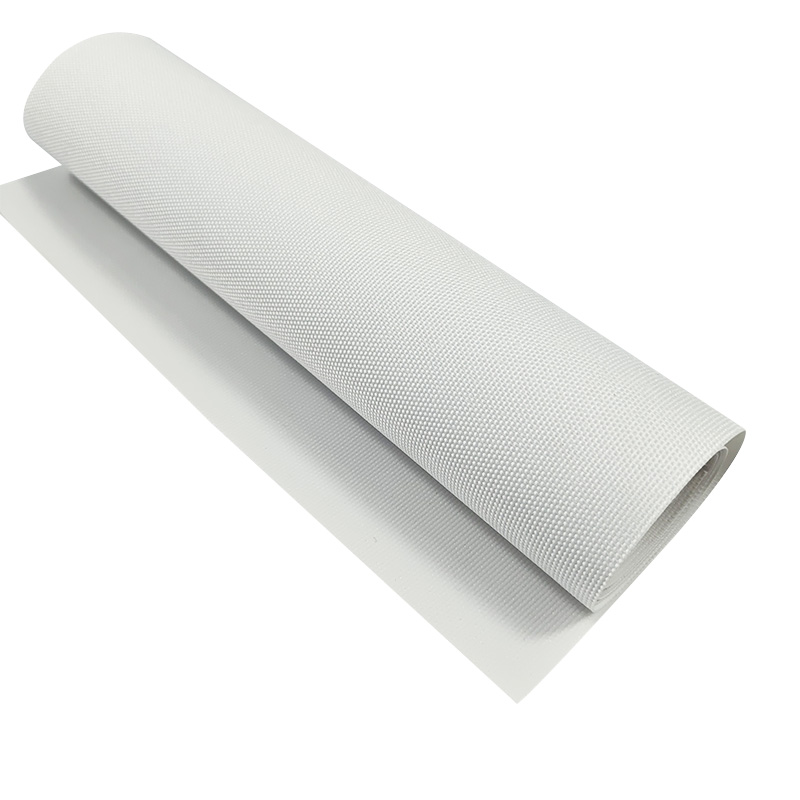
When sourcing materials for architectural interiors, decorative vinyl film has become one of the most practical and versatile surface solutions available to commercial buyers, designers, and contractors. Whether the project calls for warm wood grain aesthetics, sophisticated marble appearances, or tactile textured finishes, decorative vinyl film delivers a broad range of visual effects at a fraction of the cost of natural materials. Understanding how to source the right decorative vinyl film for architectural applications is essential for ensuring project quality, long-term durability, and design consistency.
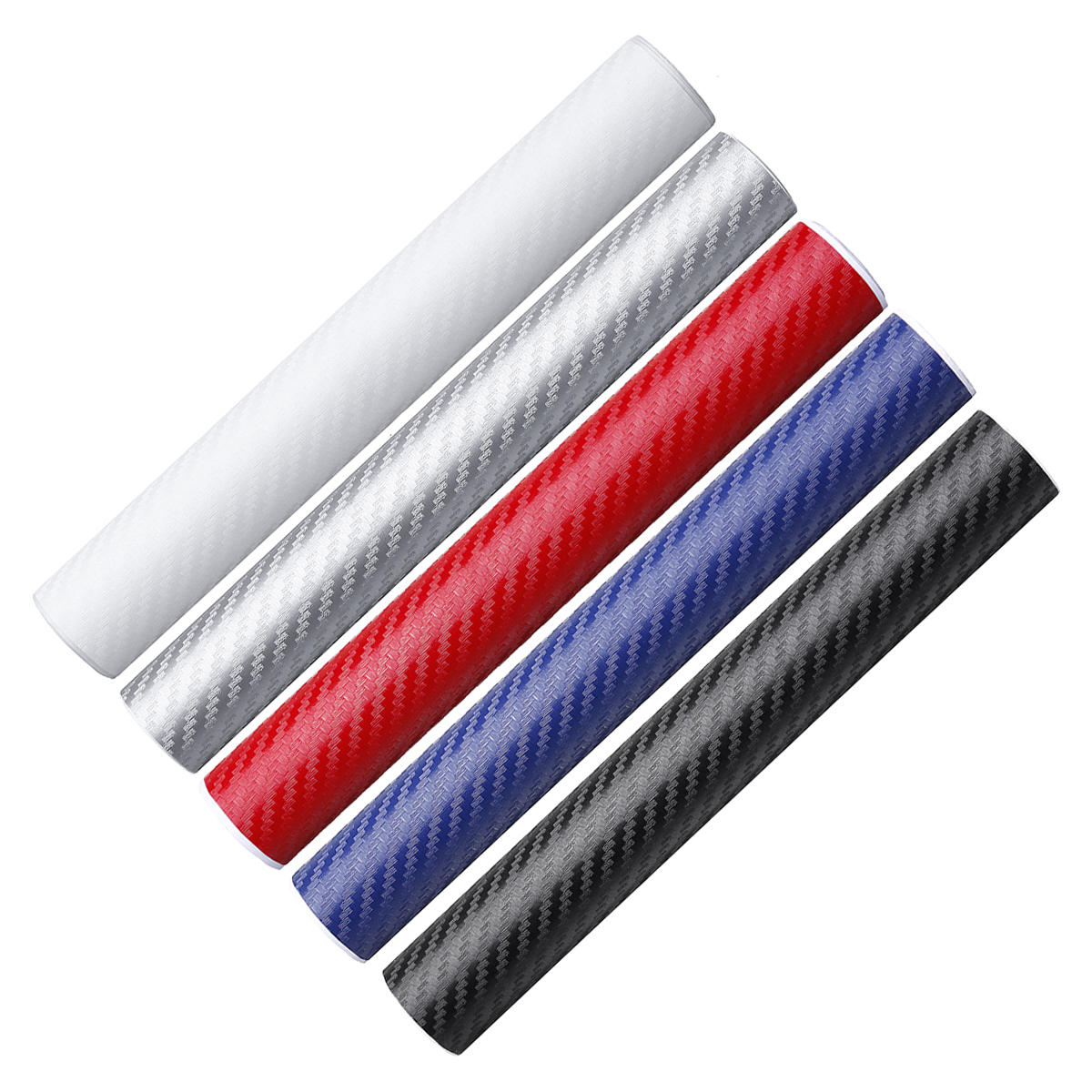
For B2B buyers navigating a market full of options, selecting the right decorative vinyl film requires careful evaluation of finish type, substrate compatibility, adhesive quality, and supplier reliability. This guide walks through the key sourcing considerations for architectural decorative vinyl film across the most in-demand finish categories, helping procurement teams and project managers make informed, specification-confident decisions.
Core Finish Categories in Architectural Decorative Vinyl Film
Wood Grain Decorative Vinyl Film
Wood grain decorative vinyl film is one of the most requested finishes in commercial interior design. It replicates the natural appearance of oak, walnut, pine, teak, and other timber species with striking visual accuracy. Premium decorative vinyl film in wood grain uses multi-layer printing and embossing technology to produce not only a realistic visual but also a surface texture that closely mimics real wood grain. When sourcing wood grain decorative vinyl film, buyers should look for dimensional consistency in the repeat pattern, UV-stable inks that prevent color fading, and a surface coating that resists scratches and moisture. These factors directly impact how well the decorative vinyl film performs over time in high-traffic commercial environments such as offices, retail stores, and hospitality venues.
Marble and Stone Decorative Vinyl Film
Marble-finish decorative vinyl film brings the elegance of natural stone to surfaces where real marble would be impractical due to weight, fragility, or cost. This category of decorative vinyl film covers Carrara white, black marquina, travertine, onyx, and many other stone patterns. High-quality marble decorative vinyl film features smooth, semi-glossy surfaces that replicate the cold brilliance of polished stone while remaining lightweight and easy to apply. When evaluating marble decorative vinyl film for sourcing, pay close attention to print resolution, color depth, and the clarity of veining patterns. The best decorative vinyl film in this category achieves seamless visual flow when applied across large surface areas such as wall panels, elevator interiors, or reception counters.
Textured Finishes and Specialty Decorative Vinyl Film
Textured Surface Decorative Vinyl Film
Textured decorative vinyl film goes beyond flat printed aesthetics by incorporating surface relief patterns such as linen, brushed metal, concrete, leather grain, and geometric embossing. This category of decorative vinyl film is especially valuable in architectural applications where tactile experience matters as much as visual design. Textured decorative vinyl film adds depth and dimension to walls, furniture surfaces, cabinet doors, and partition systems. When sourcing textured decorative vinyl film, buyers should verify embossing consistency across production rolls, since uneven texture depth can create visible inconsistencies on installed surfaces. Also confirm that the decorative vinyl film maintains its texture under expected temperature fluctuations, as some lower-grade products may flatten or deform in warm environments.
Specialty and Custom Decorative Vinyl Film
Beyond standard catalogues, many decorative vinyl film suppliers offer custom print options, allowing architects and brand managers to develop unique surface identities. Custom decorative vinyl film can be produced with proprietary patterns, brand-specific color profiles, or exclusive textures that cannot be sourced from off-the-shelf ranges. For large-scale projects requiring design consistency across multiple locations, custom decorative vinyl film provides a compelling advantage. When evaluating suppliers for custom decorative vinyl film, request color accuracy proofs, minimum order quantity terms, and lead time commitments before finalizing specifications.
Key Technical Factors When Sourcing Decorative Vinyl Film
Adhesive System and Substrate Compatibility
The adhesive backing of decorative vinyl film plays a critical role in installation performance and long-term bonding reliability. Most architectural decorative vinyl film is produced with either permanent or repositionable adhesive systems, each suited to different application scenarios. Permanent adhesive decorative vinyl film is preferred for fixed furniture surfaces, wall cladding, and high-stress areas, while repositionable decorative vinyl film allows for error correction during installation on smooth substrates. When sourcing decorative vinyl film for any architectural project, confirm whether the adhesive is solvent-based, acrylic, or pressure-sensitive, as this directly affects compatibility with MDF, glass, metal, and laminate substrates. Always request technical data sheets from the decorative vinyl film supplier to verify substrate compatibility before bulk purchasing.
Thickness, Durability, and Compliance Standards
The physical thickness of decorative vinyl film typically ranges from 0.08 mm to 0.25 mm for interior architectural applications. Thicker decorative vinyl film generally offers better conformability over slightly uneven surfaces and improved resistance to edge lifting. Durability ratings for decorative vinyl film should include abrasion resistance, chemical resistance, and expected service life under intended use conditions. For commercial and institutional projects, ensure that the decorative vinyl film meets relevant fire safety and indoor air quality standards, including low VOC emission certifications. Compliance documentation is a non-negotiable requirement when specifying decorative vinyl film for public buildings, schools, or healthcare environments. Reputable decorative vinyl film suppliers will readily provide test reports and certificates upon request.
FAQ
What surfaces can architectural decorative vinyl film be applied to?
Architectural decorative vinyl film can be applied to a wide range of smooth and semi-smooth surfaces including MDF panels, plywood, glass, metal, and rigid PVC. Surface preparation is essential before applying decorative vinyl film, as dust, grease, or moisture can compromise adhesion. Always consult the decorative vinyl film supplier's technical specifications for substrate compatibility guidance.
How do I verify the quality of decorative vinyl film before placing a bulk order?
Request physical samples of the decorative vinyl film before committing to a large order. Evaluate the sample for print sharpness, texture consistency, adhesive performance, and flexibility. For critical applications, conduct a practical test by applying the decorative vinyl film to an actual substrate material from your project to assess real-world performance before bulk procurement.
Is decorative vinyl film suitable for exterior architectural applications?
Most standard architectural decorative vinyl film is formulated for interior use only. Exterior-grade decorative vinyl film requires enhanced UV resistance, weatherproof adhesive, and moisture-barrier properties. Always confirm the intended application environment with your decorative vinyl film supplier and request exterior-rated products with verified outdoor durability test data if external surfaces are involved in your project scope.