 EN
EN

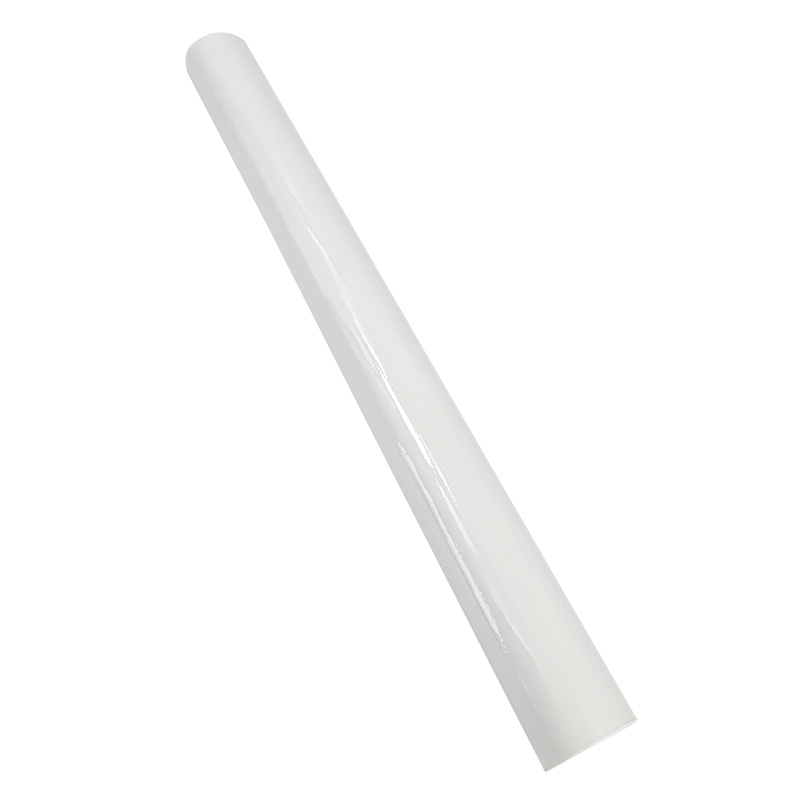
Road safety infrastructure depends on visibility, especially during nighttime, adverse weather conditions, and low-light environments where driver reaction time becomes critically compressed. Among the materials engineered to address these challenges, high-intensity reflective sheet stands as a foundational technology that transforms passive road signage into active safety tools. Unlike standard reflective materials, high-intensity reflective sheet delivers superior retroreflectivity, ensuring that traffic signs, pavement markings, and warning devices remain conspicuous to drivers from extended distances. This capability directly influences accident prevention, traffic flow efficiency, and compliance with stringent safety regulations across highways, urban intersections, work zones, and rural corridors. Understanding why high-intensity reflective sheet has become indispensable requires examining its optical performance characteristics, durability under environmental stress, regulatory mandates, and measurable impact on real-world safety outcomes.
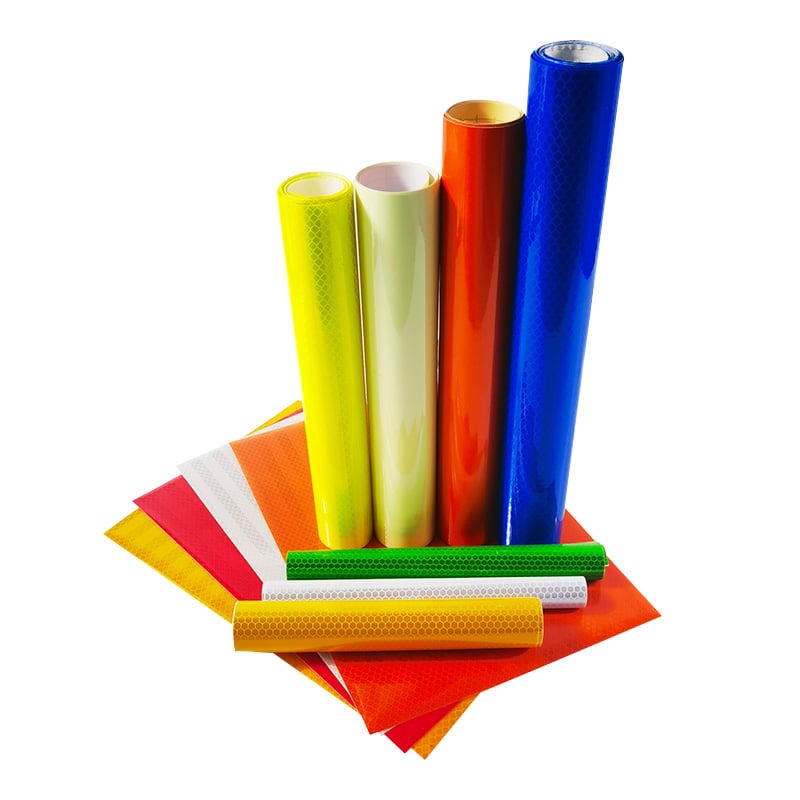
The evolution of retroreflective technology has progressed through distinct performance tiers, with high-intensity reflective sheet representing a critical advancement over older engineering-grade materials. This progression reflects both scientific innovation in optical engineering and growing recognition that inadequate sign visibility contributes significantly to traffic incidents. Transportation authorities worldwide now specify high-intensity reflective sheet for applications where driver decision-making windows are narrow, speed limits are elevated, or environmental conditions frequently compromise visibility. The material's microsphere-based or microprism-based construction enables it to capture and redirect vehicle headlight illumination back toward drivers with exceptional efficiency, creating the bright, easily recognizable sign appearance that supports split-second navigation decisions. As traffic volumes increase and infrastructure ages, the role of high-intensity reflective sheet in maintaining predictable, safe roadway environments has become more critical than ever.
The Optical Performance That Saves Lives
Retroreflectivity Mechanics and Driver Perception
High-intensity reflective sheet operates through precisely engineered optical systems that manipulate light behavior in ways fundamentally different from ordinary reflective surfaces. When vehicle headlights strike the material, embedded glass beads or microprisms capture the incoming light and reflect it back along a narrow angle toward its source, creating the phenomenon known as retroreflection. This directional reflection ensures that drivers, positioned directly behind their headlights, receive maximum illumination from the sign surface. The coefficient of retroreflection, measured in candelas per lux per square meter, quantifies this performance, with high-intensity reflective sheet typically delivering values between 250 and 500 depending on entrance and observation angles. These measurements translate directly to recognition distances that can extend 600 to 800 feet for properly sized regulatory signs on high-speed roadways, providing drivers with adequate time to process information and adjust vehicle operation accordingly.
The human eye's sensitivity to contrast and brightness plays a central role in how high-intensity reflective sheet enhances safety outcomes. During nighttime driving, ambient illumination drops dramatically, and the visual environment becomes dominated by artificial light sources and retroreflective surfaces. High-intensity reflective sheet creates contrast ratios that allow aging eyes and drivers with visual impairments to detect and read signs at distances where lower-grade materials would remain illegible. Research in transportation psychology demonstrates that recognition distance directly correlates with decision quality and crash avoidance, particularly in complex scenarios involving lane changes, merge decisions, and hazard identification. The superior brightness produced by high-intensity reflective sheet reduces cognitive load on drivers by making critical information immediately apparent rather than requiring prolonged visual search or interpretation.
Color Differentiation Under Headlight Illumination
Effective traffic communication systems rely on color-coded information hierarchies, with red indicating prohibition, yellow signaling warning, and green designating guidance. High-intensity reflective sheet maintains accurate color rendition under the specific spectral characteristics of vehicle headlights, which differ substantially from daylight illumination. The material's pigment systems and optical structures work together to preserve color purity while maximizing brightness, ensuring that drivers correctly interpret sign messages without confusion. This becomes particularly critical in situations where multiple sign types appear simultaneously, such as complex interstate interchanges or work zones with temporary traffic control devices. Lower-grade reflective materials may produce color shifts or brightness variations that compromise the intuitive color-coding system upon which road users depend.
The fluorescent variants of high-intensity reflective sheet extend visibility performance into dawn, dusk, and overcast conditions where conventional reflective materials provide minimal benefit. Fluorescent yellow-green sheeting, widely specified for pedestrian crossing signs and school zone warnings, absorbs ambient ultraviolet light and converts it to visible yellow-green wavelengths that attract attention even without direct headlight illumination. This dual-mode operation—fluorescent performance during daylight transitions and retroreflective performance at night—makes high-intensity reflective sheet uniquely capable of maintaining consistent conspicuity across all lighting conditions. Transportation engineers specify this material for applications where vulnerable road users are present or where advance warning of unusual conditions is essential for crash prevention.
Durability Requirements in Hostile Environments
Weather Resistance and Optical Stability
Road infrastructure operates in environments characterized by extreme temperature fluctuations, ultraviolet radiation exposure, moisture infiltration, chemical contamination, and mechanical stress from wind, vibration, and occasional impact. High-intensity reflective sheet must maintain its optical performance throughout multi-year service lives despite these continuous assaults on material integrity. The sheeting's polymer films, adhesive systems, and protective coatings undergo extensive testing to verify resistance to thermal cycling between minus 40 and plus 160 degrees Fahrenheit, water absorption that could delaminate layers, and ultraviolet degradation that attacks polymer chains and pigments. Premium high-intensity reflective sheet products incorporate UV stabilizers, antioxidants, and weather-resistant topcoats that preserve retroreflectivity for seven to ten years even in harsh climates where lesser materials would fail within three years.
The economic implications of premature retroreflective failure extend beyond replacement costs to encompass the safety risks posed by deteriorated signs. When high-intensity reflective sheet degrades, retroreflectivity declines gradually rather than failing catastrophically, creating a dangerous transitional period where signs remain present but no longer provide adequate visibility. Transportation agencies implement systematic retroreflectivity management programs that monitor sign performance and schedule replacements based on measured brightness levels rather than arbitrary time intervals. High-quality high-intensity reflective sheet with proven durability characteristics reduces maintenance frequency, lowers life-cycle costs, and minimizes the periods when degraded signs compromise safety. The material's ability to resist fading, cracking, peeling, and delamination directly influences both fiscal efficiency and public safety outcomes.
Adhesion Performance on Diverse Substrates
Traffic signs utilize various substrate materials including aluminum, steel, composite panels, and recycled plastic materials, each presenting distinct surface energy characteristics and thermal expansion properties. High-intensity reflective sheet incorporates pressure-sensitive adhesive systems engineered to bond reliably to these diverse surfaces while accommodating differential expansion rates that could otherwise induce edge lifting or bubble formation. The adhesive must establish immediate tack for efficient installation while developing full bond strength over subsequent hours, and it must maintain that bond through temperature extremes, moisture exposure, and the mechanical stress imposed by wind loading on large sign panels. Poor adhesion leads to premature sheeting failure, creating both safety hazards and unnecessary replacement expenses.
Application specifications for high-intensity reflective sheet emphasize surface preparation protocols that remove contaminants, oxidation, and moisture before sheeting installation. Even premium adhesive systems cannot compensate for inadequate substrate preparation, and field failures often trace to installation shortcuts rather than material deficiencies. Manufacturers provide detailed application guidelines covering temperature ranges, pressure application techniques, and curing times that ensure optimal adhesion performance. When properly applied, high-intensity reflective sheet forms a mechanically robust composite with the sign substrate, resisting the environmental stresses that cause edge lifting, corner peeling, and moisture intrusion. This durability ensures that the retroreflective performance engineered into the material translates to sustained safety benefits throughout the intended service life.
Regulatory Frameworks and Compliance Mandates
MUTCD Specifications and ASTM Standards
The Manual on Uniform Traffic Control Devices, published by the Federal Highway Administration, establishes minimum retroreflectivity requirements for traffic signs and specifies material performance standards that largely define the role of high-intensity reflective sheet in modern infrastructure. The MUTCD requires that all regulatory, warning, and guide signs on public roadways maintain minimum retroreflectivity levels throughout their service lives, with specific thresholds varying by sign type, color, and application. High-intensity reflective sheet, designated as Type III or Type IV material in ASTM classification systems, meets or exceeds these requirements for most highway applications, making it the default specification for high-speed roadways, rural highways, and urban arterials where traffic volumes and speeds demand superior visibility.
ASTM D4956 provides the technical standard that defines retroreflective sheeting types based on measured performance characteristics including minimum retroreflectivity values at specified geometry, color coordinates, adhesion strength, and durability requirements. Type III high-intensity reflective sheet represents an intermediate performance tier suitable for permanent traffic signs in most applications, while Type IV materials offer enhanced durability for signs expected to remain in service for extended periods. Transportation agencies reference these standards in procurement specifications, ensuring that purchased materials meet verified performance criteria rather than relying on manufacturer claims alone. Compliance with ASTM standards provides legal protection for agencies, contractors, and manufacturers by establishing clear performance benchmarks and testing protocols that define acceptable material quality.
Liability Considerations and Risk Management
The legal doctrine of reasonable care requires transportation agencies to maintain infrastructure in a condition that protects public safety, and traffic sign visibility represents a central element of this responsibility. Agencies that fail to maintain adequate sign retroreflectivity face potential liability in crashes where inadequate warning or guidance contributed to driver error. High-intensity reflective sheet provides a documented, standards-compliant solution that demonstrates reasonable care in infrastructure maintenance, offering important legal protection in litigation scenarios. The material's proven performance characteristics, certified compliance with ASTM and MUTCD requirements, and documented service life enable agencies to defend their material selection and maintenance practices.
Risk management extends beyond legal liability to encompass public trust, fiscal responsibility, and ethical obligations to road users. Transportation agencies serve diverse populations including aging drivers with declining visual acuity, occasional visitors unfamiliar with local roadway configurations, and commercial drivers operating under fatigue and time pressure. High-intensity reflective sheet accommodates these varied user needs by providing consistent, reliable visibility that reduces the burden on driver perception and decision-making. The incremental cost of specifying high-intensity reflective sheet rather than lower-grade materials represents prudent risk mitigation that protects both public safety and agency reputation. When crash investigations reveal that inadequate sign visibility contributed to incidents, the choice to deploy inferior materials becomes indefensible both practically and ethically.
Application Scenarios and Operational Benefits
High-Speed Highway and Interstate Systems
Interstate highways and controlled-access facilities present demanding visibility requirements driven by travel speeds exceeding 65 miles per hour, heavy traffic volumes, complex interchange geometries, and extended distances between decision points. At highway speeds, drivers require maximum possible advance warning to execute lane changes, exit maneuvers, and speed adjustments safely. High-intensity reflective sheet enables sign visibility at the extended distances necessary for comfortable decision-making, typically providing legibility at 600 to 800 feet for properly sized guide signs. This recognition distance allows drivers traveling at 70 miles per hour approximately eight to eleven seconds to process information and initiate vehicle control responses, a timeframe that human factors research identifies as adequate for complex navigation tasks.
The operational benefits of high-intensity reflective sheet on highway systems extend to traffic flow efficiency and capacity utilization. When drivers can confidently identify upcoming exits, merge requirements, and lane configurations well in advance, they execute maneuvers smoothly without late-stage corrections that disrupt following traffic. Inadequate sign visibility forces drivers into tentative, uncertain behavior patterns that create turbulence in traffic flow, reduce effective capacity, and increase crash risk. Transportation agencies operating congested highway corridors recognize that investment in high-quality retroreflective materials pays dividends in system performance that extend beyond direct safety outcomes to encompass mobility, reliability, and user satisfaction.
Work Zones and Temporary Traffic Control
Construction work zones create temporary roadway configurations that violate driver expectations, reduce available roadway width, introduce unexpected hazards, and often operate with suboptimal lighting. These factors combine to make work zones among the highest-risk environments in transportation systems, with crash rates substantially elevated compared to normal operations. High-intensity reflective sheet becomes critically important in work zone applications where temporary signs must provide unmistakable guidance about lane shifts, speed reductions, and hazard locations. The material's superior brightness ensures that warning signs capture attention against cluttered visual backgrounds filled with equipment, barriers, workers, and vehicle lights.
Fluorescent orange high-intensity reflective sheet, specifically developed for work zone applications, combines daytime fluorescence with nighttime retroreflectivity to maintain maximum conspicuity across all lighting conditions. This material addresses the unique challenge of work zones that operate 24 hours daily, requiring signs that remain effective during morning and evening commute periods as well as overnight construction activities. The enhanced visibility provided by fluorescent high-intensity reflective sheet demonstrably reduces work zone crash rates and severity, protecting both traveling public and roadway workers. Given that work zone crashes impose substantial costs through injuries, fatalities, delays, and liability claims, the incremental expense of specifying premium reflective materials represents highly cost-effective risk mitigation.
Urban Intersections and Pedestrian Crossings
Urban street environments present complex visual landscapes where traffic signs compete with commercial signage, building facades, street lighting, and vehicle lights for driver attention. High-intensity reflective sheet helps regulatory and warning signs maintain visual dominance despite these competing stimuli, ensuring that critical information about speed limits, turn restrictions, and pedestrian crossings remains readily apparent. The material's brightness and color purity enable rapid sign recognition and message comprehension, supporting the quick decision cycles required in urban driving environments where intersections, driveways, and crosswalks appear in rapid succession.
Pedestrian safety applications particularly benefit from high-intensity reflective sheet specifications, as pedestrian crossing signs and school zone warnings must attract attention from drivers whose visual attention may be distributed across multiple competing tasks. The fluorescent yellow-green high-intensity reflective sheet specified for these applications exploits human visual sensitivity to yellow-green wavelengths, creating signs that draw involuntary attention even from distracted or fatigued drivers. Research demonstrates that enhanced sign conspicuity correlates with reduced pedestrian crash rates and improved driver yielding behavior at crosswalks. As communities prioritize pedestrian accommodation and complete streets design, investment in high-performance retroreflective materials becomes essential infrastructure supporting these policy objectives.
Economic Value and Life-Cycle Considerations
Total Cost of Ownership Analysis
While high-intensity reflective sheet carries higher initial material costs compared to engineering-grade alternatives, comprehensive economic analysis must account for service life, maintenance frequency, installation labor, traffic control costs, and risk-related expenses. Premium high-intensity reflective sheet typically delivers seven to ten year service life compared to three to five years for lower-grade materials, reducing the frequency of replacement cycles and associated labor costs. Given that sign installation requires traffic control, equipment mobilization, and skilled labor, the cost per service year often favors longer-lasting materials despite higher unit prices. Transportation agencies managing large sign inventories across extensive roadway networks realize substantial savings by specifying durable high-intensity reflective sheet that minimizes maintenance interventions.
Life-cycle cost analysis also incorporates the value of avoided crashes attributable to superior sign visibility. Although precisely quantifying the safety benefit of individual material specifications presents methodological challenges, aggregate evidence demonstrates that retroreflectivity improvements correlate with measurable crash reductions. Economic models developed by transportation research organizations assign monetary values to prevented injuries, fatalities, property damage, and associated societal costs, enabling benefit-cost comparisons that account for safety outcomes alongside direct material and labor expenses. These analyses consistently demonstrate favorable economic returns for high-intensity reflective sheet specifications, with benefit-cost ratios exceeding three-to-one in typical highway applications and reaching substantially higher values in high-risk locations.
Procurement Strategies and Quality Assurance
Effective procurement of high-intensity reflective sheet requires specifications that reference ASTM standards, define minimum performance requirements, and establish quality assurance protocols that verify delivered materials meet contractual obligations. Transportation agencies typically specify retroreflectivity values at multiple observation angles, color coordinates within defined tolerances, minimum warranty periods, and certification that materials comply with MUTCD requirements. These specifications protect agencies from substandard products while enabling competitive bidding among qualified manufacturers. Quality assurance procedures include certification testing of production lots, field verification of installation quality, and ongoing retroreflectivity monitoring to confirm that materials perform as expected throughout their service lives.
The global supply chain for retroreflective materials includes both established manufacturers with extensive performance histories and newer entrants offering lower-cost alternatives. Transportation agencies balance cost considerations with risk management by evaluating manufacturer track records, reviewing independent test data, and sometimes conducting field trials before committing to large-scale procurement. The modest price differences between high-intensity reflective sheet products from various suppliers often pale beside the operational and safety implications of material performance variations, making quality and reliability paramount considerations in procurement decisions. Agencies that prioritize lowest bid price without adequate quality safeguards risk deploying materials that fail prematurely, creating safety hazards and ultimately increasing total costs through frequent replacements.
FAQ
What makes high-intensity reflective sheet different from standard reflective materials?
High-intensity reflective sheet achieves significantly higher retroreflectivity through advanced optical systems using precision glass beads or microprisms that capture and redirect light more efficiently than engineering-grade materials. This results in brighter sign appearance, extended recognition distances, and superior performance in challenging visibility conditions. The material also incorporates enhanced durability features including UV stabilizers, weather-resistant coatings, and robust adhesive systems that extend service life to seven to ten years compared to three to five years for lower-grade alternatives. These performance advantages translate directly to improved safety outcomes and reduced maintenance costs.
How do transportation agencies determine when to replace signs using high-intensity reflective sheet?
Agencies implement retroreflectivity management programs that systematically measure sign brightness using handheld retroreflectometers or mobile data collection systems. When measured values fall below MUTCD minimum thresholds, signs are scheduled for replacement regardless of visual appearance. This performance-based approach ensures that signs maintain adequate visibility throughout their service lives rather than relying on arbitrary age-based replacement schedules. Some agencies also use expected life methods that assign replacement schedules based on historical material performance data, while others employ blanket replacement approaches that proactively replace all signs within defined timeframes.
Can high-intensity reflective sheet be applied to existing signs or only new sign panels?
High-intensity reflective sheet can be applied to existing sign substrates provided the surface is properly prepared to ensure adequate adhesion. The substrate must be clean, dry, and free from oxidation, existing coatings, and contaminants that could compromise bond strength. Aluminum and steel substrates typically accept new sheeting applications readily, though severely corroded or damaged panels may require replacement rather than re-sheeting. Application procedures follow manufacturer specifications regarding temperature ranges, pressure application techniques, and edge sealing to achieve optimal performance. Many agencies maintain inventories of blank sign panels with pre-applied high-intensity reflective sheet to streamline sign fabrication and ensure consistent quality.
Does high-intensity reflective sheet require special maintenance or cleaning procedures?
High-intensity reflective sheet requires minimal maintenance beyond periodic cleaning to remove accumulated dirt, dust, and grime that can reduce retroreflective performance. Cleaning typically involves washing with mild soap solution and water, avoiding abrasive materials or harsh chemicals that could damage the sheeting surface. Transportation agencies often incorporate sign cleaning into routine roadway maintenance activities, particularly in areas with heavy dust, agricultural operations, or industrial emissions. Proper vegetation management around sign locations also helps maintain visibility by preventing obscuration from trees, bushes, and tall weeds. The material's durable construction resists common environmental contaminants and maintains performance with minimal intervention throughout its service life.
Table of Contents
- The Optical Performance That Saves Lives
- Durability Requirements in Hostile Environments
- Regulatory Frameworks and Compliance Mandates
- Application Scenarios and Operational Benefits
- Economic Value and Life-Cycle Considerations
-
FAQ
- What makes high-intensity reflective sheet different from standard reflective materials?
- How do transportation agencies determine when to replace signs using high-intensity reflective sheet?
- Can high-intensity reflective sheet be applied to existing signs or only new sign panels?
- Does high-intensity reflective sheet require special maintenance or cleaning procedures?