 EN
EN

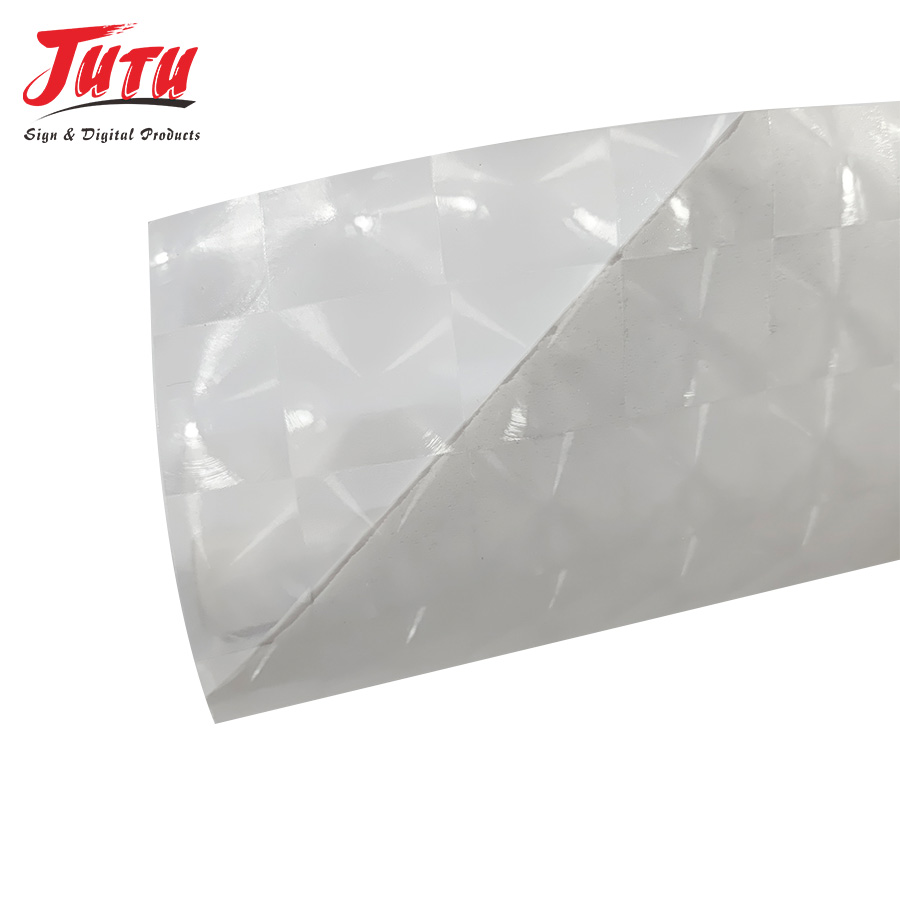
Whether you are outfitting a modern office tower or upgrading the privacy of a home interior, sourcing the right window film is a critical decision that affects both aesthetics and functionality. The market for window film has expanded significantly, offering buyers a wide range of products that serve decorative, privacy, solar control, and safety purposes. Understanding what to look for and how to navigate the sourcing process ensures that every project delivers lasting value. This guide is designed specifically for procurement professionals, contractors, and property managers who need to make informed purchasing decisions.
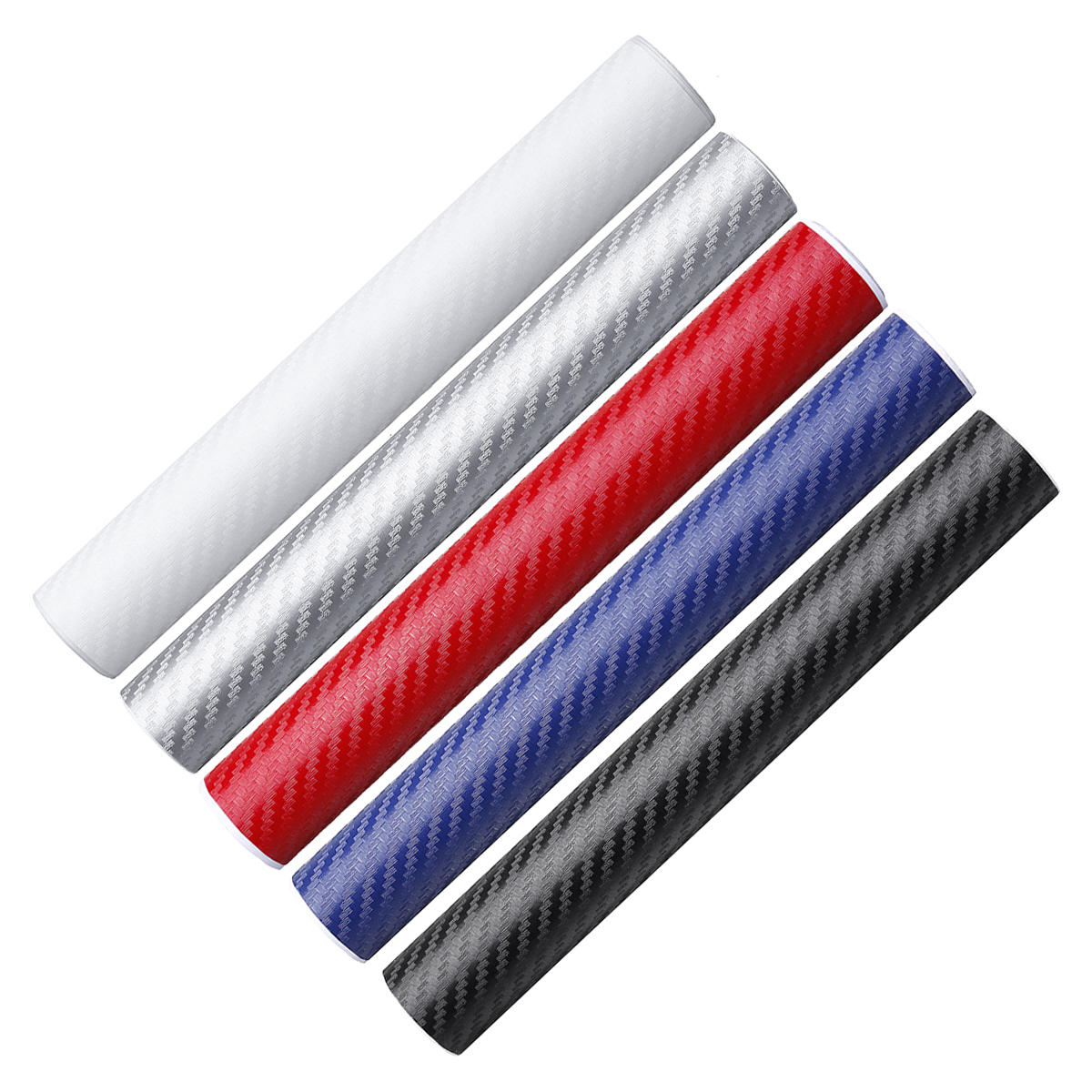
Sourcing window film involves more than simply selecting a pattern or a tint level. Buyers must assess performance characteristics, installation compatibility, durability under local climate conditions, and compliance with building codes. A single sourcing misstep can result in film that peels prematurely, fails to meet energy standards, or simply does not align with the design intent of the space. A structured approach to sourcing window film helps avoid these costly mistakes and ensures the product performs exactly as needed in both residential and commercial environments.
Types of Window Film Available for Sourcing
Decorative Window Film Options
Decorative window film is one of the most sought-after categories in both residential and commercial sourcing. It transforms plain glass into a design element using patterns such as frosted textures, geometric prints, etched glass effects, and stained glass-inspired motifs. For retail storefronts, corporate lobbies, and residential bathrooms, decorative window film offers a cost-effective alternative to expensive etched or printed glass. Buyers should evaluate the clarity of print resolution, the adhesion method, and whether the film is repositionable or permanent. High-quality decorative window film maintains color stability over years of UV exposure without yellowing or fading.
Functional Window Film for Performance Applications
Functional window film addresses specific performance needs including solar heat rejection, glare reduction, UV blocking, privacy enhancement, and safety reinforcement. Solar control window film is particularly valuable in commercial buildings where large glass facades create significant heat gain and glare discomfort. Safety and security window film holds shattered glass together during impact, making it a critical specification for schools, hospitals, and government facilities. Privacy window film, whether one-way mirror type or full-frosted, is commonly specified in healthcare settings and private offices. When sourcing functional window film, buyers should request independently verified performance data, including solar energy rejection percentages and impact resistance ratings.
Key Sourcing Criteria for Window Film Buyers
Performance Standards and Certifications
When sourcing window film at scale, verified performance certifications are non-negotiable. Reputable window film products carry certifications from recognized bodies that validate claims related to solar performance, optical clarity, and safety characteristics. Buyers should specifically look for products tested to relevant international standards for solar heat gain coefficient and visible light transmittance. Certified window film gives procurement teams confidence that the product will perform as advertised, especially in large commercial or multi-unit residential projects. Always request the full technical data sheet and certification documentation before confirming a sourcing decision.
Film Thickness, Durability, and Warranty Terms
Film thickness directly affects the durability and installation behavior of window film. Thicker films, typically used in safety and security applications, provide greater tensile strength and glass retention capability. Thinner decorative window film products offer flexibility for curved surfaces and intricate interior applications. Durability is also influenced by the quality of the adhesive layer, which determines how well the window film bonds to glass under varying temperature and humidity conditions. Warranty terms serve as a practical indicator of product confidence — a reputable supplier of window film will typically offer multi-year warranties covering delamination, discoloration, and adhesive failure. Buyers should compare warranty coverage carefully before selecting a product line.
Sourcing Window Film for Residential vs. Commercial Projects
Residential Sourcing Considerations
Residential buyers sourcing window film typically prioritize aesthetics, ease of installation, and affordability. Homeowners and interior designers often look for decorative window film that complements the interior design scheme while adding practical benefits such as UV protection for furniture and flooring. Privacy window film is a popular choice for ground-floor rooms, bathrooms, and home offices. For residential projects, buyers should also consider whether the window film is DIY-installable or requires professional application. Peel-and-stick static cling window film is a widely preferred option for residential use because it allows for easy removal and repositioning without damaging glass surfaces.
Commercial Sourcing at Scale
Commercial sourcing of window film typically involves larger quantities, tighter performance specifications, and longer procurement timelines. Office buildings, hotels, retail chains, and educational institutions require window film solutions that are consistent across hundreds or thousands of glass panels. Commercial buyers should evaluate not only the product but also the supplier's ability to fulfill large orders reliably and on schedule. Lead times, minimum order quantities, and custom printing capabilities are all important factors when sourcing window film at commercial scale. Establishing a direct relationship with a window film supplier who can provide technical support, sample programs, and installation guidance is particularly valuable for large-scale commercial procurement.
FAQ
What is the difference between decorative and functional window film?
Decorative window film is designed primarily to enhance the visual appearance of glass surfaces through patterns, colors, and textures. Functional window film focuses on measurable performance outcomes such as heat rejection, UV blocking, glare reduction, or impact resistance. Many modern window film products combine both decorative and functional properties, making them suitable for a wide range of residential and commercial applications.
How should I evaluate a window film supplier before placing a bulk order?
When evaluating a window film supplier, request product samples, full technical data sheets, and relevant certifications. Assess their production capacity, lead time reliability, and quality control processes. A trustworthy window film supplier will also be able to provide references from previous large-scale projects and offer clear warranty terms. Visiting the facility or requesting a virtual audit can provide additional confidence before committing to a bulk sourcing arrangement.
Is window film suitable for all glass types?
Most window film products are compatible with standard annealed glass and tempered glass, but compatibility varies depending on the film type and the glass specification. Certain high-performance solar control window film products can cause thermal stress in some glass types if not correctly matched. Always verify glass compatibility with the window film manufacturer before installation, particularly for commercial projects involving laminated, wired, or specialty glass panels.