 EN
EN

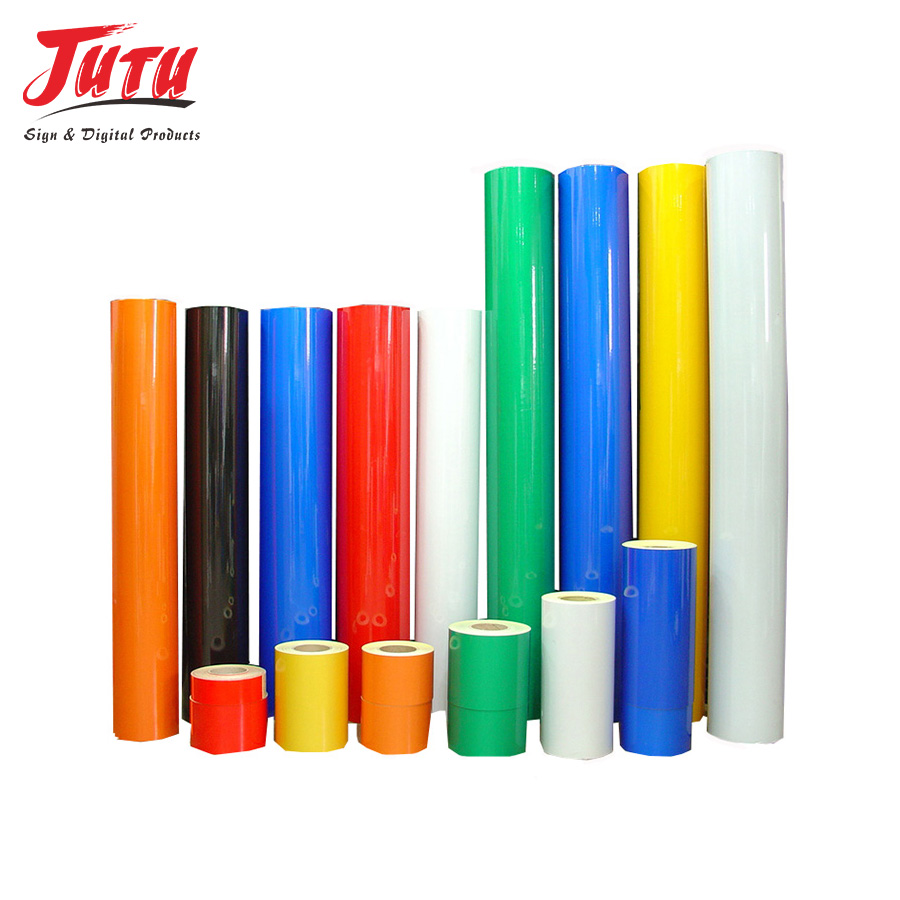
Industrial projects involving traffic management, safety signage, vehicle marking, and architectural visibility demand high-performance materials that ensure long-term durability and compliance with regulatory standards. Selecting the right reflective sheet grade is a critical procurement decision that directly impacts project success, operational safety, and total cost of ownership. This sourcing guide provides industrial buyers, project managers, and procurement specialists with a structured framework for evaluating reflective sheet options based on application requirements, environmental conditions, performance specifications, and budgetary constraints.
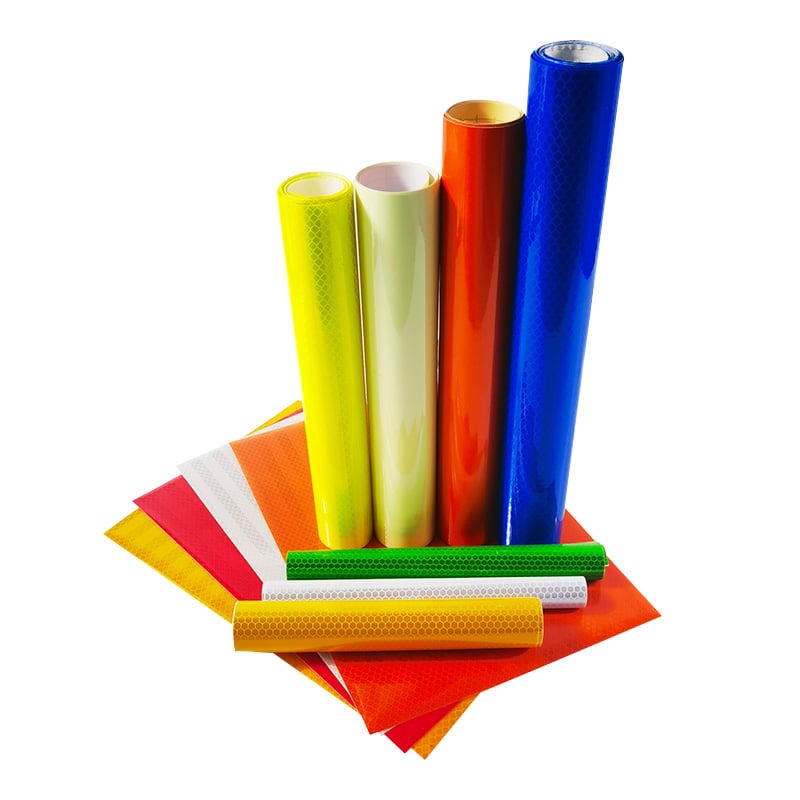
Understanding the technical classifications, performance characteristics, and application suitability of different reflective sheet grades enables informed sourcing decisions that balance quality, compliance, and cost-effectiveness. Whether specifying materials for highway infrastructure, fleet vehicle graphics, construction zone signage, or industrial facility wayfinding systems, the selection process must account for retroreflectivity requirements, substrate compatibility, installation methods, and expected service life under specific operational conditions. This comprehensive guide examines the key factors that influence reflective sheet selection and provides practical criteria for matching material specifications to project demands.
Understanding Reflective Sheet Grade Classifications and Performance Standards
International Classification Systems for Reflective Materials
Reflective sheet materials are categorized according to internationally recognized classification systems that define performance levels based on optical properties, durability characteristics, and intended applications. The American Society for Testing and Materials standards and European normative frameworks establish distinct grade classifications that specify minimum retroreflective performance measured in candelas per lux per square meter. Understanding these classification systems is fundamental to proper material selection, as each grade corresponds to specific visibility requirements and operational environments. Type I reflective sheet represents the basic engineering grade suitable for low-traffic applications and temporary installations, while higher classifications provide progressively enhanced optical performance and environmental resistance.
The classification hierarchy progresses from Type I through Type XI, with each successive grade offering improved retroreflectivity, wider entrance and observation angle performance, and superior weather resistance. Industrial buyers must recognize that grade designations directly correlate with material construction technology, including the optical element design, polymeric composition, and protective layer systems. High-intensity prismatic grades utilize microprism technology that delivers significantly greater retroreflective efficiency compared to enclosed lens bead-based systems. When sourcing reflective sheet materials, procurement specifications should reference the appropriate classification standard and clearly identify the required performance grade to ensure supplier proposals meet project requirements and regulatory compliance obligations.
Retroreflectivity Performance Metrics and Measurement Standards
Retroreflectivity performance represents the fundamental optical property that determines how effectively a reflective sheet returns light toward its source, directly influencing visibility distance and detection time under nighttime or low-light conditions. Performance is quantified through standardized measurement protocols that assess coefficient of retroreflection values at specified entrance angles, observation angles, and color coordinates. Industrial projects must establish minimum retroreflectivity thresholds based on viewing distances, approach speeds, and safety-critical decision points. Initial retroreflectivity values published in technical data sheets provide baseline performance indicators, but long-term maintained retroreflectivity becomes the more critical specification for life-cycle cost analysis and replacement interval planning.
The relationship between entrance angle and observation angle performance defines the effective viewing geometry for retroreflective materials, with different reflective sheet grades exhibiting distinct angular performance characteristics. Wide-angle prismatic grades maintain higher retroreflectivity across broader angular ranges, providing superior performance for complex intersection geometries, horizontal signage applications, and situations where vehicle approach angles vary significantly. Industrial sourcing decisions should incorporate performance retention specifications that account for environmental degradation factors including ultraviolet exposure, temperature cycling, chemical exposure, and mechanical wear. Establishing clear acceptance criteria for both initial and warranted minimum retroreflectivity levels ensures that procured materials deliver consistent performance throughout their specified service life.
Durability Classifications and Environmental Resistance Properties
Durability performance determines the service life expectancy of reflective sheet materials under specific environmental exposure conditions, directly impacting replacement frequency, maintenance costs, and long-term project economics. Manufacturer durability classifications typically range from three to twelve years, with warranted performance periods corresponding to specific installation environments and orientation conditions. Vertical exposure applications generally receive longer warranty periods compared to horizontal installations due to reduced direct ultraviolet exposure and decreased accumulation of contaminants. Industrial buyers must carefully evaluate durability claims against actual project exposure conditions, recognizing that aggressive industrial environments, coastal salt exposure, high-altitude ultraviolet intensity, and extreme temperature cycling may accelerate degradation beyond standard warranty assumptions.
The protective layer system employed in reflective sheet construction determines resistance to chemical attack, abrasion damage, graffiti penetration, and environmental contamination. Premium-grade materials incorporate advanced polymer overlaminate systems that provide enhanced protection against diesel fuel, hydraulic fluids, cleaning solvents, and atmospheric pollutants commonly encountered in industrial settings. When evaluating durability specifications during the sourcing process, procurement teams should request independent third-party test data demonstrating accelerated weathering performance, chemical resistance validation, and abrasion resistance metrics. Understanding the correlation between material construction features and long-term durability performance enables more accurate life-cycle cost modeling and helps justify premium material investments for demanding applications where replacement costs and downtime penalties are significant.
Application-Specific Requirements for Industrial Reflective Sheet Selection
Transportation Infrastructure and Highway Signage Applications
Transportation infrastructure projects represent the most demanding application category for reflective sheet materials, requiring compliance with stringent regulatory specifications and long-term performance under continuous outdoor exposure. Highway sign applications mandate specific minimum retroreflectivity levels established by transportation authorities, with requirements varying based on sign function, roadway classification, and posted speed limits. Regulatory guide signs, warning signs, and regulatory devices each specify different minimum performance thresholds, and industrial procurement specifications must align material selections with these mandatory requirements. High-intensity prismatic or diamond-grade reflective sheet materials typically serve as the baseline specification for permanent highway signage, providing the optical performance necessary for adequate visibility distances at highway speeds.
Roadway delineation applications including pavement markings, barrier delineators, and construction zone channelization devices require reflective sheet materials specifically engineered for horizontal orientation and high-wear environments. These specialized grades incorporate enhanced adhesive systems, improved flexibility for conformability to curved substrates, and superior abrasion resistance to withstand traffic wear and snowplow contact. When sourcing materials for transportation applications, buyers must verify that proposed products carry appropriate agency approvals, maintain current qualified products list status, and meet color specifications defined in the relevant standard color system. The selection process should also consider installation method compatibility, substrate surface preparation requirements, and regional climate factors that influence adhesive selection and application temperature windows.
Fleet Vehicle Graphics and Commercial Transportation Marking
Commercial vehicle marking applications demand reflective sheet materials that combine high retroreflectivity with excellent conformability, durability under flexing conditions, and resistance to fuel and solvent exposure. Fleet graphics serve both branding and safety functions, with retroreflective elements enhancing vehicle conspicuity during nighttime operations and adverse weather conditions. Material selection for vehicle applications must account for substrate characteristics including corrugated panels, rivet patterns, compound curves, and surface contamination challenges. Premium prismatic reflective sheet grades designed specifically for fleet applications incorporate pressure-activated adhesive systems that provide immediate wet-out on aluminum and fiberglass substrates while accommodating thermal expansion and contraction cycles without edge lifting or delamination.
Regulatory compliance represents a critical consideration for commercial vehicle marking projects, particularly for applications subject to conspicuity tape requirements or hazardous materials transportation regulations. Sourcing specifications must verify that proposed reflective sheet products meet applicable regulatory requirements including minimum retroreflectivity levels, color specifications, and pattern configurations. The selection process should evaluate material printability characteristics for fleet graphics applications, including compatibility with solvent, eco-solvent, latex, and screen printing systems. Industrial buyers should also assess ease of application and removability characteristics, particularly for rental fleets or vehicles subject to periodic rebranding, where clean removal without adhesive residue or paint damage provides significant operational value.
Industrial Facility Safety Signage and Wayfinding Systems
Industrial facility applications encompass safety signage, hazard identification, equipment marking, and architectural wayfinding systems where retroreflective materials enhance visibility under varying illumination conditions. Manufacturing environments, warehouse facilities, distribution centers, and process plants require durable reflective sheet materials that withstand exposure to industrial cleaning chemicals, temperature extremes, and mechanical abuse. Material selection for indoor industrial applications can often utilize engineering-grade or high-intensity reflective sheet products rather than premium prismatic grades, providing cost optimization opportunities while maintaining adequate performance for controlled viewing distances and supplemental illumination conditions.
Safety compliance and standardized communication represent primary objectives for industrial facility marking systems, requiring adherence to color coding conventions, symbol standards, and text legibility requirements. Reflective sheet sourcing for these applications should prioritize color consistency, printability for custom messaging, and compatibility with computer-cut vinyl graphics systems. Industrial maintenance environments benefit from reflective materials offering enhanced chemical resistance and cleanability, allowing periodic cleaning without performance degradation. When evaluating options for facility safety marking, procurement teams should consider modular sign system compatibility, ease of field fabrication, and availability of matching colors across multiple product lines to ensure visual consistency throughout complex facilities with diverse marking requirements spanning multiple project phases and procurement cycles.
Technical Evaluation Criteria for Reflective Sheet Procurement
Substrate Compatibility and Adhesive System Selection
Successful reflective sheet application depends fundamentally on proper adhesive selection matched to substrate characteristics, surface preparation capabilities, and environmental exposure conditions. Different reflective sheet products incorporate distinct adhesive chemistries including pressure-sensitive acrylic systems, permanent bonding formulations, and removable adhesive technologies. Industrial procurement specifications must clearly define substrate materials including aluminum, steel, fiberglass, wood, or composite panels, along with surface finish characteristics such as mill finish, painted, powder-coated, or previously-coated conditions. Adhesive compatibility with substrate surfaces directly influences initial bond strength, long-term adhesion durability, and resistance to environmental attack at the interface.
Surface energy requirements represent a critical technical parameter, with different adhesive systems requiring minimum surface energy levels to achieve proper wet-out and molecular bonding. Low-surface-energy substrates including certain plastics and powder-coated surfaces may require specialized adhesive formulations or surface treatment processes to ensure reliable bonding. The sourcing evaluation should assess adhesive performance characteristics including initial tack, ultimate peel strength, shear resistance, and temperature performance range. Understanding the relationship between adhesive system properties and application method requirements helps optimize material selection for specific installation scenarios, whether field-applied graphics, shop-fabricated signs, or factory-applied vehicle marking systems where production efficiency and immediate handling strength are priorities.
Color Availability and Consistency Requirements
Color specification and consistency control represent essential procurement criteria for projects requiring multi-phase installation, future expansion compatibility, or integration with existing marking systems. Standard reflective sheet color portfolios typically include white, yellow, orange, red, green, blue, and brown, with color coordinates defined according to international standards. Industrial buyers must recognize that color appearance varies between different reflective sheet grades due to optical construction differences, with prismatic products often exhibiting slightly different color characteristics compared to enclosed lens bead-based materials. Procurement specifications should reference specific color standards and require suppliers to provide colorimetric data demonstrating conformance to specified tolerance ranges.
Long-term color stability and resistance to fading directly impact system aesthetics and may influence regulatory compliance for applications where color recognition is safety-critical. Premium reflective sheet materials incorporate ultraviolet-stable pigment systems and protective overlaminate layers that minimize color shift over the warranted service life. When sourcing materials for large-scale projects or multi-year programs, buyers should establish color lot control procedures, require batch consistency documentation, and consider stocking sufficient material quantities to ensure color matching across project phases. The evaluation process should also assess availability of specialty colors, fluorescent options for high-visibility applications, and custom color matching capabilities for corporate branding or specialized identification systems.
Fabrication Characteristics and Processing Compatibility
Fabrication and processing characteristics significantly influence production efficiency, labor costs, and quality consistency for sign shops, vehicle graphics installers, and industrial marking system integrators. Reflective sheet materials exhibit varying performance in cutting operations, weeding characteristics, heat-forming capabilities, and screen printing compatibility. Computer-controlled vinyl cutters require materials with clean cutting properties that produce sharp edges without tearing, while maintaining easy weeding of waste material without disturbing adhesive integrity. Industrial procurement should evaluate dimensional stability characteristics that affect registration accuracy for multi-color graphics and precision-cut alphanumeric characters.
Heat-forming and thermoforming capabilities become critical selection factors for applications involving three-dimensional substrates, vehicle contours, or channel letter fabrication. Certain prismatic reflective sheet products incorporate enhanced flexibility and conformability features that enable application to compound curves and rivet details without optical distortion or delamination. The sourcing evaluation should assess compatibility with specific fabrication equipment and processes used by designated installers, including screen printing systems, digital printing technologies, and lamination processes. Understanding material handling requirements, storage stability, shelf-life limitations, and environmental conditioning needs helps establish proper specifications for material delivery, storage conditions, and inventory management practices that maintain product performance characteristics throughout the procurement and installation timeline.
Cost Analysis Framework for Reflective Sheet Selection Decisions
Initial Material Cost Versus Life-Cycle Value Analysis
Material cost comparison requires comprehensive life-cycle analysis that extends beyond initial purchase price to encompass installation labor, maintenance requirements, replacement frequency, and operational impact costs. Premium-grade reflective sheet materials typically command higher unit costs compared to economy-grade alternatives, but deliver extended service life, superior performance retention, and reduced replacement frequency that often results in lower total ownership costs for permanent installations. Industrial procurement teams should develop life-cycle cost models that quantify material costs, installation labor hours, equipment mobilization expenses, traffic control costs for roadway applications, and operational disruption impacts for facility marking projects.
The cost analysis framework should incorporate realistic performance degradation curves based on specific environmental exposure conditions, maintenance practices, and minimum acceptable performance thresholds. Discount rate assumptions, inflation projections, and planning horizon selections significantly influence life-cycle cost calculations and can alter the relative economic ranking of material alternatives. Sensitivity analysis helps identify the key cost drivers and performance assumptions that most significantly impact the economic comparison, enabling procurement decisions that properly weight initial cost savings against long-term value considerations. For projects with constrained initial budgets but long operational horizons, life-cycle cost optimization often justifies premium material specifications that minimize future replacement costs and operational disruptions.
Performance Warranty Evaluation and Risk Assessment
Manufacturer warranty provisions represent an important risk-allocation mechanism that provides financial protection against premature material failure and performance degradation. Warranty terms for reflective sheet products typically specify minimum retroreflectivity retention levels over defined warranty periods, with coverage conditions specifying required installation practices, maintenance obligations, and environmental exposure limitations. Industrial buyers should carefully evaluate warranty provisions to understand coverage scope, claim procedures, remedy limitations, and transferability conditions. Warranty periods ranging from three to twelve years are common across different product grades, with longer warranty terms generally corresponding to premium-grade materials and more stringent installation requirements.
The economic value of extended warranty coverage depends on material replacement cost projections, probability of premature failure, and financial capacity to self-insure against performance risks. For large-scale infrastructure projects with thousands of signs or extensive vehicle fleets, warranty protection provides budget predictability and reduces exposure to unexpected replacement costs. The warranty evaluation should assess manufacturer financial stability, warranty claim history, and remedy fulfillment practices. Procurement specifications should clearly define warranty requirements, establish performance verification procedures, and assign responsibility for warranty claim administration. Understanding warranty limitations including exclusions for improper installation, inadequate maintenance, or vandalism damage helps establish realistic expectations and appropriate risk mitigation strategies including proper installation oversight and periodic performance monitoring programs.
Supply Chain Considerations and Vendor Qualification Criteria
Supply chain reliability and vendor qualification represent critical procurement considerations that extend beyond product specifications and pricing to encompass delivery performance, technical support capabilities, and long-term supply continuity. Industrial projects with compressed schedules or just-in-time delivery requirements need suppliers with adequate inventory positions, responsive order fulfillment systems, and established distribution networks. The vendor qualification process should evaluate manufacturing capacity, quality management systems, industry certifications, and financial stability indicators that provide confidence in long-term supply relationships. Sole-source dependencies create supply chain vulnerability, while multi-supplier qualification strategies provide sourcing flexibility and competitive pricing leverage.
Technical support capabilities including application engineering assistance, installation training, and troubleshooting resources add significant value beyond commodity material supply. Preferred suppliers demonstrate expertise in application-specific requirements, provide data-driven product selection guidance, and offer field support services that reduce installation risks and quality issues. The supplier evaluation should assess geographic coverage, local stock availability, emergency order accommodation capabilities, and willingness to support custom color programs or product modifications for specialized applications. Establishing strategic supplier relationships with qualified reflective sheet manufacturers creates procurement efficiency, enables volume-leveraged pricing, and facilitates collaborative product development for unique application requirements that standard catalog products may not fully address.
FAQ
What is the difference between engineering grade and prismatic grade reflective sheet?
Engineering grade reflective sheet utilizes enclosed lens bead optical technology and typically provides seven-year durability for vertical outdoor applications, making it suitable for non-critical signage and temporary installations. Prismatic grade reflective sheet employs microprism optical elements that deliver significantly higher retroreflectivity, wider viewing angles, and longer service life up to twelve years, making it the preferred specification for permanent highway signage, high-speed roadways, and applications requiring maximum visibility performance. The performance difference becomes most apparent at longer viewing distances and wider approach angles where prismatic materials maintain higher light return efficiency.
How do I determine the appropriate reflective sheet grade for my specific project?
Determining the appropriate reflective sheet grade requires analysis of several key factors including regulatory requirements, viewing distance and approach speed, environmental exposure conditions, expected service life, and budget parameters. Start by identifying any mandatory specifications from transportation authorities or safety standards that define minimum performance requirements. Evaluate the visibility challenges specific to your application including ambient lighting, viewing angles, and critical detection distances. Consider environmental factors such as ultraviolet exposure intensity, chemical exposure potential, and mechanical wear conditions. Compare life-cycle costs across candidate materials rather than focusing solely on initial price, and consult with qualified suppliers who can provide application-specific recommendations based on similar project experience.
Can reflective sheet materials be applied to curved or irregular surfaces?
Reflective sheet materials vary significantly in their conformability and ability to apply to curved or irregular surfaces depending on their construction and intended application. Flexible prismatic films designed specifically for vehicle graphics and fleet marking incorporate enhanced conformability that enables application to compound curves, corrugated panels, and rivet details without optical distortion. Standard sign-grade materials are optimized for flat substrate applications and may exhibit limited stretchability or show optical degradation when forced into tight radius curves. For three-dimensional applications, specify materials with documented conformability performance and follow manufacturer guidelines for surface preparation, application techniques, and heat-assisted forming procedures that optimize adhesion and prevent delamination on complex geometries.
What maintenance practices extend the service life of reflective sheet installations?
Proper maintenance practices significantly extend reflective sheet service life and maintain optimal visibility performance. Periodic cleaning using mild detergent solutions and soft brushes removes accumulated dirt, road film, and contaminants that reduce retroreflectivity. Avoid harsh chemicals, abrasive cleaners, and high-pressure washing that can damage protective surface layers. Inspect installations regularly for edge lifting, delamination, physical damage, or performance degradation, and address issues promptly to prevent accelerated deterioration. For critical safety applications, implement periodic retroreflectivity measurement programs that identify signs falling below minimum performance thresholds before visibility becomes compromised. Proper initial installation following manufacturer specifications including adequate surface preparation, appropriate application temperature, and sufficient roll-down pressure establishes the foundation for long-term performance and minimizes premature failure risks.
Table of Contents
- Understanding Reflective Sheet Grade Classifications and Performance Standards
- Application-Specific Requirements for Industrial Reflective Sheet Selection
- Technical Evaluation Criteria for Reflective Sheet Procurement
- Cost Analysis Framework for Reflective Sheet Selection Decisions
-
FAQ
- What is the difference between engineering grade and prismatic grade reflective sheet?
- How do I determine the appropriate reflective sheet grade for my specific project?
- Can reflective sheet materials be applied to curved or irregular surfaces?
- What maintenance practices extend the service life of reflective sheet installations?