 EN
EN

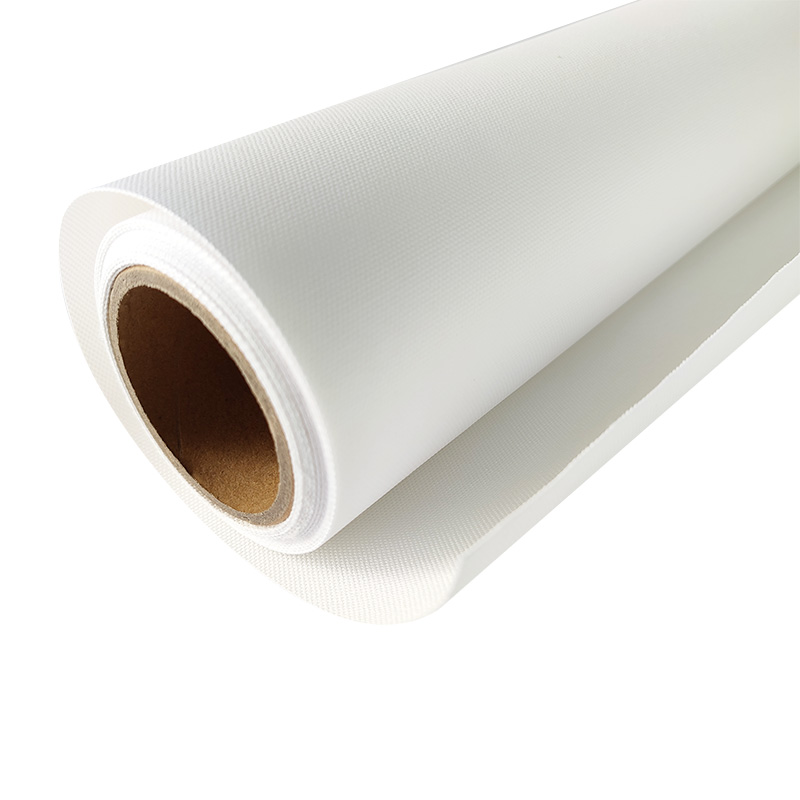
Die moderne Bau- und Beschilderungsindustrie ist stark auf vielseitige Materialien angewiesen, die Langlebigkeit mit einfacher Anwendung verbinden. Selbstklebendes Vinyl hat sich als Grundmaterial in diesen Branchen etabliert und bietet außergewöhnliche Leistungseigenschaften, die es sowohl für Innen- als auch für Außenanwendungen geeignet machen. Das Verständnis der Haftkraft und Witterungsbeständigkeit von selbstklebendem Vinyl ist entscheidend für Fachleute, die eine optimale Leistung in ihren Projekten anstreben. Diese umfassende Bewertung untersucht die Schlüsselfaktoren, die die Wirksamkeit und Langlebigkeit von selbstklebenden Vinylmaterialien unter verschiedenen Umweltbedingungen und Anwendungsszenarien bestimmen.
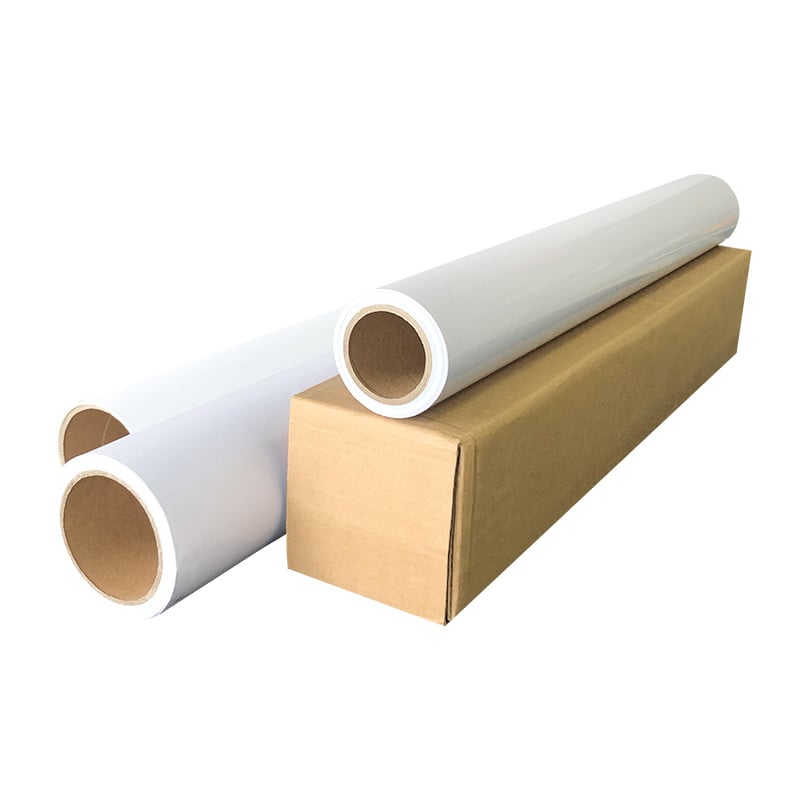
Grundlagen der Haftkraft verstehen
Die Wissenschaft hinter der Vinylhaftung
Die Haftfestigkeit von selbstklebendem Vinyl hängt von mehreren miteinander verbundenen Faktoren ab, die zusammenwirken, um eine sichere Bindung zu erzeugen. Die Klebeschicht, die typischerweise aus Acryl- oder gummiartigen Verbindungen besteht, bildet molekulare Bindungen mit der Oberfläche des Substrats durch Van-der-Waals-Kräfte und mechanische Verzahnung. Die Wirksamkeit dieses Bindungsprozesses beeinflusst direkt die Langzeitleistung von Installationen mit selbstklebendem Vinyl. Temperatur, Oberflächenvorbereitung und Anpressdruck spielen alle eine entscheidende Rolle, um eine optimale Haftwirkung zu erzielen.
Moderne selbstklebende Vinylprodukte enthalten fortschrittliche Klebstoffformulierungen, die darauf ausgelegt sind, sofortigen Halt zu bieten und gleichzeitig im Laufe der Zeit eine vollständige Haftfestigkeit zu entwickeln. Diese schrittweise Haftung ermöglicht es Verlegern, das Material während der ersten Anwendung neu zu positionieren, gewährleistet jedoch eine maximale Adhäsion, sobald die Montage abgeschlossen ist. Die molekulare Struktur der Klebeschicht bestimmt ihre Verträglichkeit mit verschiedenen Substratmaterialien sowie ihre Beständigkeit gegenüber Umwelteinflüssen, die die Haftintegrität beeinträchtigen könnten.
Messung und Prüfung der Klebkraft
Standardisierte Prüfverfahren liefern zuverlässige Kennzahlen zur Bewertung der Haftkraft von selbstklebenden Vinylprodukten. Abziehhaftfestigkeitsprüfungen, durchgeführt gemäß ASTM D3330, messen die Kraft, die erforderlich ist, um das Vinyl unter einem bestimmten Winkel und mit einer definierten Geschwindigkeit von einem Trägermaterial abzuziehen. Diese Prüfungen helfen Herstellern und Anwendern dabei, die Leistung von selbstklebendem Vinyl unter realen Belastungsbedingungen einzuschätzen. Scherfestigkeitsprüfungen bewerten den Widerstand des Materials gegen parallele Gleitkräfte an der Klebefuge.
Temperaturwechseltests simulieren die Ausdehnungs- und Schrumpfbelastungen, denen selbstklebende Folien in Außenbereichen ausgesetzt sind. Diese Bewertungen helfen dabei, die langfristige Haftleistung unter wechselnden thermischen Bedingungen vorherzusagen. Loop-Tack-Tests messen die anfängliche Klebekraft des Klebstoffs und liefern Erkenntnisse über die Verlegeeigenschaften und die Möglichkeit zur Nachpositionierung. Professionelle Verleger nutzen diese Testergebnisse, um geeignete selbstklebende Folienprodukte für spezifische Anwendungen und Umgebungsbedingungen auszuwählen.
Witterungsbeständigkeitseigenschaften
UV-Strahlung und Farbbeständigkeit
Ultraviolette Strahlung stellt eine der bedeutendsten Umweltbelastungen für im Freien eingesetzte selbstklebende Vinylfolien dar. Längere UV-Bestrahlung kann zur Polymerdegradation führen, was zu Farbverlust, Sprödigkeit und verringerter Klebekraft führt. Hochwertige selbstklebende Vinylprodukte enthalten UV-Stabilisatoren und Inhibitoren, die sowohl die Vinylfolie als auch die Klebeschicht vor Photodegradation schützen. Diese Zusatzstoffe absorbieren schädliche UV-Wellenlängen und wandeln sie in weniger schädliche Wärmeenergie um.
Die Farbstabilität von selbstklebendem Vinyl hängt von der Pigmentchemie und den Schutzeigenschaften der Deckschicht ab. Hochwertige Produkte verfügen oft über spezielle Farbstoffe, die auch nach jahrelanger Außeneinwirkung ihre Leuchtkraft bewahren. Beschleunigte Witterungstests mit Xenon-Lichtbögen oder fluoreszierenden UV-Lampen helfen dabei, die langfristigen Farbbeständigkeitseigenschaften verschiedener selbstklebender Vinylformulierungen vorherzusagen. Diese Tests simulieren Jahrzehnte der Außenbeanspruchung unter kontrollierten Laborbedingungen und liefern wertvolle Daten für die Produktauswahl und Garantieerwägungen.
Temperaturextreme und thermisches Zyklen
Selbstklebende Folie muss ihre Integrität und Haftung über einen weiten Bereich von Betriebstemperaturen hinweg beibehalten. Extreme Kälte kann die Folie spröde machen und die Klebkraft verringern, während hohe Temperaturen dimensionsinstabile Verhältnisse und das Wandern des Klebstoffs verursachen können. Moderne selbstklebende Folienprodukte sind so konzipiert, dass sie je nach spezifischer Zusammensetzung und Anwendungsanforderungen zuverlässig bei Temperaturen von minus 40 Grad Fahrenheit bis über 180 Grad Fahrenheit funktionieren.
Thermisches Zyklen, bei dem Materialien wiederholten Heiz- und Kühlzyklen ausgesetzt sind, erzeugt Spannungen durch Ausdehnung und Schrumpfung, die die Haftung zwischen selbstklebender Folie und ihrem Untergrund beeinträchtigen können. Hochentwickelte Klebstoffformulierungen behalten ihre Flexibilität über verschiedene Temperaturbereiche hinweg bei, sodass das Material Bewegungen des Untergrunds ausgleichen kann, ohne die Haftung zu verlieren. Bei der Auswahl selbstklebender Folien für Anwendungen mit erheblichen Temperaturschwankungen muss der Wärmeausdehnungskoeffizient sowohl der Vinylfolie als auch des Untergrunds berücksichtigt werden.
Oberflächenaufbereitung und Anwendung Faktoren
Untergrundverträglichkeit und Oberflächenenergie
Der Erfolg einer selbstklebenden Folienmontage hängt stark von der richtigen Untergrundvorbereitung und -verträglichkeit ab. Unterschiedliche Materialien weisen unterschiedliche Oberflächenenergien auf, die die Klebeeigenschaften beeinflussen. Hochenergetische Oberflächen wie saubere Metalle und Glas bieten in der Regel eine ausgezeichnete Haftung, während niedrigenergetische Oberflächen wie Polyethylen oder strukturierte Materialien spezielle Grundierungen oder modifizierte Klebstoffzusammensetzungen erfordern können. Das Verständnis der Zusammenhänge bezüglich der Oberflächenenergie trägt dazu bei, die optimale Leistung von selbstklebenden Folienanwendungen sicherzustellen.
Oberflächenkontamination stellt eine häufige Ursache für Haftungsversagen bei selbstklebenden Vinylanwendungen dar. Öl, Staub, Feuchtigkeit und chemische Rückstände können Barrieren bilden, die einen ordnungsgemäßen Kontakt des Klebstoffs mit dem Untergrund verhindern. Professionelle Reinigungsprotokolle unter Verwendung geeigneter Lösungsmittel und Entfettungsmittel entfernen diese Verunreinigungen und bereiten die Oberflächen für eine maximale Bindungseffizienz vor. Die Porosität und Textur des Untergrunds beeinflusst ebenfalls das Eindringen des Klebstoffs und die mechanischen Verzahnungseigenschaften, die die Gesamt-Haftfestigkeit erhöhen.
Installationsumgebung und -technik
Umgebungsbedingungen während der Installation beeinflussen die anfängliche Haftung und die Langzeitleistung von selbstklebendem Vinyl erheblich. Temperatur und Luftfeuchtigkeit wirken sich auf die Fließeigenschaften des Klebstoffs und die Geschwindigkeit der Bindungsentwicklung aus. Kalte Temperaturen können die anfängliche Klebkraft verringern und erfordern eine längere Druckanwendung, um eine ordnungsgemäße Haftung zu erreichen. Hohe Luftfeuchtigkeit kann den Klebevorgang stören, indem Feuchtigkeit an der Klebefuge eingeführt wird, was zu vorzeitigem Versagen führen kann.
Eine sachgemäße Montagetechnik stellt sicher, dass selbstklebendes Vinyl seine maximale Leistung erreicht. Eine schrittweise Anbringung mit gleichmäßigem Druck hilft, Luftblasen zu vermeiden und gewährleistet einen vollständigen Klebstoffkontakt über die gesamte Oberfläche. Das Rollen oder Rakeln verteilt den Druck gleichmäßig und fördert ein optimales Benetzen der Untergrundoberfläche. Eine Nachbehandlung mit Wärme kann den Fließvorgang des Klebstoffs beschleunigen und die Anpassungsfähigkeit an gekrümmte Flächen oder strukturierte Untergründe verbessern.
Leistung unter bestimmten Umweltbedingungen
Marine und feuchte Umgebungen
Marine Anwendungen stellen aufgrund von Salzsprühnebel, hoher Luftfeuchtigkeit und schnellen Temperaturschwankungen besondere Anforderungen an selbstklebende Folien. Spezielle Formulierungen für den Marineeinsatz weisen eine verbesserte Feuchtigkeitsbeständigkeit sowie Korrosionsinhibitoren auf, die sowohl die Folie als auch den darunterliegenden Untergrund schützen. Die Klebstoffchemie muss der Hydrolyse widerstehen und auch bei längerer Exposition gegenüber gesättigter Luftfeuchtigkeit ihre Haftfestigkeit beibehalten.
Selbstklebende Vinylprodukte, die für den Marineeinsatz konzipiert sind, weisen oft verbesserte Kantenversiegelungseigenschaften auf, die eine Feuchtigkeitsaufnahme an den Rändern der Installation verhindern. Der Vinylfilm selbst muss der Bildung von Salzkristallen sowie den abschleifenden Wirkungen von in der Luft enthaltenen Partikeln, wie sie in maritimen Umgebungen üblich sind, widerstehen. Regelmäßige Wartungs- und Inspektionsmaßnahmen tragen dazu bei, die kontinuierliche Leistungsfähigkeit des selbstklebenden Vinyls unter diesen anspruchsvollen Bedingungen sicherzustellen, die Nutzungsdauer zu verlängern und die optische Qualität beizubehalten.
Anwendungen mit Belastung durch Industrie- und Chemikalien
Industrieanlagen setzen selbstklebende Folien oft chemischen Dämpfen, Reinigungslösungsmitteln und aggressiven Umgebungsbedingungen aus, die die Materialeigenschaften beeinträchtigen können. Die Prüfung der chemischen Beständigkeit bewertet, wie unterschiedliche Vinylformulierungen auf bestimmte Industriechemikalien und Reinigungsmittel reagieren. Diese Informationen helfen Betriebsleitern, geeignete selbstklebende Vinylprodukte auszuwählen, die ihre Integrität und Haftfähigkeit unter anspruchsvollen industriellen Bedingungen beibehalten.
Bei der Auswahl von selbstklebendem Vinyl für industrielle Anwendungen müssen sowohl die Häufigkeit als auch die Konzentration der chemischen Belastung berücksichtigt werden. Einige Formulierungen eignen sich besonders gut für Umgebungen mit gelegentlichem Kontakt zu Lösemitteln, während andere für eine kontinuierliche Belastung durch aggressive Chemikalien konzipiert sind. Das Verständnis der spezifischen Anforderungen an die chemische Beständigkeit hilft sicherzustellen, dass Installationen aus selbstklebendem Vinyl in industriellen Umgebungen eine zuverlässige Langzeitleistung erbringen – insbesondere dort, wo hohe Austauschkosten und Ausfallzeiten die Materialauswahl entscheidend machen.
Qualitätsbewertung und Prüfprotokolle
Laborprüfnormen
Umfassende Prüfprotokolle bieten standardisierte Methoden zur Bewertung der Klebkraft und Witterungsbeständigkeit von selbstklebenden Vinylprodukten. ASTM International, ISO-Normen und andere anerkannte Prüforganisationen haben spezifische Verfahren entwickelt, die konsistente und reproduzierbare Ergebnisse über verschiedene Labore und Hersteller hinweg sicherstellen. Diese Normen decken alles ab, von den anfänglichen Klebeigenschaften bis zur Langzeit-Witterungsbeständigkeit unter beschleunigten Alterungsbedingungen.
Die Peel-Festigkeitsprüfung misst die Kraft, die erforderlich ist, um selbstklebende Folie unter kontrollierten Geschwindigkeiten und Winkeln von Standardträgern zu entfernen. Scherfestigkeitsprüfungen bewerten den Widerstand des Materials gegen Gleitkräfte, die bei vertikalen Installationen oder unter Bedingungen mit starkem Wind auftreten können. Weatherometer-Prüfungen setzen Proben kontrollierter UV-Strahlung, Temperaturwechseln und Feuchtigkeitsbedingungen aus, die jahrelange Außenbelastungen in verkürzten Zeiträumen simulieren, und liefern wertvolle vorhersagende Daten für die erwartete Produktleistung.
Überwachung der Feldleistung
Die Überwachung der Leistung unter realen Bedingungen ergänzt die Laborprüfungen, indem sie Daten aus tatsächlichen Installationsbedingungen bereitstellt. Feldstudien verfolgen das Langzeitverhalten von selbstklebender Folie unter wechselnden Umweltbedingungen, verschiedenen Trägermaterialien und Applikationsmethoden. Diese Informationen helfen dabei, Laborvorhersagen zu validieren, und identifizieren Leistungsfaktoren, die in beschleunigten Prüfverfahren möglicherweise nicht vollständig erfasst werden.
Systematische Feldüberwachungsprogramme dokumentieren Veränderungen der Haftfestigkeit, des Erscheinungsbilds und der Dimensionsstabilität über längere Expositionszeiträume hinweg. Fotografien, Farbmessungen und regelmäßige Haftfestigkeitsprüfungen liefern quantitative Daten zu den Leistungstrends der Materialien. Diese Informationen sind wertvoll für die Entwicklung verbesserter Formulierungen und die Feinabstimmung von Anwendungsrichtlinien, um die Lebensdauer von selbstklebenden Vinylanwendungen unter unterschiedlichen Umgebungsbedingungen zu maximieren.
Häufig gestellte Fragen
Wie lange behält selbstklebendes Vinyl seine Haftfestigkeit im Außenbereich?
Hochwertige selbstklebende Vinylprodukte behalten in der Regel ihre wirksame Haftfestigkeit bei Außenanwendungen fünf bis zehn Jahre lang, abhängig von den Umgebungsbedingungen und der Untergrundvorbereitung. Hochwertige Formulierungen mit verbessertem UV-Schutz und erhöhter Witterungsbeständigkeit können eine zuverlässige Haftung sogar über noch längere Zeiträume sicherstellen. Regelmäßige Inspektionen und eine sachgemäße Pflege tragen dazu bei, die Lebensdauer von Außenanwendungen zu maximieren.
Welche Faktoren beeinflussen die Witterungsbeständigkeit von selbstklebendem Vinyl am stärksten
Die Belastung durch UV-Strahlung stellt die größte Umweltbelastung für die Witterungsbeständigkeit von selbstklebendem Vinyl dar, gefolgt von extremen Temperaturen und Feuchtigkeitseinwirkung. Die Qualität der UV-Stabilisatoren, die Zusammensetzung des Klebstoffs und schützende Deckschichten beeinflussen alle die langfristige Beständigkeit gegenüber Witterungseinflüssen. Eine ordnungsgemäße Oberflächenvorbereitung und Installationsmethode spielen ebenfalls eine entscheidende Rolle, um eine optimale Witterungsbeständigkeit zu erzielen.
Kann selbstklebendes Vinyl unter kalten Wetterbedingungen aufgebracht werden
Selbstklebendes Vinyl kann unter kalten Bedingungen verarbeitet werden, aber die Anbringungstechniken müssen angepasst werden, um eine ausreichende Haftung zu gewährleisten. Niedrigere Temperaturen verringern die Klebkraft und Fließfähigkeit des Klebstoffs, weshalb ein verlängerter Andruck erforderlich ist und das Material gegebenenfalls vorerwärmt werden muss. Die meisten Hersteller geben Mindestanbringungstemperaturen an, in der Regel etwa 50 Grad Fahrenheit, um optimale Ergebnisse zu erzielen.
Wie wirkt sich die Oberflächenvorbereitung auf die Langzeitleistung von selbstklebendem Vinylfolie aus
Eine ordnungsgemäße Oberflächenvorbereitung ist entscheidend, um sowohl die anfängliche Haftung als auch die Langzeitleistung von selbstklebender Vinylfolie zu maximieren. Saubere, trockene und angemessen strukturierte Oberflächen schaffen optimale Bindungsbedingungen, die Umwelteinflüssen und mechanischen Kräften widerstehen. Verunreinigte oder unzureichend vorbereitete Oberflächen führen oft zu vorzeitigem Haftversagen, unabhängig von der Qualität des Vinylprodukts selbst.
Inhaltsverzeichnis
- Grundlagen der Haftkraft verstehen
- Witterungsbeständigkeitseigenschaften
- Oberflächenaufbereitung und Anwendung Faktoren
- Leistung unter bestimmten Umweltbedingungen
- Qualitätsbewertung und Prüfprotokolle
-
Häufig gestellte Fragen
- Wie lange behält selbstklebendes Vinyl seine Haftfestigkeit im Außenbereich?
- Welche Faktoren beeinflussen die Witterungsbeständigkeit von selbstklebendem Vinyl am stärksten
- Kann selbstklebendes Vinyl unter kalten Wetterbedingungen aufgebracht werden
- Wie wirkt sich die Oberflächenvorbereitung auf die Langzeitleistung von selbstklebendem Vinylfolie aus