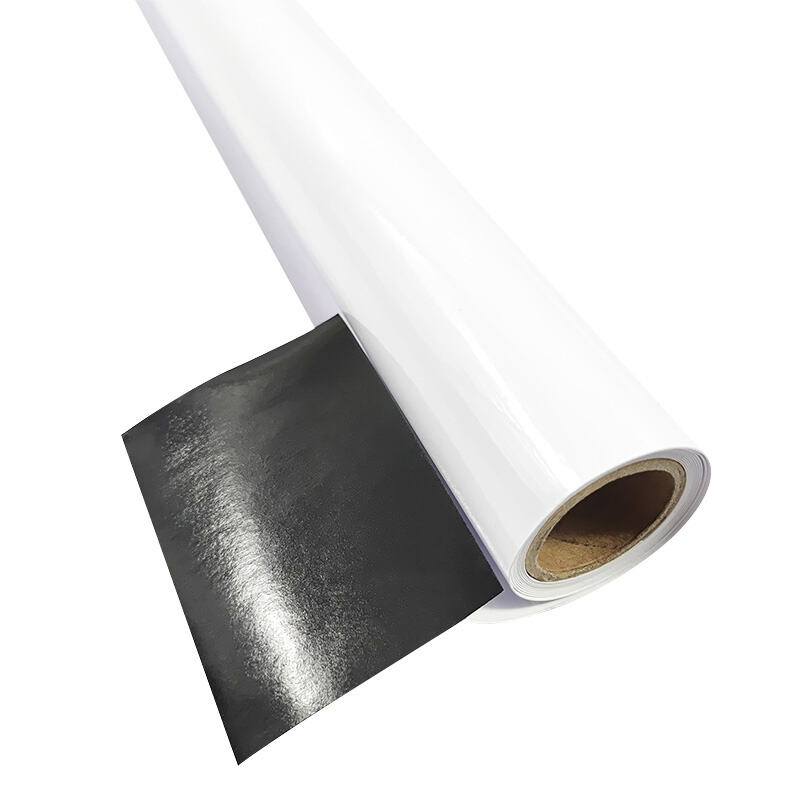
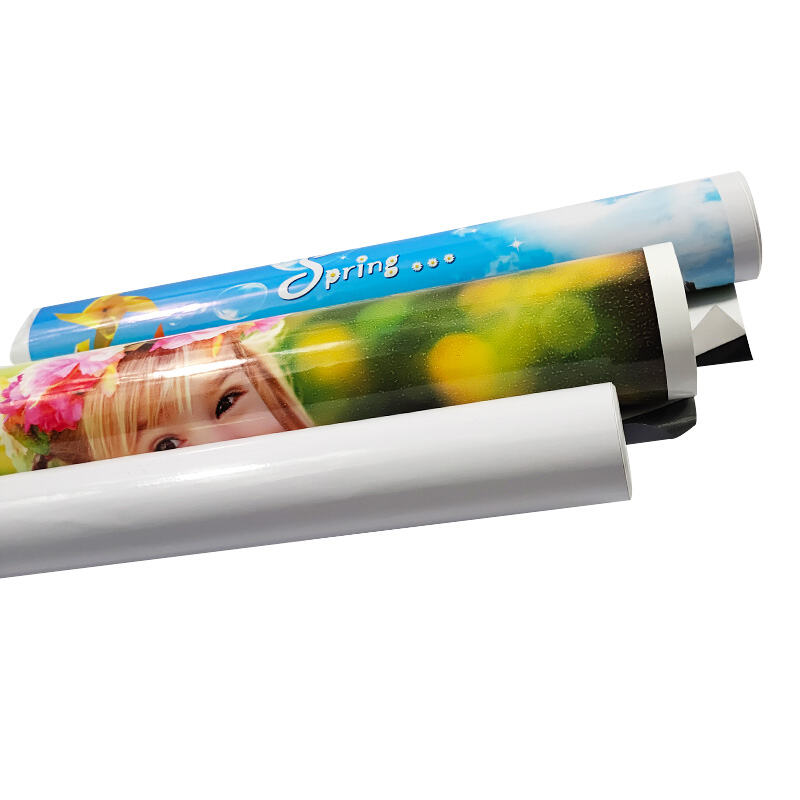
Versatile Application Capabilities and Easy Installation
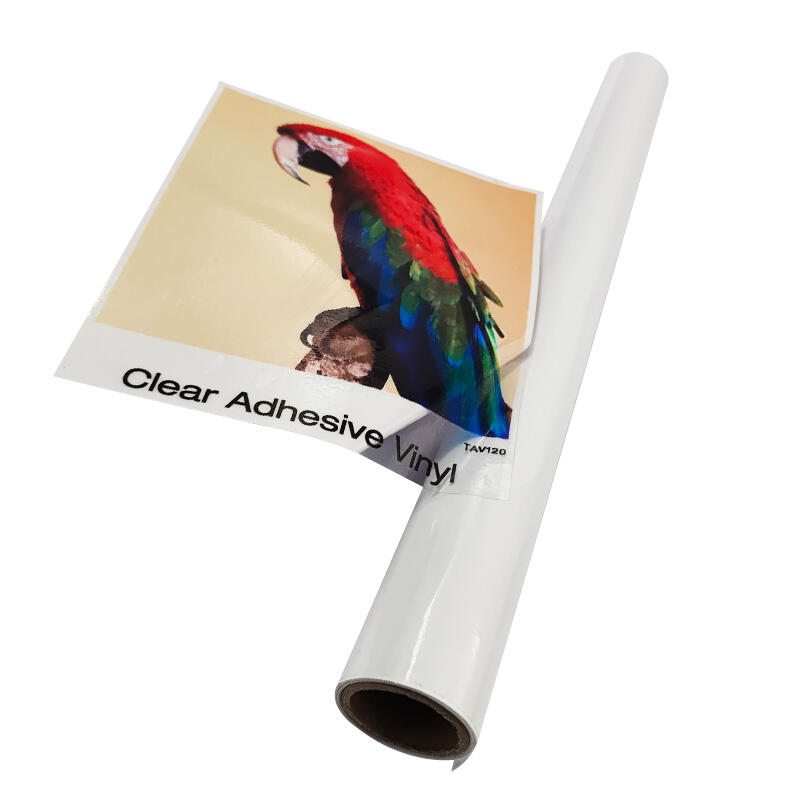
Digital print vinyl wrap demonstrates remarkable versatility in application possibilities, conforming successfully to complex three-dimensional surfaces, compound curves, and irregular geometries that challenge other decorative materials, making it suitable for virtually any surface transformation project. The material's engineered flexibility allows professional installers to achieve seamless coverage around edges, into recesses, over raised details, and across multi-directional curves without creating wrinkles, air bubbles, or tension points that compromise appearance or longevity. Advanced adhesive technology provides optimal initial tack for precise positioning while allowing adequate working time for adjustments during installation, reducing waste and ensuring professional results even for complex applications requiring multiple positioning attempts. The digital print vinyl wrap installation process requires minimal specialized tools or equipment, making it accessible to both professional graphics installers and skilled DIY enthusiasts who want to achieve professional-quality results without investing in expensive application equipment. Heat activation properties built into the adhesive system allow installers to enhance conformability around tight radii and deep recesses using standard heat guns or specialized warming tools, ensuring complete adhesion and eliminating potential failure points. The material's memory characteristics help eliminate minor imperfections during installation, allowing the vinyl to relax and conform naturally to substrate contours while maintaining graphic integrity and preventing distortion of printed elements. Repositioning capabilities during initial installation phases provide forgiveness for alignment corrections and pattern matching, reducing installation stress and improving final results while minimizing material waste from installation errors. Digital print vinyl wrap compatibility extends across numerous substrate materials including metals, plastics, composites, glass, and painted surfaces, providing universal application potential for diverse project requirements without specialized surface preparation procedures. The installation process generates minimal mess or disruption compared to traditional decoration methods, allowing work to proceed in occupied spaces without extensive masking, ventilation requirements, or extended curing periods that interfere with normal operations. Professional installation techniques can be learned relatively quickly through training programs and online resources, enabling businesses to develop in-house installation capabilities that reduce project costs and improve scheduling flexibility for time-sensitive applications.
 EN
EN