Premium Cold Lamination Film Solutions - Energy-Efficient Document Protection Technology

Get a Free Quote

Our representative will contact you soon.
Email
Name
Company Name
Message
0/1000

cold lamination film

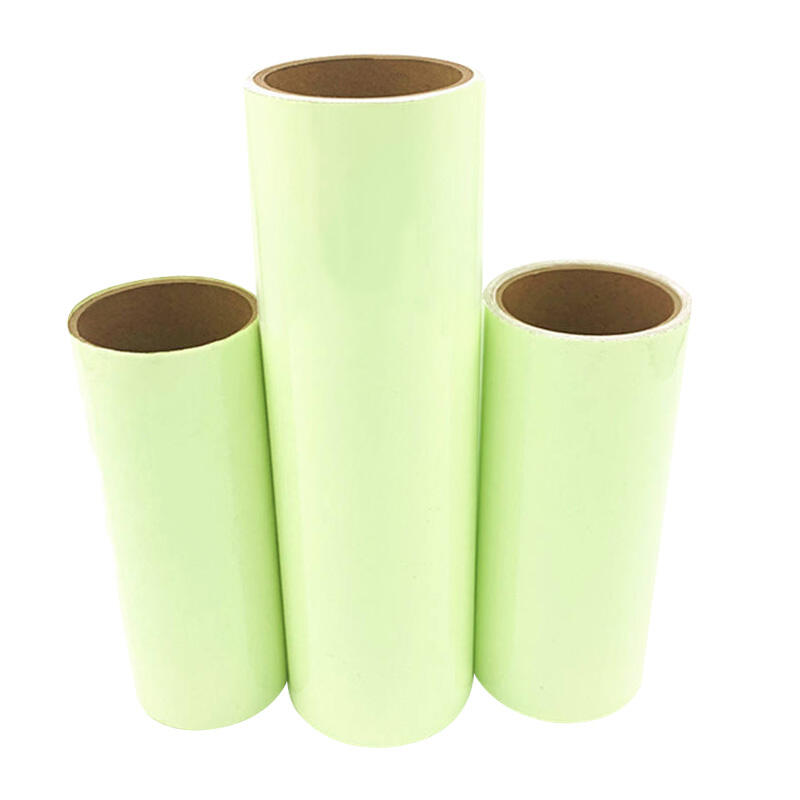
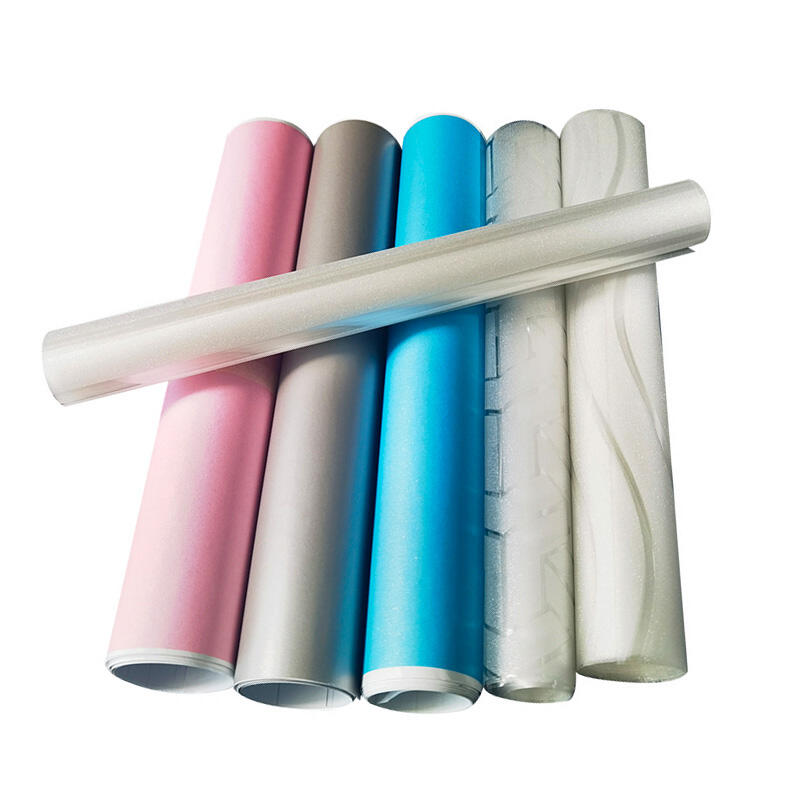
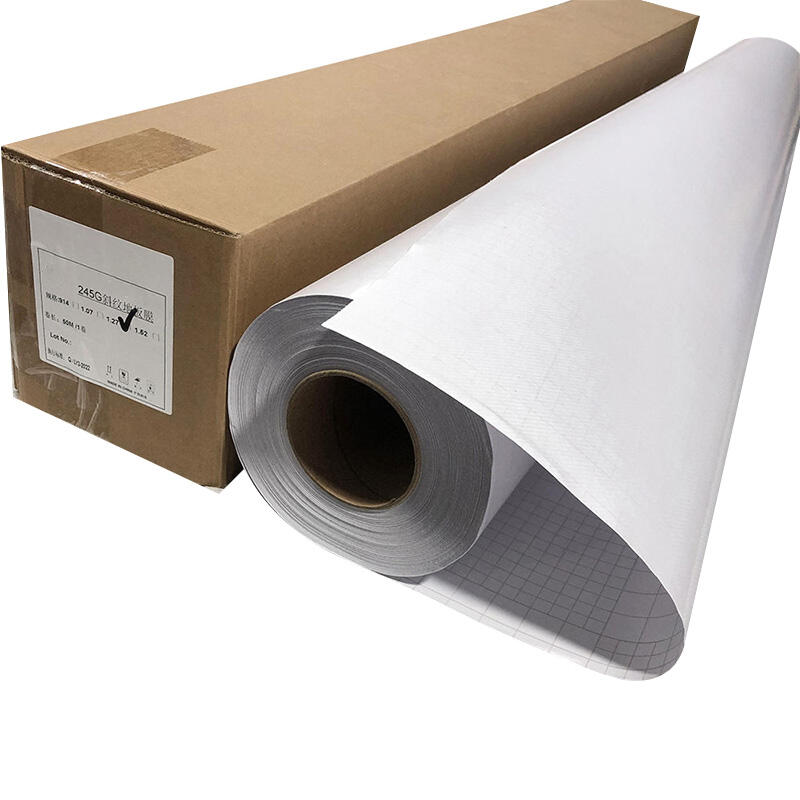
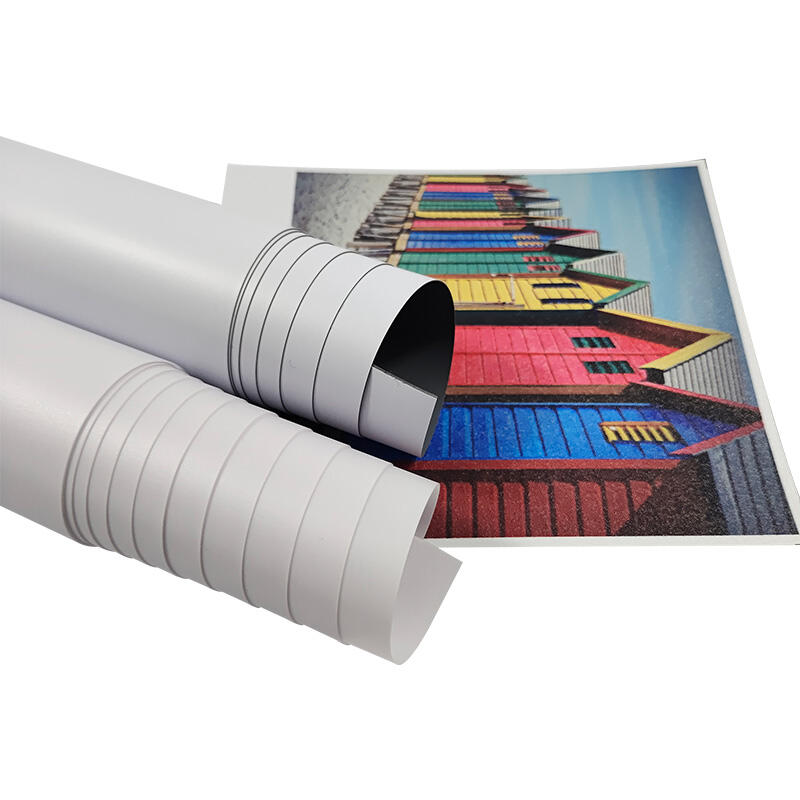
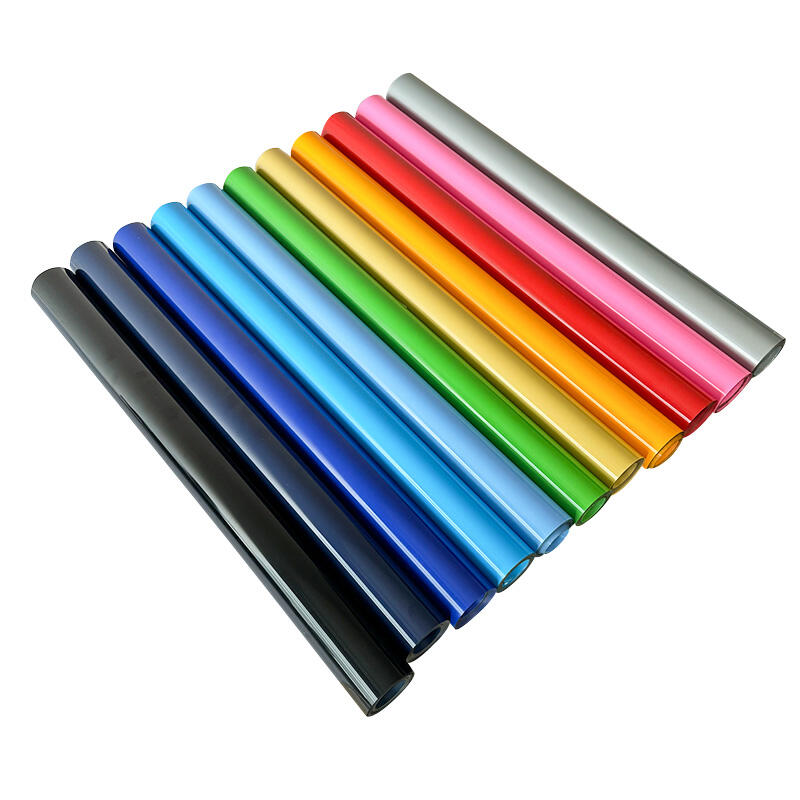
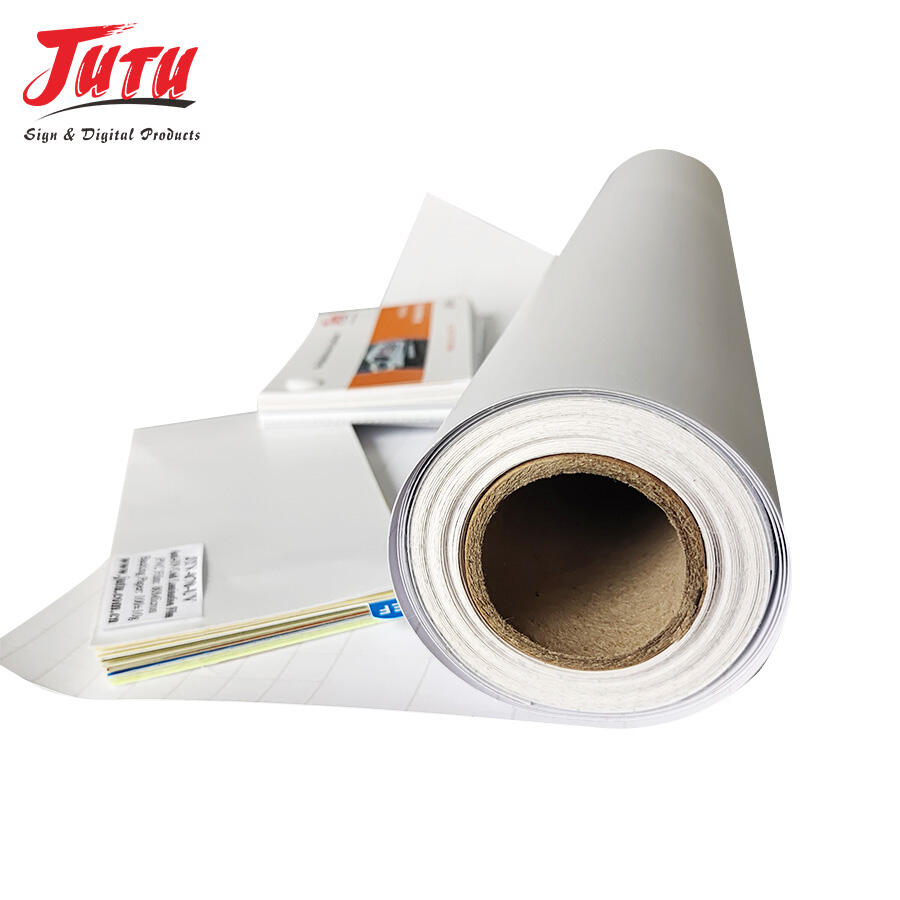
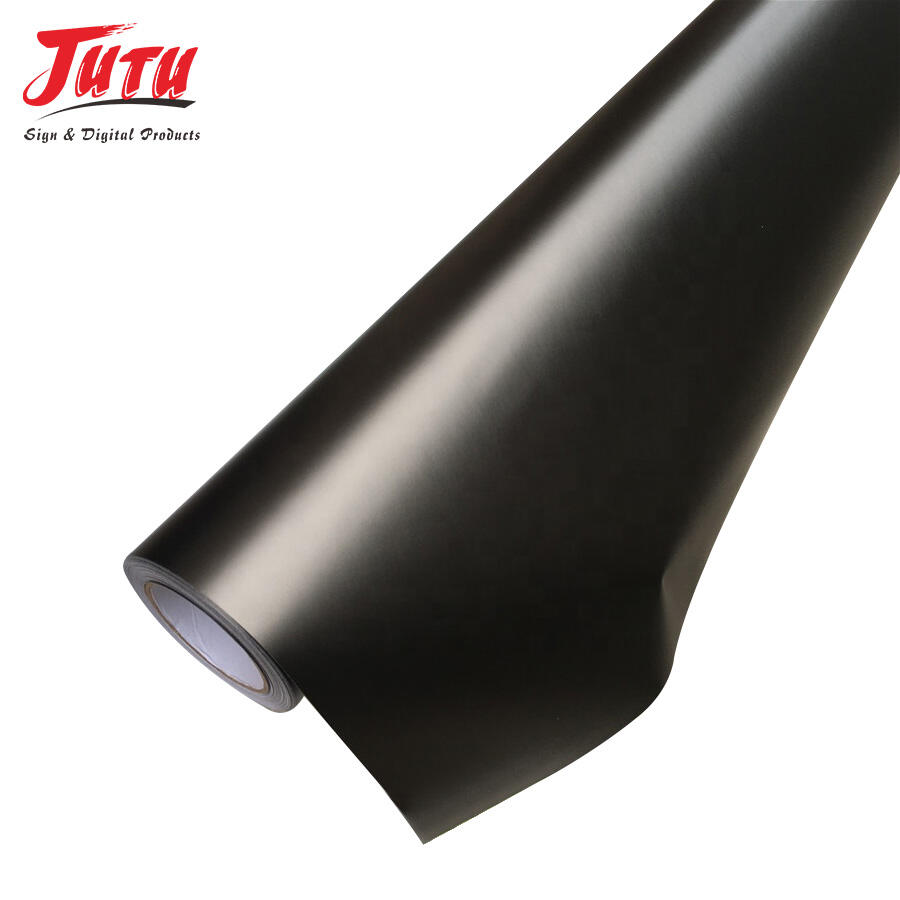
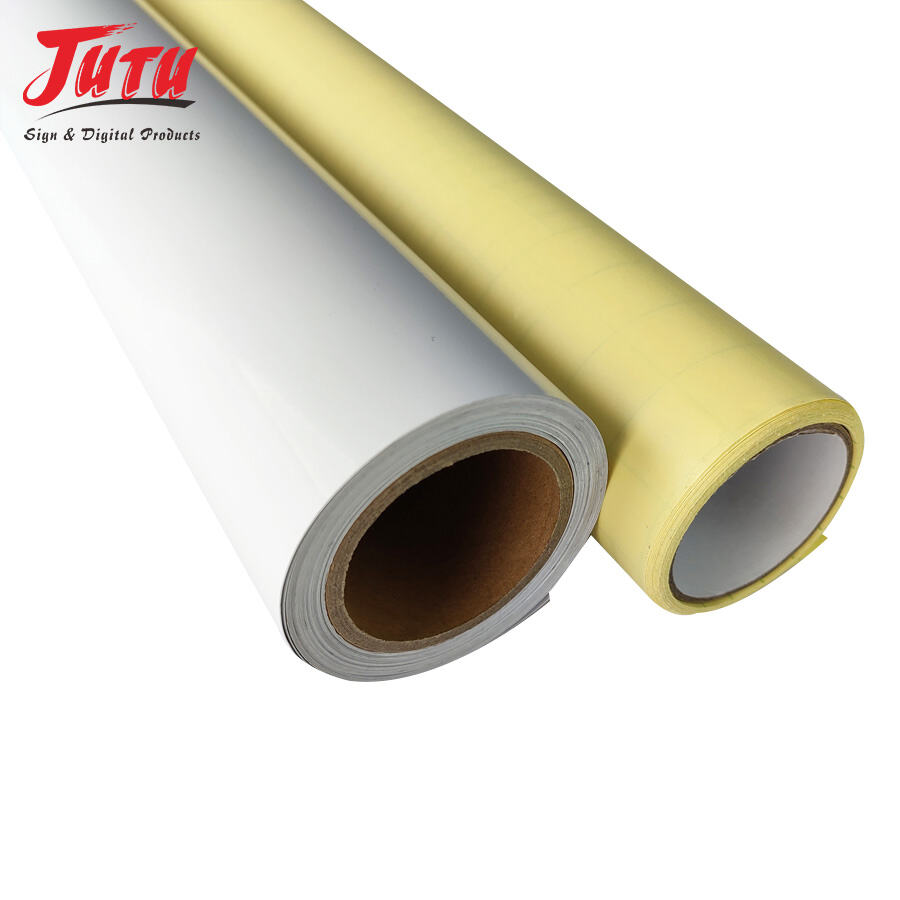
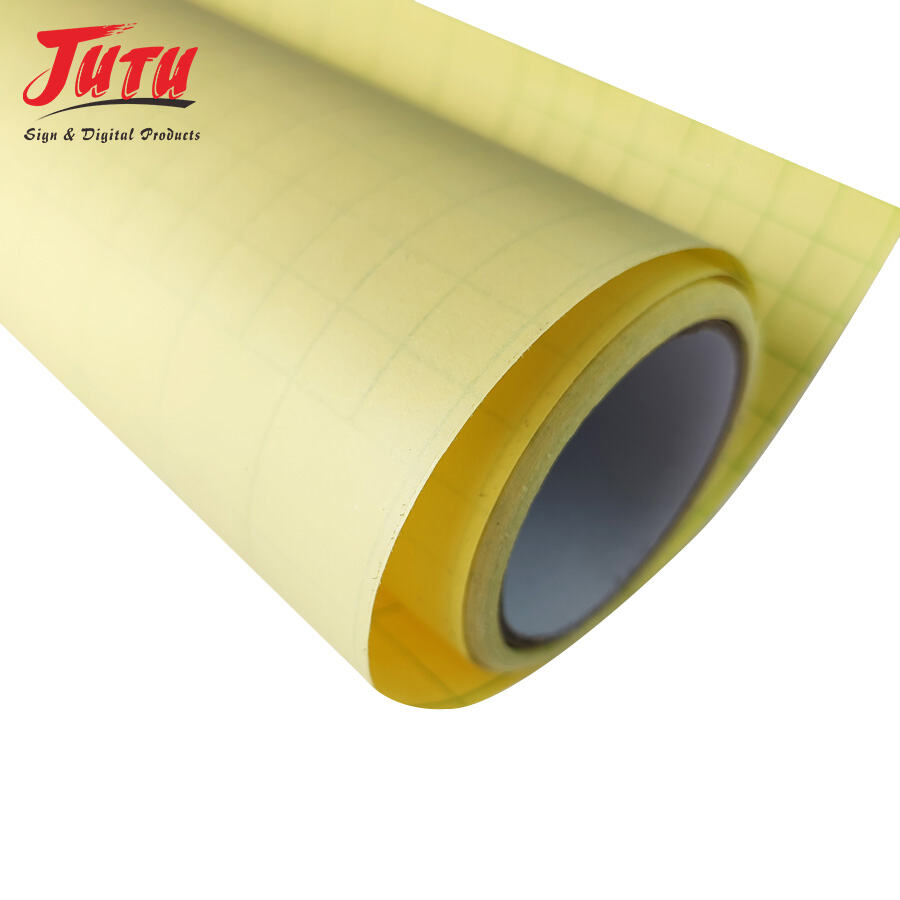
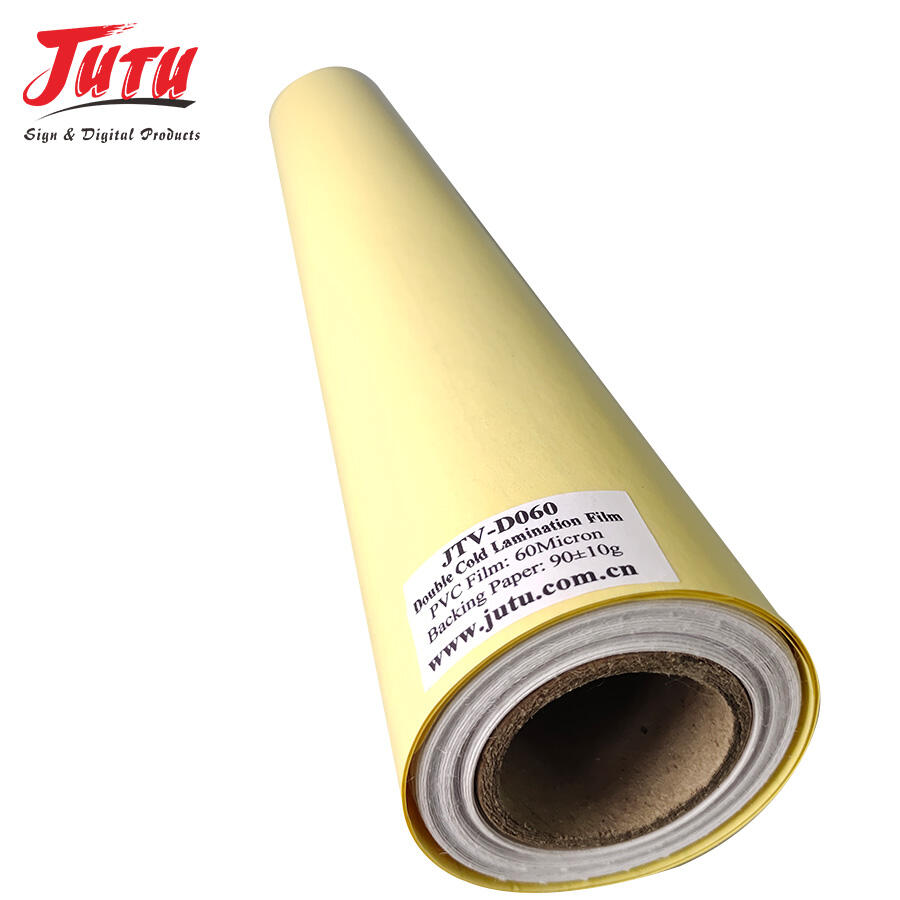
Cold lamination film represents a revolutionary advancement in document protection and enhancement technology, offering users an efficient solution for preserving important materials without the need for heat application. This innovative protective coating system utilizes pressure-sensitive adhesive technology to create durable, crystal-clear barriers that safeguard documents, photographs, signage, and various printed materials from environmental damage, moisture, UV rays, and everyday wear. The cold lamination film process eliminates traditional thermal requirements, making it ideal for heat-sensitive substrates that might warp, discolor, or deteriorate under conventional hot lamination procedures. The film consists of multiple specialized layers, including a protective carrier sheet, pressure-activated adhesive layer, and optionally anti-glare or anti-static treatments depending on specific application requirements. Modern cold lamination film formulations incorporate advanced polymer technologies that ensure exceptional clarity, superior adhesion properties, and long-term durability without compromising the original appearance of protected materials. The application process involves removing the protective backing and applying controlled pressure to activate the adhesive bond, creating an immediate protective seal that resists peeling, bubbling, or delamination. This versatile protection solution serves numerous industries including education, healthcare, retail, hospitality, and corporate environments where document preservation, signage protection, and material enhancement are essential. The cold lamination film technology supports various thickness options, surface finishes including matte and gloss variations, and specialized formulations designed for outdoor applications, food contact surfaces, and archival document preservation. Professional-grade cold lamination film systems deliver consistent results across different substrate types, from standard paper and cardstock to synthetic materials, photographs, and digital prints, ensuring reliable protection regardless of the underlying material composition.

Popular Products

Cold lamination film delivers exceptional value through its energy-efficient operation that eliminates electricity consumption associated with heating elements, reducing operational costs and environmental impact significantly. Users save money on utility bills while maintaining consistent protection quality, making this solution particularly attractive for budget-conscious businesses and organizations seeking sustainable practices. The immediate application capability allows operators to complete projects without waiting for equipment warm-up periods, dramatically improving productivity and workflow efficiency in busy environments. This instant-ready feature proves invaluable during peak production times when quick turnaround becomes essential for meeting tight deadlines and customer expectations. The superior versatility of cold lamination film accommodates heat-sensitive materials that traditional thermal processes cannot handle safely, including certain photographs, thermal papers, inkjet prints, and specialty substrates prone to temperature damage. This expanded compatibility opens new possibilities for protecting valuable documents and materials previously considered unsuitable for lamination protection. The user-friendly application process requires minimal training and eliminates complex temperature calibration procedures, making it accessible to operators of all skill levels while reducing the likelihood of costly application errors. The consistent adhesive activation through pressure alone ensures reliable results every time, regardless of ambient temperature conditions or operator experience level. Cold lamination film offers excellent clarity and optical properties that maintain the original vibrancy and detail of protected materials without introducing haze, distortion, or color shifts commonly associated with heat-based alternatives. The advanced polymer formulations resist yellowing, cracking, and degradation over extended periods, ensuring long-term protection that maintains aesthetic appeal throughout the material's lifespan. The flexible application options include manual hand application for small projects and machine-based systems for high-volume production, providing scalability that grows with business needs and production requirements. The reduced equipment complexity translates to lower maintenance costs, fewer mechanical failure points, and simplified troubleshooting procedures that minimize downtime and repair expenses. Environmental benefits extend beyond energy savings to include reduced harmful emissions and safer workplace conditions since no volatile compounds are released during the application process, creating healthier work environments for operators and surrounding personnel.

Latest News

PVC Heat Transfer Vinyl: Durable and Versatile for Custom Apparel

22

Aug

PVC Heat Transfer Vinyl: Durable and Versatile for Custom Apparel

PVC Heat Transfer Vinyl: Durable and Versatile for Custom Apparel Introduction to Heat Transfer Vinyl Heat transfer vinyl has become one of the most popular solutions for garment decoration and customization. It allows schools, sports teams, small bu...
View More
What tools ensure bubble-free installation of static-cling window film?

26

Sep

What tools ensure bubble-free installation of static-cling window film?

Essential Equipment for Professional Window Film Application Installing static-cling window film can transform your space with elegance and privacy, but achieving that perfect, crystal-clear finish requires the right tools and techniques. Professiona...
View More
2025 Cold Lamination Film Guide: Types and Applications

19

Oct

2025 Cold Lamination Film Guide: Types and Applications

The Evolution of Modern Lamination Technologies The landscape of protective films and finishes has transformed dramatically over recent years, with colored vinyl emerging as a game-changing solution for both commercial and creative applications. As w...
View More
How to Choose Quality Cotton Canvas for DIY Projects

27

Nov

How to Choose Quality Cotton Canvas for DIY Projects

Cotton canvas has become an increasingly popular choice for DIY enthusiasts seeking durable, versatile materials for their creative projects. Whether you're crafting home décor pieces, creating custom artwork, or designing functional items, se...
View More

Get a Free Quote

Our representative will contact you soon.
Email
Name
Company Name
Message
0/1000

cold lamination film

Superior Material Compatibility and Heat-Sensitive Protection

Superior Material Compatibility and Heat-Sensitive Protection

Cold lamination film stands out as the ultimate solution for protecting heat-sensitive materials that cannot withstand traditional thermal lamination processes. This remarkable compatibility advantage stems from the innovative pressure-activated adhesive technology that bonds effectively at room temperature, eliminating any risk of thermal damage to delicate substrates. Professional photographers particularly value this feature when protecting valuable prints, especially those produced using temperature-sensitive inks or specialized papers that might warp, discolor, or suffer quality degradation under heat exposure. Educational institutions benefit tremendously from this capability when preserving historical documents, original artwork, and archival materials where maintaining original integrity remains paramount. The cold lamination film technology proves indispensable for protecting thermal receipt papers, carbonless forms, and specialty labels that lose functionality when exposed to elevated temperatures during conventional lamination procedures. Healthcare facilities rely on this compatibility when protecting patient charts, laboratory results, and medical imaging outputs that require preservation without compromising critical information through heat-induced alterations. The versatile nature of cold lamination film extends to protecting synthetic materials, plastic substrates, and composite materials that exhibit varying thermal expansion rates, preventing the warping and distortion commonly encountered with heat-based protection methods. Retail environments leverage this advantage when creating durable signage from temperature-sensitive materials, ensuring consistent brand presentation without material degradation. The pressure-sensitive adhesive formulation maintains optimal bonding strength across diverse substrate types, from porous papers to non-porous synthetic materials, delivering reliable protection regardless of underlying material composition. This universal compatibility eliminates the need for multiple lamination systems, streamlining equipment requirements and reducing capital investment costs while expanding creative possibilities for designers and print professionals. The consistent performance across material types ensures predictable results, reducing waste from failed applications and improving overall project success rates in professional production environments.
Energy Efficiency and Environmental Sustainability Benefits

Energy Efficiency and Environmental Sustainability Benefits

Cold lamination film technology revolutionizes the protection industry through exceptional energy efficiency that eliminates electricity consumption associated with heating systems while maintaining superior protection quality. This significant advantage translates directly into reduced operational costs, making cold lamination film an economically attractive choice for businesses seeking to optimize their environmental footprint and operational expenses simultaneously. The elimination of heating requirements removes approximately 80% of the energy consumption typically associated with lamination processes, resulting in substantial utility bill reductions that compound over time into significant cost savings. Environmental sustainability becomes a core benefit as cold lamination film systems produce zero thermal emissions, contributing to cleaner air quality in work environments and reducing the overall carbon footprint of document protection operations. The absence of volatile organic compound emissions during application creates safer working conditions for operators while supporting green building certifications and environmental compliance initiatives increasingly important to modern businesses. Organizations pursuing LEED certification and sustainability goals find cold lamination film technology aligns perfectly with their environmental objectives, supporting corporate responsibility initiatives without compromising protection quality or operational efficiency. The reduced energy demand decreases strain on electrical infrastructure, particularly valuable in facilities with limited power capacity or those seeking to minimize peak demand charges that significantly impact utility costs. Manufacturing facilities appreciate the consistent performance regardless of ambient temperature fluctuations, eliminating seasonal variations in protection quality often experienced with temperature-dependent systems. The simplified equipment design reduces manufacturing complexity, resulting in longer equipment lifespan and reduced replacement frequency, further contributing to environmental sustainability through decreased material consumption and waste generation. Cold lamination film systems require fewer mechanical components than thermal alternatives, reducing maintenance material requirements and extending service intervals between professional maintenance visits. The instant-ready operation eliminates warm-up periods that traditionally waste energy during equipment startup, particularly beneficial in intermittent-use applications where equipment activation occurs multiple times daily. This environmental advantage extends to transportation efficiency, as cold lamination film products require no special temperature-controlled shipping or storage conditions, reducing logistics complexity and associated environmental impact throughout the supply chain distribution process.
Exceptional Durability and Long-Term Protection Performance

Exceptional Durability and Long-Term Protection Performance

Cold lamination film delivers outstanding long-term protection performance through advanced polymer formulations specifically engineered to resist environmental degradation, UV exposure, moisture penetration, and mechanical wear that typically compromise unprotected materials over time. The sophisticated multi-layer construction incorporates UV-stable additives that prevent yellowing, brittleness, and optical clarity loss even after years of exposure to natural and artificial lighting conditions. This remarkable durability ensures protected materials maintain their original appearance and readability throughout extended service lives, providing exceptional return on investment for protection applications. The superior moisture barrier properties effectively block humidity, liquid spills, and condensation from reaching underlying materials, preventing the warping, staining, and deterioration commonly experienced with unprotected documents and signage in challenging environments. Professional testing demonstrates that materials protected with high-quality cold lamination film retain structural integrity and visual clarity significantly longer than alternatives, reducing replacement frequency and associated costs over the protection system's operational lifetime. The chemical resistance inherent in premium cold lamination film formulations provides protection against cleaning solutions, environmental pollutants, and accidental chemical exposure that might otherwise cause permanent damage to valuable materials. Industrial applications particularly benefit from this chemical resistance when protecting safety signage, instructional materials, and identification labels exposed to harsh cleaning protocols and industrial environments. The mechanical durability withstands repeated handling, folding, and flexing without delamination or adhesive failure, crucial for materials requiring frequent access or manipulation during normal use. Educational settings rely on this durability when protecting frequently-used reference materials, classroom posters, and student projects that endure constant handling throughout academic years. The optical stability maintains crystal-clear transparency without hazing or clouding that might obscure important details or reduce aesthetic appeal over time, ensuring protected materials remain professional in appearance throughout their service life. Healthcare environments depend on this long-term clarity when protecting patient information, medical charts, and instructional materials that must remain legible and professional for extended periods. The consistent adhesion strength prevents edge lifting, corner peeling, and progressive delamination that compromise protection effectiveness and create unprofessional appearances in critical applications where image quality directly impacts business success and customer confidence.