Premium Cold Lamination Films - Professional Protection Solutions for Every Industry

Get a Free Quote

Our representative will contact you soon.
Email
Name
Company Name
Message
0/1000

cold lamination films

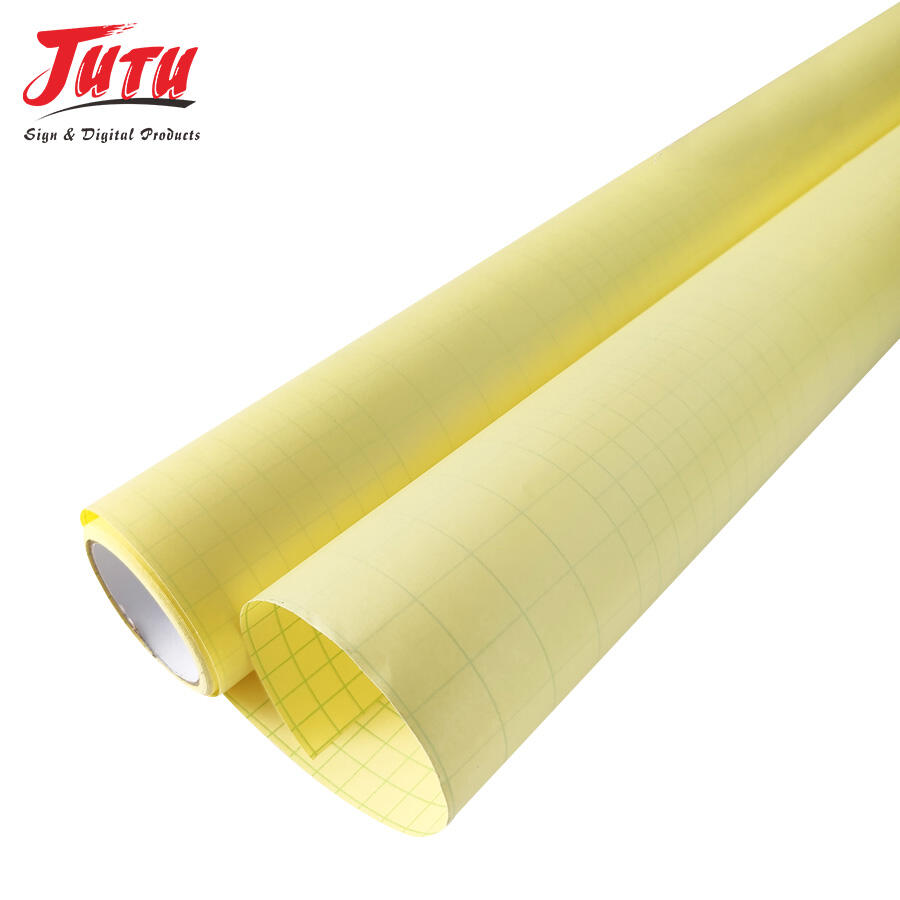
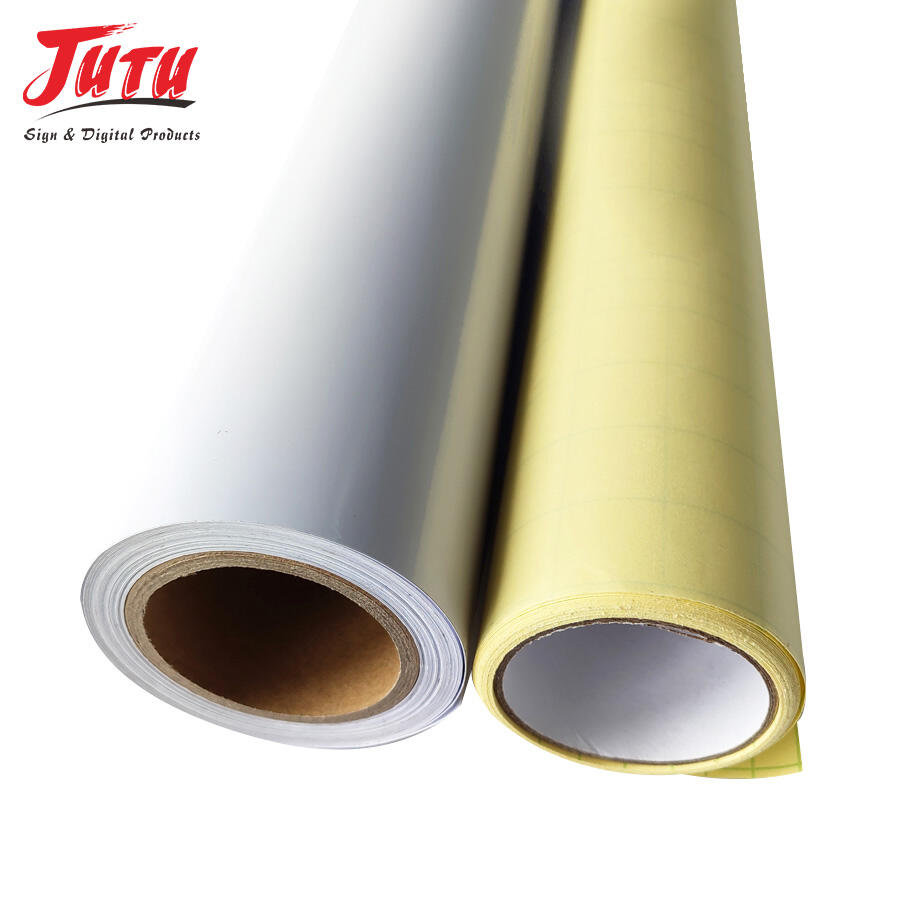
Cold lamination films represent a revolutionary advancement in protective coating technology, offering exceptional versatility and performance without requiring heat application. These specialized films utilize pressure-sensitive adhesives that bond permanently to various substrates at room temperature, eliminating the need for costly heating equipment or energy-intensive processes. Cold lamination films consist of multiple layers, including a clear protective top layer, an adhesive coating, and a release liner that ensures easy application and precise positioning. The manufacturing process involves sophisticated polymer chemistry that creates strong molecular bonds while maintaining optical clarity and dimensional stability. These films excel in protecting printed materials, photographs, documents, and signage from environmental damage, UV radiation, moisture, and physical wear. The technology behind cold lamination films incorporates advanced acrylic or rubber-based adhesives that provide immediate tack and develop full bond strength over time. This characteristic allows for repositioning during application while ensuring permanent adhesion once properly installed. Cold lamination films are available in various thicknesses, typically ranging from 1.5 to 10 mils, with different surface finishes including gloss, matte, and textured options. The films maintain excellent optical properties, with high light transmission and minimal color distortion, making them ideal for applications where visual clarity is paramount. Temperature resistance varies by formulation, with some cold lamination films withstanding extreme conditions from -40°F to 180°F. Chemical resistance properties protect against common solvents, cleaning agents, and atmospheric pollutants. The versatility of cold lamination films extends to compatibility with various printing technologies, including inkjet, laser, offset, and digital printing processes. Quality control measures during manufacturing ensure consistent thickness, adhesive distribution, and surface properties across entire film rolls.

Popular Products

Cold lamination films deliver remarkable cost-effectiveness by eliminating expensive heating equipment and reducing energy consumption significantly. This technology saves businesses thousands of dollars in equipment purchases while lowering operational costs through reduced electricity usage and faster processing times. The installation process becomes incredibly simple, requiring only basic application tools such as squeegees or laminating rollers, making cold lamination films accessible to small businesses and home users alike. Processing speed increases dramatically with cold lamination films, as operators can complete projects immediately without waiting for heating cycles or temperature stabilization periods. This efficiency translates to higher productivity and faster turnaround times for commercial printing operations and signage companies. Cold lamination films provide superior protection against environmental hazards, creating an impermeable barrier that shields printed materials from water damage, UV fading, and chemical contamination. The films resist scratching, tearing, and general wear, extending the lifespan of protected materials by years compared to unprotected substrates. Versatility stands as another major advantage, as cold lamination films bond effectively to paper, cardboard, plastic, metal, and fabric surfaces without substrate-specific adjustments. This universal compatibility streamlines inventory management and reduces the need for multiple product types. Quality consistency remains exceptional with cold lamination films, as the absence of heat eliminates temperature-related variations that can cause bubbling, wrinkling, or adhesion failures. Professional results become achievable regardless of operator skill level, reducing waste and rework costs. Cold lamination films maintain dimensional stability throughout application and use, preventing shrinkage or expansion that could compromise the protected material's integrity. The repositionable nature of these films during initial application allows for precise alignment and bubble removal, ensuring professional-quality results every time. Storage requirements are minimal, as cold lamination films remain stable at room temperature without degradation, unlike heat-activated alternatives that may require climate-controlled environments. Environmental benefits include reduced carbon footprint due to lower energy consumption and decreased equipment requirements. The workplace safety improves significantly by eliminating burn hazards associated with heated laminating equipment, creating a safer environment for operators and reducing liability concerns.

Practical Tips

How is colored vinyl made, and what makes it appear in various colors and patterns?

09

Sep

How is colored vinyl made, and what makes it appear in various colors and patterns?

Colored vinyl records stand out because of their vibrant colors and unique designs. Manufacturers create these by adding pigments or dyes to raw vinyl material. This process transforms ordinary records into stunning works of art. Each record becomes ...
View More
PVC Heat Transfer Vinyl: Durable and Versatile for Custom Apparel

22

Aug

PVC Heat Transfer Vinyl: Durable and Versatile for Custom Apparel

PVC Heat Transfer Vinyl: Durable and Versatile for Custom Apparel Introduction to Heat Transfer Vinyl Heat transfer vinyl has become one of the most popular solutions for garment decoration and customization. It allows schools, sports teams, small bu...
View More
The Benefits of PVC Over Other Types of Heat Transfer Vinyl

22

Aug

The Benefits of PVC Over Other Types of Heat Transfer Vinyl

The Benefits of PVC Over Other Types of Heat Transfer Vinyl Introduction to Heat Transfer Vinyl Heat Transfer Vinyl is one of the most popular methods for customizing garments, accessories, and promotional products. It is a thin, flexible material th...
View More
What tools ensure bubble-free installation of static-cling window film?

26

Sep

What tools ensure bubble-free installation of static-cling window film?

Essential Equipment for Professional Window Film Application Installing static-cling window film can transform your space with elegance and privacy, but achieving that perfect, crystal-clear finish requires the right tools and techniques. Professiona...
View More

Get a Free Quote

Our representative will contact you soon.
Email
Name
Company Name
Message
0/1000

cold lamination films

Revolutionary Pressure-Sensitive Technology

Revolutionary Pressure-Sensitive Technology

Cold lamination films utilize groundbreaking pressure-sensitive adhesive technology that transforms the traditional lamination process by eliminating heat requirements entirely. This innovative approach relies on sophisticated molecular chemistry that creates instant bonding upon contact while allowing for precise positioning and bubble elimination during application. The pressure-sensitive adhesive system consists of carefully formulated polymers that provide immediate tack strength, enabling instant adhesion to substrates while maintaining repositioning capabilities for several minutes after initial contact. This unique characteristic allows operators to make adjustments, remove air bubbles, and ensure perfect alignment without compromising the final bond strength. The technology incorporates micro-structured adhesive patterns that promote air evacuation during application, preventing bubble formation and ensuring smooth, professional-looking results. Unlike traditional thermal lamination processes that require preheating, temperature monitoring, and cooling cycles, cold lamination films achieve full adhesive strength through mechanical pressure alone. This revolutionary approach eliminates common heat-related problems such as substrate warping, ink bleeding, color shifting, and dimensional changes that can occur with sensitive materials. The pressure-sensitive system maintains consistent performance across varying environmental conditions, providing reliable bonding in temperatures ranging from freezing to extremely hot conditions. Manufacturing quality control ensures uniform adhesive distribution across the entire film surface, preventing weak spots or excessive adhesive buildup that could affect appearance or performance. The technology supports various application methods, from hand-squeegee techniques for small projects to industrial roller systems for high-volume production. Advanced testing protocols verify adhesive performance, including peel strength, shear resistance, and long-term aging characteristics under accelerated conditions. This comprehensive quality assurance ensures that cold lamination films deliver consistent, professional results regardless of application method or environmental conditions.
Exceptional Versatility Across Multiple Industries

Exceptional Versatility Across Multiple Industries

Cold lamination films demonstrate unparalleled versatility by serving diverse industries and applications with consistent excellence, making them indispensable for businesses ranging from commercial printing to educational institutions. The printing industry benefits tremendously from cold lamination films' compatibility with all major printing technologies, including digital inkjet, laser printing, offset lithography, and screen printing processes. These films protect valuable prints, photographs, and artwork from fading, moisture damage, and physical wear while maintaining optical clarity and color vibrancy. Educational environments utilize cold lamination films for creating durable teaching materials, protecting important documents, and preserving student artwork for extended display periods. The signage industry relies heavily on cold lamination films for outdoor applications, where UV protection and weather resistance are crucial for maintaining professional appearance and legibility over time. Retail businesses employ these films for point-of-purchase displays, product packaging enhancement, and promotional materials that require frequent handling and environmental exposure. Healthcare facilities use cold lamination films to protect patient information, medical charts, and instructional materials that must withstand frequent cleaning and sanitization procedures. Cold lamination films excel in food service applications where moisture resistance and easy cleaning are essential for menu boards, safety signage, and promotional displays. The technology adapts seamlessly to specialty applications such as museum artifact preservation, where UV protection and chemical stability are paramount for long-term conservation efforts. Industrial environments benefit from cold lamination films' chemical resistance properties, protecting safety labels, equipment identification tags, and procedural instructions from exposure to harsh chemicals and extreme conditions. Marine and outdoor recreation industries depend on cold lamination films for weather-resistant charts, maps, and instructional materials that must perform reliably in challenging environmental conditions. The automotive industry uses these films for protecting diagnostic charts, service manuals, and promotional materials in service areas exposed to oils, solvents, and temperature fluctuations.

Superior Protection and Longevity Benefits

Superior Protection and Longevity Benefits

Cold lamination films provide exceptional protection capabilities that significantly extend the lifespan of printed materials and documents through advanced barrier properties and UV-resistant formulations. The protective layer creates an impermeable shield against moisture infiltration, preventing water damage, humidity effects, and mold growth that can destroy paper-based materials over time. UV protection stands as a critical feature, with specialized additives that block harmful ultraviolet radiation responsible for fading, discoloration, and polymer degradation in printed materials. Laboratory testing demonstrates that cold lamination films can extend the useful life of protected materials by 300-500% compared to unprotected substrates under identical environmental conditions. Chemical resistance properties protect against common household and industrial chemicals, including cleaning agents, solvents, and atmospheric pollutants that can cause staining, discoloration, or structural damage. The films resist scratching and abrasion from normal handling, maintaining surface integrity and optical clarity even after extensive use in high-traffic environments. Temperature stability ensures consistent protection across extreme temperature ranges, preventing thermal expansion and contraction that could compromise adhesive bonds or cause film delamination. Long-term aging studies confirm that cold lamination films maintain their protective properties for decades without yellowing, brittleness, or adhesive degradation. The barrier properties effectively prevent ink migration, color bleeding, and print degradation that can occur when printed materials are exposed to solvents or high humidity conditions. Puncture resistance and tear strength characteristics protect underlying materials from physical damage during handling, shipping, and storage. Cold lamination films maintain flexibility and conformability over time, preventing cracking or splitting that could allow moisture or contaminants to reach protected surfaces. The protective benefits extend to preventing bacterial and fungal growth on organic substrates by eliminating moisture access and creating an inhospitable environment for microorganisms. Static resistance properties reduce dust attraction and accumulation, maintaining clean appearance and reducing maintenance requirements for displayed materials.